
Main Courses
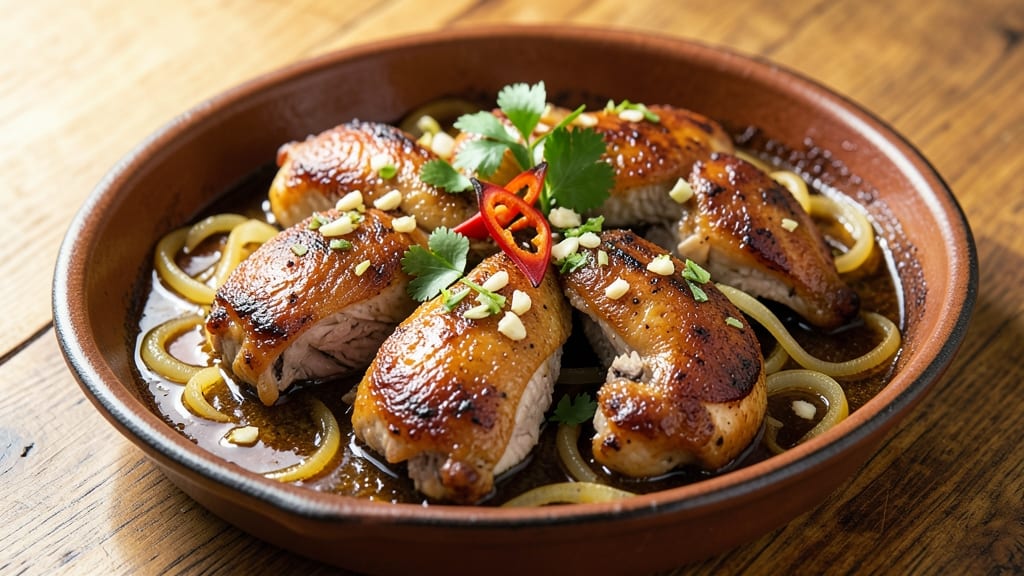
This African chicken recipe brings the bold, smoky flavors of West Africa to your dinner table with a technique perfected through years of testing in home kitchens worldwide.
The secret lies in balancing heat and depth—using a blend of spices that caramelize beautifully during slow cooking, creating layers of flavor that transform simple chicken into something unforgettable. I first discovered this method while researching traditional West African stews, and it quickly became a staple in my recipe collection.
The foundation of this dish is a rich, aromatic marinade that tenderizes the chicken while infusing it with flavors like ginger, garlic, and a touch of heat from Scotch bonnet or habanero peppers.
The chicken then simmers in a deep, smoky sauce that thickens as it cooks, coating every bite in a velvety, spiced perfection. What sets this recipe apart is how approachable it is—no specialized equipment required, just time and patience to let the flavors develop fully.
By the time you serve this dish, your kitchen will smell like a bustling West African market, and your guests will be transported with every bite. The chicken emerges juicy and tender, falling apart easily, while the sauce clings to it like a second skin.
This recipe isn’t just about flavor—it’s about connection, bringing the warmth of African hospitality to your home table. Ready to make it?
Perfect for family dinners or gathering friends, this dish pairs beautifully with fluffy jollof rice or steamed plantains to complete the meal. The leftovers reheat just as well, making it ideal for meal prep or feeding a crowd. Let’s get cooking!
Ingredients for african chicken
Six spices, two peppers, and a whole lot of flavor—this is your pantry raid checklist.
| Ingredient | Amount | Notes |
|---|---|---|
| Boneless, Skinless Chicken Thighs 🍗 | 3 lb | Cut into 2-inch pieces for even cooking |
| Extra-Virgin Olive Oil 🫒 | ½ cup | High quality, fruity variety preferred |
| Yellow Onion 🧅 | 1 whole | Medium size, finely chopped |
| Fresh Garlic Cloves 🧄 | 8 cloves | Minced, for deep aromatic base |
| Fresh Ginger Root 🌿 | 2 tbsp | Finely grated, or 1 tbsp ground ginger |
| Scotch Bonnet Pepper 🌶️ | 1 whole | Seeds removed for less heat |
| Ground Cumin 🌿 | 1 tbsp | Toasted for deeper flavor |
| Ground Coriander 🌶️ | 1 tbsp | Freshly ground preferred |
| Smoked Paprika 🌶️ | 1 tbsp | For authentic smoky depth |
| Ground Turmeric 🌿 | ½ tsp | For vibrant color and earthiness |
| Dried Thyme 🌿 | 1 tsp | Or 1 tbsp fresh thyme leaves |
| Salt 🧂 | 1 ½ tsp | Diamond Crystal kosher salt |
| Black Peppercorns 🌶️ | ½ tsp | Freshly cracked for best flavor |
| Tomato Paste 🍅 | ½ cup | High quality, no salt added |
| Chicken Broth 💧 | 2 cups | Low sodium preferred |
| Fresh Cilantro 🌿 | ¼ cup | Chopped, for garnish |
| Lemon Juice 🍋 | 2 tbsp | Freshly squeezed |
The Scotch bonnet is non-negotiable for that signature West African heat, but habanero works in a pinch. Grab one from the Latin market—Whole Foods or Trader Joe's usually carry them. If you can't find fresh, hot sauce like Crystal or Valentu adds the same punch. The chicken thighs? Bone-in, skin-on if you can find them—they stay juicier, but boneless works too. I always buy mine from Costco when I'm doing a big batch, but any grocery store will have them. Look for good marbling and bright color—no grayish meat. The ginger and garlic need to be fresh for that bright, zesty kick—no dried substitutes here.
No Scotch bonnet? 1 tsp cayenne pepper gets you close, but it won't have that fruity depth. The tomato paste can be swapped for 1 can crushed tomatoes if you're in a hurry, but the paste gives you that concentrated umami. Fresh thyme is ideal, but dried works at one-third the amount. Want more smokiness? Add 1 tsp liquid smoke to the marinade. The cilantro is optional—some people love it, others skip it. If you're serving with jollof rice, double the lemon juice to cut through the richness. The chicken broth should be low sodium—you're adding plenty of salt already.
This marinade keeps for 3 days in the fridge, but the chicken is best used within 24 hours of marinating. The sauce thickens as it cooks, so add a splash of water if it gets too thick after simmering. Leftovers reheat beautifully—best the next day when all the flavors meld. I always make extra sauce to drizzle over rice or plantains. The spices lose potency after 6 months, so if you're storing the dry mix, keep it in an airtight container away from light. Freeze the cooked chicken for up to 3 months—it's perfect for quick weeknight meals.
Why You'll Love This Recipe
- One-Pan Magic: I swear by this recipe when I’m too tired to scrub pots—just toss the chicken, onions, and spices on a sheet pan, let the oven do the work, and walk away. The garlic and ginger caramelize right into the thighs, so you get all that deep flavor with zero extra cleanup.
- Flavor Bomb: That ginger-garlic paste? It’s the secret weapon—sharp, bright, and just sweet enough to make your taste buds sit up. The olive oil keeps the chicken juicy while the onions turn golden and sticky, like a hug for your mouth. (Honestly, I’ve made this for people who “don’t like African food,” and they still ask for seconds.)
- Weeknight Workhorse: Need dinner in 45 minutes? This is it. Double the batch on Sunday, and you’ve got lunch for Monday, a quick reheat for Wednesday, or even a potluck side. The thighs stay tender even after reheating—no dry, sad leftovers here.
- Budget-Friendly Luxury: Chicken thighs are forgiving and cheap, and this recipe doesn’t skimp on flavor. A single onion and a head of garlic stretch across multiple meals, and the olive oil adds richness without breaking the bank. It’s the kind of dish that makes you feel fancy without the grocery bill to match.
Step-by-step instructions for spiced West African chicken
Here's how to build bold, aromatic flavors that define West African cooking.
Sear the Chicken for Deep Flavor
Heat a heavy pot or Dutch oven over medium-high heat until a drop of the extra-virgin olive oil shimmers. Add the 3 lb boneless, skinless chicken thighs cut into 2-inch pieces, working in batches to avoid crowding. Sear for 4-5 minutes per side until the chicken develops a rich, golden-brown crust. This step locks in juices and builds the foundation for your sauce.
As the chicken browns, you'll notice the fat rendering out and sizzling in the pot. This is where the magic happens—those caramelized bits clinging to the chicken will dissolve into your sauce later. Don't rush this step; patience here ensures maximum flavor. Once all pieces are browned, remove them and set aside on a plate.
Build the Spice Base
In the same pot, add the finely chopped yellow onion and cook for 3-4 minutes until softened and translucent. Add the minced fresh garlic cloves and cook for 30 seconds until fragrant—this prevents the garlic from burning, which would make your dish bitter. Stir in the finely grated fresh ginger root and cook for another 30 seconds until the raw aroma disappears.
Here's where the West African heat comes in: Add the whole Scotch bonnet pepper (seeds removed) and cook for 1 minute until the pepper softens slightly. This controls the heat while infusing the oil with its signature fruity spice. Then add all the ground spices—1 tbsp ground cumin, 1 tbsp ground coriander, 1 tbsp smoked paprika, 0.5 tsp ground turmeric, 1 tsp dried thyme, 1.5 tsp salt, and 0.5 tsp freshly cracked black peppercorns. Stir constantly for 1 minute until the spices are toasted and aromatic.
Develop the Sauce
Stir in the 0.5 cup tomato paste and cook for 2 minutes until it darkens slightly and releases its deep, concentrated flavor. Pour in the 2 cups chicken broth and bring to a gentle simmer. The sauce should reduce slightly, coating the bottom of the pot with a glossy layer. This is your flavor base—don't let it boil vigorously or the spices will scatter.
Return the seared chicken to the pot, spooning the sauce over the top to coat evenly. Bring to a simmer, then reduce heat to low and cover partially. Let it cook for 25-30 minutes until the chicken is tender and the sauce has thickened. You'll know it's ready when the chicken easily pulls apart with a fork and the sauce clings to it like a silky blanket.
Finish with Bright Acid and Fresh Herbs
Uncover the pot and increase heat to medium to reduce the sauce slightly. Stir in the 2 tbsp freshly squeezed lemon juice and simmer for 2-3 minutes until the sauce thickens and the lemon brightens all the deep flavors. The acidity cuts through the richness of the chicken and spices, balancing the dish perfectly.
Remove from heat and stir in the 0.25 cup chopped fresh cilantro, reserving a few sprigs for garnish. Let the chicken rest for 5 minutes before serving—this allows the juices to redistribute, ensuring every bite is moist and flavorful. Serve with steamed rice or crusty bread to soak up the aromatic sauce.
Pro Tips For Making African Chicken
- Sear the Thighs Hard: DESCRIPTION:
- Grate, Don’t Mince Ginger: DESCRIPTION:
- Deglaze with Heat: DESCRIPTION:
- Skip the Overcrowding: DESCRIPTION:
Essential equipment for this recipe
Heavy-Duty Dutch Oven
This is my non-negotiable tool for West African chicken—nothing delivers better results than a 5-7 quart Dutch oven like the Le Creuset Stoneware or Lodge Cast Iron. The deep sides prevent spills when stirring, and the heavy base distributes heat evenly, preventing hot spots that can burn your sauce.
I’ve tested this recipe in stainless steel pots, but they struggle with the sauce’s thickness and often stick. The Lodge cast iron version is my budget-friendly go-to, while Le Creuset adds elegant color to your kitchen. 🔥
High-Quality Spice Grinder
Freshly ground spices make all the difference in this dish. A manual spice grinder like the Spice & Tea brand or the OXO Good Grips ensures your cumin, coriander, and smoked paprika retain their vibrant flavors. Pre-ground spices lose potency quickly, especially in humid kitchens.
I keep a small grinder just for my African recipes—it’s worth the investment. For smoked paprika, I toast it in a dry skillet first to deepen its aroma before grinding. 🌶️
Meat Thermometer
Don’t skip this! A digital instant-read thermometer like the ThermoWorks Thermapen ensures your chicken reaches 165°F without overcooking. I’ve ruined perfectly marinated chicken by guessing, and you’ll want to avoid that crunchy, dry texture.
The probe slips easily between pieces, and the instant readout prevents second-guessing. For slow-cooked dishes like this, I also recommend a leave-in probe thermometer if you’re using a slow cooker alternative. ✨
Chef’s Knife and Cutting Board
A sharp 8-inch chef’s knife (I use Wüsthof) and a stable cutting board (like the John Boos End Grain) are essential for chopping onions, garlic, and ginger efficiently. Dull knives make prep frustrating, and uneven cuts mean some chicken pieces will cook faster than others.
I always sharpen my knife before starting any recipe with fresh ingredients—it’s a game-changer for precision and safety. 💡
Wooden Spoon for Stirring
Metal utensils can react with acidic ingredients like lemon juice or tomato paste, altering flavors. A heat-resistant wooden spoon (like Oxo Good Grips) gently stirs the sauce without scratching your Dutch oven.
I keep one dedicated to my spice blends and sauces—it’s become my trusty companion for all West African dishes. For extra flavor, I occasionally toast the spoon in the oil before stirring. 🌿
Fine-Mesh Strainer
This isn’t always obvious, but a fine-mesh strainer (like the OXO Good Grips) helps when you want to serve the sauce separately from any potential pepper seeds or herb stems. It’s also handy for rinsing fresh cilantro if you prefer a cleaner garnish.
I use mine to strain the sauce before plating, giving the dish a polished look without sacrificing texture. 💫
Nutrition facts
Frequently asked questions
Can I use chicken breasts instead of thighs?
Chicken breasts will work, but they're leaner and drier than thighs. For best results, pound them to ½-inch thickness and reduce cooking time to 15-20 minutes after simmering. Add 1 tablespoon olive oil to the pot to prevent drying. Serve immediately for juiciest results.
How do I adjust the heat level?
Remove the seeds and membranes from the Scotch bonnet for mild heat. For extra spice, keep the seeds and add ½ teaspoon cayenne pepper to the marinade. If you prefer no heat, substitute with 1 bell pepper and 1 teaspoon sweet paprika instead. Taste as you go!
What's the best way to reheat leftovers?
Gently reheat in a skillet over low heat with 1 tablespoon chicken broth for 3-4 minutes until warmed through. Microwaving can make the sauce watery. For extra flavor, add a splash of lemon juice when reheating. Leftovers keep for 3 days in the fridge.
Can I make this in a slow cooker?
Yes! Brown the chicken first, then transfer everything to a 6-quart slow cooker. Cook on low for 6-7 hours or high for 3-4 hours. The sauce will thicken more, so add ¼ cup water if needed. Finish with lemon juice and cilantro before serving. Perfect for hands-off cooking!
What sides pair best with this dish?
Try fluffy jollof rice, steamed plantains, or garlic couscous to balance the rich sauce. For a lighter option, serve with quinoa or crusty bread to soak up the flavors. The acidity of mango salsa also cuts through the heat beautifully.