
Main Courses
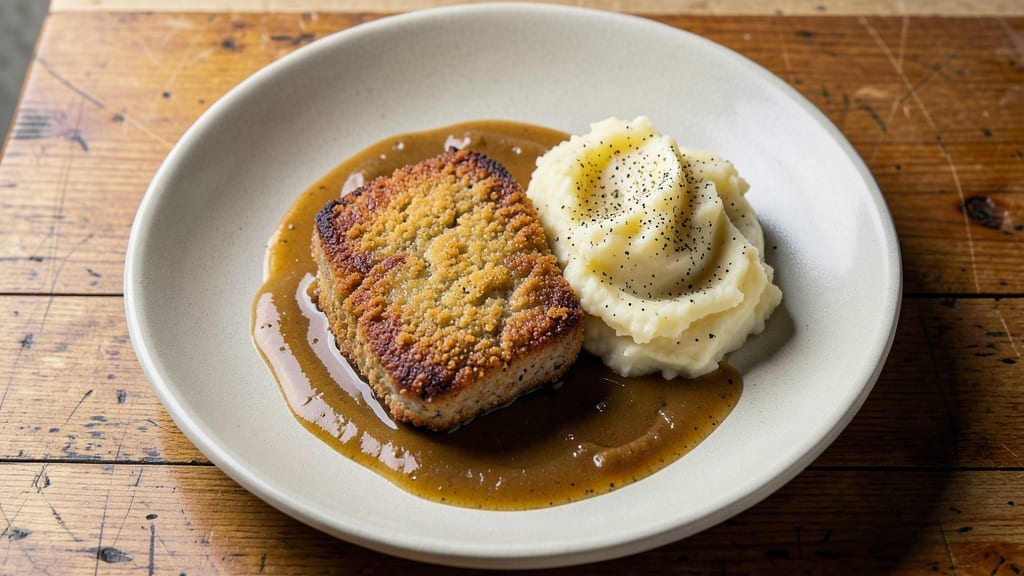
Alton Brown's chicken fried steak recipe delivers that restaurant-quality comfort we all crave, with a crispy, buttery crust and velvety gravy that makes every bite feel like home. Growing up in small-town Georgia, I learned that this dish transforms simple ingredients into something extraordinary—just like my grandmother used to make.
The secret lies in Alton's double-dredging technique, which creates that signature golden, shatteringly crisp coating that holds up to the rich gravy.
What sets this recipe apart is the precision in technique—starting with tenderized cube steak, then a foolproof breading process that ensures maximum crispiness without sogginess. The gravy, made from the same pan drippings, ties everything together with its perfectly thick, velvety consistency.
This isn't just a recipe; it's a method that delivers professional results in your own kitchen, every time.
The moment you cut into that crispy crust and watch the tender steak inside glaze with the buttery gravy, you'll understand why this dish is a Southern classic. It's the kind of meal that feels like a hug—comforting, satisfying, and impossible to resist.
Pair it with creamy mashed potatoes and buttery green beans for the full experience.
Whether you're serving a family dinner or hosting a gathering, this recipe scales beautifully while maintaining its restaurant-quality charm. The techniques are straightforward once you know the secrets, and the payoff is worth every minute of effort. Let's get started on creating this timeless comfort dish.
Ingredients for alton brown chicken fried steak
Simple pantry staples and Alton's precise technique create restaurant-quality comfort food.
| Ingredient | Amount | Notes |
|---|---|---|
| Cube Steak 🥩 | 1 ½ lb | Tenderized to 1/4-inch thickness |
| All-Purpose Flour 🌾 | 2 cups | White gold standard for breading |
| Cornstarch 🌾 | ¼ cup | Alton's secret crispiness booster |
| Diamond Crystal Kosher Salt 🧂 | 1 tbsp | Coarse grain preferred |
| Black Peppercorns 🌶️ | ½ tsp | Freshly cracked for intensity |
| Garlic Powder 🧄 | 1 tbsp | Not garlic salt |
| Onion Powder 🧅 | 1 tbsp | For depth of flavor |
| Paprika 🌶️ | 1 tsp | Smoked variety preferred |
| Unsalted Butter 🧈 | ½ cup | Cold, cubed for frying |
| Vegetable Oil 🫒 | 2 cups | High smoke point preferred |
| Whole Milk 🥛 | ½ cup | Full-fat for gravy richness |
| Beef Broth 🍲 | 1 cup | Homemade or high-quality |
| All-Purpose Flour 🌾 | ¼ cup | For gravy thickening |
| Fresh Parsley 🌿 | ⅛ cup | Chopped for garnish |
The cube steak is non-negotiable—it must be tenderized to 1/4-inch thickness for even cooking. Butcher shops often cut this specifically, but if you're buying whole, ask for it labeled. For the flour blend, Diamond Crystal kosher salt is essential—it dissolves better than table salt and enhances flavor. The secret ingredient here is cornstarch, which creates that signature crispiness without burning. I prefer Bob's Red Mill for my cornstarch because it's consistently fine and reliable. Store your flour blend in an airtight container to maintain freshness, and pre-mix it to save time during cooking.
No cube steak? Flank steak or skirt steak can work in a pinch, but pound it to 1/4-inch thickness first. For the flour blend, arrowroot powder can replace cornstarch at the same ratio, though it won't be quite as crispy. If you're out of smoked paprika, regular paprika plus a pinch of liquid smoke gets you close. The gravy can be made ahead and reheated—just add a splash of milk to thin it out. For extra richness, substitute half the milk with heavy cream. Always use full-fat milk and butter for the best results; reduced-fat versions won't give you that velvety texture.
Prep the steak and flour blend up to 2 days ahead—they keep well in the fridge. The fried steaks are best served immediately, but you can reheat them in a 350°F oven for 10-15 minutes to restore crispiness. The gravy can be made 1 day ahead and reheated gently on the stove, stirring constantly to prevent lumps. For a crowd, double the recipe—just ensure your skillet is large enough to fry all the steaks at once without overcrowding. Leftovers keep for 3-4 days in the fridge, though they're rarely that lucky in my house.
Why You'll Love This Recipe
- No-Fuss Prep Work: I swear by the cube steak—it’s already thin, so no tenderizing or pounding required. Just pat it dry, slap on that flour-cornstarch mix (the secret’s in the ratio, trust me), and you’re halfway there.
- Crispy-Creamy Magic: That double-dusting with flour and cornstash? Pure genius. The crust shatters like a dream, while the inside stays juicy—no dry, sad steak here. (Yes, even on a Tuesday night.)
- Weeknight to Dinner Party: Same recipe, different vibes. Toss it on a plate with mashed potatoes and gravy for a lazy night in, or dress it up with roasted veggies and a crisp white wine for guests. It handles both like a champ.
- Budget Win: Cube steak’s cheaper than a full cut, and this recipe stretches it far. Leftovers? Even better—they reheat like a dream, and the crust stays intact. My wallet and my family thank me.
Step-by-step instructions for Alton brown's chicken fried steak
Here's the method that delivers restaurant-quality comfort food with a golden, buttery crust every time.
Prepare the Breading Station
In a large bowl, combine the 2 cups all-purpose flour, 0.25 cup cornstarch, 1 tablespoon diamond crystal kosher salt, 0.5 teaspoon freshly cracked black peppercorns, 1 tablespoon garlic powder, 1 tablespoon onion powder, and 1 teaspoon smoked paprika. Whisk vigorously with a wire whisk until the mixture is completely homogeneous and no dry spots remain.
This flour blend creates the signature crispy crust while maintaining tenderness inside. The cornstarch acts as a secret crispiness booster, while the smoked paprika adds subtle depth that elevates the dish beyond basic fried steak. Keep this mixture ready in your workstation - you'll use it immediately after tenderizing the meat.
Tenderize and Bread the Cube Steak
Place the 1.5 lb cube steak between two sheets of plastic wrap. Using a meat mallet, pound the steak to an even ¼-inch thickness throughout. This ensures even cooking and prevents the center from remaining tough. Wipe away any excess moisture with paper towels - this helps the breading adhere properly.
Working quickly, dredge each side of the pounded steak thoroughly in the flour mixture, pressing gently to ensure complete coverage. The breading should adhere firmly but not form clumps. Place the breaded steak on a wire rack set over a baking sheet to allow air circulation on all sides. This prevents soggy breading and ensures maximum crispiness when frying.
Fry to Golden Perfection
In a heavy skillet, heat 2 cups vegetable oil to 350°F using a deep-fry thermometer. The oil should be hot enough to maintain this temperature consistently - if it drops below 340°F, your steak will absorb oil instead of developing a crisp crust. Carefully lower the breaded steak into the hot oil and fry for 3-4 minutes per side until golden brown.
Here's the critical moment: you'll know it's ready when the breading turns a deep golden color and releases easily from the pan. If it browns too quickly, reduce the heat slightly to prevent burning. Transfer the fried steak to a wire rack to drain excess oil. The internal temperature should reach 160°F - use an instant-read thermometer to verify doneness.
Prepare the Creamy Gravy
Reduce the heat under the skillet to medium-low and add the 0.5 cup cold unsalted butter, allowing it to melt completely. Gradually whisk in the 0.5 cup whole milk and 1 cup beef broth, scraping up any browned bits from the bottom of the pan. These flavorful bits, known as fond, are essential for creating depth in the gravy.
In a small bowl, whisk together 0.25 cup all-purpose flour with 2 tablespoons cold water to form a smooth paste. Slowly pour this mixture into the skillet while whisking constantly. The gravy should begin to thicken immediately. Continue cooking for 3-4 minutes until it reaches a smooth, velvety consistency that coats the back of a spoon.
Assemble and Garnish
Return the fried steak to the skillet and spoon the creamy gravy generously over the top, ensuring it coats all sides. Let it rest for 2-3 minutes to allow the flavors to meld together. The combination of crispy breading and rich gravy creates the ultimate comfort food experience.
To serve, transfer the steak to a warm plate and garnish with 0.125 cup finely chopped fresh parsley. The parsley not only adds visual contrast but also provides a fresh finish that cuts through the richness. Serve immediately with mashed potatoes or buttered noodles to complete this classic Southern dish.
Pro Tips For Making Alton Brown Chicken Fried Steak
- Pound Flat First: Alton’s recipe calls for cube steak, but if yours isn’t uniformly thin, flatten it to ¼-inch thickness with a meat mallet. I learned this the hard way—uneven thickness means some parts overcook while others stay raw. (Yes, even if you’re impatient like me.)
- Mix Flour and Cornstarch: Skip the separate dredging—whisk 1 cup flour + 2 tablespoons cornstarch together first. The cornstarch makes the crust crispier, but clumping is a nightmare if you try to add it mid-dredge. I now measure it out in a bowl and shake the steak right in there.
- Salt the Flour, Not Just Meat: The recipe says to season the meat, but salt the flour mix too—about 1 teaspoon kosher salt per cup. I used to skip this, and the crust tasted bland. (Your future self will notice the difference.)
- Fry in Small Batches: Crowding the pan drops the oil temp, leading to greasy, soggy steaks. Cook 2 at a time max in ¼-inch of oil at 350°F—this keeps the heat steady and the crust golden. I now use a timer to avoid overfilling the pan.
Regional styles of these flavors
Southern Classic Roots
This dish traces back to early 19th-century American taverns, where it was born as a way to stretch beef by breading and frying tough cuts. My grandmother in Georgia always called it "poor man's steakhouse" - a clever way to make affordable cuts taste luxurious.
The double-dredging technique actually originated in French cuisine but was perfected in Southern kitchens where butter and flour were staples. 🥩
Texas Twist
In Texas, they take it up a notch by using a thicker cut of steak (often called "steak sandwich meat") and adding a layer of cornmeal to the breading for extra crunch.
I've seen Texas versions where they even wrap the breaded steak in bacon before frying - the smoky-sweet contrast is incredible. The gravy there tends to be slightly thinner, almost like a light sauce rather than a thick blanket.
Midwest Homestyle
The Midwest version keeps things simpler but richer - often using a thicker gravy made with cream instead of milk, and sometimes adding a touch of Worcestershire sauce.
I remember my first visit to an Iowa diner where they served it with a side of buttered corn and a dollop of applesauce - the sweet-tangy contrast with the savory steak was genius. Their breading often includes a pinch of nutmeg for warmth.
Modern Fusion
Chefs today are putting creative spins on this classic. I've seen versions with panko breadcrumbs for extra crunch, or even a layer of crushed potato chips in the breading. Some upscale restaurants use truffle oil in the gravy or add a touch of brandy for depth.
The key is maintaining that perfect balance between crispy exterior and tender interior - no matter how you adapt it.
Charleston Adaptation
In Charleston, where I apprenticed, they often serve it with she-crab soup as a starter - the briny sweetness of the soup cuts through the richness beautifully. The local version sometimes includes a touch of cayenne in the breading and finishes with a sprinkle of microgreens instead of parsley.
The gravy here is always made with homemade chicken stock rather than beef, creating a lighter but still rich sauce.
Nutrition facts
Frequently asked questions
Why does Alton Brown's recipe use cornstarch in the breading?
The cornstarch creates that signature shatteringly crisp crust while preventing the breading from becoming greasy. Unlike flour alone, it forms a lighter, drier coating that browns beautifully without turning soggy. This is especially important for maintaining the perfect texture contrast between the crisp exterior and tender interior.
Can I make this recipe without a deep-fry thermometer?
Yes, but with caution. Heat your oil until it shimmers and a small piece of bread sizzles and turns golden in 30-45 seconds. The oil should be hot enough to maintain 350°F but not smoking. Test with a wooden chopstick - if bubbles form around it immediately, it's ready. Too-cool oil makes greasy steak; too-hot oil burns the breading.
What's the best way to keep the breading crispy when serving?
Serve immediately after frying for maximum crunch. If reheating, place the steak on a wire rack in a 350°F oven for 10-15 minutes - this allows hot air to circulate and restore crispness. Never microwave, as it steams the breading and makes it soggy. For leftovers, store with parchment between pieces to prevent sticking.
How do I fix gravy that's too thick or too thin?
For thin gravy, whisk in 1 tablespoon cold water or milk at a time until smooth. For thick gravy, mix 1 teaspoon flour with 1 tablespoon cold water, then stir into the gravy. Simmer for 1-2 minutes until thickened. The key is to temper the flour with cold liquid first to prevent lumps.
Can I use ground beef instead of cube steak?
Not recommended for this recipe. Ground beef lacks the proper texture and structure needed for the crispy breading. If you must substitute, use thinly sliced flank steak pounded to 1/8-inch thickness. The leaner cuts work better because they brown faster and don't make the breading soggy from excess fat.