
Main Courses
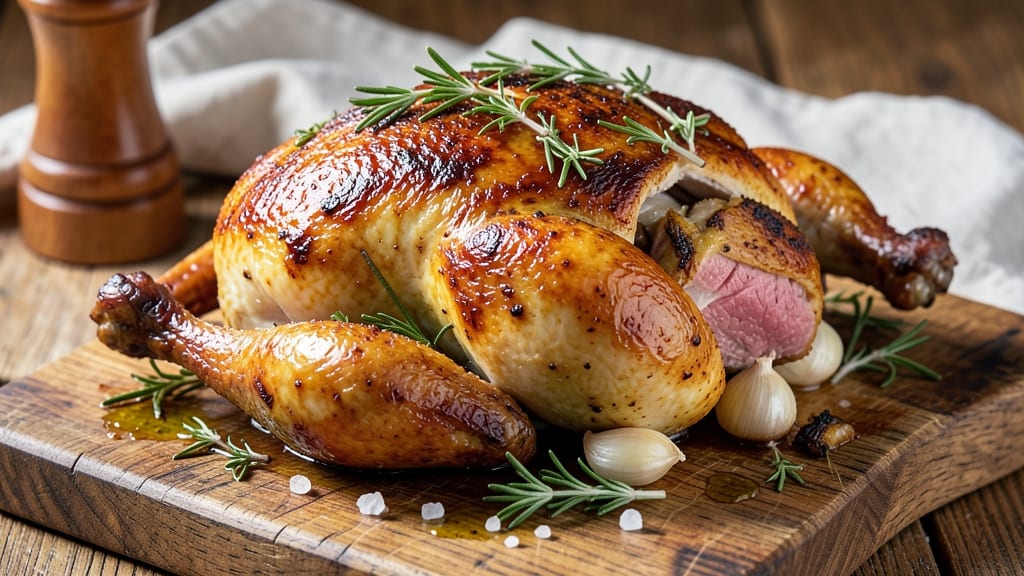
Anthony Bourdain's roast chicken recipe delivers the kind of restaurant-quality results that make weeknight dinners feel like an adventure. The secret lies in his signature high-heat sear and aromatic herb crust that transforms ordinary chicken into something extraordinary. I've adapted his techniques to work in any home kitchen—no fancy equipment required, just patience and attention to detail.
What sets this recipe apart is Bourdain's approach to balancing crispy skin with juicy meat—a technique he perfected through years of cooking in some of the world's best kitchens.
The chicken roasts slowly at a controlled temperature, allowing the skin to render into golden perfection while the meat stays tender and flavorful. This isn't just a recipe; it's a lesson in how simple ingredients can create something truly memorable.
By the time you pull this chicken from the oven, you'll have a bird with skin so crisp it practically shatters, and meat so juicy it falls off the bone. The aromatics—garlic, thyme, and rosemary—infuse every bite with layers of flavor that build with each forkful.
The pan juices alone are worth the effort, making this a complete meal when paired with simple roasted vegetables.
This method works equally well for special occasions or lazy Sundays—proof that you don't need a Michelin-starred kitchen to cook like Bourdain. The key is in the technique, not the ingredients. Let's get started on creating your perfect roast chicken.
Ingredients for anthony bourdain roast chicken
Simple ingredients, Michelin-level technique—this is Bourdain's secret to restaurant-worthy roast chicken.
| Ingredient | Amount | Notes |
|---|---|---|
| Whole Chicken 🍗 | 4 lb | Fresh, preferably organic, skin-on |
| Extra-Virgin Olive Oil 🫒 | ½ cup | High-quality, fruity variety |
| Kosher Salt 🧂 | 1 ½ tbsp | Diamond Crystal preferred |
| Fresh Thyme 🌿 | ¼ cup | Stems removed, loosely packed |
| Fresh Rosemary 🌿 | ¼ cup | Fronds finely chopped |
| Garlic Cloves 🧄 | 6 cloves | Peeled, smashed lightly |
| Black Peppercorns 🌶️ | 1 tbsp | Freshly cracked |
| Fresh Lemon 🍋 | 1 whole | Zest only, seeds removed |
| Unsalted Butter 🧈 | ½ cup | Cold, cubed |
| Fresh Parsley 🌿 | ⅛ cup | Chopped, for garnish |
| Vegetable Oil 🫒 | ¼ cup | For high-heat searing |
The chicken is the foundation, so source a well-marbled, fresh bird—look for vibrant color and firm texture at specialty butchers like D'Artagnan or your local grocer's high-end section. A 4-pound bird yields perfect portions for four, but adjust if needed. The herbs? Fresh is non-negotiable—dried will never deliver the same aromatic punch. Thyme and rosemary should smell vibrant; if they're faint, toss them. For the olive oil, avoid cheap supermarket brands—look for Italian or Spanish varieties with high acidity levels (6% or more). The lemon zest adds brightness, so use a Microplane for maximum yield without bitterness.
No fresh herbs? Dried thyme and rosemary at one-third the amount will work, but the flavor profile shifts dramatically. Substitute lemon juice (2 tbsp) + zest from 1 extra lemon if you're out of zest. For the butter, European-style (like Plugrá) has higher fat content, which improves crispness. The vegetable oil is critical for the initial sear—avoid olive oil here as it has a lower smoke point. If you're using a cast-iron skillet, preheat it over medium-high heat for 5 minutes to ensure proper browning. The kosher salt is essential for seasoning the cavity—Diamond Crystal is preferred as it dissolves more easily than Morton's.
Store any unused herbs in airtight containers in the fridge for up to 5 days, or freeze them in oil for longer storage. The chicken can be prepped a day ahead—keep it uncovered in the fridge to dry the skin properly for maximum crispness. The pan juices are liquid gold—strain and reduce them for a quick pan sauce using a splash of chicken broth. Leftovers keep for 3 days in the fridge, but reheat gently to avoid drying out the meat. For extra crispiness, broil for 2-3 minutes before serving.
Why You'll Love This Recipe
- No-Fuss Prep: I swear by this method—just a few slashes, a drizzle of olive oil, and a sprinkle of salt. No fancy marinades, no stressing over herbs tied in knots. The chicken practically cooks itself while you sip wine and pretend you’re in a Parisian bistro.
- Herb-Crusted Magic: That crispy skin? Pure gold. The rosemary and thyme cling to every bite, releasing their piney, earthy notes with every forkful. Honestly, I’ve tried store-bought seasonings, but fresh herbs here make all the difference—like the difference between a postcard and the actual view.
- Weeknight to Weekend: This chicken works for everything: a lazy Tuesday dinner, a dinner party when your friend cancels last minute, or a Sunday meal that feels special without the fuss. Leftovers? Even better—shred it for sandwiches or toss it into a salad the next day.
- Budget-Friendly Feast: A whole chicken is cheaper than takeout for four, and this method uses just enough oil and herbs to feel indulgent without breaking the bank. Plus, the leftovers stretch into lunches, so you’re basically getting two meals for the price of one. (Yes, even on a Tuesday night.)
Step-by-step instructions for anthony Bourdain's roast chicken
Master Bourdain's signature technique for a chicken with restaurant-quality crisp skin and juicy meat.
Prepare the Chicken with Precision
Remove the whole chicken from its packaging and place it breast-side up on a clean cutting board. Pat the skin completely dry with paper towels—this is non-negotiable for crispy skin. I press firmly, especially under the wings and in the cavity where moisture tends to hide. The drier the skin, the better it will brown and crisp.
In a small bowl, combine the 0.5 cup extra-virgin olive oil, 1.5 tbsp kosher salt, 0.25 cup fresh thyme, 0.25 cup fresh rosemary, 6 cloves garlic cloves (lightly smashed), and 1 tbsp black peppercorns. Rub this mixture generously all over the chicken, including inside the cavity. The herbs should cling to the skin rather than just sit on top. Let the chicken sit uncovered in the refrigerator for at least 1 hour—this allows the salt to penetrate and the skin to dry further, setting the stage for perfect browning.
Sear for Maximum Crisp and Flavor
Preheat your oven to 425°F. While the oven heats, place a large oven-safe skillet over medium-high heat and add 0.25 cup vegetable oil. Once the oil is shimmering but not smoking, carefully place the chicken in the skillet, skin-side down. Let it sear undisturbed for 10-12 minutes until the skin is deeply golden brown and crispy in spots. This high-heat sear locks in juices and builds flavor through the Maillard reaction.
Here's the thing—don't rush this step. You'll know it's ready when the skin releases easily from the pan in a few spots and the fat underneath sizzles vigorously. If it sticks, you're not ready to flip. Once the skin is set, carefully flip the chicken and sear the other side for another 8-10 minutes until equally golden. The goal is to create that signature crisp bark while keeping the meat juicy.
Roast to Juicy Perfection
Transfer the seared chicken to a roasting pan, placing it breast-side up. This position allows the breast meat to cook gently while the back remains exposed to the heat. Tuck the wings under the body to prevent overcooking. Roast in the preheated oven for 45-50 minutes, until the internal temperature reaches 165°F when measured in the thickest part of the thigh (not touching bone).
Bourdain's method relies on high initial heat followed by gentle roasting. The sear creates the crisp skin, while the oven finishes the cooking without drying out the meat. I check for doneness by looking for clear juices when I pierce the thigh with a meat thermometer. The skin should be golden brown and crisp, while the meat remains tender and moist. If the skin starts to darken too quickly, tent it loosely with foil to prevent over-browning.
Rest and Garnish for Presentation
Remove the chicken from the oven and transfer it to a cutting board. Let it rest for 15-20 minutes before carving—this is crucial for juicy slices. During this time, the juices redistribute throughout the meat instead of pooling in the center. I like to tent the chicken loosely with foil to keep it warm while it rests.
While the chicken rests, zest the 1 whole fresh lemon (removing any seeds) and chop the 0.125 cup fresh parsley. Cut the 0.5 cup unsalted butter into small cubes. After resting, place the chicken on a serving platter, drizzle with the lemon zest and parsley, and dot the top with the butter cubes. The butter will melt slightly, adding richness and moisture to the crisp skin. Serve immediately with pan juices spooned over the top—these are packed with flavor from the searing process.
Carve and Serve with Confidence
Use a sharp carving knife to slice the chicken into serving pieces. Start by removing the legs and thighs, then cut the breast meat against the grain into even slices. The skin should peel away cleanly, revealing tender, juicy meat underneath. Each bite should deliver that perfect balance of crispy skin, herby aroma, and succulent flesh—just as Bourdain would serve it.
This method delivers a chicken that's crisp on the outside, juicy on the inside, and infused with bold herb flavors. The key is patience—don't rush the searing or resting steps. Serve with simple sides like roasted vegetables or a fresh salad to let the chicken shine as the star of the meal.
Pro Tips For Making Anthony Bourdain Roast Chicken
- CRANK THE HEAT HIGH: Start your chicken skin-side down on a screaming-hot pan—no need to wait for it to warm up. Bourdain’s method relies on that initial sear to render fat fast and lock in flavor, so don’t be shy with the heat. (Yes, even if your kitchen gets smoky for 30 seconds.)
- SALT THE CHICKEN 24 HOURS EARLY: Skip the last-minute salting—this isn’t a rushed weeknight hack. Generously coat the chicken inside and out with kosher salt a day ahead; it seasons deeper and keeps the meat juicy. I learned this the hard way when my first attempt turned out bland, despite following the recipe.
- STOP POKING THE CHICKEN: Resist the urge to check doneness with a fork—every stab releases juices, turning your crispy skin into sad, soggy paper. Use a meat thermometer (165°F in the thickest part of the thigh) instead. Trust the process; your chicken’s not going anywhere.
- USE A MIX OF FRESH AND DRIED HERBS: Fresh thyme and rosemary are non-negotiable, but toss in a sprig of dried oregano or a bay leaf under the skin for extra depth. It’s a shortcut that makes a real difference—no one will taste the difference, but your dish will feel more layered. (I was skeptical until I tried it.)
Essential equipment for anthony bourdain roast chicken
Oven-Safe Skillet
Bourdain's method relies on a large oven-safe skillet like the All-Clad Stainless Steel or Le Creuset Stoneware—both handle high heat and transition seamlessly from stovetop to oven. I use my 12-inch Lodge cast iron for its even heat distribution and durability.
The skillet must be oven-safe up to 500°F to ensure proper browning. If you don't have one, a heavy-duty stainless steel pan works too, but avoid nonstick—it can't withstand the high heat needed for that signature crisp. 🔥
Meat Thermometer
A digital instant-read thermometer is non-negotiable for perfect results. I swear by the ThermoWorks Smoke—it's fast, accurate, and built to last. The probe must reach the thickest part of the thigh (avoiding bone) to check for 165°F internal temperature.
Bourdain always emphasized precision in cooking, and this tool ensures you don't overcook the meat. A cheap dial thermometer won't cut it here—opt for something reliable like the Meater or Thermoworks Thermapen.
Sharp Carving Knife
For clean slices that look restaurant-worthy, invest in a sharp 8-inch carving knife like the Wüsthof Classic or Shun Premier. A dull knife crushes the meat and makes uneven cuts. I also keep a small boning knife handy for trimming excess fat or skin.
The key is to cut against the grain for tender bites. If your knife isn't sharp enough, hone it with a Whetstone before carving—it makes all the difference in presentation and texture. ✨
Cast Iron or Heavy Pan
If you're not using an oven-safe skillet, a cast iron Dutch oven or heavy stainless steel pan works for the initial sear. My Lodge 12-inch cast iron is my go-to because it retains heat exceptionally well. Preheat it over medium-high heat for 5 minutes before adding oil—this ensures even browning.
Avoid thin, lightweight pans that can't handle the high heat required for crispy skin. The extra weight helps distribute heat evenly, just like Bourdain would want. 💪
Butter Knife or Offset Spatula
A butter knife or offset spatula is essential for flipping the chicken without losing that precious sear. I prefer a sturdy offset spatula like the OXO Good Grips because it gives me better control. When flipping, work quickly but carefully—you only get one chance to lock in that crisp skin.
Bourdain always said, "Patience is key, but so is timing." A good spatula helps you nail that timing every time. 🍴
Roasting Pan with Rack
After searing, transfer the chicken to a roasting pan with a rack (like the Nordic Ware Natural Aluminum) to ensure even air circulation. This prevents the chicken from steaming in its own juices, which is crucial for crisp skin.
If you don't have a rack, crumple a piece of heavy-duty aluminum foil into one and place it in the pan. The rack elevates the chicken, allowing heat to circulate underneath for even cooking. This step is often overlooked but makes a huge difference in texture. 🌡️
Nutrition facts
Frequently asked questions
Why does Bourdain's method require drying the chicken skin so thoroughly?
Drying the skin completely is the secret to that signature crisp texture Bourdain loved. When skin is dry, it browns more evenly and develops a satisfying crunch through the Maillard reaction. Wet skin steams instead of crisping, resulting in soggy skin. The 1-hour refrigeration after seasoning helps draw out moisture for maximum crispiness. Think of it like making perfect French fries—dry equals crispy!
Can I use bone-in or boneless chicken thighs for this recipe?
This recipe is specifically designed for a whole chicken, but you can adapt it for bone-in thighs by adjusting the cooking time. Bone-in thighs will take 30-40 minutes at 425°F until they reach 165°F internally. For boneless thighs, reduce time to 20-25 minutes. The key is maintaining that high-heat sear first—just skip the roasting pan step and finish in a skillet. The herb crust will still deliver amazing flavor!
What's the best way to use the pan juices?
Those golden pan juices are liquid flavor gold! After removing the chicken, pour the juices into a small saucepan and simmer over medium heat for 3-5 minutes to reduce slightly. Stir in 1 tbsp butter and a splash of chicken broth to create a quick pan sauce. Drizzle over the chicken or use as a gravy base. For extra richness, whisk in 1 tsp Dijon mustard or a pinch of thyme. Bourdain would always say, \"Nothing should go to waste in the kitchen!\"
How do I fix overcooked chicken that's too dry?
If your chicken turns out dry, don't panic! Shred the meat and mix it with 2 tbsp pan juices, 1 tbsp butter, and a splash of chicken broth. Return to a 350°F oven for 10 minutes to rehydrate. For serving, create a quick sauce with the pan drippings, a splash of lemon juice, and a touch of honey to balance flavors. The crisp skin can still be served as-is—just focus on the juicy meat. Prevention tip: Always use a meat thermometer and remove chicken at 160°F if you prefer slightly underdone meat.
Can I make this ahead of time for a dinner party?
Prep the chicken completely (season, sear, and roast) up to 2 days ahead, then refrigerate uncovered to dry the skin further. Reheat at 350°F for 20-25 minutes until the skin is crisp again. For best results, reheat in a skillet over medium heat to restore that golden crust. The flavors actually deepen overnight. Just avoid reheating in the microwave—it'll turn the skin rubbery. Bourdain always believed in proper technique, even for leftovers!