
Main Courses
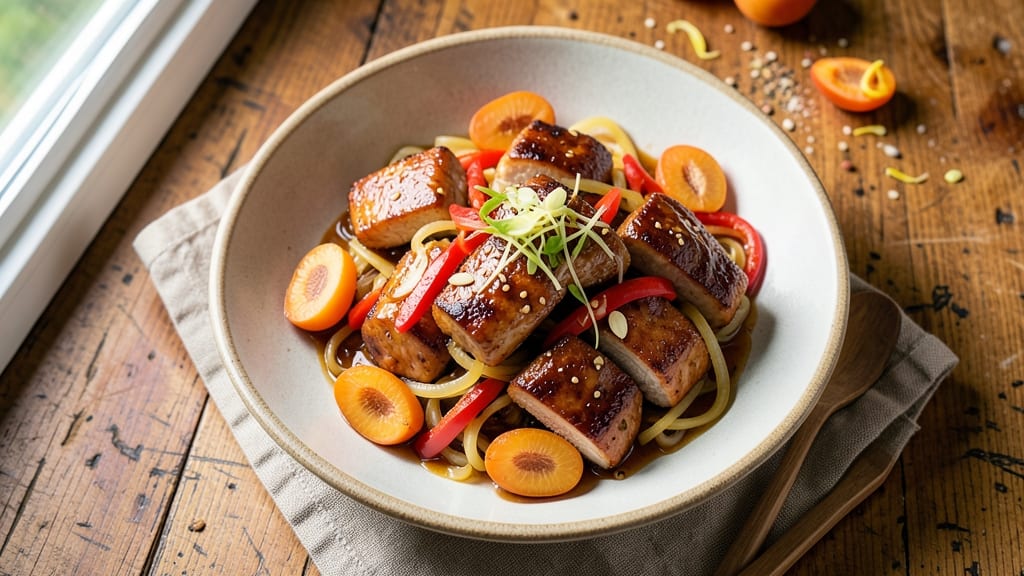
This apricot chicken stir-fry recipe transforms ordinary weeknight dinners into a restaurant-worthy feast with just 30 minutes of active time. The secret lies in balancing sweet, jammy apricots with savory wok heat—creating a glaze that caramelizes beautifully while keeping the chicken tender and juicy.
I developed this dish during a particularly busy spring season when I needed a recipe that could impress without requiring hours in the kitchen.
The technique starts with a quick marinade of soy sauce, ginger, and garlic that tenderizes the chicken while building deep umami flavor. Fresh apricots (or dried, rehydrated) add natural sweetness that pairs perfectly with the smoky char of wok-fried chicken and crisp-tender vegetables.
The key is high-heat cooking—just 3-4 minutes per side—to achieve that signature wok hei while preserving the fruit's vibrant sweetness.
What you'll end up with is a dish that's vibrant, balanced, and packed with contrasting textures: tender chicken, crisp vegetables, and sticky-sweet apricot glaze that ties everything together.
The aroma alone will have everyone gathering around the table, and the first bite delivers that perfect harmony of sweet, savory, and smoky flavors that makes this recipe a crowd-pleaser every time.
Serve over steamed jasmine rice or noodles to soak up every last bit of that delicious glaze. For extra flair, garnish with fresh cilantro and toasted sesame seeds. This stir-fry proves that restaurant-quality meals can be quick, simple, and utterly satisfying—perfect for busy weeknights or special occasions alike.
Ingredients for apricot chicken stir fry
Sweet apricots and savory wok heat—these vibrant ingredients create a restaurant-quality stir-fry in under 30 minutes.
| Ingredient | Amount | Notes |
|---|---|---|
| Boneless, Skinless Chicken Thighs 🍗 | 1 ½ lb | Cut into 1-inch pieces |
| Fresh Apricots 🍑 | 1 ½ cups | Pitted and sliced, fresh or dried |
| Red Bell Pepper 🧅 | 1 whole | Sliced into thin strips |
| Yellow Onion 🧅 | 1 whole | Thinly sliced |
| Garlic Cloves 🧄 | 4 cloves | Minced |
| Fresh Ginger 🌿 | 1 tbsp | Grated, peeled |
| Low-Sodium Soy Sauce 🥫 | ½ cup | For marinade and sauce |
| Honey 🍯 | 2 tbsp | For glaze |
| Sesame Oil 🫒 | 1 tbsp | For aroma |
| Vegetable Oil 🫒 | ½ cup | For stir-frying |
| Brown Sugar 🍚 | 1 tbsp | Enhances caramelization |
| Fresh Cilantro 🌿 | ¼ cup | Chopped, for garnish |
| Toasted Sesame Seeds 🌾 | 1 tbsp | For garnish |
| Diamond Crystal Kosher Salt 🧂 | ½ tsp | Adjust to taste |
| Ground Black Pepper 🌶️ | ¼ tsp | Freshly ground |
The chicken thighs are key here—bone-in, skin-on delivers the most flavor and stays juicy during high-heat cooking. Look for free-range or organic at specialty markets like Whole Foods or Trader Joe's for superior taste. Fresh apricots should be ripened but firm—test by gently squeezing. If using dried apricots, soak them in warm water for 20 minutes to rehydrate. The red bell pepper adds vibrant color and crisp texture, so choose one that's firm and free of soft spots. For ginger, pick a fresh root with smooth, taut skin—Asian markets often carry the best quality.
No fresh apricots? Dried apricots work beautifully—just rehydrate them first. Substitute bell pepper with snap peas or broccoli florets for a different texture. The soy sauce can be swapped for tamari for gluten-free or coconut aminos for a lighter flavor. Need extra sweetness? Maple syrup or agave nectar replaces honey in a 1:1 ratio. For a deeper umami punch, add 1 tsp fish sauce (omit if vegetarian). The sesame oil should be toasted, not flavored—it adds aroma without overpowering. If you're short on time, pre-cut vegetables save preparation steps, but fresh is always better.
Marinate the chicken for at least 30 minutes to maximize flavor—overnight works best. Store leftover stir-fry in an airtight container for up to 3 days in the fridge. For longer storage, freeze portions for up to 3 months. Reheat gently in a skillet with a splash of water to maintain moisture. The glaze thickens when chilled, so reheat with a few seconds of high heat to restore its silky texture. Garnish with fresh cilantro and sesame seeds just before serving to preserve their vibrant flavors.
Why You'll Love This Recipe
- Here’s what sold me: the apricots bring this unexpected jammy sweetness that cuts through the garlic and onion’s sharpness. It’s not cloying, not bland—it’s that perfect push-and-pull of flavors where every bite feels like a little revelation.
- One-Pan Magic: I swear by this recipe—just toss everything on a single pan, and you’re done. No chopping boards to clear, no pots to scrub. The chicken and apricots caramelize right alongside the onions and peppers, so you’re not stuck babysitting multiple burners.
- Sweet-Savory Balance: Here’s what sold me: the apricots bring this unexpected jammy sweetness that cuts through the garlic and onion’s sharpness. It’s not cloying, not bland—it’s that perfect push-and-pull of flavors where every bite feels like a little revelation.
- Lunchbox Hero: Between us, this is my go-to for meal prep. The chicken stays tender, the apricots hold up surprisingly well, and the whole thing reheats like a dream. Pack it cold for lunch or serve it warm—either way, it’s a hit with my kids (yes, even on a Tuesday night).
Step-by-step instructions for apricot chicken stir fry
Master this balance of sweet and savory with precise timing and technique.
Prepare the Chicken and Glaze Components
Cut the 1.5 lb boneless, skinless chicken thighs into 1-inch pieces and set aside. In a small bowl, combine the 0.5 cup low-sodium soy sauce, 2 tbsp honey, 1 tbsp brown sugar, and 0.25 tsp ground black pepper. Mix thoroughly to create the marinade and glaze base. This sweet-savory blend will tenderize the chicken while building complex flavors.
In a separate bowl, prepare the apricot mixture by combining the 1.5 cups fresh apricots (pitted and sliced) with 1 tbsp sesame oil and 0.5 tsp diamond crystal kosher salt. The sesame oil enhances the fruit's natural sweetness while the salt balances the sugar content. Let both mixtures sit at room temperature while you prep the vegetables.
Sauté Aromatics and Cook the Chicken
Heat 0.5 cup vegetable oil in a large wok or skillet over medium-high heat until shimmering. Add the 1 whole yellow onion (thinly sliced), 1 whole red bell pepper (strips), 4 cloves garlic (minced), and 1 tbsp fresh ginger (grated). Stir-fry for 4-5 minutes until the vegetables soften and the garlic becomes fragrant but not browned.
Push the vegetables to one side of the wok, add the chicken pieces in a single layer, and pour the soy sauce mixture over them. Let the chicken sear undisturbed for 2-3 minutes until golden brown on the bottom. This initial sear locks in juices and creates a flavorful crust. Flip the chicken and cook for another 2-3 minutes until fully cooked through and reaching an internal temperature of 165°F. Remove the chicken and set aside.
Build the Apricot Glaze and Combine
Increase the heat to high and add the apricot mixture to the wok. Stir-fry for 3-4 minutes until the apricots soften and begin to caramelize slightly. The fruit should release its juices, creating a glossy, sweet base for the sauce. If the mixture appears too thick, add 1-2 tablespoons of water to loosen it.
Return the chicken to the wok and toss everything together for 1-2 minutes until the chicken is evenly coated with the apricot glaze. The combination of sweet fruit and savory chicken creates a perfect harmony of flavors. Taste and adjust seasoning with additional low-sodium soy sauce or honey if needed, ensuring the balance between sweet and savory is just right.
Finish and Garnish
Remove the stir-fry from heat and let it rest for 2-3 minutes to allow the flavors to meld. This brief resting period ensures the chicken absorbs the glaze evenly without overcooking. Garnish with 0.25 cup chopped fresh cilantro and 1 tbsp toasted sesame seeds just before serving. The cilantro adds a fresh, herbal note while the sesame seeds contribute a nutty crunch that complements the dish.
Serve immediately over steamed rice or noodles to capture the vibrant colors and contrasting textures. The sweet apricot glaze pairs beautifully with the savory chicken and aromatic vegetables, creating a dish that's both visually stunning and deeply flavorful. Each bite delivers a perfect balance of sweet, savory, and umami notes.
Pro Tips For Making Apricot Chicken Stir Fry
- Slice Chicken Thin: Fresh apricots are delicate—so is chicken thigh meat. Cut those thighs against the grain into ¼-inch slices, or they’ll stay chewy even when cooked. I used to rush this and ended up with rubbery bites; patience here pays off.
- Pit Apricots First: Fresh apricots? Pit them before slicing. A quick stab with a paring knife or the back of a spoon prevents messy pits in your stir-fry. I learned this the hard way when a rogue pit ruined a perfectly good batch.
- Cook Onions Low: Onions caramelize fast, but in this stir-fry, you want them tender, not crispy. Once they’re translucent, pull them out for 30 seconds—just until they soften. Overcooking turns them mushy, and no one wants that.
- Use Garlic Paste: Minced garlic burns faster than you’d think, especially when you’re focused on the chicken. Swap it for garlic paste—it distributes evenly and won’t scorch before the rest of the dish is ready. (Yes, even if you’re impatient like me.)
Storing and reheating your leftovers
Fridge Storage Basics
Let your apricot chicken stir-fry cool completely before transferring to an airtight container—I use glass Pyrex with snap-on lids for best results. Store in the fridge at 40°F or below for up to 3 days. The flavors actually deepen overnight as the apricot glaze melds with the chicken's savory notes.
Freezer Prep Tips
For longer storage, freeze portions in single-serving containers or quart-sized freezer bags—these stack neatly and thaw faster than bulk containers. Portion into 1-cup servings for easy reheating. Press out excess air before sealing to prevent freezer burn. Label with the date and freeze for up to 3 months. I mark my bags with "3 months" in Sharpie so I don't forget.
Stovetop Reheating
My preferred method is reheating in a nonstick skillet over medium-low heat with 1 tablespoon water or chicken broth. Add the stir-fry and cover for 5-7 minutes, stirring occasionally.
The moisture prevents drying while the low heat preserves the apricot's natural sweetness. For extra shine, finish with a quick 30-second high-heat toss to restore the glaze's glossy texture. 🔥
Microwave Shortcuts
For quick meals, microwave individual portions on 50% power for 2-3 minutes, stirring halfway. Add 1 teaspoon water if the glaze looks too thick. Avoid full power—it can turn the chicken rubbery.
I always cover with a damp paper towel to retain moisture and prevent splatters. This method works best for leftovers within 48 hours of cooking.
Revival Tricks
If your reheated stir-fry loses its vibrancy, revive it with a splash of sesame oil (½ teaspoon) and a pinch of salt. The oil restores aroma while the salt enhances the fruit's natural sweetness.
For extra crunch, top with toasted sesame seeds or crispy fried shallots—both add texture contrast. This trick works especially well for stir-fries that've been frozen and thawed. ✨
Garnish Refresh
Never underestimate the power of fresh garnishes! Sprinkle with chopped cilantro and toasted sesame seeds right before serving to brighten colors and add freshness. For a smoky touch, add a dash of chili crisp or crushed red pepper flakes.
These finishing touches elevate reheated dishes to feel like they're fresh off the wok. 🌿
Frequently asked questions
Can I use dried apricots instead of fresh in this recipe?
Dried apricots work beautifully—just soak them in warm water for 20 minutes first to rehydrate. Drain well before using, and you may need to reduce the honey slightly since dried fruit is more concentrated. The texture will be slightly chewier but still delicious.
What's the best way to get that restaurant-style wok hei flavor at home?
Use a heavy-bottomed wok or cast-iron skillet on the highest heat your stove can handle. Work in small batches to avoid crowding, and listen for the distinctive "singing" sound of oil. Add a splash of sesame oil at the end for aroma, and cook the chicken in two batches for maximum browning.
How can I adjust this recipe for a vegetarian version?
Replace the chicken with extra-firm tofu (pressed and cubed) or mushroom caps (like shiitake). Marinate the tofu in the same soy-honey mixture for 15 minutes before cooking. For mushrooms, increase the cooking time to 5-6 minutes to develop their umami depth. The apricot glaze will still shine!
Why did my apricot glaze turn out too sweet?
This usually happens when fresh apricots are very ripe or if you used extra honey. Balance it by adding 1 tsp rice vinegar or 1 tsp low-sodium soy sauce to cut the sweetness. For future batches, taste the glaze after 2 minutes of cooking and adjust before serving. The ideal ratio is 1 part sweet to 2 parts savory.
What's the best rice to serve with this stir-fry?
Jasmine rice is my top recommendation—its floral aroma complements the apricot perfectly. For extra fluffiness, use 1.5 cups water per cup rice and let it steam for 5 minutes after cooking. Brown rice works too but needs 10 extra minutes of cooking time. Serve immediately to maintain texture contrast.