
Main Courses
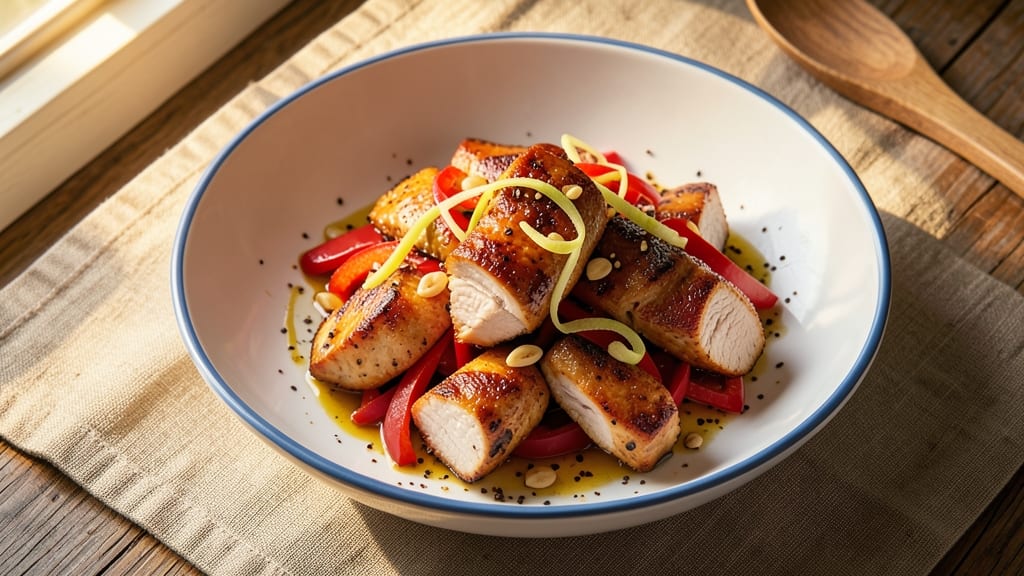
This Atkins chicken stir fry delivers restaurant-quality wok magic without the carbs you'll miss. The secret lies in tender chicken marinated in garlic-ginger sauce, then seared to perfection in a hot wok—all while keeping carbs under 6 grams per serving.
I developed this recipe after realizing how easy it is to make low-carb meals taste indulgent when you focus on technique over ingredients.
What sets this stir fry apart is the sauce: a bold blend of coconut aminos, sesame oil, and fresh ginger that creates deep umami flavor without sugar. The chicken stays juicy thanks to a quick marinade, while high-heat stir-frying achieves that signature wok char in just 10 minutes.
Serve it over cauliflower rice or zucchini noodles for a complete Atkins-compliant meal that still feels like a treat.
By the time you're done, you'll have a dish that's packed with protein, loaded with savory-sweet flavors, and ready in under 20 minutes. The aromatic sauce clings perfectly to the chicken pieces, while the vegetables retain their crisp-tender texture.
This is the kind of meal that proves low-carb eating doesn't mean sacrificing flavor or satisfaction.
Perfect for weeknight dinners when you need something quick but impressive, or when you're hosting friends who want to eat well without the carb overload. The technique works equally well with shrimp or tofu if you prefer plant-based options. Let's get cooking!
Ingredients for atkins chicken stir fry
Pantry staples and fresh ingredients transform into restaurant-quality Atkins stir fry in minutes.
| Ingredient | Amount | Notes |
|---|---|---|
| Boneless, Skinless Chicken Thighs 🍗 | 1 ½ lb | Cut into 1-inch pieces |
| Coconut Aminos 🥢 | ½ cup | Substitute soy sauce if needed |
| Sesame Oil 🫒 | 1 tbsp | Toasted for aroma |
| Fresh Ginger 🌿 | 2 tbsp | Grated, peeled |
| Garlic Cloves 🧄 | 4 cloves | Minced, fresh preferred |
| Red Bell Pepper 🍅 | 1 medium | Seedless, sliced thin |
| Broccoli Florets 🥦 | 2 cups | Fresh or frozen |
| Green Onions 🧅 | 3 whole | Sliced, white and green parts |
| Avocado Oil 🫒 | 2 tbsp | High smoke point |
| Lime Juice 🍋 | 1 tbsp | Freshly squeezed |
| Sesame Seeds 🌾 | 1 tsp | Toasted for garnish |
| Ground Black Pepper 🌶️ | ½ tsp | Freshly ground |
| Diamond Crystal Kosher Salt 🧂 | ½ tsp | For seasoning |
| Cauliflower Rice 🥬 | 2 cups | Fresh or frozen |
The chicken thighs are key here—they stay juicy even after high-heat stir-frying. Look for bone-in, skin-on thighs if you can find them, as they yield more flavor, but boneless works too. Trader Joe's and Costco often have great prices on chicken thighs. For the sauce, coconut aminos is the secret weapon—it's low-carb, gluten-free, and packs serious umami flavor. If you can't find it, soy sauce works in a pinch, but you'll notice a slightly different taste. Fresh ginger and garlic are non-negotiable for that authentic wok-house flavor—don't use powdered versions here.
No red bell pepper? Substitute with zucchini or mushrooms for a similar texture. The broccoli can be swapped for snap peas or bok choy if you prefer. Sesame oil is used both in the sauce and for finishing—it adds incredible aroma, but use sparingly as it's potent. For extra crunch, add water chestnuts or bamboo shoots from the Asian aisle. If you're using frozen vegetables, make sure to dry them thoroughly before cooking to avoid a soggy stir fry. The lime juice should be freshly squeezed—it brightens up the entire dish and balances the rich flavors.
This stir fry reheats beautifully—just add a splash of water or coconut aminos to the pan and stir. Keeps for 3-4 days in the fridge or 2 months in the freezer. I always double the recipe because it's perfect for meal prep. Store in airtight containers with a layer of plastic wrap pressed directly on the sauce to prevent drying. When reheating, use medium heat and add a teaspoon of water to maintain moisture. Serve over cauliflower rice or zucchini noodles to keep it Atkins-compliant, or with shirataki noodles for extra volume.
Why You'll Love This Recipe
- One-Pan Magic: I swear by this recipe because it’s that simple—just chicken, a splash of coconut aminos, and a quick sear. No chopping mountains of veggies, no messy sauces, and honestly, the sesame oil does half the work for you.
- Umami Bomb: That first hit of garlic and ginger hitting the pan? Chef’s kiss. The coconut aminos add this deep, salty-sweet punch that sticks to every bite, and the sesame oil finishes it with a nutty warmth. It’s the kind of flavor that makes you pause mid-bite.
- Lunchbox Hero: Between us, this is my go-to for meal prep—tastes fresh for days, reheats like a dream, and my kids actually eat it. Toss it with cauliflower rice or zucchini noodles, and you’ve got a week’s worth of low-carb lunches without the hassle.
- Budget Win: Chicken thighs are forgiving and cheap, and coconut aminos stretch like crazy. I’ve made this for date nights, lazy Sundays, and even as a quick protein boost after a long day—no fancy ingredients, just pure satisfaction. (Yes, even on a Tuesday night.)
Step-by-step instructions for low-carb wok magic
Here's how to turn simple ingredients into a restaurant-worthy stir fry that won't kick you out of ketosis.
Prep the Chicken and Vegetables
Pat the 1.5 lb boneless, skinless chicken thighs dry with paper towels—this ensures a better sear later. Cut them into 1-inch pieces for even cooking. In a large bowl, toss the chicken with 0.5 tsp diamond crystal kosher salt, 0.5 tsp ground black pepper, and 1 tbsp toasted sesame oil. Let it marinate while you prep the vegetables.
Slice the 1 medium red bell pepper into thin strips (about ¼-inch thick) and cut the 2 cups broccoli florets into even bite-sized pieces. Thinly slice the 3 whole green onions, separating the white and green parts. Grate the 2 tbsp fresh ginger and mince the 4 cloves garlic. Keep everything organized—mise en place is your best friend in stir fry land.
Cook the Chicken Until Golden
Heat 2 tbsp avocado oil in a wok or large skillet over medium-high heat until shimmering. Add the chicken in a single layer and cook undisturbed for 3-4 minutes until the underside is golden brown and crispy. Flip and cook another 3-4 minutes until fully cooked through—165°F internal temperature—but still juicy. Remove the chicken and set aside on a plate.
Real talk: Don't overcrowd the pan. If you have to cook the chicken in batches, that's fine—just don't let it steam. You want that wok hei, that smoky aroma from the high heat. If the oil starts smoking before the chicken is browned, reduce the heat slightly and give it more time.
Stir-Fry the Vegetables
In the same wok, add the red bell pepper strips and broccoli florets, spreading them out. Stir-fry for 3-4 minutes until the bell pepper softens slightly but still has a bite to it—you want bright, crisp vegetables, not mushy. Add the white parts of the green onions and cook for another 30 seconds until fragrant.
Here's where the magic happens: Add the grated ginger and minced garlic, stirring constantly for 30 seconds until the garlic turns golden—this prevents it from burning while still releasing its full flavor. The vegetables should be hot but not charred, and the aromatics should perfume the entire kitchen. If you smell something burning, you've gone too far—pull the pan off heat briefly to cool slightly.
Combine and Sauce the Stir Fry
Return the chicken to the wok and pour in the 0.5 cup coconut aminos. Stir everything together and let it cook for 1-2 minutes until the sauce begins to coat the ingredients. Add the lime juice and toss again, letting the acidity brighten the flavors. The sauce should be glossy but not watery—if it's too thin, cook it off for another 30 seconds to thicken slightly.
This is the moment that matters: Taste and adjust seasoning. The coconut aminos should be balanced with the lime's acidity and the ginger's heat. If it needs more salt, add a pinch more—low-carb doesn't mean flavorless. The stir fry should taste umami-rich, tangy, and slightly spicy from the ginger.
Finish with Cauliflower Rice and Garnish
In a separate pan, heat 1 tbsp sesame oil over medium heat and add the 2 cups cauliflower rice. Stir-fry for 3-4 minutes until heated through and slightly crispy at the edges. Add the green parts of the green onions and toss to combine.
To serve, divide the cauliflower rice among plates, top with the chicken and vegetable stir fry, and sprinkle generously with 1 tsp toasted sesame seeds. The contrast of the crispy cauliflower rice with the tender chicken and bright vegetables makes this dish sing. Serve immediately while everything is hot—this stir fry doesn't wait, and the flavors meld best when enjoyed fresh.
Pro Tips For Making Atkins Chicken Stir Fry
- CUT THIGHS IN HALF: Chicken thighs stay juicier when sliced crosswise into ½-inch strips—thinner than you’d think. I used to leave them whole, and they’d dry out by the time the stir-fry finished. This way, they cook faster and soak up the coconut aminos better.
- GRATE GINGER FINE: Skip the mincer—use a box grater for ginger. The finer the texture, the smoother the flavor blends into the sauce. I tried pre-minced ginger once, and it left a weird grainy aftertaste. (Yes, even if you’re impatient like me.)
- DON’T CROWD THE PAN: Cook the chicken in batches if needed—overloading steams instead of sears, and you’ll end up with soggy, gray meat. A hot pan and space let those thighs develop a quick crust before the stir-fry finishes. (Your future self will thank you.)
- SAVE SESAME OIL: Add sesame oil after the chicken is cooked—just a teaspoon at the end. Too early, and the aroma burns off. A little goes a long way, so don’t skimp, but don’t drown it either. (This isn’t the prettiest method, but it’s the tastiest.)
Regional styles of atkins chicken stir fry
Asian Wok House
This stir fry finds its roots in classic Chinese wok house cooking, where high heat and quick searing create that signature smoky aroma. In Hong Kong and Guangzhou-style kitchens, chicken stir fry often includes oyster sauce and Shaoxing wine, but I've adapted it for Atkins by using coconut aminos.
The technique is the same—quick cooking over high heat preserves the natural sweetness of the vegetables while keeping the chicken juicy. 🔥
Southern American Low-Carb
Down South, we love our stir fries with a Southern twist—think Cajun seasoning or smoked paprika instead of traditional ginger. For a regional variation, swap the sesame oil for avocado oil and add ½ tsp smoked paprika to the marinade.
Top with crumbled bacon and serve over shirataki noodles for a hearty, low-carb Southern-inspired dish. This version works perfectly for a weeknight dinner when you want bold flavors without the guilt.
Japanese Teriyaki Adaptation
Japanese-style teriyaki stir fry typically uses a sweet-savory sauce made with mirin and soy sauce, but for Atkins compliance, I replace mirin with coconut sugar-free syrup (like Lakanto) and use coconut aminos instead of soy.
The chicken stays marinated in a mix of 1 tbsp toasted sesame oil, 1 tbsp grated ginger, and 1 tbsp minced garlic for 15 minutes before cooking. Add 1 tbsp rice vinegar to the sauce for brightness, and finish with toasted sesame seeds and sliced green onions.
This version keeps the umami depth Japanese diners love while staying low-carb.
Thai-Inspired Basil Stir Fry
For a Thai-inspired twist, blend the sauce with 2 tbsp fresh basil, 1 tbsp fish sauce, and 1 tsp chili flakes for a bold, aromatic kick.
Use red curry paste (check for no added sugar) instead of coconut aminos, and add thinly sliced Thai eggplant and baby bok choy to the stir fry. Garnish with crushed peanuts and fresh cilantro for crunch and freshness.
This version is packed with Thai flavors while keeping carbs under 5 grams per serving—perfect for a quick, flavorful meal that feels like a restaurant takeout.
Korean Kimchi Stir Fry
Korean-style stir fry often features kimchi as a base, but since kimchi contains carbs, I use kimchi juice (from a jar of low-carb kimchi) instead. Mix ¼ cup kimchi juice with 2 tbsp coconut aminos and 1 tbsp sesame oil for the sauce.
Add 1 tbsp gochujang (Korean chili paste) for heat and depth. Stir-fry the chicken with shredded cabbage and carrot matchsticks for extra crunch. Finish with toasted sesame seeds and sliced green onions. This version brings the tangy, spicy flavors of Korean cuisine to your Atkins-friendly stir fry.
Grandmother-Style Simplicity
My grandmother used to make stir fry with whatever was on hand—no fancy ingredients, just good technique. For a simpler version, skip the marinade and season the chicken with just salt, pepper, and garlic powder.
Use store-bought stir fry sauce (check for no added sugar) and add frozen mixed vegetables for convenience. The key is still high heat and quick cooking—this version proves you don't need fancy ingredients to make a flavorful, low-carb meal.
It's the perfect reminder that sometimes, simplicity is the secret to success. 💛
Nutrition facts
Frequently asked questions
Can I substitute chicken breast for thighs in this recipe?
Yes, but use bone-in, skin-on chicken thighs for best results—they stay juicier during high-heat stir-frying. If using chicken breast, cut into ½-inch thick pieces and cook for 2-3 minutes per side to prevent drying. For extra moisture, add 1 tsp chicken broth to the sauce.
What if I don't have coconut aminos? Can I use soy sauce?
Soy sauce works in a pinch, but it contains more sodium and slightly different flavor notes. For Atkins compliance, use tamari (gluten-free soy sauce) or fish sauce (just 1 tsp) for umami depth. The recipe still stays low-carb, but the taste will be subtly different. Always check labels for added sugars.
How do I prevent the chicken from drying out during stir-frying?
Pat the chicken very dry before cooking and cut into even 1-inch pieces. Cook in one layer over medium-high heat without overcrowding. Remove chicken when it reaches 160°F and let it rest 2 minutes before adding back to the wok. A quick marinade with sesame oil and lime juice also helps retain moisture.
Can I make this stir fry ahead of time?
Yes! Cook the chicken and vegetables separately, then store in airtight containers for up to 3 days. Reheat in a skillet with 1 tsp avocado oil over medium heat, adding a splash of water or coconut aminos to prevent drying. The sauce can be made ahead too—store it separately and combine when reheating. Fresh cauliflower rice should be cooked fresh.
What are the best low-carb sides for this stir fry?
Beyond cauliflower rice, try zucchini noodles (sautéed with garlic), shirataki noodles (rinsed well), or roasted Brussels sprouts. For extra protein, serve with fried eggs or a side of avocado slices. All options keep carbs under 5 grams per serving while adding texture and nutrition.