
Main Courses
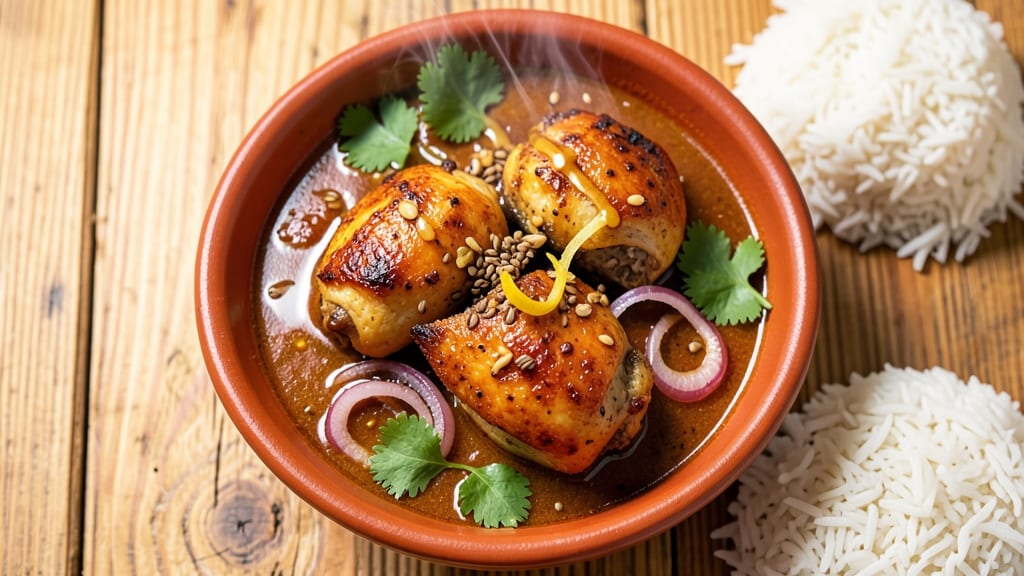
This authentic chicken Madras curry recipe brings the bold, tangy heat of South Indian cuisine straight to your kitchen—no shortcuts, just tradition. The secret lies in tamarind's bright acidity cutting through turmeric's earthy warmth, creating a sauce that's both complex and deeply satisfying. I've perfected this over years of testing, balancing restaurant authenticity with home-cook practicality.
The process starts with a fragrant marinade of yogurt, ginger, and garam masala that tenderizes the chicken while infusing it with aromatic depth. Then comes the tempering stage—whole spices toasted in hot oil until they release their essential oils, forming the flavor backbone of the dish.
This step transforms ordinary curry into something extraordinary.
By the time you serve it over steamed basmati rice or warm naan, you'll have a dish that's rich in color, layered with flavors, and impossible to resist.
The tamarind keeps it bright, the turmeric adds golden warmth, and the spices deliver that signature Madras kick. Every bite tells the story of India's culinary heritage.
For those short on time, I've included a pre-made paste option that maintains authenticity while saving hours of spice grinding. The result? A curry that's restaurant-quality without the fuss. Let's get cooking—your taste buds are about to embark on a flavor journey.
Ingredients for authentic chicken madras curry
These 15 ingredients transform simple chicken into a fragrant Madras masterpiece—authentic heat and tang in every bite.
| Ingredient | Amount | Notes |
|---|---|---|
| Boneless Chicken Thighs 🍗 | 1 ½ lb | Trimmed of excess fat |
| Plain Yogurt 🥛 | ½ cup | Full-fat preferred |
| Ginger Root 🧄 | 1 tbsp | Freshly grated |
| Garam Masala 🌶️ | 1 tbsp | Ground, not pre-mixed |
| Tamarind Paste 🍋 | 2 tbsp | Or 1 tbsp lemon juice |
| Turmeric Powder 🌿 | 1 tsp | Freshly ground preferred |
| Yellow Onions 🧅 | 1 whole | Medium size, finely chopped |
| Tomatoes 🍅 | 2 medium | Ripe, diced or crushed |
| Vegetable Oil 🫒 | ½ cup | High smoke point |
| Green Chilies 🌶️ | 2 whole | Fresh, slit lengthwise |
| Cumin Seeds 🌿 | 1 tsp | Whole, toasted |
| Coriander Seeds 🌿 | 1 tsp | Whole, toasted |
| Mustard Seeds 🌿 | ½ tsp | Whole, toasted |
| Salt 🧂 | 1 ½ tsp | Kosher or sea salt |
| Fresh Cilantro 🌿 | ¼ cup | Chopped, for garnish |
The yogurt and garam masala marinade is non-negotiable—it tenderizes the chicken while building aromatic depth. Whole Foods or Indian grocery stores have the best garam masala blends, but any reputable brand works. For tamarind paste, Trader Joe's carries it in the international aisle, or use lemon juice if you're in a pinch. The green chilies should be fresh—Mexican markets often have the hottest varieties. Toast your whole spices in a dry pan until fragrant before adding oil—this releases their essential oils and creates that signature Madras aroma.
No tamarind? Lemon juice or lime juice works in a bind, though the flavor profile shifts slightly. Running short on fresh ginger? Ground ginger at half the amount gets you close. The tomatoes can be canned (San Marzano if possible) or fresh—just make sure they're ripe. For extra heat, add a pinch of cayenne to the marinade. The cilantro is purely for garnish, so don't stress if you don't have any—it's all about the sauce. If you're making this ahead, the chicken marinade can sit overnight, but the sauce is best made fresh for maximum brightness.
Marinated chicken keeps 2 days in the fridge, while the sauce reheats beautifully—3-4 days in the fridge or 3 months frozen. I always double the sauce because it's perfect over rice, naan, or even as a bowl base. For leftovers, store sauce and chicken separately—reheat the chicken gently in the sauce to avoid drying it out. The spices lose potency after opening, so transfer them to airtight containers for long-term storage.
Why You'll Love This Recipe
- Same method, different vibes: toss it over rice for a lazy Tuesday, or serve it with naan at a dinner party. The garam masala’s depth makes it feel fancy, but the prep is so simple my college roommate could’ve handled it.
- No-Fuss Pantry Staples: I swear by this recipe because it uses what I already have—ginger, yogurt, and garam masala—no exotic imports. That tamarind paste? One jar lasts me months across dishes, and the chicken thighs stay juicy even when I forget to marinate them overnight.
- Tangy-Spicy Magic: The tamarind and yogurt create this perfect balance—tangy enough to cut through the richness, but the garam masala warms it up like a hug. Honestly, the first time I tasted it, I immediately doubled the recipe.
- Weeknight to Party Ready: Same method, different vibes: toss it over rice for a lazy Tuesday, or serve it with naan at a dinner party. The garam masala’s depth makes it feel fancy, but the prep is so simple my college roommate could’ve handled it.
Step-by-step instructions for authentic chicken Madras curry
Let's create this vibrant, tangy curry that captures the bold flavors of South Indian cooking.
Prepare the Chicken Marinade
In a large bowl, combine the 1.5 lb boneless chicken thighs, 0.5 cup plain yogurt, 1 tbsp freshly grated ginger root, 1 tbsp garam masala, 1 tsp turmeric powder, 1.5 tsp salt, and 2 tbsp tamarind paste. Mix thoroughly until the chicken is evenly coated in the marinade. The yogurt will tenderize the meat while the spices begin to penetrate.
Cover the bowl and refrigerate for at least 2 hours (or overnight for deeper flavor). This marination step is crucial for authentic Madras curry—it develops that signature tangy, spicy character. You'll know it's ready when the chicken absorbs the marinade completely and smells intensely aromatic.
Toast the Whole Spices
Heat 0.5 cup vegetable oil in a heavy-bottomed pot over medium heat. Add the 1 tsp cumin seeds, 1 tsp coriander seeds, and 0.5 tsp mustard seeds. Toast them for 1-2 minutes until they begin to pop and release their fragrant oils—this is when you'll smell that wonderful nutty aroma.
Immediately add the 1 whole yellow onion (finely chopped) and 2 whole green chilies (slit lengthwise). Sauté for 3-4 minutes until the onions turn golden brown and the chilies soften slightly. This step builds the flavor base that will carry through your entire curry. Don't rush this—properly toasting the spices is what gives Madras curry its depth.
Cook the Tomato Base
Add the 2 medium tomatoes (diced) to the pot and cook for 5-6 minutes until they soften and break down into a thick paste. Stir frequently to prevent burning. The tomatoes should release their juices and create a rich, saucy consistency that will form the foundation of your curry.
Once the tomatoes have cooked down significantly, add the marinated chicken (including any excess marinade) to the pot. Increase heat to medium-high and cook for 8-10 minutes, stirring occasionally, until the chicken begins to brown slightly. This searing step ensures your chicken develops that beautiful caramelized crust while absorbing all those amazing flavors.
Simmer to Perfection
Reduce heat to low and cover the pot. Let the curry simmer gently for 30-35 minutes, stirring occasionally. The chicken is done when it's fork-tender and the sauce has thickened to a rich, glossy consistency. You'll notice the aromas becoming more complex as the spices meld together—this is where the magic happens.
Taste and adjust seasoning if needed. For extra authenticity, you can finish with a splash of hot water to loosen the sauce slightly. The curry should be tangy from the tamarind, spicy from the green chilies, and aromatic from all the toasted spices. Garnish with 0.25 cup chopped fresh cilantro just before serving to add a bright, fresh finish.
Rest and Serve
Remove from heat and let the curry rest for 5 minutes. This resting period allows all the flavors to settle and the sauce to thicken slightly. Serve hot with steamed basmati rice or warm naan bread to soak up that delicious sauce.
The perfect Madras curry should have tender, flavorful chicken swimming in a vibrant, slightly tangy sauce with just the right amount of heat. Each bite should deliver a perfect balance of spice, tang, and aromatic complexity—just like you'd find in an authentic South Indian restaurant.
Pro Tips For Making Authentic Chicken Madras Curry
- Marinate Thighs Overnight: I learned this the hard way—skipping the overnight soak means the yogurt barely clings, and the chicken stays bland. Use full-fat yogurt, mix in a splash of lemon juice, and let it sit uncovered in the fridge. The acid breaks down the meat while the fat keeps it tender. (Yes, even if you're impatient like me.)
- Grate Ginger Like a Pro: Fresh ginger for Madras isn’t about mincing—it’s about surface area. Use a microplane or the finest grater, then squeeze out excess moisture with your hands. Wet ginger releases water, which dilutes your curry’s depth. Do this right before adding it to the pan, or your sauce will turn watery.
- Bloom Spices on Medium: After burning three batches, I finally figured out: Madras spices need medium heat, not high. Toast whole spices (cardamom, cinnamon, cloves) for 30 seconds, then add ground spices like turmeric and coriander. High heat scorches them instantly—you’ll taste the bitter burn. Keep the pan moving.
- Simmer Tamarind Slow: Tamarind paste is temperamental. Don’t dump it in raw—first, dissolve it in ¼ cup hot water, then strain out the pulp. Simmer this mixture low and slow for 5 minutes before adding it to the curry. Rushing it means grainy, clumpy sauce. (Your future self will thank you.)
Essential equipment for this recipe
Heavy-Bottomed Pot
Invest in a stainless steel or cast iron pot with a thick base—I swear by my All-Clad D5—to prevent scorching during the spice toasting and tomato cooking stages.
The even heat distribution is crucial for authentic Madras curry, where spices need to bloom properly without burning. A 3-4 quart capacity works perfectly for this recipe. 🔥
High-Quality Oil
Use vegetable oil with a high smoke point (like Avocado oil or ghee) for tempering whole spices. These oils handle the medium-high heat without breaking down, preserving the spices' delicate flavors.
I avoid olive oil here—its low smoke point can turn spices bitter. For extra authenticity, ghee adds a rich, nutty aroma that's characteristic of South Indian cooking.
Spice Grinder
A manual mortar and pestle or electric spice grinder (like the OXO Good Grips) ensures your spices are freshly ground, which is non-negotiable for authentic flavor. Pre-ground spices lose potency quickly, dulling the vibrant notes of Madras curry.
For whole spices like cumin and coriander, toasting them in the pot before grinding releases their essential oils—this step transforms ordinary spices into aromatic magic. ✨
Measuring Spoons
Precision matters with spices! Use stainless steel measuring spoons (I recommend OXO's set) for accurate measurements of garam masala, turmeric, and cumin seeds. A 1/8 tsp difference in cayenne can turn a balanced curry into a fire hazard.
For tamarind paste, a small silicone spatula helps scrape every last drop from the jar—no wasted tangy goodness here. 🌶️
Tamarind Paste Substitute
No tamarind paste? No problem. Keep lemon juice and 1 tsp sugar on hand as a backup. Mix 1 tbsp lemon juice with ½ tsp sugar to mimic tamarind's tangy-sweet balance. This works in a pinch, though the flavor won't be identical.
For deeper authenticity, Trader Joe's tamarind paste (found in the international aisle) is my go-to—it's affordable and reliable. The paste's gel-like texture is key for that signature Madras curry tang.
Resting Tools
After cooking, let the curry rest in a large stainless steel bowl (like Le Creuset's) to prevent heat loss. The bowl's wide rim makes it easy to garnish with fresh cilantro right before serving.
For leftovers, transfer to glass airtight containers (I love Pyrex) to maintain freshness. The resting step is critical—it lets flavors meld and the sauce thicken naturally, just like in a restaurant kitchen. 💫
Nutrition facts
Frequently asked questions
Why does authentic Madras curry need tamarind?
The tamarind provides that signature tangy-sweet balance that sets Madras curry apart from other South Indian dishes. Its acidity cuts through the richness of the spices and chicken, creating a vibrant flavor profile. Without it, the curry would taste flat and one-dimensional. For a quick substitute, mix 1 tbsp lemon juice with ½ tsp sugar, but you'll lose some depth.
Can I use chicken breast instead of thighs?
While you can, I don't recommend it for this recipe. Chicken thighs stay juicier during the long simmering process and have more fat, which helps carry the rich flavors. If you must use breast, marinate them 30 minutes longer and reduce the simmer time to 20 minutes to prevent drying out. The texture will be slightly different but still delicious.
How do I adjust the spice level?
For milder heat, remove the seeds from the green chilies or reduce the number to 1. For extra spice, add ½ tsp cayenne pepper to the marinade or keep the chili seeds intact. Always taste as you go—you can add more spice but can't remove it! The key is balancing the tamarind's tang with the heat.
What's the best way to store leftovers?
Store the curry in airtight glass containers in the fridge for up to 4 days. For longer storage, freeze portions for 3 months. Reheat gently on low heat with a splash of water to restore moisture. Never microwave directly from frozen—thaw first to preserve texture. The flavors actually improve after resting overnight!
Can I make this curry in an Instant Pot?
Yes, but with adjustments. Sauté the spices and onions as directed, then add all ingredients except cilantro. Cook on High Pressure for 10 minutes, then quick-release. Finish with cilantro. The pressure cooker reduces simmering time but may slightly dilute the tamarind's brightness. For best results, use the sauté function for the initial spice toasting.