
Main Courses
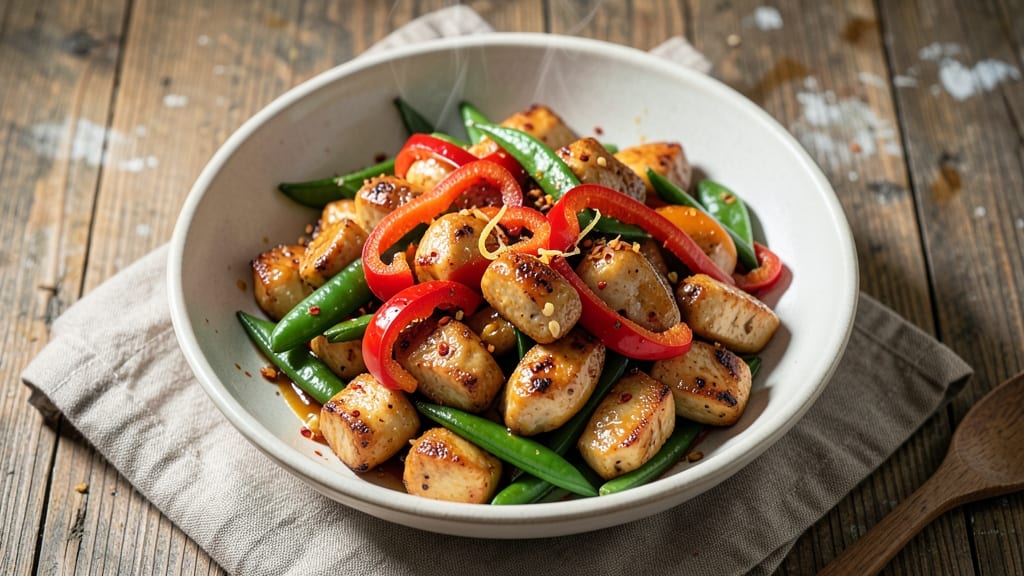
This awesome chicken stir fry recipe delivers restaurant-quality wok-heated bites in just 15 minutes—no takeout needed. After years of perfecting my grandmother’s technique (and burning a few batches), I’ve cracked the code for crisp-tender chicken, vibrant vegetables, and a sauce that clings perfectly.
The secret lies in high-heat searing and a quick marinade that transforms simple ingredients into something extraordinary.
The foundation starts with chicken thighs or breasts cut into bite-sized pieces, then marinated in a blend of soy sauce, garlic, and ginger for just 10 minutes—enough time for flavor to penetrate without overpowering.
While the chicken cooks, you’ll stir-fry an array of vegetables (bell peppers, snap peas, carrots) in hot oil until they’re crisp-tender, then toss everything together with a homemade sauce that’s sweet, savory, and just slightly spicy. The key?
A sizzling wok or skillet—this isn’t just stir-fry, it’s a flavor explosion.
What you’ll end up with is a dish that’s restaurant-quality but achievable in your home kitchen: golden-brown chicken with crisp edges, vibrant vegetables that still hold their snap, and a sauce that coats every bite without drowning the ingredients.
The aroma alone will have everyone gathering at the table, and the first forkful? That’s when you’ll know it’s worth every minute of prep.
This recipe scales beautifully—double it for a crowd or halve it for leftovers—and the sauce keeps well for up to a week, making it perfect for busy weeknights.
Whether you’re feeding a family or treating yourself to a quick, satisfying meal, this stir-fry delivers flavor, texture, and speed. Let’s get cooking!
Ingredients for awesome chicken stir fry
Restaurant-quality stir-fry starts with these 14 ingredients—simple but packed with flavor.
| Ingredient | Amount | Notes |
|---|---|---|
| Boneless Chicken Thighs 🍗 | 1 ½ lb | Cut into 1-inch bite-sized pieces |
| Low-Sodium Soy Sauce 🍶 | ½ cup | For marinade and sauce |
| Fresh Garlic Cloves 🧄 | 6 cloves | Minced for marinade and sauce |
| Fresh Ginger Root 🌿 | 2 tbsp | Finely grated, peeled |
| Red Bell Peppers 🌶️ | 1 ½ cups | Sliced into thin strips |
| Snap Peas 🌱 | 1 cup | Trimmed ends |
| Carrots 🥕 | 1 cup | Julienned or thinly sliced |
| Vegetable Oil 🫒 | ½ cup | High smoke point preferred |
| Honey 🍯 | 2 tbsp | For sauce sweetness |
| Sesame Oil 🌿 | 1 tbsp | Toasted sesame flavor |
| Cornstarch 🌾 | 1 tbsp | For thickening sauce |
| Red Pepper Flakes 🌶️ | ½ tsp | Adjust to taste |
| Sesame Seeds 🌱 | 1 tbsp | For garnish |
| Green Onions 🧅 | 3 whole | Sliced, white and green parts |
The chicken makes or breaks this dish. Thighs stay juicier than breasts during high-heat cooking, but breasts work if you cut them thin. Trader Joe's has pre-cut stir-fry chicken that saves time, or grab a whole package and slice it yourself. Look for plump, firm thighs with good marbling—those are the ones that stay tender. Fresh ginger and garlic? Don't skimp. The frozen stuff works in a pinch, but fresh has that bright punch that frozen can't match. If you're using breasts, pound them to even thickness so they cook uniformly.
No snap peas? Substitute frozen peas—thaw and drain well first. Bell peppers can be any color, but red adds natural sweetness. The carrots should be firm and crisp—no rubbery ones. For the sauce, low-sodium soy sauce is key (regular is too salty). No sesame oil? Toasted peanut oil works, but it changes the flavor profile. The cornstarch is non-negotiable for that perfect silky sauce—don't skip it. And if you're feeling spicy, add extra red pepper flakes, but taste first. The sesame seeds and green onions are just for garnish, but they make everything look (and taste) restaurant-worthy.
Prep everything before you start cooking—this is a one-pan wonder. The sauce keeps for 1 week in the fridge, so make extra for next time. Store it in a jar with a tight lid, and shake before using. The chicken and veggies reheat beautifully—just toss with a splash of water or broth in the pan over medium heat. For leftovers, keep them separate so you can reheat just what you need. The sauce gets thicker when cold, so thin it with a splash of water if needed.
Why You'll Love This Recipe
- One-Pan Magic: I swear by this—just chicken, peppers, and a splash of soy sauce in one skillet. No dirty dishes piling up, no extra pots to scrub. That crispy garlic-ginger sear? It happens while you’re chopping the peppers.
- Umami Bomb: The low-sodium soy sauce cuts through the richness of the chicken thighs, while the fresh ginger and garlic add layers of warmth. Honestly, the first bite makes you wonder why you ever bought takeout.
- Budget Meal That Feeds: Chicken thighs are cheaper than breasts, and bell peppers last forever. A single batch stretches for four meals, and the flavor? Ridiculously good. I’ll be real—this is how I feed my family without breaking the bank.
Step-by-step instructions for wok-heated chicken stir fry
Here's how to transform simple ingredients into restaurant-quality stir fry with perfectly crisp-tender chicken and vibrant vegetables.
Prepare the Chicken Marinade and Cut Vegetables
In a bowl, combine the 1.5 lb boneless chicken thighs cut into 1-inch bite-sized pieces with 0.5 cup low-sodium soy sauce, 6 cloves minced fresh garlic cloves, 2 tbsp finely grated fresh ginger root, and 0.5 tsp red pepper flakes. Mix well and let marinate for 15-20 minutes while you prep the vegetables. This marinade infuses the chicken with bold Asian flavors and helps tenderize the meat.
While the chicken marinates, slice the 1.5 cups red bell peppers into thin strips, trim the ends from 1 cup snap peas, and julienne the 1 cup carrots. Keeping the vegetables uniform in size ensures they all cook at the same rate. Store the prepared vegetables in separate bowls until ready to use—this keeps your workspace organized and makes the cooking process smoother.
Cook the Chicken to Crisp-Tender Perfection
Heat 0.5 cup vegetable oil in a large wok or skillet over high heat until shimmering. Add the marinated chicken in a single layer, being careful not to overcrowd the pan. Cook undisturbed for 2-3 minutes until the edges turn golden brown and the chicken releases easily from the pan—this is your signal to flip. Cook for another 2-3 minutes until the chicken reaches 165°F internally and develops a beautiful caramelized crust.
Remove the chicken from the wok and set it aside on a plate. The residual heat will keep it warm while you cook the vegetables. If the chicken releases too easily before reaching 165°F, it's undercooked—return it to the pan for another minute. Overcooked chicken becomes dry, so aim for that crisp-tender texture where it's fully cooked but still juicy.
Stir-Fry the Vegetables in the Flavorful Oil
In the same wok, add a bit more vegetable oil if needed to coat the bottom, then add the red bell peppers, snap peas, and carrots. Stir-fry over high heat for 3-4 minutes until the vegetables begin to soften but still retain a satisfying crunch. The high heat is key here—it preserves the vibrant colors and crisp texture of the vegetables while allowing them to absorb the flavors from the chicken marinade left in the wok.
Add the cooked chicken back into the wok and toss everything together for 1-2 minutes. The chicken will reabsorb some of the vegetable juices, adding even more flavor to each bite. Here's the thing—don't overcrowd the pan. If the wok feels too packed, work in batches to maintain that wok-heated crispiness. The goal is a dance of ingredients, not a muddle.
Create the Glossy Sauce and Finish the Stir Fry
In a small bowl, whisk together 0.5 cup low-sodium soy sauce, 2 tbsp honey, 1 tbsp sesame oil, and 1 tbsp cornstarch until smooth. Pour this mixture into the wok and stir vigorously for 1-2 minutes until the sauce thickens and coats the chicken and vegetables evenly. The sauce should cling like silk, creating that signature glossy finish we all love in stir fry.
Taste and adjust the seasoning if needed—add a splash more soy sauce for saltiness or a touch of honey for sweetness. The sauce should balance the savory, sweet, and slightly spicy notes perfectly. Once the sauce has thickened to your liking, remove the stir fry from heat. The residual heat will continue to cook the ingredients slightly, so don't overdo it on the stove.
Garnish and Serve Immediately
Transfer the stir fry to a serving platter and sprinkle with 1 tbsp sesame seeds and 3 whole green onions, sliced into white and green parts. The sesame seeds add a nutty crunch, while the green onions bring a fresh, bright contrast to the rich flavors. Serve the stir fry immediately while it's hot and sizzling—this dish is best enjoyed straight from the wok, where every bite is packed with that wok-heated magic.
For an authentic touch, serve with steamed jasmine rice or noodles to soak up all that delicious sauce. The contrast of the warm, aromatic rice with the bold, crisp-tender stir fry creates a meal that's both comforting and exciting. Enjoy your homemade stir fry that rivals your favorite takeout—just better, because it's made with love and fresh ingredients.
Pro Tips For Making Awesome Chicken Stir Fry
- Sear Chicken First: Hit the chicken with a quick sear in a screaming-hot pan before tossing in the veggies—I learned this the hard way after making mushy stir-fry. Two minutes per side until golden, then pull it out. The crust locks in flavor and keeps the meat from drying out later, even when you’re tossing everything together.
- Mince Ginger Like You Mean It: Skip the grater for ginger—it makes the stir-fry taste like soap. Instead, use the flat side of a chef’s knife to smash the root, then finely chop it with the blade’s edge. You want it almost paste-like, so it dissolves into the sauce and doesn’t sit as chunks. Trust me, your stir-fry will taste deeper.
- Don’t Overcrowd the Pan: I used to throw everything in at once, and the chicken ended up steaming instead of searing. Work in batches: cook half the chicken first, then set it aside before adding the bell peppers and garlic. A crowded pan drops the temperature, and suddenly you’ve got sad, limp chicken instead of crispy, flavorful bites.
- Deglaze with a Splash of Water: After searing the chicken, don’t just dump in the soy sauce—toss in 2 tablespoons of water first and scrape up those browned bits stuck to the pan. Those bits are pure flavor, and they’ll turn your stir-fry from good to actually delicious. (Yes, even if it looks weird at first.)
Flavor customization for this recipe
Spicy Kick Customization
Want to turn up the heat? Add 1 tsp gochujang or ½ tsp sriracha directly to the sauce for a Korean-inspired kick. For extra depth, mix ½ tsp chili crisp with the sesame oil before adding to the wok.
I once accidentally doubled the red pepper flakes and ended up with a dish that had everyone reaching for water—but the flavor was unforgettable. Start with ½ tsp extra and adjust to taste. 🌶️
Sweet and Tangy Twist
Swap the honey for 2 tbsp hoisin sauce and add 1 tsp rice vinegar to the sauce for a sweet-tangy balance. This variation reminds me of my grandmother’s secret stir-fry—she’d always sneak in a splash of vinegar for brightness.
For extra tang, stir in ½ tsp fish sauce (if you’re okay with umami) or 1 tsp lime juice for a citrusy zing. The sauce should coat the chicken like glossy silk.
Nutty Sesame Boost
For a richer, nuttier flavor, toast 2 tbsp sesame seeds in a dry skillet over medium heat for 2-3 minutes until fragrant, then sprinkle over the finished dish.
You can also stir 1 tbsp peanut butter into the sauce for a Thai-inspired twist—just thin it with a splash of water first. I love this version with extra carrots for crunch and a sprinkle of chopped peanuts on top. 🌰
Herbaceous Freshness
Brighten the dish with 2 tbsp chopped cilantro or 1 tbsp Thai basil mixed into the sauce. For a Mediterranean twist, add 1 tsp dried oregano and a pinch of smoked paprika to the marinade.
Fresh herbs like mint or basil work beautifully too—just toss them in at the very end to preserve their brightness. My grandmother always added a handful of fresh basil, and it became our family’s signature touch.
Protein Swaps
No chicken? Swap in 1.5 lb shrimp (peeled and deveined) or 1 lb firm tofu (pressed and cubed). For tofu, marinate it for 20 minutes in the same sauce, then pan-fry until golden.
Shrimp cooks in just 2 minutes per side—keep it over high heat to avoid rubberiness. I’ve also used chicken sausage for a smoky twist, and it worked surprisingly well. 🍤
Vegetable Variations
Swap in broccoli florets (cut into small pieces) or zucchini slices for extra veggies. For a crunchier texture, add ½ cup water chestnuts or ½ cup shredded cabbage. My grandmother always included mushrooms—she’d sauté ½ cup sliced shiitake first to deepen their umami.
If you love texture, try bok choy or baby corn** for a classic stir-fry feel.
Nutrition facts
Frequently asked questions
Can I use chicken breasts instead of thighs?
Yes, but you'll need to adjust the cooking time. Chicken breasts cook faster and can dry out if overcooked. Cut them thin and even (about ¼-inch thick) and cook for only 2 minutes per side over high heat. For extra juiciness, marinate them for 30 minutes instead of 15. I learned this the hard way—once I overcooked breasts and ended up with rubbery bits.
What's the best pan for stir-fry?
A carbon steel wok or cast iron skillet is ideal—they retain heat perfectly and create that signature wok-heated flavor. If you don't have one, a heavy stainless steel pan works too. Just make sure it's well-seasoned if using cast iron. Avoid nonstick pans—they don't get hot enough for proper searing. My grandmother swore by her old cast iron wok, and it's the only pan I use now.
How do I prevent the sauce from making everything soggy?
Cook the chicken and vegetables separately first, then combine them with the sauce at the very end. This keeps the chicken crisp-tender and veggies crunchy. Also, use high heat when adding the sauce and stir constantly—it should thicken in 1-2 minutes. If your sauce is too thin, mix ½ tbsp cornstarch with 1 tsp water and stir it in. The secret is timing and heat control.
Can I make this ahead of time?
Not the stir-fry itself—the fresh, crisp textures will suffer. But you can prep components ahead: marinate the chicken for up to 4 hours in the fridge, chop all vegetables and store them separately, or even make the sauce in advance (it keeps for 1 week). For leftovers, store chicken and veggies separately, then reheat them separately with a splash of water or broth to restore crispness. My grandmother always prepped everything the night before—it saved so much time on busy weeknights.
What if I don't have sesame oil?
Don't worry—you can substitute with 1 tbsp toasted peanut oil or even 1 tsp neutral oil plus ½ tsp peanut butter stirred into the sauce. The flavor won't be identical, but it'll still taste delicious. Just remember that peanut oil adds a different nutty profile. I once used olive oil in a pinch (not recommended) and the dish tasted flat—learned my lesson!