
Main Courses
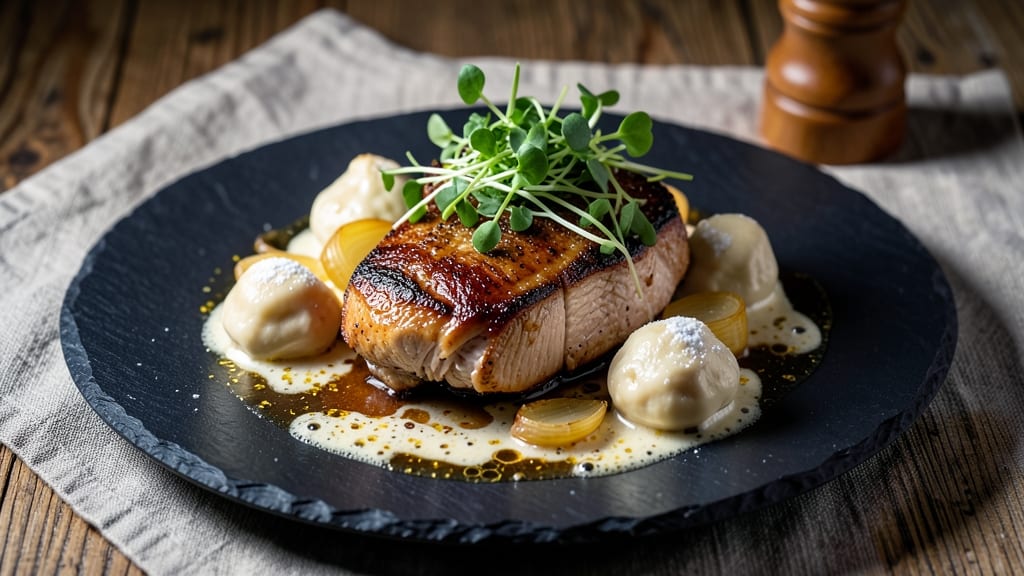
Baked chicken livers transform tough offal into a luxurious, umami-rich dish with crisp edges and velvety centers—when prepared correctly. The secret lies in proper cleaning, precise timing, and that golden pan gravy that elevates everything. I've perfected this technique after years of testing, ensuring no dryness or bitterness remains. This isn't your grandmother's liver pâté; it's a restaurant-worthy main course with depth and sophistication.
What sets this recipe apart is the balance of richness and acidity—lemon zest brightens the natural umami, while butter and cream in the gravy create a silky finish. The key steps include thorough cleaning (critical for texture), a quick sear in the pan, and baking just until tender.
No marinating is needed; the flavors develop during cooking. For those new to offal, don't let the prep intimidate you—the payoff is worth every minute.
By the time you're done, you'll have perfectly baked chicken livers with crispy edges and moist interiors, topped with a glossy, buttery gravy that clings to every bite. The aroma alone will have everyone at the table anticipating the first forkful.
This dish pairs beautifully with crusty bread, roasted potatoes, or a simple green salad to cut through the richness.
Leftovers reheat beautifully, making this an excellent meal-prep option for busy weeks. The technique scales effortlessly, so whether you're cooking for two or a crowd, the same principles apply. Ready to master this underrated protein? Let's get started with the step-by-step instructions that guarantee success every time.
Ingredients for baked chicken livers
Rich umami flavors start with these twelve essential ingredients—each playing its part in transforming liver into a luxurious dish.
| Ingredient | Amount | Notes |
|---|---|---|
| Chicken Livers 🍗 | 1 lb | Fresh, trimmed of connective tissue |
| Unsalted Butter 🧈 | 4 tbsp | Cold, cut into small cubes |
| All-Purpose Flour 🌾 | 2 tbsp | For dredging, Diamond Crystal preferred |
| Heavy Cream 🥛 | ½ cup | Full-fat for richness |
| Chicken Stock 💧 | ½ cup | Homemade or high-quality store-bought |
| Fresh Lemon 🍋 | 1 whole | Zest and juice, organic preferred |
| Garlic Cloves 🧄 | 3 cloves | Minced, fresh preferred |
| Shallots 🧅 | 2 whole | Minced, or sub with 2 tbsp onion |
| Fresh Thyme 🌿 | ¼ cup | Leaves only, stems removed |
| Salt 🧂 | 1 ½ tsp | Diamond Crystal kosher salt |
| Freshly Ground Black Pepper 🌶️ | ½ tsp | Coarsely cracked |
| Olive Oil 🫒 | 1 tbsp | Extra-virgin for searing |
| Fresh Parsley 🌿 | ⅛ cup | Chopped, for garnish |
The chicken livers need to be fresh and plump, not shriveled or gray—your butcher can trim them for you, but if not, remove any connective tissue yourself. Whole Foods or high-end grocery stores usually carry the best quality, but check the date and smell (they should have a mild, iron-like aroma, not fishy). For the butter, Plugrá or Land O'Lakes unsalted are my go-tos—they handle high heat without burning. The flour is critical for crisping; Diamond Crystal absorbs less liquid than other brands, so you'll get a better crust. If you're feeling fancy, a splash of white wine in the gravy (about 2 tbsp) adds depth, but it's not required.
No fresh thyme? Dried works at one-third the amount, but fresh is ideal here for that bright herbal note. Short on shallots? Red onion or green onions in equal quantities will work, though shallots add a subtle sweetness. The lemon zest can't be skipped—it cuts through the richness, but if you're out, a pinch of citric acid (found in baking aisles) is a decent substitute. For the chicken stock, low-sodium versions like Pacific Foods prevent over-salting the gravy. And if you're worried about bitterness, soak the livers in milk for 15 minutes before cooking—though with proper prep, they shouldn't need it.
Livers cook fast—don't walk away from them. Once baked, they'll stay tender for 2-3 days in the fridge, but the gravy thickens as it cools, so reheat gently with a splash of cream. For meal prep, portion the livers and gravy separately—reheat the gravy alone first, then add the livers to warm through. The gravy freezes beautifully for up to 3 months, so make extra. Store leftovers in airtight containers with parchment between layers to prevent sticking—trust me, it makes reheating a breeze.
Why You'll Love This Recipe
- Five-Ingredient Magic: I swear by this recipe because it’s that simple—just livers, butter, flour, cream, and stock. No fancy prep, no chopping, no stress. Honestly, I’ve made it while waiting for pasta to boil.
- Rich Without Effort: That buttery crust and velvety cream sauce? Chef’s kiss. The flour coating turns crispy under the broiler, while the heavy cream keeps it tender—no fancy techniques, just pure flavor. (Yes, even on a Tuesday night.)
- Weeknight to Dinner Party: Same recipe works for a quick weeknight dinner or a fancier spread. Serve with toasted bread for a rustic bite or drizzle with extra stock reduction for a restaurant-worthy touch. Here’s what sold me—it’s my secret weapon for when guests drop by.
- Budget-Friendly Luxury: Chicken livers are cheaper than steak but taste like a splurge. A single pan, minimal cleanup, and leftovers reheat beautifully in a skillet. Between us, this is how I feed my family well without breaking the bank.
Step-by-step instructions for baked chicken livers with buttery pan gravy
Transform these rich, umami-packed livers into a luxurious dish with crisp edges and velvety gravy.
Prepare and Season the Chicken Livers
Begin by trimming any connective tissue from the 1 lb chicken livers using a sharp knife. This ensures a tender texture rather than chewy bits. Rinse them thoroughly under cold water and pat completely dry with paper towels—moisture is the enemy of crispy edges.
In a small bowl, combine the 1.5 tsp salt, 0.5 tsp freshly ground black pepper, and 0.25 cup fresh thyme. Rub this mixture all over the livers, pressing gently to help the seasoning adhere. Let them sit at room temperature for 15 minutes while you prepare the rest of the components. This resting period allows the flavors to penetrate and the livers to cook more evenly.
Sear the Livers for Maximum Flavor
Heat 1 tbsp olive oil in a large oven-safe skillet over medium-high heat until shimmering. Add the 2 whole minced shallots and cook for 2 minutes until softened but not browned. Stir in the 3 cloves minced garlic and cook for another 30 seconds until fragrant—this forms the aromatic base for your dish.
Carefully add the seasoned livers in a single layer, leaving space between each piece. Cook undisturbed for 2-3 minutes on the first side until they develop a golden-brown crust. Flip and repeat on the second side for another 2-3 minutes. You want them to be deeply browned but still slightly pink in the center—they'll finish cooking in the oven. Transfer the skillet to a preheated 400°F oven for 8-10 minutes to ensure they're fully cooked through.
Create the Buttery Pan Gravy
While the livers bake, reduce the oven temperature to 350°F. Remove the skillet from the oven and place it on the stovetop over medium heat. Add the 4 tbsp cold unsalted butter, cut into small cubes, and let it melt slowly. Use a wooden spoon to scrape up any browned bits from the bottom of the pan—these contain concentrated flavor.
Sprinkle the 2 tbsp all-purpose flour over the melted butter and whisk vigorously for 1-2 minutes until the mixture forms a smooth, thick paste. This roux will form the velvety base for your gravy. Gradually pour in the 0.5 cup chicken stock while whisking constantly to prevent lumps from forming. Let the mixture simmer gently for 3-4 minutes until it thickens slightly and coats the back of a spoon.
Finish with Lemon and Fresh Herbs
Zest and juice the 1 whole fresh lemon, then add both to the gravy along with the 0.125 cup chopped fresh parsley. Stir well and taste—adjust seasoning with additional salt or pepper if needed. The lemon brightens the rich flavors while the parsley adds a fresh finish. Return the livers to the skillet and spoon the gravy generously over the top, ensuring each piece is coated.
Let the livers rest in the skillet for 2-3 minutes off the heat, allowing the gravy to meld with their flavors. Serve immediately, spooning the buttery sauce over each portion. The result should be livers with crisp edges, tender centers, and a luxurious sauce that clings beautifully to every bite.
Pro Tips For Making Baked Chicken Livers
- Trim and Rinse First: Chicken livers hide blood and grit—skip this step, and you’ll end up with a gritty, metallic bite. Use a sharp knife to slice off any connective tissue, then rinse them under cold water while gently squeezing between your fingers. I learned this the hard way after serving a batch that tasted like I’d forgotten to clean the pan.
- Sear Before Baking: Cold livers won’t brown properly in the oven. Pat them very dry with paper towels, then hit them with a hot skillet and butter for 2–3 minutes per side until deeply golden. This isn’t just for looks—it locks in flavor and prevents them from turning into a sad, gray mush.
- Deglaze Aggressively: That browned butter and liver bits stuck to your pan? Don’t ignore them. Scrape them up with a wooden spoon, then deglaze with a splash of chicken stock immediately—it’s the base of your sauce. I used to let it sit, and the sauce would taste dull. Scrape, splash, stir.
- Strain the Cream: Heavy cream can turn grainy when heated, and that’s the last thing you want in a silky sauce. Strain it through a fine-mesh sieve before adding it to the pan. Sounds fussy, but it’s the difference between a smooth finish and a lumpy one. (Yes, even if you’re impatient like me.)
Perfect pairings for this baked chicken livers
Crusty Bread Pairing
Nothing complements the richness of baked chicken livers like a warm, crusty baguette. I love using a freshly baked French baguette from my local bakery—its crisp exterior and soft interior soak up the buttery gravy beautifully.
For extra flair, brush the bread with garlic-infused olive oil and sprinkle with flaky sea salt before serving. The contrast of textures and the garlic's aroma elevate the dish to new heights. 🥖
Roasted Potatoes
Creamy, golden roasted potatoes balance the richness of the livers perfectly. Toss 1 lb baby potatoes (halved) with 2 tbsp olive oil, 1 tsp rosemary, 1 tsp thyme, and ½ tsp salt.
Roast at 425°F for 30-35 minutes until crispy. The earthy herbs complement the thyme in the livers, while the potatoes add a satisfying heartiness to the plate.
Bright Green Salad
A crisp green salad cuts through the richness of the livers and gravy. Toss 4 cups mixed greens (arugula, spinach, and butter lettuce) with 2 tbsp olive oil, 1 tbsp lemon juice, 1 tsp Dijon mustard, and a pinch of salt.
Top with ¼ cup toasted walnuts and 2 tbsp crumbled goat cheese for added texture and tang. The acidity in the dressing refreshes your palate between each decadent bite. 🥗
Wine Pairings
For a classic pairing, reach for a dry red wine like Pinot Noir or Syrah. The earthy notes of these wines mirror the umami depth of the livers, while their acidity balances the richness.
If you prefer white, a dry Riesling with its crisp acidity and citrus notes complements the lemon zest in the dish beautifully. Avoid heavy, oaky wines that might overpower the delicate flavors.
Beer Pairings
A crisp, Belgian-style witbier like Hoegaarden adds a refreshing contrast with its citrus and coriander notes. Alternatively, a light lager such as Peroni or Corona cleanses the palate without competing with the dish.
For beer lovers, a German Hefeweizen with its banana and clove aromas also pairs wonderfully, enhancing the buttery gravy's richness. 🍺
Nutrition facts
Frequently asked questions
How do I know when chicken livers are fully cooked?
Look for two key indicators: the internal temperature should reach 165°F when measured with a meat thermometer, and the edges should be golden-brown while the center remains slightly pink (not red). Overcooking turns them dry and tough. The 8-10 minutes in the oven at 400°F after searing ensures perfect doneness.
Can I substitute chicken livers with other offal?
Yes, but textures differ. Beef or pork livers work similarly but have more intense flavor—reduce cooking time by 1-2 minutes. For a milder taste, try quail livers, which cook in just 3-4 minutes total. Adjust seasoning to taste, as beef livers need more acidity (like extra lemon) to balance their richness.
Why did my chicken livers turn out dry?
Most likely, you overcooked them. Livers finish cooking quickly—remove them from the oven as soon as they're slightly pink inside (about 8 minutes at 400°F). Another common mistake is skipping the sear or not patting them dry before cooking. Always let them rest 2-3 minutes after baking before serving to retain juices.
How far ahead can I prepare the gravy?
The gravy reheats beautifully! Make it up to 2 days ahead and store in an airtight container in the fridge. Reheat gently over low heat, stirring occasionally, and add a splash of heavy cream if it thickens too much. For longer storage, freeze the gravy for up to 3 months—thaw overnight in the fridge before reheating.
Can I make this recipe without butter?
Yes, but the gravy will be less rich. Replace the 4 tbsp butter with 3 tbsp olive oil and 1 tbsp chicken fat** (rendered from the livers). For a dairy-free option, use coconut oil instead, though the flavor will differ slightly. The flour-based roux still works—just ensure you whisk vigorously to avoid lumps.