
Soups & Stews
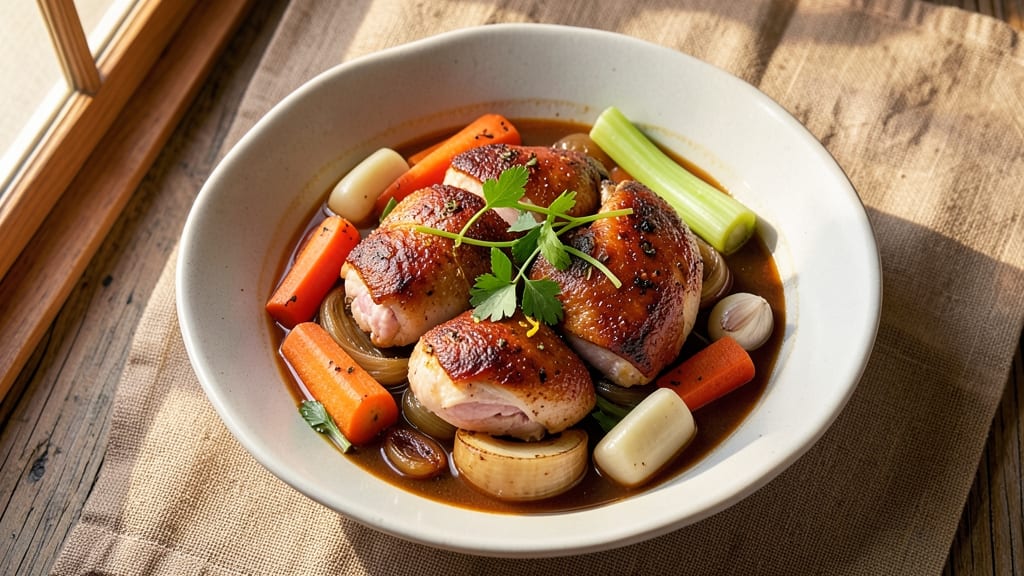
This baked chicken stew recipe transforms simple ingredients into a hearty, slow-simmered masterpiece where tender chicken and caramelized roots create deep, comforting flavors. The secret lies in layering vegetables and herbs, allowing them to meld into a rich, aromatic broth that develops as it bakes.
Perfect for chilly evenings or family gatherings, this dish delivers restaurant-quality results with minimal effort—just one pot and 60 minutes of hands-off time.
The beauty of this recipe is its versatility—adjust the vegetables based on what’s fresh, but the caramelized roots (carrots, parsnips, or celery) form the foundation of its depth. A slow bake ensures the chicken stays juicy while the vegetables soften into sweet, tender perfection.
The herbs and spices build complexity without overpowering, making every spoonful satisfyingly balanced.
What you’ll achieve is a stew with tender, fall-apart chicken, vegetables that caramelize at the edges, and a broth so rich it coats every bite. The aroma alone will have everyone gathering at the table, and the leftovers reheat beautifully—ideal for meal prep or feeding a crowd.
Serve with crusty bread to soak up every last drop of that flavorful sauce.
Whether you’re a seasoned cook or new to stews, this recipe simplifies the process without sacrificing depth. The technique is foolproof, and the results speak for themselves—warm, comforting, and full of hearty goodness. Let’s get started on creating this slow-simmered classic.
Ingredients for baked chicken stew
Pantry staples meet fresh produce for this slow-baked chicken masterpiece—rich, aromatic, and effortlessly comforting.
| Ingredient | Amount | Notes |
|---|---|---|
| Boneless, Skinless Chicken Thighs 🍗 | 1 ½ lb | Cut into 2-inch pieces for even cooking |
| Yellow Onion 🧅 | 1 whole | Diced, medium size for balance |
| Carrots 🥕 | 1 ½ lb | Whole, peeled, cut into 1-inch chunks |
| Parsnips 🥕 | 1 lb | Whole, peeled, cut into 1-inch chunks |
| Celery Stalks 🧄 | 4 whole | Cut into 1-inch pieces, trimmed |
| Garlic Cloves 🧄 | 6 cloves | Minced, for aromatic depth |
| Dried Thyme 🌿 | 1 tbsp | Or 1 tbsp fresh thyme leaves |
| Dried Rosemary 🌿 | 1 tsp | Finely chopped, for earthy notes |
| Bay Leaves 🌿 | 2 whole | Remove before serving |
| Chicken Broth 💧 | 2 cups | Low-sodium preferred, homemade ideal |
| Dry Red Wine 🍷 | ½ cup | Bold variety like Cabernet Sauvignon |
| Tomato Paste 🍅 | 2 tbsp | Smooth, for richness |
| Extra-Virgin Olive Oil 🫒 | 2 tbsp | For searing and basting |
| Kosher Salt 🧂 | 1 ½ tsp | Diamond Crystal preferred |
| Freshly Ground Black Pepper 🌶️ | ½ tsp | For finishing |
The caramelized roots—carrots, parsnips, and celery—are non-negotiable for depth. Whole Foods or local markets often carry organic parsnips, which add a subtle sweetness that elevates the dish. For the chicken, thighs stay juicier than breasts during the long bake—look for air-chilled cuts at Whole Foods or Trader Joe’s for optimal texture. If using breasts, pound them to even thickness. The dried herbs should be from a reputable brand like Penzeys—fresh thyme is ideal but dried works in a pinch if stored properly.
No red wine? Substitute with an extra ½ cup chicken broth plus 1 tbsp balsamic vinegar for acidity. Fresh thyme unavailable? Dried oregano at half the amount mimics its earthy notes. For the tomato paste, Trader Joe’s’s squeeze tubes are perfect—no waste, and they keep indefinitely. The chicken broth can be homemade (simmer chicken bones, carrots, and celery for 4 hours) or store-bought, but always opt for low-sodium to control seasoning. If you’re short on time, swap parsnips for extra carrots—they’re more accessible and still deliver sweetness.
This stew tastes even better the next day as flavors meld. Store leftovers in an airtight container for up to 5 days in the fridge, or freeze for 3 months. For meal prep, portion into individual containers—reheat gently with a splash of broth to restore moisture. The broth thickens as it cools, so add a little water when reheating if needed. Bay leaves can be removed early if you dislike their texture, but leaving them in during baking enhances flavor.
Why You'll Love This Recipe
- One-Pan Magic: I swear by this recipe—just toss everything on a sheet pan, add broth, and forget it. No pots to scrub, no lids to clean, and the chicken comes out tender without drying out. (Yes, even on a Tuesday night when I’m exhausted.)
- Sweet-Savory Balance: The carrots and parsnips caramelize just enough to add natural sweetness, while the onions and celery build deep, earthy layers. Honestly, the first bite makes me pause—it’s that good.
- Leftovers That Shine: This stew actually improves the next day. The flavors meld overnight, and I’ll often reheat it for lunch with crusty bread. My freezer’s full of portions because it reheats like a dream—no soggy veggies here.
- Budget-Friendly Crowd-Pleaser: Chicken thighs are forgiving and cheap, and the root veggies stretch the meal effortlessly. I’ve fed six people for under $15, and no one ever complains. (Between us, my picky teenager asks for seconds.)
Step-by-step instructions for baked chicken stew
Transform simple ingredients into deeply flavorful stew through precise technique and patience.
Sear the Chicken and Build the Flavor Base
Preheat your oven to 375°F. Heat 2 tablespoons extra-virgin olive oil in a large Dutch oven over medium-high heat until shimmering. Add the 1.5 lb boneless, skinless chicken thighs in a single layer, working in batches if needed, and sear for 4-5 minutes per side until deeply golden brown. This step creates the Maillard reaction that forms the stew's rich foundation.
Remove the chicken and set aside. In the same pot, add the diced yellow onion, 1.5 lb carrots, 1 lb parsnips, and 4 whole celery stalks. Cook for 8-10 minutes until the vegetables begin to soften and the onion becomes translucent. Add the 6 cloves minced garlic and cook for 30 seconds until fragrant—don't let it brown or it will turn bitter.
Develop the Aromatics and Deglaze
Reduce heat to medium and stir in the 2 tablespoons tomato paste, spreading it evenly over the vegetables. Cook for 2 minutes until it darkens slightly and releases its deep, concentrated flavor. Pour in the 0.5 cup dry red wine, scraping up all the browned bits from the bottom of the pot with a wooden spoon. This deglazing step captures all the caramelized flavors you've built.
Let the wine simmer for 3-4 minutes until reduced by half. Add the 2 cups chicken broth, 1 tablespoon dried thyme, 1 teaspoon dried rosemary, 2 whole bay leaves, and 1.5 teaspoons kosher salt. Stir well to combine, then return the seared chicken to the pot. The liquid should come about halfway up the sides of the chicken pieces.
Simmer Until Tender and Flavorful
Cover the pot with a tight-fitting lid and transfer to the preheated oven. Bake for 45-50 minutes until the chicken is cooked through and the vegetables are tender but still hold their shape. The stew should have a rich, caramelized color and the chicken should easily pull away from the bone when tested with a fork.
After the initial baking time, remove the lid and increase the oven temperature to 400°F. Return the stew to the oven for 10-15 minutes to allow the surface to develop a golden crust and deepen the flavors. This final step intensifies the stew's richness without overcooking the vegetables.
Finish with Seasoning and Rest
Remove the stew from the oven and discard the bay leaves. Taste and adjust the seasoning with additional kosher salt and 0.5 teaspoon freshly ground black pepper as needed. Let the stew rest, covered, for 10 minutes at room temperature. This resting period allows the flavors to meld and the juices to redistribute throughout the stew.
Serve the stew hot, ladling generous portions of vegetables and chicken onto each plate. The chicken should be fork-tender with juices flowing freely, while the vegetables should be caramelized and sweet. The sauce should coat the back of a spoon with a velvety consistency. Pair with crusty bread to soak up every last drop of this deeply satisfying stew.
Pro Tips For Making Baked Chicken Stew
- Sear the Chicken First: I learned this the hard way—skipping the sear means bland, watery chicken. Pat the thighs very dry, then hit them with a hot pan (no oil needed) for 2-3 minutes per side until golden. The crust locks in flavor and prevents them from turning to mush later.
- Cut Veggies Evenly: Carrots, parsnips, and celery should be roughly the same size—about ½-inch chunks. I used to eyeball it and ended up with mushy veggies and crunchy bits. Uniform pieces cook at the same rate, so the stew stays balanced.
- Don’t Overcrowd the Pan: If you’re browning the chicken in batches (which you should), resist the urge to rush. Crowding steams the meat instead of searing it, and that’s how you end up with gray, sad chicken. Work in one layer, and if your pan’s too small, use two.
- Deglaze with Wine or Broth: After searing the chicken, scrape up those browned bits with a wooden spoon—those are flavor bombs. Splash in ¼ cup of white wine (or chicken broth) and let it bubble for 30 seconds. This step makes a real difference in depth of flavor, and it’s easier than you think.
Dietary considerations for this dish
Gluten-Free Adaptations
This stew is naturally gluten-free, but always double-check your ingredients. The chicken broth should be certified gluten-free, and if using store-bought tomato paste, opt for brands like Muir Glen or Trader Joe’s, which are typically gluten-free.
The red wine and herbs are safe as long as they’re pure, but avoid pre-mixed spice blends that may contain gluten. For extra flavor, stir in 1 teaspoon gluten-free soy sauce or coconut aminos during the final resting period. 💯
Dairy-Free Considerations
No dairy is used in this recipe, making it naturally suitable for those avoiding lactose. However, if you’re sensitive to potential cross-contamination, ensure all your spices and broth are processed in dedicated dairy-free facilities. The caramelized roots and chicken thighs provide rich, creamy texture without dairy.
For added depth, finish with a drizzle of olive oil or a sprinkle of nutritional yeast for a cheesy flavor profile. Always check labels on tomato paste and broth for hidden dairy additives.
Low-Carb Modifications
To reduce carbs, swap out the carrots and parsnips for cauliflower florets or zucchini chunks. Cauliflower adds a subtle sweetness and holds up well during baking, while zucchini keeps the dish light. Use 1.5 cups cauliflower and 1 lb zucchini to maintain volume.
For extra flavor, add ½ teaspoon smoked paprika to the seared chicken. The celery and onion remain essential for aromatic depth, but their lower carb content keeps this version keto-friendly.
Vegetarian Swaps
For a vegetarian version, replace the chicken with chickpeas or mushrooms. Use 2 cups cooked chickpeas (drained and rinsed) or 1 lb cremini mushrooms, sliced into thick pieces. Sear the chickpeas or mushrooms in the same way you would the chicken, then proceed with the recipe.
Boost umami by adding 1 teaspoon soy sauce or 1 tablespoon nutritional yeast to the tomato paste mixture. The red wine and herbs will still create a rich, savory base that complements the plant-based proteins beautifully.
Allergen-Friendly Tips
If nut allergies are a concern, avoid adding any nut-based thickeners or garnishes. Stick to the original recipe’s ingredients, which are all naturally free of common allergens like nuts, shellfish, and fish. For those with egg allergies, ensure your broth and tomato paste are egg-free.
Always verify labels on dried herbs and spices, as some blends may contain trace allergens. When serving, offer a side of gluten-free, dairy-free crackers or roasted sea salt almonds (if nut-free) for safe dipping options.
Nutrition facts
Frequently asked questions
Why do you use chicken thighs instead of breasts for this baked stew?
Chicken thighs stay juicier during the long bake because they contain more fat and connective tissue. They also develop a richer flavor as they cook slowly. Breasts can dry out when baked for 45-50 minutes, but thighs remain tender and succulent with their natural moisture.
Can I make this stew in a slow cooker instead of the oven?
Transfer all ingredients to a slow cooker after searing the chicken and vegetables. Cook on low for 6-7 hours or high for 3-4 hours until the chicken is tender. The flavors will be slightly different but still delicious—just skip the final 400°F broil step since slow cookers don't brown as effectively.
What vegetables can I substitute if I don't have parsnips?
Parsnips add sweetness, so swap them with extra carrots or sweet potatoes (peeled and cubed). For a different texture, try turnips or rutabaga, but reduce the amount by 20% since they're denser. The key is balancing sweet and earthy flavors—stick with 1.5 lbs total of root vegetables.
How do I prevent the stew from becoming too watery?
Start with 2 cups broth and let the vegetables release their moisture during baking. If it's still thin, remove the lid for the last 10-15 minutes at 400°F to reduce the liquid. For extra thickness, stir in 1 tablespoon cornstarch mixed with 2 tablespoons cold water at the end and simmer for 2 minutes.
Can I use chicken stock instead of red wine?
Yes, but the flavor will be milder. Replace the 0.5 cup red wine with 0.5 cup extra chicken broth plus 1 tablespoon balsamic vinegar for acidity. The wine adds depth, but this combo works in a pinch—just taste and adjust seasoning afterward.