
Main Courses
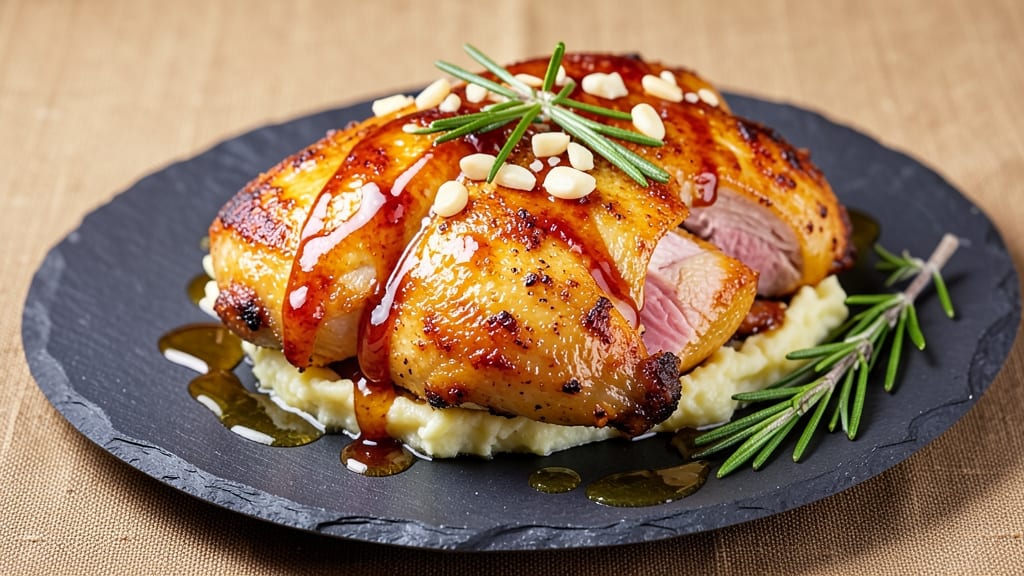
This baked honey Dijon mustard chicken recipe delivers the perfect balance of crispy edges and juicy centers with just three simple ingredients. The sweetness of honey meets the tangy kick of Dijon mustard, creating a glaze that caramelizes beautifully in the oven while keeping the meat tender and flavorful.
I've perfected this technique to ensure every bite is packed with that irresistible contrast—sweet, tangy, and savory all at once.
The beauty of this recipe lies in its simplicity and foolproof method. You'll start with chicken thighs or breasts, coated in a mixture of honey, Dijon mustard, and a touch of olive oil, then baked at 375°F until golden and crispy.
The key is baking just long enough to achieve that caramelized crust without drying out the meat, making it a restaurant-quality dish you can easily recreate at home.
By the time it emerges from the oven, you'll have perfectly glazed chicken with crispy edges that shatter slightly and juicy centers that stay succulent. The honey-Dijon glaze adds a sticky, flavorful coating that's both sweet and tangy, making it ideal for a weeknight dinner or a special occasion.
Serve it with roasted vegetables or a fresh salad for a complete, balanced meal.
This recipe is versatile enough for meal prep—just store leftovers in the fridge for up to three days, and reheat until warmed through. The flavors only deepen over time, so it's perfect for planning ahead.
Whether you're feeding a family or treating yourself to a delicious meal, this baked honey Dijon mustard chicken is sure to become a favorite.
Ingredients for baked honey dijon mustard chicken
Three core ingredients create the magic—honey, Dijon, and chicken—with optional extras for depth.
| Ingredient | Amount | Notes |
|---|---|---|
| Boneless, Skinless Chicken Thighs 🍗 | 1 ½ lb | Cut into even-sized pieces |
| Honey 🍯 | ½ cup | Pure, liquid honey preferred |
| Dijon Mustard 🍯 | 3 tbsp | High-quality, smooth variety |
| Extra-Virgin Olive Oil 🫒 | 2 tbsp | For crispiness and richness |
| Garlic Cloves 🧄 | 3 cloves | Minced for flavor depth |
| Fresh Rosemary 🌿 | 1 tbsp | Chopped finely for aroma |
| Salt 🧂 | 1 tsp | Kosher or sea salt preferred |
| Black Pepper 🌶️ | ½ tsp | Freshly ground for best flavor |
| Balsamic Vinegar 🍶 | 1 tbsp | Optional for tangy depth |
| Cornstarch 🌾 | 1 tsp | For extra crispiness (optional) |
The chicken thighs are the star here—bone-in, skin-on if you can find them, as they render more flavor. Trader Joe's or Whole Foods often carry them pre-cut, but any grocery store's butcher section will have them. For the honey, look for raw, unprocessed—it caramelizes better than processed brands. The Dijon mustard should be smooth, not grainy (like Amoy or Maille), as it blends seamlessly with the honey. Extra-virgin olive oil is non-negotiable here; California or Italian varieties add the best fruity notes to the glaze. Fresh rosemary is ideal, but dried works at one-third the amount if you're in a pinch.
No Dijon mustard? Whole-grain mustard thinned with water works in a bind, though the texture won't be as smooth. Short on honey? Maple syrup or agave nectar can substitute, but the flavor will be slightly different. The balsamic vinegar is optional but adds a deeper, caramelized tang—skip it if you're avoiding extra acidity. For extra crispiness, the cornstarch is your secret weapon; toss the chicken in it before baking. If you're using chicken breasts instead of thighs, pound them to even thickness to ensure even cooking. The glaze should coat the chicken generously, so don't skimp on the honey-Dijon mixture.
This glaze tastes even better the next day, so make extra if you're feeding a crowd. Store leftovers in an airtight container in the fridge for up to 3 days, or freeze for 2 months. To reheat, bake at 350°F for 10-15 minutes until warmed through. The glaze will thicken slightly when chilled, so a quick 30-second microwave or 10-second broil restores its glossy finish. For meal prep, portion into individual containers—one piece per serving—so you can grab and go.
Why You'll Love This Recipe
- Foolproof Marination: Between us, the chicken thighs practically glaze themselves. Toss them in olive oil, Dijon, minced garlic, and a splash of honey—no fancy technique, just 10 minutes of hands-off resting. The mustard’s tang cuts through the sweetness while the olive oil keeps it juicy, even if you’re not a seasoned cook.
- Sweet-Savory Magic: That sticky caramelized crust? It’s all thanks to the honey and Dijon baking together. The garlic adds a sharp punch, but the real star is how the flavors balance—rich without being heavy, tangy without overpowering. One bite and you’ll forget about takeout.
- Meal Prep MVP: I swear by this for busy weeks. The leftovers reheat beautifully—crispy edges stay intact, and the sauce doesn’t turn gloopy. Pack it for lunches, serve it at potlucks, or freeze half for when you’re too tired to cook. (Yes, even on a Tuesday night.)
- Budget-Friendly Luxury: Chicken thighs are forgiving and affordable, and this recipe uses pantry staples. A little honey, a jar of Dijon, and garlic cloves—no specialty ingredients needed. It feels like a fancy dinner, but your wallet stays happy. Honestly, it’s my go-to when I want flavor without the splurge.
Step-by-step instructions for baked honey Dijon mustard chicken
This method delivers perfectly balanced flavor—crispy edges with juicy, tender centers every time.
Prepare the Chicken and Glaze Base
Preheat your oven to 400°F and position a rack in the middle position. Cut the 1.5 lb boneless, skinless chicken thighs into even-sized pieces—about 1-inch thick cuts work best for even cooking. Pat them dry thoroughly with paper towels; this step is crucial for maximum crispiness.
In a small bowl, whisk together the 0.5 cup honey, 3 tbsp Dijon mustard, 2 tbsp extra-virgin olive oil, 1 tbsp balsamic vinegar, 1 tsp cornstarch (if using), 1 tsp salt, and 0.5 tsp black pepper. The cornstarch creates a subtle thickening effect that enhances the glaze's stickiness. This mixture should be smooth and well-combined—no lumps should remain.
Coat and Rest the Chicken
Place the chicken pieces in a single layer in a shallow baking dish or rimmed sheet pan. Pour the glaze mixture evenly over the chicken, coating all sides completely. Use a silicone spatula to ensure every piece is well-covered. Let the chicken sit for 10 minutes at room temperature—this allows the marinade to penetrate slightly and prevents cold spots in the oven.
While waiting, finely chop the 3 cloves garlic and 1 tbsp fresh rosemary. Sprinkle these evenly over the chicken just before baking. The rosemary adds an aromatic depth that pairs beautifully with the sweet-tangy glaze. Don't skip this step—it makes a noticeable difference in flavor complexity.
Bake to Crispy Perfection
Transfer the baking dish to the preheated oven and bake for 25-30 minutes, turning the chicken pieces once halfway through at the 15-minute mark. You're looking for edges that develop a deep golden-brown color with slight caramelization—this indicates the glaze is forming that coveted crispy texture we want.
Check for doneness by inserting an instant-read thermometer into the thickest piece—it should register 165°F in the center. If the edges aren't crispy enough after 30 minutes, return the chicken to the oven for an additional 5-7 minutes until they achieve that perfect texture. The internal temperature will continue rising a few degrees as it rests, so don't overcook.
Rest and Serve for Maximum Juiciness
Remove the chicken from the oven and transfer it to a cutting board or serving platter. Let it rest for 5-7 minutes before serving—this crucial resting period allows the juices to redistribute throughout the meat, ensuring each bite remains moist and flavorful. Tent loosely with aluminum foil if you're serving immediately to keep it warm.
The finished chicken should have a glossy, slightly sticky glaze with crispy edges that contrast beautifully against the tender, juicy interior. The combination of sweet honey, tangy Dijon, and aromatic herbs creates a perfect balance of flavors. Serve with roasted vegetables or a fresh salad to complement the rich, caramelized chicken pieces.
Pro Tips For Making Baked Honey Dijon Mustard Chicken
- Marinate Overnight: I used to toss the chicken and sauce together right before baking—big mistake. The Dijon’s tang and honey’s sweetness need time to penetrate, especially with tougher thighs. Toss them in a sealed bag or container for at least 8 hours (or overnight if you’re patient like me), and the flavor will be far deeper.
- Skip the Crowding: After burning three batches, I finally figured out that baking chicken thighs in a single layer is non-negotiable. If you stack them, the bottom piece steams instead of caramelizing, and the sauce pools unevenly. Use two pans if needed—your future crispy crust depends on it.
- Deglaze the Pan: That sticky honey-Dijon glaze on your baking sheet? Don’t scrap it off. After removing the chicken, pour in ¼ cup water or broth, scrape with a wooden spoon, and let it simmer for 2 minutes. Reduce it slightly, then drizzle that back over the chicken—it’ll make the sauce richer without extra effort.
- Test with a Thermometer: Chicken thighs are forgiving, but I’ve ruined perfectly good meat by eyeballing doneness. Pull them out when the thickest part hits 165°F (170°F if you like them extra crispy). If you cut into one early and it’s still pink, the others might dry out—trust the metal, not your guess.
Essential equipment for perfect results
Baking Dish Essentials
Start with a rimmed baking sheet or shallow baking dish—I prefer half-sheet pans (18x13 inches) for even heat distribution. Use light-colored metal pans (like All-Clad or Farberware) to reflect heat better and prevent scorching.
Avoid dark pans—they absorb heat and can over-brown the edges before the centers cook through. 🔥
Thermometer Precision
An instant-read meat thermometer is non-negotiable for this recipe. I recommend the ThermoWorks Smoke or Taylor Precision models—they’re accurate to within ±1°F. Insert it into the thickest piece of chicken to check for 165°F internal temperature. Without one, you risk overcooking or undercooked chicken.
Mixing Tools
For the glaze, use a small mixing bowl and a silicone spatula—it’s heat-resistant and won’t scratch your baking dish. A whisk helps blend the honey and Dijon smoothly, especially if you’re using cornstarch for extra crispiness.
I keep a 2-cup glass measuring cup handy for combining the honey and mustard.
Optional: Air Fryer Upgrade
If you own an air fryer, this recipe works beautifully there too! Use a Ninja Foodi or Cosori model set to 375°F for 12-15 minutes, shaking the basket every 5 minutes. The air fryer creates crispy edges faster than an oven, but monitor closely to avoid overcooking.
Storage Containers
For leftovers, transfer the chicken to glass airtight containers (like Pyrex or Rubbermaid). Store in the fridge for up to 3 days or freeze for 2 months. Reheat in the oven at 350°F for 10-15 minutes to restore crispiness—microwaving makes the glaze soggy.
Nutrition facts
Frequently asked questions
Can I use chicken breasts instead of thighs?
Yes, but you'll need to adjust the cooking time and method. Chicken breasts cook faster and can dry out more easily, so pound them to ½-inch thickness and bake at 375°F for only 18-20 minutes. Use a meat thermometer to check for 165°F—they're done when they reach this temperature. For extra moisture, brining the breasts in salted water for 30 minutes before coating helps.
What if my glaze isn't caramelizing enough?
Try one of these fixes: Increase the oven temperature to 400°F for the last 5 minutes to boost caramelization, or add 1 tsp cornstarch to the glaze for extra stickiness. For a quick broil, transfer the chicken to a broiler-safe pan and broil for 2-3 minutes—watch closely to avoid burning! The honey needs time to reduce and thicken, so don't rush the baking process.
How can I make this recipe spicier?
Add ½ tsp cayenne pepper or 1 tsp smoked paprika directly to the glaze, or mix in 1 tbsp hot sauce (like Sriracha) with the honey and Dijon. For a smoky kick, sprinkle ½ tsp chipotle powder over the chicken before baking. Balance the heat by adding a pinch more honey to counteract any sharpness.
Can I make this ahead of time?
Prepare the glaze and coat the chicken up to 24 hours ahead, then refrigerate uncovered. Bake straight from the fridge at 375°F for 5-7 extra minutes to account for the cold start. The flavors actually improve overnight as the glaze penetrates deeper. For meal prep, store leftovers in an airtight container for up to 3 days—reheat at 350°F for 10 minutes to restore crispiness.
What sides pair best with this dish?
This sweet-tangy chicken works perfectly with roasted Brussels sprouts (tossed with olive oil and salt), garlic mashed potatoes, or a crisp green salad with a citrus vinaigrette. For a lighter option, try quinoa pilaf or steamed asparagus**—both complement the rich flavors without overpowering them. The honey-Dijon glaze also makes it great with warm crusty bread for dipping!