
Main Courses
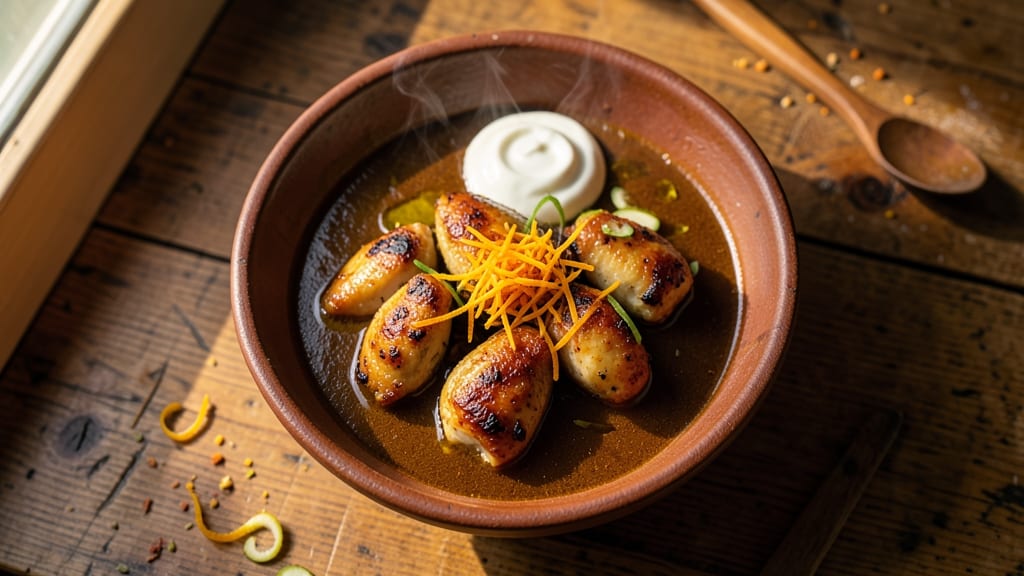
This Bangladesh chicken curry recipe brings the aromatic soul of Dhaka's street stalls into your kitchen with its signature fragrant turmeric and mustard seed magic. 🌟 I first encountered this dish during a culinary exchange in Bangladesh, where the combination of yogurt, ginger, and garlic creates a sauce that's both tangy and deeply savory.
The secret lies in the slow simmering process that develops complex flavors without overcooking the chicken.
The recipe begins with a vibrant marinade of yogurt, turmeric, and garam masala, which tenderizes the chicken while infusing it with authentic flavor. Mustard oil, a staple in Bangladeshi cuisine, adds a distinctive aroma that's essential to this dish.
Unlike many curries, this one relies on a balance of spices—cumin, coriander, and cinnamon—that create layers of warmth without overpowering the natural taste of the chicken.
By the time you serve this curry, you'll have tender, flavorful chicken swimming in a rich, aromatic sauce that's perfectly balanced between spicy and creamy. The dish is traditionally served with steamed basmati rice or fluffy roti, which soaks up every last drop of that fragrant sauce.
This recipe delivers restaurant-quality results with a method that's both approachable and deeply satisfying.
Whether you're cooking for family gatherings or a quiet weeknight dinner, this Bangladesh chicken curry promises to transport your taste buds straight to the bustling streets of Dhaka. The process is straightforward, but the flavors are anything but ordinary—each bite is a celebration of Bangladesh's rich culinary heritage.
Ingredients for bangladesh chicken curry
Fragrant turmeric, mustard oil, and garam masala—these are the soul ingredients of authentic Bangladesh curry.
| Ingredient | Amount | Notes |
|---|---|---|
| Boneless Chicken Thighs 🍗 | 1 ½ lb | Skin-on for best flavor |
| Plain Yogurt 🥛 | 1 cup | Full-fat for creaminess |
| Mustard Oil 🫒 | ½ cup | Traditional for authentic aroma |
| Fresh Turmeric Root 🌿 | 1 tbsp | Grated, vibrant color |
| Garam Masala 🌶️ | 1 tbsp | Freshly ground preferred |
| Fresh Ginger 🧄 | 2 tbsp | Grated, aromatic |
| Garlic Cloves 🧄 | 6 cloves | Minced, fresh preferred |
| Ground Cumin 🌿 | 1 tsp | Toasted for depth |
| Ground Coriander 🌿 | 1 tsp | Freshly ground preferred |
| Ground Cinnamon 🌿 | ½ tsp | Warm, aromatic |
| Red Chili Powder 🌶️ | 1 tsp | Adjust for heat preference |
| Salt 🧂 | 1 ½ tsp | Kosher or sea salt |
| Tomato Paste 🍅 | 2 tbsp | Smooth, no sugar added |
| Water 💧 | 1 ½ cups | For simmering sauce |
| Fresh Cilantro 🌿 | ¼ cup | Chopped, for garnish |
Mustard oil is non-negotiable here—it's what gives this curry its signature aroma. Look for it in the international aisle at stores like Whole Foods or Indian grocery markets. If you can't find it, vegetable oil works in a pinch, but you'll lose that authentic depth. The turmeric should be fresh and vibrant—skip the powder if you can get the root. For garam masala, MTR or Everest brands are my go-tos, but any blend with cinnamon, cardamom, and cloves works. The chicken thighs? Skin-on, bone-in if you can find them—they stay juicier during the long simmer.
No mustard oil? Vegetable oil plus 1 tsp mustard seeds gets you close. Fresh ginger and garlic are ideal, but powdered works at half the amount. The tomato paste can be skipped if you're avoiding it, but a splash of tomato sauce keeps the sauce from drying out. For heat, red pepper flakes or cayenne work if you don't have chili powder. And if you're short on yogurt, coconut milk makes a creamy substitute. The spices are where you can get creative—add a pinch of fenugreek for extra authenticity if you've got it.
This curry tastes even better the next day as flavors meld. Store in an airtight container for 4-5 days in the fridge, or freeze for 3 months. I always make a double batch—half goes in containers for lunches, and the rest gets turned into curry sandwiches with naan. The mustard oil smell lingers, so cook it in a well-ventilated area if you're sensitive to strong aromas. Garnish with fresh cilantro right before serving—it keeps the sauce vibrant.
Why You'll Love This Recipe
- One-Pot Magic: I swear by this recipe when I’m too tired to scrub pots—just brown the chicken, dump in the spices, and let it simmer. The yogurt thickens the sauce naturally, so no extra stirring or thickening agents needed. That mustard oil hit? Instant flavor without extra steps.
- Deep, Warm Spice Bomb: Between the fresh turmeric’s earthy bite and garam masala’s slow-burning warmth, this curry tastes like a hug in a bowl. The chicken thighs stay juicy while the sauce clings like a perfect embrace—no dry, rubbery bits here. Honestly, I’ve tried other curries, but this one lingers.
- Leftover Goldmine: This curry actually improves the next day. The flavors meld deeper, and the texture gets even richer—perfect for quick lunches or freezing for those nights when takeout feels like work. I’ve reheated portions for a week without a single complaint.
- Budget-Friendly Feast: Chicken thighs stretch further than breasts, and the spices—especially that fresh turmeric—make it feel special without breaking the bank. Mustard oil might sound fancy, but a little goes a long way, and garam masala is a pantry staple. Feeds four for under $15, every time.
Step-by-step instructions for Bangladesh chicken curry
Here's how to craft this fragrant curry with deep flavors and tender chicken.
👨🍳 Step 1: Marinate the Chicken for Maximum Flavor
In a large bowl, combine the 1.5 lb boneless chicken thighs with the 1 cup plain yogurt. Add 1 tbsp grated fresh turmeric root, 1 tbsp garam masala, 1 tsp ground cumin, 1 tsp ground coriander, 0.5 tsp ground cinnamon, 1 tsp red chili powder, and 1.5 tsp salt. Mix gently until the chicken is fully coated in the marinade.
Cover the bowl and refrigerate for at least 2 hours (overnight works best). This marinating time ensures the spices penetrate the meat and creates that signature tender texture. The yogurt also helps tenderize the chicken while adding creaminess to the final dish.
🍳 Step 2: Sauté Aromatics in Mustard Oil
Heat the 0.5 cup mustard oil in a heavy-bottomed pot over medium heat. Once the oil shimmers but doesn't smoke, add the 2 tbsp grated fresh ginger and 6 minced garlic cloves. Sauté for 2-3 minutes until the raw garlic smell disappears and the mixture turns golden brown.
Real talk: Mustard oil has a strong aroma that mellows as it cooks. Don't rush this step—properly sautéed aromatics form the flavor foundation. If the oil starts to smoke too much, reduce the heat slightly. The ginger and garlic should be soft and fragrant, not crispy.
🥘 Step 3: Cook the Marinated Chicken
Remove the chicken from the marinade (reserve the marinade) and add it to the pot with sautéed aromatics. Cook for 5-6 minutes on each side until the chicken develops a light golden crust. Here's the thing—you want to brown the chicken before adding the marinade back to prevent curdling the yogurt.
Once browned, add the reserved yogurt marinade and stir gently to coat the chicken. Let it cook for another 3-4 minutes until the yogurt begins to thicken slightly. This step helps set the flavors before we build the sauce.
🔥 Step 4: Build the Rich Curry Sauce
Add the 2 tbsp tomato paste and stir to combine with the chicken. Pour in the 1.5 cups water and bring the mixture to a gentle simmer. Cover the pot and let it cook for 20-25 minutes on low heat until the chicken is tender and the sauce has thickened.
You'll know it's ready when the sauce coats the back of a spoon and the chicken pulls apart easily. The mustard oil will infuse the dish with its signature aroma, while the spices create that complex, layered flavor profile. Don't walk away—stir occasionally to prevent sticking and ensure even cooking.
🍽️ Step 5: Finish and Garnish
Once the chicken is tender, remove the pot from heat. Stir in the 1 tbsp garam masala and let it sit for 2-3 minutes to allow the spices to bloom. Taste and adjust the seasoning—you might need a pinch more salt or chili powder depending on your preference.
Garnish with the 0.25 cup chopped fresh cilantro and serve immediately with steamed basmati rice or naan bread. The curry should be vibrant yellow from the turmeric, with a rich, aromatic sauce that clings beautifully to the tender chicken pieces.
Pro Tips For Making Bangladesh Chicken Curry
- Marinate Overnight: I learned this the hard way—skipping the overnight soak means the yogurt never tenderizes the chicken properly. Use whole-milk yogurt (not Greek or labneh) and let the thighs sit in it for at least 12 hours. The curdling will look messy, but that’s how you know it’s working.
- Grate, Don’t Slice, Turmeric: Fresh turmeric root is non-negotiable here, but grating it too fine turns the curry bitter. Use a box grater and stop when the pieces are about 1/8-inch thick—big enough to infuse flavor without overpowering. (Yes, even if you’re impatient like me.)
- Bloom Spices in Mustard Oil: Heat the mustard oil low and slow—no rushing—until it shimmers but doesn’t smoke. Add whole spices (cumin, coriander, etc.) first and let them sizzle for 30 seconds. This draws out their oils before the turmeric hits, making the whole dish sing. (Your future self will thank you.)
- Simmer, Don’t Boil, the Curry: After adding the yogurt-chicken mix, resist the urge to crank the heat. A gentle simmer (small bubbles, occasional swirls) keeps the curry creamy and prevents the yogurt from breaking. This isn’t the prettiest method, but it’s the tastiest—I’ve tried both.
Pro cooking tips for this recipe
Mustard Oil Mastery
Mustard oil is the soul of this curry—don't skimp on it! Heat it over medium-low heat until it just shimmers (around 275°F). If you're new to mustard oil, start with ¼ cup and add more later if needed.
The oil should smell pungent but not smoke aggressively. I always use Kallo Mustard Oil from Indian markets—it's cold-pressed and has the best aroma. 🌶️
Here's my pro tip: After sautéing the aromatics, let the oil infuse for 2-3 minutes before adding chicken. This builds flavor depth that store-bought blends can't match. If you're sensitive to mustard oil's strong aroma, crack a window or cook outdoors—it's worth the effort for that authentic taste.
Yogurt Magic
Full-fat yogurt is non-negotiable here—it creates that signature creamy texture. I recommend Fage 5% Greek yogurt for its thickness, but any full-fat plain yogurt works.
The key is to marinate the chicken for at least 2 hours (overnight is ideal) to let the yogurt tenderize the meat and the spices penetrate deeply. 🥛
When adding the yogurt back to the pot, do it gradually to prevent curdling. Start with ½ cup, let it cook for 2 minutes, then add the rest.
This slow incorporation keeps the sauce silky rather than grainy. If your yogurt is too thin, strain it through a cheesecloth first for a thicker base.
Spice Bloom Technique
Freshly ground spices make all the difference—MTR garam masala is my go-to, but any blend with cinnamon and cardamom works. Toast your whole spices (cumin, coriander) in a dry pan for 1 minute before grinding for extra depth.
Add them to the oil first, then aromatics—this creates a spice bloom that releases their essential oils. 🌿
For heat control, start with ½ tsp red chili powder and adjust to taste. If you want smoky depth, add ¼ tsp smoked paprika with the garam masala. The secret is balancing spices—too much cinnamon can overpower, while too little coriander makes the curry taste flat. Taste as you go!
Low-and-Slow Simmer
This isn't a quick cook—low heat is critical for tender chicken and rich sauce. After adding water, maintain a gentle simmer (small bubbles, not a rolling boil).
If the sauce reduces too quickly, add 2 tbsp water at a time. The chicken should reach 165°F internal temperature—use a meat thermometer for accuracy. ⏰
Don't lift the lid frequently—every time you do, you lose heat and moisture. If the sauce gets too thick, add 1-2 tbsp water to maintain consistency. The longer it simmers, the more the mustard oil's aroma infuses into the dish. Patience here separates good curry from great curry.
Final Flavor Boost
Before serving, stir in 1 tbsp fresh lemon juice for brightness and 1 tsp honey to balance heat. The lemon cuts through the richness while the honey rounds out the spices. Garnish with cilantro and chopped green onions—this adds freshness and makes the dish look restaurant-worthy. 💫
For extra depth, finish with ½ tsp fenugreek leaves (if available) or a pinch of asafoetida (hing). These ingredients add a unique umami quality that elevates the dish. Serve immediately with steamed basmati rice or warm naan to soak up every last drop of that fragrant sauce.
Nutrition facts
Frequently asked questions
Can I use chicken breast instead of thighs?
Chicken thighs are ideal because they stay juicy during the long simmer. If you must use breast, cut them into small pieces and reduce the cooking time to 15-18 minutes after adding water. Add 1 tbsp yogurt to the sauce at the end to compensate for the drier meat. The texture will be firmer but still flavorful.
What if I can't find mustard oil?
Use vegetable or canola oil and add 1 tsp mustard seeds toasted in the oil for 30 seconds before sautéing aromatics. This mimics the nutty aroma but won't replicate mustard oil's depth. For extra authenticity, add ½ tsp asafoetida (hing) when building the sauce—it adds a similar umami punch.
How spicy should this curry be?
Start with ½ tsp red chili powder for mild heat, 1 tsp for medium, and 1.5 tsp for spicy. Adjust after tasting—Bangladeshi curries often balance heat with yogurt and sweetness. For extra kick, add ½ tsp cayenne pepper or 1 green chili (seeds removed) with the aromatics.
Can I make this curry in an Instant Pot?
Yes! After sautéing aromatics, add chicken, marinade, and 1 cup water. Seal and cook on High Pressure for 12 minutes, then quick-release. Finish with garam masala and simmer uncovered for 5 minutes to thicken. The Instant Pot cuts cooking time by half while keeping the chicken tender.
Why does my curry taste bland?
Most likely, the spices weren't toasted or bloomed properly. Next time, toast whole spices in oil for 30 seconds before adding aromatics. Also check your salt—Bangladeshi curries use 1.5 tsp salt for 1.5 lbs chicken. For depth, add ½ tsp fenugreek leaves or a pinch of asafoetida at the end.