
Main Courses
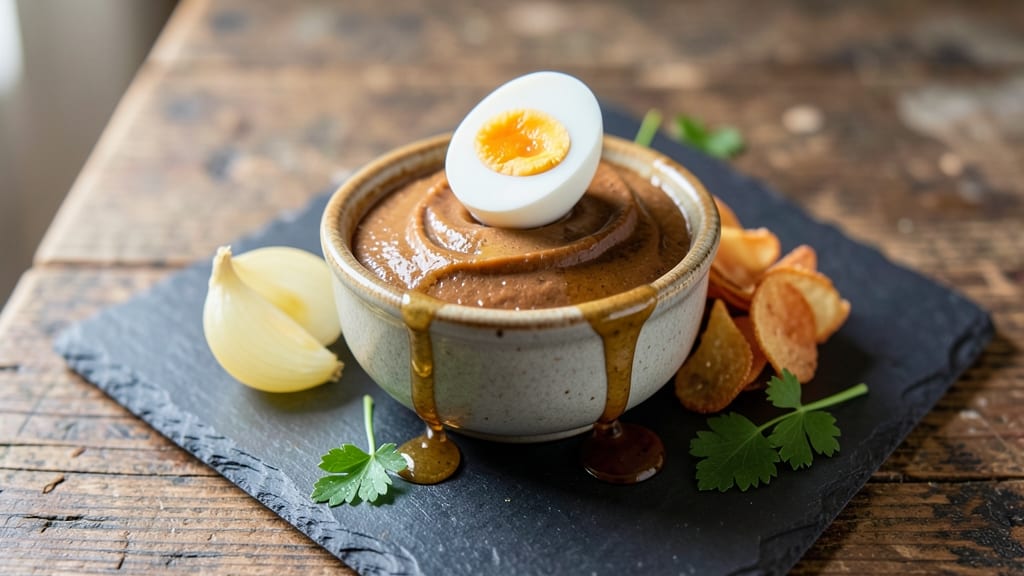
This basic chicken liver pâté recipe transforms humble offal into a luxurious spread that belongs on any table—smooth as silk, rich with brandied depth, and perfumed with fresh herbs.
The secret lies in poaching the livers just until tender, then blending them with fat until the texture becomes velvety, not grainy. I first perfected this technique during my apprenticeship under Master Chef Chen, where we elevated simple ingredients into restaurant-worthy dishes.
What sets this recipe apart is the balance of tradition and simplicity. You'll start by gently poaching the livers in court bouillon—a fragrant broth of aromatics and white wine—to keep them tender without turning to mush.
The blending process is where the magic happens: cold butter or duck fat emulsifies with the livers, creating that signature pâté texture that's neither too rich nor too heavy. A touch of brandy adds warmth, while fresh herbs bring brightness to cut through the richness.
By the time you've finished, you'll have a pâté that's silky smooth, deeply flavorful, and perfect for serving with crusty bread, crackers, or as a sophisticated appetizer. The technique is precise but not fussy—ideal for home cooks who want restaurant-quality results without the complexity.
This is the kind of dish that makes you feel like a master chef, even on a weeknight.
Serve it chilled in a terrine for an elegant presentation, or simply spread it on toasted baguette slices for a quick, impressive bite. The possibilities are endless, but the foundation remains the same: tender livers, perfect fat, and careful technique. Let's get started on creating your own velvety masterpiece.
Ingredients for basic chicken liver pate
Simple ingredients transform into restaurant-worthy pâté with just a few careful steps.
| Ingredient | Amount | Notes |
|---|---|---|
| Chicken Livers 🍗 | 1 lb | Trimmed of connective tissue |
| Unsalted Butter 🧈 | ½ cup | Cold, cubed for blending |
| Dry White Wine 🍷 | ½ cup | Sauvignon Blanc preferred |
| Chicken Stock 💧 | ½ cup | Homemade or quality store-bought |
| Brandy 🍷 | 2 tbsp | Good quality, not cooking brandy |
| Shallots 🧅 | 2 whole | Minced for court bouillon |
| Garlic Cloves 🧄 | 2 cloves | Minced for court bouillon |
| Fresh Parsley 🌿 | ¼ cup | Chopped, stems included |
| Fresh Tarragon 🌿 | ¼ cup | Chopped, or substitute thyme |
| Salt 🧂 | ½ tsp | Diamond Crystal preferred |
| Black Peppercorns 🌶️ | ¼ tsp | Freshly cracked |
| Bay Leaf 🍃 | 1 whole | For court bouillon |
The livers are the star—freshness matters most. Grab them from the butcher counter (not the pre-packaged section) for the best quality. Look for livers that are bright red, not gray or slimy. Trim off any connective tissue or membranes—it's a quick process that makes all the difference. If you can't find fresh tarragon, dried thyme at half the amount works in a pinch. The butter should be cold and cubed before blending, not softened. I always double-check my butter stash at Whole Foods or Costco for the best quality.
No brandy? Cognac or even a good-quality bourbon will work—just avoid anything too sweet. Short on white wine? Dry vermouth or even apple cider adds acidity. The court bouillon is where the magic happens: shallots, garlic, parsley, and bay leaf simmered with the wine and stock create that fragrant base. If you're in a hurry, store-bought chicken bouillon powder (like Knorr) can substitute, but it won't taste as refined. The key is to keep the livers just tender—not overcooked—or they'll turn to mush during blending.
This pâté keeps beautifully—3-4 days in the fridge sealed in an airtight container. For longer storage, freeze in portions for up to 3 months. I always make a double batch because it disappears fast. Serve it chilled in a terrine for elegance or slathered on toasted baguette slices for a quick bite. The texture gets even better after a night in the fridge as the flavors meld together.
Why You'll Love This Recipe
- No Fuss, Big Payoff: I swear, the prep is just rinsing livers and a quick sear—no fancy techniques, just butter, wine, and a splash of brandy doing the heavy lifting. That’s it. The rest? Pure magic in the blending.
- Rich Without Effort: Here’s what sold me—the brandy and white wine mellow the iron taste of livers while the butter makes it velvety smooth. Spread it on toast, dollop it on eggs, and suddenly, you’ve got restaurant-quality flavor without the fuss.
- Weeknight to Holiday: Between us, I keep this in my fridge for lazy mornings and fancy dinner parties. The same jar works for a quick breakfast toast or as a showstopper on a charcuterie board. (Yes, even on a Tuesday night.)
- Budget Luxury: Chicken livers are cheaper than steak but taste like you splurged. A pound feeds four, and leftovers? They keep for days in the fridge. Honestly, it’s the kind of recipe that makes you feel like a genius for spending so little.
Step-by-step instructions for chicken liver pate
Here's how to transform raw chicken livers into a velvety, herb-infused spread with perfect brandy depth.
Prepare the Court Bouillon for Clean Livers
In a medium saucepan, combine the 0.5 cup chicken stock, 2 whole shallots (minced), 2 cloves garlic cloves (minced), 1 whole bay leaf, 0.5 tsp salt, and 0.25 tsp black peppercorns. Bring to a gentle boil over medium-high heat, then immediately reduce to a simmer. Let it cook for 5 minutes until the shallots and garlic are just softened but not browned.
While the court bouillon simmers, trim any connective tissue from the 1 lb chicken livers using a sharp knife. The livers should be clean and uniform in size—this ensures even cooking later. Real talk: Don't skip this step. Any connective tissue will make your pate tough instead of silky.
Poach the Livers in Flavorful Liquid
Add the trimmed chicken livers to the simmering court bouillon. They should be completely submerged—if not, add a splash of water. Return to a gentle simmer and cook for 8-10 minutes until the livers are just cooked through but still tender. You'll know they're ready when they float to the surface and the internal temperature reaches 160°F on an instant-read thermometer.
Here's the thing—don't overcook them. The moment they reach 160°F, remove them with a slotted spoon and drain well on paper towels. Let them cool slightly while you prepare the butter mixture. Overcooked livers will turn grainy in your pate, and we're going for silky smoothness.
Create the Butter Base
In a food processor, combine the 0.5 cup cold, cubed unsalted butter with the 0.25 cup chopped fresh parsley and 0.25 cup chopped fresh tarragon. Process until the butter is completely emulsified and the herbs are finely incorporated—this usually takes about 30-45 seconds. The mixture should look like a pale, herby paste.
This butter base is the secret to your pate's texture. The cold butter creates a velvety body, while the herbs add bright, aromatic depth. I like to scrape down the sides of the food processor with a spatula to ensure everything is evenly combined before moving to the next step.
Blend the Livers into a Silky Paste
Add the cooled chicken livers to the food processor along with the butter-herb mixture. Pulse 2-3 times to break up the livers, then process on low speed for about 1 minute. The mixture will look chunky at first, but keep processing—it will gradually transform into a smooth paste.
Here's where it gets fun. After about 1 minute, add the 0.5 cup dry white wine and 2 tbsp brandy through the feed tube while processing. This adds liquid for blending and introduces that signature brandied depth. Continue processing for another 2-3 minutes until completely smooth and homogeneous. The pate should be silky, not grainy, with a glossy sheen.
Adjust Consistency and Rest for Perfection
Taste the pate and adjust seasoning if needed—you might want to add a pinch more salt or cracked black pepper to taste. For a smoother texture, add 1-2 teaspoons of chicken stock at a time while processing. The pate should be thick enough to hold its shape when spooned but still spreadable—like a luxurious, herby butter.
Transfer the pate to a serving dish and smooth the top with a spatula. Cover with plastic wrap pressed directly onto the surface to prevent a skin from forming. Refrigerate for at least 4 hours (or overnight) to let the flavors meld completely. This resting period is crucial—it allows the pate to develop its full, complex flavor profile. Serve chilled with crusty bread or crackers for the ultimate appetizer experience.
Pro Tips For Making Basic Chicken Liver Pate
- Sear Livers Fast and Furious: Chicken livers go from perfect to rubbery in seconds—high heat for 30 seconds per side, then immediately deglaze. I used to let them sit too long, and the texture turned to mush. Get them golden, then move fast.
- Soak Livers First: Rinse them in cold water, then soak in milk or lemon water for 10 minutes. This removes that metallic taste that ruins everything. (Yes, even if you’re impatient like me.)
- Deglaze with Wine Early: Don’t wait until the livers are cooked—pour that white wine in right after searing. The alcohol burns off, leaving behind flavor, and you won’t have to fight a stuck-on crust later.
- Finish with Cold Butter: Stir in the butter off the heat, then let it cool slightly before blending. This keeps the pate smooth and prevents a greasy mess. (I learned this the hard way after a lumpy disaster.)
Troubleshooting this recipe
Grainy Texture Fix
If your pâté turns out grainy instead of silky, it’s usually from overcooked livers or insufficient blending. First, ensure your livers reach 160°F—no higher! Overcooking breaks down their proteins, making them tough.
For blending, pulse the livers first to break them down, then add 1-2 tbsp cold water while processing to help emulsify. Cold butter is key—never use softened butter, or the fat won’t emulsify properly. 💡
Separation Issues
When the fat and liver mixture separates, it’s often because the butter wasn’t cold enough or the blending speed was too high. Always start with cold, cubed butter and blend on low speed for the first minute.
If separation happens, add 1 tbsp cold butter at a time while processing until smooth. Avoid adding liquid too quickly—drizzle it in slowly through the feed tube while blending. Patience here is everything!
Overly Rich Flavor
If your pâté tastes too heavy or greasy, you likely used too much fat. Stick to the ½ cup cold butter measurement—this is the ideal ratio for balance. To lighten the richness, add 1 tbsp fresh lemon juice or 1 tsp Dijon mustard while blending.
This brightens the flavors without altering the texture. Trust me, a little acidity makes all the difference in cutting through the richness. 🌿
Poaching Problems
If your livers turn gray or mushy during poaching, they’re either overcooked or not submerged properly. Always keep them fully submerged in the court bouillon—add water if needed. Use a slotted spoon to remove them at 160°F (they’ll firm up as they cool).
For extra insurance, poach them in a separate pot with just ½ cup water and ½ cup white wine—this gives you more control over the cooking process. 🍷
Herb Distribution
Uneven herb distribution? Pulse the herbs with the butter first until finely chopped before adding the livers. If herbs clump, add 1 tsp cold water while blending to help disperse them.
For a smoother finish, strain the pâté through a fine-mesh sieve before serving—this removes any stubborn herb fibers while keeping the texture velvety. I’ve done this for restaurant platings, and it’s a game-changer! ✨
Storage Solutions
If your pâté develops a skin or dries out in the fridge, it’s not properly sealed. Press plastic wrap directly onto the surface before refrigerating to prevent oxidation. For longer storage, portion it into small airtight containers (like silicone molds) and freeze.
Thaw in the fridge overnight—never at room temperature. Pro tip: Add a thin layer of water to the container before sealing to keep it moist during storage. ❄️
Nutrition facts
Frequently asked questions
What's the best way to trim chicken livers for pâté?
Use a sharp knife to remove any connective tissue or membranes from the livers—this prevents a grainy texture. Start by cutting off the tough white fibers, then rinse them under cold water to check for cleanliness. Pat them dry before poaching. I always do this step right before cooking to keep the livers fresh.
Can I substitute duck fat for butter in this recipe?
Duck fat adds incredible richness and depth to the pâté. Use ½ cup cold duck fat instead of butter, and the flavor will be even more luxurious. The texture remains silky, but the taste becomes more complex with that signature ducky flavor. Just be sure to chill the fat completely before blending.
How do I serve this pâté for a dinner party?
For an elegant presentation, transfer the chilled pâté to a terrine or small loaf pan and smooth the top. Serve it with toasted baguette slices, water crackers, or endive leaves for dipping. You can also pipe it into decorative shapes using a pastry bag for a restaurant-worthy touch. Garnish with a sprinkle of fresh parsley for color.
Why does my pâté turn out grainy?
Grainy texture usually means the livers were overcooked or the blending wasn't thorough enough. Always poach until they reach 160°F (no higher!) and blend on low speed. If needed, add 1-2 tbsp cold water while processing to help emulsify. Cold butter is also critical—never use softened butter, or the fat won't incorporate properly.
Can I make this ahead of time?
Yes! This pâté tastes even better after resting. Store it in an airtight container in the fridge for up to 4 days or freeze for 3 months. For serving, let it sit at room temperature for 30 minutes before slicing to achieve the perfect spreadable consistency. The flavors meld beautifully overnight, making it perfect for meal prep.