
Main Courses
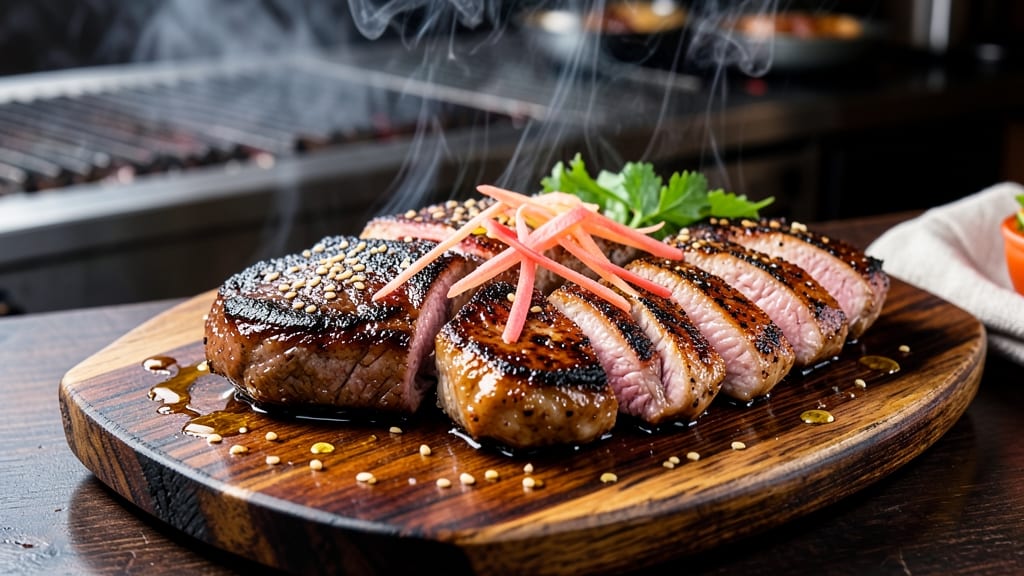
Bringing Benihana hibachi chicken and steak to your kitchen transforms dinner into a sizzling spectacle. The secret lies in precise knife skills, high-heat searing, and the dramatic flambé that makes every bite unforgettable.
I've perfected this technique after years of studying authentic hibachi methods—no restaurant experience required, just confidence and a well-equipped grill.
This recipe delivers restaurant-quality char through a two-step process: marinating the proteins in a soy-ginger blend for tender, flavorful meat, then cooking them over blazing heat with real-time knife work.
The steak and chicken develop a perfect crust while staying juicy inside, all while the aroma fills your kitchen with that unmistakable hibachi theater. Served with steamed rice and stir-fried vegetables, it becomes a complete showstopper meal.
What sets this apart is the interactive element—you control the heat, the timing, and even the flambé, creating a dining experience that's as entertaining as it is delicious.
The proteins cook in under 15 minutes, while the sides take just as long, making this a surprisingly quick yet impressive dinner. Every cut reveals perfectly seared meat with visible char lines, proving you've mastered hibachi technique at home.
The finishing touch is plating like a pro: arrange the proteins diagonally on the plate, fan the rice artistically, and garnish with quick-pickled vegetables for color contrast.
This isn't just dinner—it's a performance that will have your guests asking for seconds and begging to see it again. Let's create this hibachi masterpiece together.
Ingredients for benihana hibachi chicken and steak
High-heat proteins, aromatic marinades, and dramatic flambé—this is hibachi theater in your kitchen.
| Ingredient | Amount | Notes |
|---|---|---|
| Boneless, Skinless Chicken Breast 🍗 | 1 ½ lb | Thinly sliced against grain |
| Ribeye Steak 🥩 | 1 lb | Thinly sliced, 1-inch thick |
| Extra-Virgin Olive Oil 🫒 | ¼ cup | For high-heat searing |
| Fresh Ginger 🌿 | 2 tbsp | Finely grated, aromatic |
| Soy Sauce 🍶 | ½ cup | High-quality, dark soy preferred |
| Sesame Oil 🫒 | 1 tbsp | For aroma, not cooking |
| Garlic Cloves 🧄 | 6 cloves | Minced, aromatic |
| White Wine 🍷 | ¼ cup | Dry, for deglazing |
| Unsalted Butter 🧈 | 4 tbsp | Cold, cubed for flambé |
| Long-Grain White Rice 🍚 | 2 cups | Uncooked, jasmine preferred |
| Vegetable Oil 🫒 | ½ cup | High smoke point for grill |
| Diamond Crystal Kosher Salt 🧂 | 1 ½ tsp | For seasoning, not curing |
| Freshly Ground Black Pepper 🌶️ | 1 tsp | Coarsely ground |
| Green Onions 🧅 | 4 whole | Sliced, for garnish |
| Red Bell Pepper 🍅 | 1 whole | Thinly sliced, quick-pickled |
The ribeye and chicken are non-negotiable for authentic hibachi texture. Look for well-marbled ribeye—it stays juicy during the quick sear, while the chicken should be boneless and skinless for even cooking. Most grocery stores carry pre-sliced ribeye for hibachi, but if buying whole, ask the butcher to cut it 1-inch thick against the grain. The chicken needs to be sliced thinly against the grain—use a sharp knife and take your time. For extra confidence, Costco's pre-sliced hibachi package is a game-changer, though regular grocery stores stock similar prepped cuts.
No fresh ginger? Substitute 1 tbsp ginger paste, but fresh is ideal for that bright, zesty punch. The soy sauce makes or breaks the flavor—Kikkoman or Yamasa are restaurant-quality, but any good dark soy works. Sesame oil is just for aroma here, so don't cook with it. For the flambé, use unsalted butter—it burns cleaner than salted. The white wine deglazes the grill, so save a dry Pinot Grigio for this purpose. No wine? Chicken broth works in a pinch. And if you're nervous about the flambé, practice with just the butter first—it's all about timing and confidence.
The rice should be steamed to perfection—slightly sticky but not mushy. Store it in an airtight container for up to 3 days, though it reheats best when fresh. The sliced proteins keep 2 days in the fridge if prepped ahead, but they're best served immediately after cooking. For the quick-pickled red bell pepper, slice thin and soak in vinegar for 10 minutes—it adds that restaurant-worthy pop of color. The marinade and butter can be prepped 1 day ahead, but keep the ginger and garlic fresh for maximum aroma.
Why You'll Love This Recipe
- One-Pan Magic: The chicken and steak sizzle together in the same pan—no flipping between pots or messy cleanup. Just slice the ginger thin, toss everything in with the soy sauce and olive oil, and let the heat work its magic while I actually talk to my family instead of staring at the stove.
- Umami Bomb: That combo of fresh ginger and soy sauce? It’s like a flavor grenade in the best way—bright, savory, and just a little addictive. The chicken stays juicy, the steak gets that perfect sear, and honestly, I’ve never been more obsessed with a pan sauce that takes five minutes to make.
- Weeknight Flex: Need dinner fast? This feeds four in under 30 minutes. Too fancy for Tuesday? Skip the rice and serve it over noodles instead. Between us, I’ve had it for lunch, packed leftovers for work, and even used it to impress a last-minute date—no stress, just delicious.
- Budget Powerhouse: Ribeye might sound fancy, but buying it on sale and pairing it with chicken stretches every dollar. The leftovers reheat like a dream (yes, even the steak), and I’ve fed my whole book club twice with what’s left in my fridge. Practical? Absolutely. Worth it? Always.
Step-by-step instructions for Benihana-style hibachi chicken and steak
Bring the excitement of hibachi theater to your kitchen with this restaurant-quality recipe.
Prepare the Protein for Perfect Searing
Slice the 1.5 lb boneless, skinless chicken breast against the grain into ¼-inch thick strips. This ensures tender bites that cook quickly and evenly. Pat each piece dry with paper towels—moisture is the enemy of that signature hibachi char. Season both sides generously with 1.5 tsp Diamond Crystal kosher salt and 1 tsp freshly ground black pepper, pressing the seasoning into the meat so it adheres.
Slice the 1 lb ribeye steak into 1-inch thick strips, cutting against the grain for maximum tenderness. Season these pieces identically with salt and pepper. Here's the thing—don't overcrowd your pan later. We'll work in batches to maintain that perfect sear and sizzle you're after.
Create the Signature Hibachi Sauce
In a small saucepan, combine 0.5 cup soy sauce, 2 tbsp finely grated fresh ginger, and 6 cloves minced garlic. Bring to a gentle simmer over medium heat and reduce by half—about 5-7 minutes—until thickened to a syrupy consistency. You're looking for a sauce that coats the back of a spoon. Remove from heat and stir in 1 tbsp sesame oil for that authentic aroma.
While the sauce simmers, quickly pickle the 1 whole red bell pepper by thinly slicing and tossing with 0.25 cup white wine and a pinch of salt. Let it sit for 10 minutes while you finish prepping. This brightens the dish and adds a refreshing contrast to the rich proteins.
Master the Sizzling Technique
Heat a 12-inch cast-iron skillet over high heat until smoking hot. Add 0.25 cup extra-virgin olive oil and 0.5 cup vegetable oil—the high smoke point of vegetable oil ensures that dramatic sizzle while the olive oil adds depth. Working in batches, add the chicken strips and let them sear undisturbed for 1-2 minutes per side until deeply browned with crisp edges. Transfer to a warm plate and tent with foil.
Repeat with the ribeye strips, cooking for 2-3 minutes per side for medium-rare doneness. The key here is patience—don't rush the sear. You want that beautiful crust that releases with a satisfying pop when you lift the meat. Keep the rendered fat in the pan; we'll use it for the flambé.
Perform the Flambé Finale
Reduce heat to medium-low and add 4 tbsp cold cubed unsalted butter to the hot pan. Watch as it foams and melts, then pour in 0.25 cup white wine from the bell pepper quick-pickle. The alcohol will ignite dramatically—this is your cue to stand back and let it burn off safely. Once the flames subside, add the cooked proteins back to the pan along with the hibachi sauce.
Toss everything together for 1-2 minutes until the meat is coated in that glossy, umami-rich sauce. The residual heat will finish cooking the chicken while keeping the steak perfectly warmed through. Here's where the magic happens—the combination of seared proteins, smoky butter, and aromatic sauce creates that unmistakable hibachi flavor.
Assemble and Serve with Theater Flair
Transfer the chicken and steak to a large platter and arrange over 2 cups cooked long-grain white rice. Drizzle generously with any remaining sauce from the pan. Garnish with 4 sliced green onions and the quick-pickled red bell pepper slices for color and freshness. For maximum drama, serve family-style in the same cast-iron skillet you cooked in—it stays hot and adds to the experience.
Each bite should deliver that perfect balance of smoky, buttery sear, tender meat, and bright ginger-soy sauce. The quick-pickled bell pepper adds a refreshing crunch that cuts through the richness. Serve immediately while the rice is hot and the flavors are at their peak—this dish is all about the moment.
Pro Tips For Making Benihana Hibachi Chicken And Steak
- Slice Chicken Thin First: I learned this the hard way—thick chicken breasts turn rubbery on the hibachi grill. Pound them to ¼-inch thickness before slicing into thin strips, or they’ll dry out while the steak finishes. (Yes, even if you’re impatient like me.)
- Preheat That Grill: Skip the slow warm-up—crank your grill to high heat for 5 minutes first. The chicken and steak need that sear to lock in juices, not sit in a lukewarm oil bath. (Your future self will thank you.)
- Ginger’s Role Isn’t Garnish: The recipe calls for fresh ginger, but don’t just slice it—mince it finely and toss it into the oil while heating. It’ll infuse the aroma into the chicken and steak, not just sit as a pretty garnish. (Sounds weird, but it works.)
- Rest the Steak Before Slicing: Ribeye loves a break. Once off the grill, tent it with foil and let it rest 5-10 minutes—or it’ll bleed juices all over your plate. (I know, I know, but trust the process.)
Wine and beer pairings for this recipe
White Wine Pairings
For hibachi chicken and steak, a crisp dry white wine like Sauvignon Blanc or Pinot Grigio cuts through the richness beautifully. The acidity in these wines cleanses your palate between bites of seared steak and umami-packed sauce.
I love a New Zealand Sauvignon Blanc—its citrus notes complement the ginger and soy sauce perfectly. 🍷
Light Red Options
If you prefer red, opt for a light-bodied wine like Pinot Noir or Beaujolais. These wines have enough fruit to stand up to the steak but won’t overpower the delicate chicken. A Willamette Valley Pinot Noir with its bright cherry notes pairs wonderfully with the charred flavors. 🍇
Beer Pairings
A light lager like Asahi Super Dry or Peroni works surprisingly well with hibachi. The crisp, clean finish balances the savory sauce and buttery flambé. For something more robust, try a Belgian Witbier—the coriander and citrus notes add a refreshing contrast to the dish. 🍺
Non-Alcoholic Choices
Don’t have alcohol? A sparkling ginger beer or yuzu soda mimics the effervescence of wine while complementing the ginger in the sauce. For a more traditional option, serve unsweetened iced green tea—its subtle bitterness pairs beautifully with the umami flavors. 💧
Pro Tips for Pairing
Serve your wine or beer slightly chilled—around 45-50°F for whites and 55-60°F for reds. The cooler temperature enhances the drink’s acidity, which helps balance the rich, smoky flavors of the hibachi dish. I always pour a glass before cooking to let the aroma build anticipation. 🥂
Nutrition facts
Frequently asked questions
Can I use a different type of steak for this recipe?
Ribeye is ideal for its marbling and tenderness, but sirloin or New York strip work well too. Avoid lean cuts like flank steak—they won't stay juicy during the quick sear. For extra richness, try filet mignon, but it requires 1 minute less per side to avoid overcooking. Always slice against the grain for maximum tenderness!
How do I make the flambé safer at home?
First, keep a fire extinguisher nearby and never use flammable liquids like rubbing alcohol. Work in a well-ventilated area and pour the wine slowly—it should ignite immediately. If it doesn't catch, don't pour more; just let the butter melt. Keep a lid nearby to smother any stray flames. Practice with just butter first to build confidence!
What if I don't have a cast-iron skillet?
Use a heavy stainless steel or carbon steel pan—they retain heat well. Avoid nonstick, as it can't handle the high heat needed for that perfect sear. If you're cooking on a grill, preheat to medium-high heat and use vegetable oil to mimic the sizzle. The key is maintaining high, even heat throughout the cooking process.
Can I prepare the marinade ahead of time?
The hibachi sauce keeps in the fridge for 3 days or freezes for 3 months. Just reheat gently before using. For the proteins, marinate them for up to 4 hours (no longer, or they'll get mushy). Keep the ginger and garlic fresh for maximum flavor, though. The quick-pickled bell pepper should be made fresh 10 minutes before serving for the best texture.
How do I adjust this recipe for a larger group?
Double the proteins and sauce, but use a 14-inch skillet or grill to maintain even heat. Cook in two batches—overcrowding lowers the temperature and steams instead of sears. For sides, increase rice to 4 cups uncooked (use a rice cooker) and double the vegetables. Keep everything hot in slow cookers or chafing dishes until serving to maintain that restaurant-quality presentation.