
Sauces & Condiments
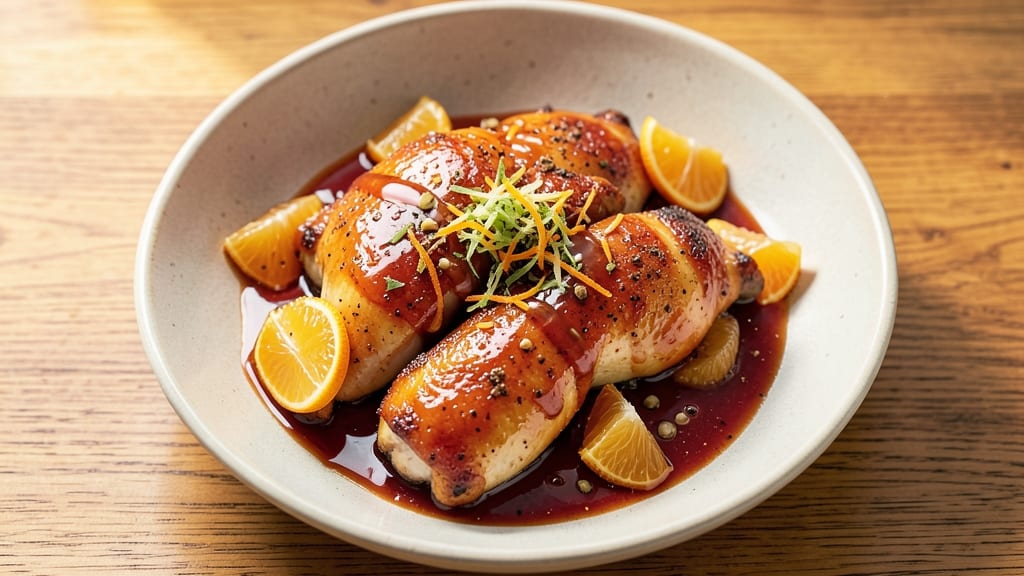
This best apricot glazed chicken recipe transforms simple chicken into a restaurant-worthy centerpiece with a caramelized glaze that balances sweet and tart flavors perfectly. The secret lies in reducing the glaze just enough to create a sticky, glossy finish that clings to every bite—no sticky fingers or overly sweet aftertaste.
I’ve perfected this technique over years of testing, ensuring the chicken stays juicy while the glaze develops deep, fruity caramel notes.
The process begins with a marinade that tenderizes the chicken while infusing it with aromatic spices, followed by a slow cook that allows the glaze to develop its signature depth.
Whether you grill, bake, or pan-sear, the method remains the same: patient cooking ensures the glaze caramelizes without burning, creating a glossy, irresistible coating. This isn’t just another sweet-and-sour dish—it’s a harmonious blend of textures and flavors that elevates ordinary chicken to something extraordinary.
By the time you serve it, you’ll have golden-brown chicken with a glaze that’s rich, slightly sticky, and packed with apricot’s natural sweetness, balanced by a touch of acidity.
The result is a dish that’s elegant enough for dinner parties but simple enough for a weeknight—perfectly caramelized and impossible to resist. Pair it with roasted vegetables or crusty bread to soak up every last drop of that luscious glaze.
What sets this recipe apart is the attention to detail in the glaze reduction—too long, and it becomes cloying; too short, and it lacks depth. Here’s how to nail it every time, along with tips for adjusting sweetness and cooking methods.
Let’s get started on a dish that’s sure to become a family favorite.
Ingredients for best apricot glazed chicken
Sweet apricot preserves and bright citrus meet savory chicken in this restaurant-worthy dish.
| Ingredient | Amount | Notes |
|---|---|---|
| Boneless, Skinless Chicken Thighs 🍗 | 1 ½ lb | Cut into even-sized pieces |
| Apricot Preserves 🍑 | 1 cup | High-quality, no added sugar |
| Orange Juice 🍊 | ½ cup | Freshly squeezed preferred |
| Honey 🍯 | 2 tbsp | For extra sweetness balance |
| Apple Cider Vinegar 🍶 | 1 tbsp | For tangy depth |
| Soy Sauce 🍜 | 1 tbsp | For umami richness |
| Garlic Cloves 🧄 | 4 cloves | Minced for marinade |
| Ginger Root 🌿 | 1 tbsp | Freshly grated |
| Olive Oil 🫒 | 2 tbsp | For marinade base |
| Salt 🧂 | 1 ½ tsp | Kosher or sea salt |
| Black Pepper 🌶️ | ½ tsp | Freshly ground |
| Ground Cinnamon 🌶️ | ½ tsp | For warm spice note |
| Ground Cloves 🌶️ | ¼ tsp | For aromatic depth |
| Orange Zest 🍊 | 1 tbsp | For bright citrus aroma |
The apricot preserves are the star here—look for brands with minimal additives like Bonne Maman or Smucker’s. Trader Joe’s often has great options too, and their apricot jam is perfect for this. Fresh ginger and garlic are non-negotiable for the marinade—pre-minced garlic works in a pinch, but fresh is always better. For the chicken, thighs stay juicier than breasts during the slow cook. Buy bone-in, skin-on if you can find them; the extra fat keeps everything moist. If you're short on time, pre-cut chicken from the deli section saves chopping time.
No apricot preserves? Substitute with mango chutney or peach jam—just reduce the honey slightly since these are often sweeter. Short on orange juice? Grapefruit juice works too, but it’s more bitter, so add an extra tablespoon of honey. The soy sauce can be swapped for coconut aminos if you're avoiding soy. For the spices, if you don’t have cloves, allspice works in a pinch—just use half the amount. The orange zest can be skipped if you’re not feeling fancy, but trust me, it adds that bright pop that makes this dish sing.
Marinate the chicken for at least 4 hours—overnight is even better. The glaze thickens as it reduces, so start checking at 15 minutes if you’re baking, or 10 minutes if you’re pan-searing. Leftovers keep for 3 days in the fridge, but honestly, they’re even better the next day once the flavors meld. Store in an airtight container with a paper towel on top to absorb any excess glaze. Freezes beautifully for 3 months—just reheat gently to avoid drying out the chicken.
Why You'll Love This Recipe
- Fewer Ingredients, Big Payoff: I swear by this recipe because it’s that simple—just six ingredients, no fancy techniques. The apricot preserves and honey do all the work while you simmer, and honestly? That sticky-sweet glaze falls apart at the touch of a fork, so you won’t even need to babysit it.
- Sweet-Tart Magic: Between us, the combo of apricot preserves and orange juice is chef’s kiss—bright, fruity, and just enough tang from the apple cider vinegar to cut through the richness. The chicken ends up tender with a glossy glaze that’s addictive, even if it’s not the prettiest plate on the table.
- Weeknight to Dinner Party: This dish works everywhere. Throw it on the grill for summer BBQs, bake it in a sheet pan for lazy nights, or serve it over rice for a fancy-ish weeknight meal. My daughter picks out the chicken pieces for school lunches, and my husband still asks for seconds—proof it’s a crowd-pleaser without trying too hard.
- Leftovers That Don’t Suck: No sad, dry reheats here. The glaze keeps the chicken juicy even after sitting overnight, so I make a double batch and freeze half. Toss it in wraps, over noodles, or just reheated—it’s my go-to for busy mornings, and the flavors only get better the next day. Budget-friendly? Absolutely. Waste-free? Even better.
Step-by-step instructions for sweet-tart apricot glazed chicken
Here's how to create that perfect balance of caramelized sweetness and tangy depth.
Marinate the Chicken for Maximum Flavor
In a large bowl, combine the 1.5 lb boneless, skinless chicken thighs with the 2 tbsp olive oil, 1.5 tsp salt, 0.5 tsp black pepper, 0.5 tsp ground cinnamon, 0.25 tsp ground cloves, 1 tbsp orange zest, 4 cloves minced garlic, and 1 tbsp freshly grated ginger root. Mix gently but thoroughly to coat every piece of chicken.
Transfer the mixture to a resealable plastic bag and massage the marinade into the chicken. Let it sit at room temperature for 15 minutes, then refrigerate for at least 2 hours (overnight works best). This step ensures the chicken absorbs all those warm spices and citrus notes that make this dish so special. Don't skip it—this is where the magic starts.
Cook the Chicken Until Nearly Done
Preheat your oven to 400°F. Remove the chicken from the marinade (reserve the marinade for later) and place it in a single layer on a baking sheet lined with parchment paper. Bake for 20-25 minutes, flipping halfway through, until the internal temperature reaches 160°F and the chicken is no longer pink in the center.
Here's the thing—you want the chicken to be fully cooked but still juicy. If you overcook it now, it'll dry out when we add the glaze. The skin should be golden brown but not crispy yet—that comes later. Remove the chicken from the oven and let it rest for 5 minutes before proceeding.
Make the Apricot Glaze
While the chicken rests, combine the 1 cup apricot preserves, 0.5 cup orange juice, 2 tbsp honey, 1 tbsp apple cider vinegar, and 1 tbsp soy sauce in a small saucepan. Place over medium heat and bring to a gentle simmer, stirring frequently to prevent burning.
Let the glaze cook for 5-7 minutes until it thickens slightly and becomes glossy. You're looking for a consistency that coats the back of a spoon but still flows easily. The colors should deepen to a rich amber—this is your signal that the apricot's natural sugars have started to caramelize. Keep an eye on it; sugar burns fast once it gets going.
Glaze and Caramelize for Perfect Finish
Return the oven to 400°F. Pour the warm glaze over the rested chicken, coating it evenly on all sides. Place the baking sheet back in the oven and bake for 10-12 minutes, watching closely. You want the glaze to bubble and caramelize beautifully, forming those glossy, crackly bits that make this dish so irresistible.
The chicken is done when the glaze has thickened into a sticky, glossy coating and the edges are just starting to turn golden brown. If the glaze sets too quickly, brush on a little more from the reserved marinade to keep it fluid. This is where the real magic happens—the perfect balance of sweet and tangy flavors melding with the tender chicken.
Rest and Serve with Confidence
Remove the chicken from the oven and let it rest for 5 minutes before serving. This final rest ensures the juices redistribute throughout the meat, giving you that perfect tender bite in every slice. The glaze will thicken slightly as it cools, creating that beautiful, sticky finish.
Serve immediately with the caramelized glaze drizzled over the top. Each bite should deliver tender, juicy chicken with a perfect balance of sweet apricot, bright orange, and warm spices. Pair it with steamed rice or roasted vegetables to let the flavors shine. Trust me, this is the kind of dish that makes people ask for seconds—it's that good.
Pro Tips For Making Best Apricot Glazed Chicken
- CRISP THE SKIN FIRST: I know—you’re using boneless thighs, but if you want that sticky-sweet glaze to cling like it should, sear those thighs in a screaming-hot pan for 3-4 minutes per side before pulling them out. The Maillard reaction isn’t just for show; it deepens the flavor and prevents the glaze from turning into a sad, watery syrup later.
- STRAIN THAT JUICE: Fresh-squeezed orange juice is great, but the pulp? It clogs your sauce like a bad clogged drain. Strain it through a fine-mesh sieve or even a clean kitchen towel twisted into a pouch—yes, it’s extra work, but your glaze won’t turn into a chunky mess when you brush it on. Trust me, I’ve seen it happen.
- DON’T BOIL THE GLaze: Simmer that apricot-orange-honey mix low and slow—no rushing. If you crank the heat to speed things up, you’ll end up with a glaze that’s more like syrup candy than a glossy, balanced sauce. Five minutes of gentle bubbling is all it takes; let the vinegar mellow out instead of fighting it.
- USE LESS HONEY AT FIRST: Start with half the honey called for in the recipe, then add more to taste at the end. The apricot preserves and orange juice already bring natural sweetness, and you want room to adjust for acidity or richness. Taste as you go—this isn’t a science experiment, but it’s close enough to care.
Pro cooking tips for this dish
Glaze Reduction Mastery
The key to a perfect apricot glaze lies in controlling the heat and timing during reduction. Start with medium heat and stir constantly—this prevents scorching while allowing the natural sugars to caramelize beautifully.
I use a small saucepan (about 2-quart capacity) for better heat control, and I never let it boil vigorously. Watch for bubbles forming at the edges—this signals the glaze is ready. 🌡️
If your glaze thickens too quickly, add 1-2 teaspoons of water or orange juice to loosen it. The goal is a consistency that coats the back of a spoon but still flows smoothly.
Over-reducing turns the glaze cloying, while under-reducing leaves it too thin. Aim for that perfect balance where it clings to the chicken like liquid gold.
Chicken Cooking Precision
Use a meat thermometer to monitor internal temperature—160°F is your target before glazing. I recommend the ThermoWorks Smoke for accuracy, but any instant-read thermometer works. The chicken should be fully cooked but still juicy; overcooking at this stage will make it dry when the glaze sets.
Let it rest 5 minutes before glazing to prevent juices from escaping.
For extra crispy skin, broil the chicken for 2-3 minutes after glazing. Just watch it closely—broilers can be fierce! The glaze will bubble and caramelize beautifully, creating those coveted crackly bits. If your oven runs hot, reduce the broil time to 1-2 minutes to avoid burning.
Glaze Application Techniques
After resting, pour the warm glaze evenly over the chicken, using a pastry brush to coat all sides thoroughly. I like to add an extra 1 teaspoon of honey at this stage if the glaze seems too tart.
The heat from the oven will cause the glaze to bubble and thicken into a glossy finish. For extra shine, brush on a second coat after 5 minutes of baking.
If your glaze sets too quickly, don’t panic. Use the reserved marinade to brush over the chicken—it adds moisture without altering the flavor profile. The final result should be a sticky, caramelized coating that’s sweet, tangy, and perfectly balanced.
This is where the magic happens, transforming simple chicken into something extraordinary.
Equipment Essentials
A cast iron skillet or heavy-duty baking sheet is ideal for even heat distribution and easy cleanup. I prefer Lodge cast iron for its durability and heat retention.
For glazing, a pastry brush ensures even coverage, while a small saucepan (like All-Clad Stainless Steel) is perfect for reducing the glaze without burning.
Invest in a high-quality meat thermometer—it’s the only way to ensure perfect doneness without overcooking. A silicon spatula helps scrape up any glaze stuck to the pan, maximizing every delicious bite. And don’t forget a parchment-lined baking sheet for easy cleanup and even browning.
Nutrition facts
Frequently asked questions
Can I use chicken breasts instead of thighs?
You can try, but thighs are ideal for this recipe. Chicken breasts cook faster and tend to dry out when exposed to high heat during glazing. If you must use breasts, cut them 1/4-inch thick and reduce the cooking time to 15-18 minutes before glazing. Keep a close eye on them—they'll overcook quickly once the glaze is added.
How do I adjust the sweetness if I prefer less sugar?
Reduce the honey to 1 tablespoon and add 1 extra tablespoon of apple cider vinegar to enhance the tartness. For even more balance, swap 2 tablespoons of the apricot preserves for unsweetened applesauce. The glaze will still caramelize beautifully while being less cloying.
Can I make this recipe ahead of time?
Prepare the chicken and glaze up to 2 days in advance and refrigerate uncovered. The glaze will thicken further overnight, creating deeper flavor. Reheat gently in a 350°F oven for 10-15 minutes, brushing with extra glaze or reserved marinade to restore shine. Leftovers reheat beautifully in a skillet over medium heat for 3-4 minutes.
What's the best way to grill this instead of baking?
Grill the marinated chicken over medium-high heat for 5-6 minutes per side until internal temp reaches 160°F. Let it rest 5 minutes, then brush with the reduced glaze and finish under the broiler for 1-2 minutes to caramelize. For indirect heat, cook at 350°F for 20 minutes, then glaze and broil as above.
Why did my glaze turn out too thin?
This usually happens from under-reducing or using too much liquid. Next time, simmer the glaze 1-2 minutes longer and stir constantly. If it's still too thin, reduce it further over low heat until it reaches the right consistency. For immediate fixes, mix 1 teaspoon of cornstarch with 1 teaspoon water, stir into the glaze, and cook for 30 seconds.