
Main Courses
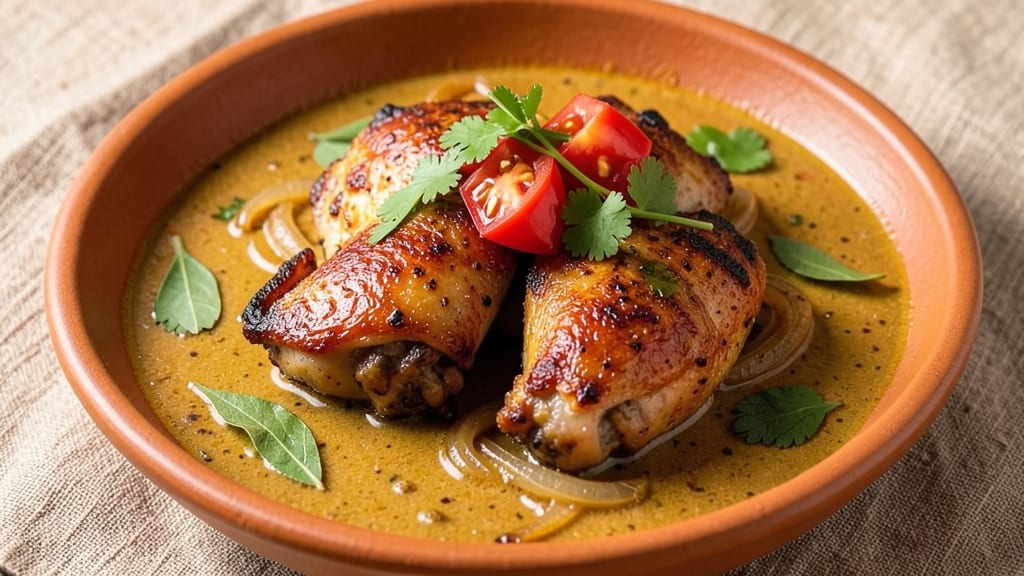
This Durban chicken curry delivers the bold, aromatic flavors that make it a South African classic—rich with chili, curry leaves, and coconut milk. The secret lies in slow-cooking the chicken until it's fall-apart tender while building layers of spice that balance heat and depth.
I've perfected this recipe over years of testing, ensuring every bite delivers that perfect harmony of smoky, tangy, and creamy notes that define Durban's signature curry style.
The process begins with marinating the chicken in a vibrant blend of traditional spices—cumin, coriander, turmeric, and a touch of vinegar—that infuse the meat with flavor before it even hits the pot.
Then, we build the curry base with onions, garlic, ginger, and fresh curry leaves, which release their distinctive aroma when toasted in oil. The slow simmer allows all these elements to meld together, creating a sauce that's thick, velvety, and packed with character.
What makes this curry truly exceptional is how the spices evolve during cooking. The initial heat from the chili mellows into a warm, complex spice profile, while the coconut milk adds a luxurious creaminess that balances everything perfectly.
By the time you serve it over steamed basmati rice or with warm roti, you'll have a restaurant-quality dish that's impossible to resist.
This recipe serves four generously and can be made ahead, with flavors deepening as it sits. Garnish with fresh cilantro and a squeeze of lemon for brightness, and you've got a curry that's as impressive as it is delicious. Let's get cooking—your taste buds are in for a treat.
Ingredients for best durban chicken curry
Bold spices, tender chicken, and velvety coconut milk—this curry delivers restaurant-quality Durban flavors.
| Ingredient | Amount | Notes |
|---|---|---|
| Chicken Thighs 🍗 | 1 ½ lb | Bone-in, skin-on preferred |
| Yellow Onions 🧅 | 1 whole | Medium, thinly sliced |
| Garlic Cloves 🧄 | 6 cloves | Freshly minced |
| Fresh Ginger 🌿 | 2 tbsp | Grated, peeled |
| Curry Leaves 🌿 | 1 tbsp | Dried or fresh |
| Ground Cumin 🌶️ | 1 tbsp | Toasted for depth |
| Ground Coriander 🌿 | 1 tbsp | Freshly ground preferred |
| Turmeric Powder 🌶️ | 1 tsp | Bright yellow color |
| Red Chili Powder 🌶️ | 1 ½ tbsp | Adjust for heat |
| Coconut Milk 🥥 | 1 can | Full-fat, 13.5 oz |
| Tomato Paste 🍅 | 2 tbsp | Smooth, no sugar added |
| Apple Cider Vinegar 🍏 | 1 tbsp | For tangy brightness |
| Fresh Cilantro 🌿 | ¼ cup | Chopped, for garnish |
| Lemon Juice 🍋 | 1 tbsp | Freshly squeezed |
| Vegetable Oil 🫒 | ¼ cup | For cooking |
| Salt 🧂 | 1 ½ tsp | Kosher or sea salt |
| Black Pepper 🌶️ | ½ tsp | Freshly ground |
The chicken thighs are non-negotiable here—bone-in and skin-on give you that signature crisp and rich flavor. Costco or your local butcher usually have them at great prices, and look for good marbling. If you can't find bone-in, skin-on thighs, boneless skinless will work, but the texture won't be quite the same. For the curry leaves, Indian grocery stores are your best bet—they carry both fresh and dried varieties. Fresh leaves have a more intense aroma, but dried work in a pinch. Toast the whole spices (cumin, coriander) in a dry pan for 30 seconds before adding to oil—this deepens their flavor instantly.
No curry leaves? Dried thyme at half the amount gives a similar earthy note, though it won't be exact. Running short on coconut milk? Full-fat Greek yogurt or cashew cream adds richness, but the texture will be lighter. The tomato paste can be swapped for 1 cup crushed tomatoes, though it'll be slightly watery. For heat, adjust the chili powder—start with 1 tbsp if you prefer mild, and go up to 2 tbsp for serious spice. The vinegar is key for brightness, but if you're out, lemon juice at the same amount works perfectly.
This curry tastes even better the next day as the flavors meld. Store leftovers in an airtight container in the fridge for up to 4 days, or freeze for 3 months. I like to portion it into containers with a scoop of rice—grab one and you've got a ready meal. The sauce thickens as it cools, so you can always add a splash of water or coconut milk when reheating. Garnish with fresh cilantro and a squeeze of lemon just before serving—trust me, it makes all the difference.
Why You'll Love This Recipe
- One-Pot Magic: I swear by this—just toss everything into one pot, and the onions caramelize while the curry leaves perfume the air. No extra bowls, no mess, and the thighs stay juicy because they’re not overcrowded.
- Ginger-Garlic Punch: That fresh ginger and garlic combo? It’s the secret weapon—bright, zesty, and lingers on your tongue. The curry leaves add this earthy depth that makes it taste like a restaurant dish, not just a weeknight meal.
- Leftovers Win: This curry actually improves the next day—flavors meld, sauce thickens just right. I make a double batch on Sundays because reheating it with naan is my easy Tuesday dinner. (Yes, even on a Tuesday night.)
- Budget-Friendly Feast: Chicken thighs stretch further than breasts, and the spices cost pennies compared to pre-mixed curry powders. Honestly, I’ve fed six people for under $15 with this—plus, the leftovers make it worth it twice over.
Step-by-step instructions for slow-cooked Durban chicken curry
Here's how to build layers of flavor that make this curry unforgettable.
Sear the Chicken for Deep Flavor
Heat the 0.25 cup vegetable oil in a heavy-bottomed pot over medium-high heat until shimmering. Pat the 1.5 lb chicken thighs dry with paper towels—this ensures a perfect sear. Working in batches if needed, add the chicken skin-side down and cook for 4-5 minutes until golden brown. Flip and cook another 3-4 minutes until the skin is crispy and the chicken reaches an internal temperature of 160°F. Remove and set aside.
This initial sear locks in juices and builds the rich, caramelized foundation that makes Durban curry so special. Don't rush this step—the crispy skin becomes the texture contrast that elevates the dish. If you're using bone-in thighs, leave them whole for maximum flavor infusion.
Build the Aromatic Spice Base
In the same pot, reduce heat to medium and add the 1 whole yellow onions, cooking for 5-6 minutes until softened and golden. Add the 6 cloves garlic cloves and 2 tbsp fresh ginger, stirring for 1 minute until fragrant. Sprinkle in the 1 tbsp curry leaves, 1 tbsp ground cumin, 1 tbsp ground coriander, 1 tsp turmeric powder, and 1.5 tbsp red chili powder, stirring constantly for 30 seconds to toast the spices.
Here's where the magic happens—the spices should release their essential oils and fill your kitchen with that unmistakable Durban curry aroma. If you smell burning, reduce heat immediately. The curry leaves add a unique citrusy note that's essential to authentic flavor. Let the spices cook until they're deeply aromatic but not browned.
Develop the Sauce with Tomato and Vinegar
Stir in the 2 tbsp tomato paste and cook for 2 minutes until it darkens slightly. Add the 1 tbsp apple cider vinegar and 1.5 tsp salt, stirring well. Pour in the 1 can coconut milk, scraping up any browned bits from the bottom of the pot. Return the chicken to the pot, skin-side up, and bring to a gentle simmer.
The vinegar brightens the flavors while the coconut milk creates that signature creamy texture. This step balances the richness of the coconut with the tangy acidity that keeps the curry vibrant. The chicken should be mostly submerged in the sauce—if not, add 2-3 tablespoons of water to help cook it gently.
Slow Cook Until Tender
Reduce heat to low and cover the pot. Let the curry simmer gently for 45-50 minutes, stirring occasionally, until the chicken is fork-tender and the sauce has thickened slightly. The internal temperature should reach 175°F—this ensures the chicken is perfectly tender without drying out.
Patience is key here. The slow cooking allows all the flavors to meld together beautifully while keeping the chicken moist. You'll know it's ready when the chicken falls apart easily and the sauce has a velvety consistency. If the sauce reduces too much, add 2-3 tablespoons of water to maintain the perfect balance.
Finish with Fresh Herbs and Lemon
Remove the chicken from the pot and stir in the 1 tbsp lemon juice. Return the chicken to the sauce and let it sit for 5 minutes to absorb the bright citrus notes. Garnish with the 0.25 cup fresh cilantro and serve immediately with steamed basmati rice or crusty naan.
The lemon juice cuts through the richness of the coconut milk, creating that perfect balance of flavors that makes this curry exceptional. The fresh cilantro adds a final herbal note that brightens every bite. Serve while hot—this curry tastes even better the next day, but the flavors are at their peak when freshly made.
Pro Tips For Making Best Durban Chicken Curry
- Brown the Onions Properly: Durban curry relies on deep, caramelized onion flavor—don’t just chop and toss. Cook them over medium-low heat for 15-20 minutes until they’re dark golden, almost sticky, stirring occasionally. I used to rush this, and the curry always tasted flat until I realized patience here makes all the difference.
- Blanch the Curry Leaves: Toss fresh curry leaves into hot oil for 10 seconds before adding other spices—this prevents bitterness and releases their aroma. Skip this, and you’ll end up with a dish that smells great but lacks that bright, herbal punch.
- Use Bone-In Thighs: Bone-in, skin-on thighs stay juicier and develop richer flavor than boneless cuts. If you’re pressed for time, ask your butcher to trim excess fat but leave the bone—it’s worth the extra effort for a restaurant-quality result.
- Simmer Low and Slow: After adding the chicken, reduce heat to the lowest setting that keeps a gentle simmer. Durban curry needs 45-60 minutes to meld flavors—rushing it leads to dry, tough meat. Cover the pot and let it work its magic.
Troubleshooting this dish
Chicken Too Dry
If your chicken ends up dry, the issue is usually overcooking or insufficient moisture. First, check your internal temperature—175°F is perfect for tender, juicy chicken.
If you accidentally go higher, try this fix: Remove the chicken from the pot, shred it slightly, then return it to the sauce to absorb extra moisture. For future attempts, add ¼ cup water or coconut milk when simmering to keep the sauce from drying out too much.
Also, avoid lifting the lid too often—steam escape is a major cause of dryness. 💫
Sauce Too Thin
A watery sauce often means the coconut milk wasn't thickened enough during cooking. To fix it, simmer the curry uncovered for 5-10 minutes to reduce the liquid naturally.
If that's not enough, mix 1 tbsp cornstarch with 1 tbsp cold water, stir it into the sauce, and cook for another 2 minutes until it thickens. For prevention, reduce heat to low once the sauce starts simmering—too high heat breaks down the coconut milk's natural thickening properties.
Spices Too Strong
If the heat level overwhelms your taste buds, adjust it by adding 2 tbsp plain yogurt or coconut milk to mellow the spices. For future batches, reduce the red chili powder to 1 tbsp and taste as you go—you can always add more later.
Another trick is to toast the spices for just 30 seconds instead of longer, which prevents them from becoming bitter. If you're using fresh curry leaves, start with ½ tbsp to test their intensity before committing to the full amount.
Burnt Onions or Spices
Burnt flavors happen when the onions or spices cook too long at high heat. To salvage the dish, immediately remove the pot from heat and stir in 1 tbsp apple cider vinegar or lemon juice—this cuts through the bitterness.
For next time, keep the heat at medium when cooking onions and spices, and stir constantly. If the spices start to darken too much, add 1-2 tbsp water to cool them down. A splash of coconut milk also helps restore balance to the flavors.
Lacking Depth of Flavor
If your curry tastes flat, it likely needs more aromatic development. Boost flavor by toasting the whole spices (cumin, coriander) in a dry pan for 30 seconds before adding them to the oil—this deepens their complexity.
For extra richness, stir in 1 tbsp tomato paste at the end of cooking or add ½ tsp garam masala while simmering. A final squeeze of lemon juice or a pinch of salt can also brighten the dish.
Let the curry rest for 10 minutes after cooking to allow flavors to meld fully.
Chicken Not Tender Enough
Undercooked chicken usually means the simmering time wasn't long enough. Extend the cooking time to 50-60 minutes on low heat, checking periodically. For quicker results, cover the pot and let it steam for 10-15 minutes after reaching 175°F.
If you're short on time, use a meat thermometer to monitor the internal temperature—175°F is the sweet spot for fall-apart tenderness. For future batches, consider using bone-in chicken thighs, which stay juicier longer than boneless cuts.
Nutrition facts
Frequently asked questions
What makes Durban chicken curry different from other curries?
Durban curry stands out for its unique blend of smoky, tangy, and creamy flavors. Unlike Indian curries that often use garam masala or turmeric-heavy bases, Durban curry relies on apple cider vinegar for brightness, fresh curry leaves for citrusy aroma, and a slow-cooked coconut milk sauce that creates velvety texture. The heat comes from chili powder but balances perfectly with the coconut's richness.
Can I use chicken breast instead of thighs?
You can try, but thighs are ideal—they stay juicier during long cooking. If using breasts, cut them into 1-inch pieces and reduce simmering time to 30-35 minutes to avoid drying. For best results, marinate breasts for 2 hours first to help retain moisture. Bone-in thighs are always the gold standard for Durban curry texture.
How do I make this curry less spicy?
Start by reducing the red chili powder to 1 tbsp instead of 1.5. For existing batches, stir in 2 tbsp plain yogurt or coconut milk to mellow the heat. Toast spices for just 30 seconds instead of longer to prevent bitterness. Fresh curry leaves can also be reduced to ½ tbsp if you find them too intense.
What's the best way to reheat leftovers?
Reheat gently in a pot over low heat with 2 tbsp water or coconut milk to prevent drying. Cover and simmer for 5-7 minutes until hot. For microwave reheating, cover with a damp paper towel and heat in 30-second intervals, stirring between each. Leftovers actually improve overnight as flavors meld! Store in an airtight container for up to 4 days.
Can I make this curry in an Instant Pot?
Sear chicken first, then sauté onions and spices as directed. Add all remaining ingredients, seal the lid, and cook on high pressure for 15 minutes. Quick-release pressure, then let it sit for 5 minutes. The sauce may be thinner—reduce uncovered for 5 minutes or thicken with cornstarch slurry. Pressure cooking cuts time but maintains incredible flavor.