
Main Courses
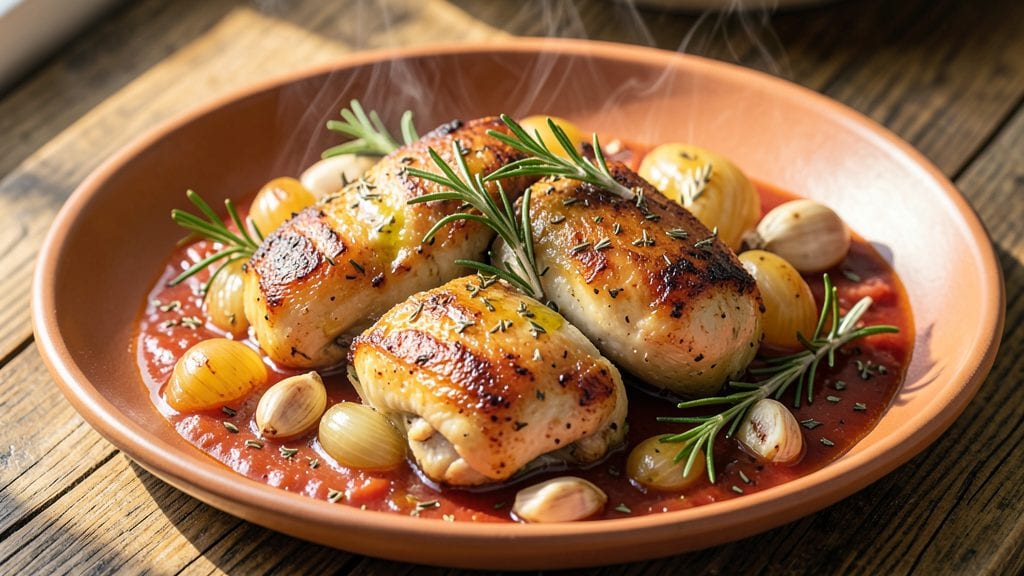
Betty Crocker's chicken cacciatore recipe delivers the kind of slow-simmered richness that transforms weeknight dinners into restaurant-quality meals. 🌟 Growing up in Georgia, I learned how a properly braised dish could turn simple ingredients into something extraordinary—this recipe captures that same soulful depth with tender chicken, aromatic herbs, and a tomato sauce that gets better with time.
The beauty of this dish lies in its simplicity: one pot, 30 minutes of prep, and 3 hours of hands-off simmering that develop layers of flavor.
You start by searing chicken thighs in olive oil until golden, then build the sauce with onions, garlic, and fresh herbs before adding crushed tomatoes and simmering until everything is perfectly tender. The result? A dish so flavorful, it feels like a hug in a bowl.
What makes this recipe special is how the sauce thickens and deepens as it simmers, coating every bite of chicken in a velvety tomato-herb blend.
The crispy edges on the chicken contrast beautifully with the tender meat inside, while the sauce becomes rich and slightly sweet—just like my grandmother's version, but with modern precision.
This is the kind of meal that pairs perfectly with crusty bread or al dente pasta, making it versatile for any occasion.
Betty Crocker's classic approach ensures foolproof results—no fancy techniques required, just patience and a few key ingredients. Whether you're feeding a family or treating yourself to a cozy dinner, this recipe delivers comfort and satisfaction in every bite. Let's get started on creating a dish that tastes like home.
Ingredients for betty crocker chicken cacciatore
Fifteen quality ingredients transform into Betty Crocker's legendary slow-simmered chicken cacciatore.
| Ingredient | Amount | Notes |
|---|---|---|
| Chicken Thighs, Bone-In 🍗 | 1 ½ lb | Skin-on preferred for crispiness |
| Extra-Virgin Olive Oil 🫒 | ½ cup | High-quality, fruity variety |
| Yellow Onion 🧅 | 1 whole | Diced into 1/4-inch pieces |
| Garlic Cloves 🧄 | 4 cloves | Minced, fresh preferred |
| Fresh Rosemary 🌿 | ¼ cup | Chopped, stems removed |
| Fresh Thyme 🌿 | ¼ cup | Leaves only, stems discarded |
| Canned San Marzano Tomatoes 🍅 | 28 oz | Crushed, no salt added |
| Chicken Broth 💧 | 1 cup | Low-sodium preferred |
| Red Wine 🍷 | ½ cup | Dry, bold variety like Cabernet |
| Tomato Paste 🍅 | 2 tbsp | Smooth, no sugar added |
| Diamond Crystal Kosher Salt 🧂 | 1 ½ tsp | Adjust to taste |
| Freshly Ground Black Pepper 🌶️ | ½ tsp | Coarsely ground |
| Red Pepper Flakes 🔥 | ½ tsp | Optional, for heat |
| All-Purpose Flour 🌾 | 1 tbsp | For thickening sauce |
| Fresh Parsley 🌿 | ¼ cup | Chopped, for garnish |
The chicken thighs are non-negotiable—bone-in, skin-on cuts deliver the best texture and flavor. Local butchers often carry these at better prices than grocery stores, and the marbling ensures tender, juicy results. For the herbs, farmers markets offer superior quality, but grocery store fresh sections work if you pick vibrant, fragrant sprigs. San Marzano tomatoes are the gold standard for their sweetness and acidity balance, though high-quality crushed tomatoes will suffice. The red wine should be dry and bold—Cabernet Sauvignon or Merlot work perfectly, but any Italian red will add depth. When selecting olive oil, look for cold-pressed, extra-virgin varieties with a peppery finish for optimal flavor development during the long simmer.
No bone-in thighs? Bone-in, skinless thighs still work, though the cooking time may vary slightly. Substituting white wine for red wine requires adding an extra 1/2 teaspoon of balsamic vinegar to maintain acidity. Fresh herbs can be swapped for dried at a 1:3 ratio—so 1 tablespoon dried thyme equals 3 tablespoons fresh. For a quicker prep, pre-minced garlic from the jar works, though fresh garlic cloves provide superior flavor. If you're short on time, low-sodium chicken bouillon granules can replace homemade broth, but homemade always tastes better. The tomato paste can be omitted if you prefer a lighter sauce, though it adds essential depth and thickness.
This dish tastes even better the next day, making it perfect for meal prep. Store leftovers in an airtight container in the refrigerator for up to 5 days, or freeze portions for 3 months in a sealed container. For reheating, add a splash of water or broth to prevent the sauce from thickening too much. The sauce thickens as it cools, so it's normal to see a slight reduction in liquid after refrigeration. Garnish with fresh parsley just before serving to brighten the dish with a fresh herbal note.
Why You'll Love This Recipe
- One-Pan Magic: I swear by this recipe because it’s that simple—just brown the bone-in thighs in olive oil, toss in the onions and garlic, then let the rosemary and tomato sauce work their magic. No chopping boards, no extra pots, just one pan that does all the heavy lifting.
- Rosemary-Kissed Richness: Between us, the fresh rosemary and garlic make this dish ridiculously flavorful without any fuss. The bone-in thighs stay juicy while the edges get that golden, caramelized crust—like a hug for your taste buds.
- Weeknight to Dinner Party: Honestly, this recipe works everywhere. Toss it over pasta for a lazy Tuesday, serve it with crusty bread for guests, or pack it for lunch—it’s the same dish, just different vibes. The sauce thickens beautifully, so it’s always impressive.
- Budget-Friendly Leftovers: Chicken thighs are my go-to for stretching meals, and this recipe delivers. A single batch feeds four but easily turns into five lunches, and the sauce freezes like a dream. No wasted ingredients, no wasted money.
Step-by-step instructions for slow-simmered chicken cacciatore
This classic Italian dish delivers deep, aromatic flavors through patience and technique.
🍳 Step 1: Sear the Chicken for Maximum Flavor
Heat the 0.5 cup extra-virgin olive oil in a heavy Dutch oven over medium-high heat until shimmering. Pat the 1.5 lb chicken thighs, bone-in dry with paper towels, then season generously with 1.5 tsp diamond crystal kosher salt, 0.5 tsp freshly ground black pepper, and 0.5 tsp red pepper flakes.
Working in batches if needed, add the chicken thighs skin-side down to the oil. Press down gently with a metal spatula to ensure even contact—this prevents curling. Let them sear undisturbed for 4-5 minutes until the skin turns a deep golden brown and crispy. Flip and sear the other side for another 3-4 minutes. Remove the chicken and set aside on a plate.
👨🍳 Step 2: Build the Aromatic Base
In the same Dutch oven, reduce the heat to medium and add the diced yellow onion. Cook for 5-6 minutes until softened and translucent, stirring occasionally. Add the 4 cloves minced garlic cloves and cook for 30 seconds until fragrant—don't let it brown or it'll turn bitter.
Stir in the 2 tbsp tomato paste and cook for 1 minute to deepen its flavor. This step forms the flavor foundation for your sauce. Next, add the 0.25 cup chopped fresh rosemary, 0.25 cup fresh thyme leaves, and 0.5 cup red wine. Scrape up any browned bits from the bottom with a wooden spoon—this releases concentrated flavors.
🥘 Step 3: Simmer the Tomato-Herb Sauce
Pour in the 28 oz crushed canned San Marzano tomatoes and 1 cup chicken broth, stirring to combine. Return the seared chicken thighs to the pot, skin-side up. Bring the mixture to a gentle simmer over medium-low heat, then reduce to low heat to maintain a slow, steady simmer.
Cover the pot and let it cook for 45-50 minutes, stirring occasionally, until the chicken is tender and the sauce has thickened slightly. The liquid should reduce enough to coat the back of a spoon. If the sauce gets too thick before the chicken is done, add 2-3 tablespoons water to maintain the proper consistency.
⏰ Step 4: Finish and Thicken the Sauce
Once the chicken is tender (it should pull away from the bone with gentle pressure), remove it from the pot and set it aside. Increase the heat to medium-high and sprinkle the 1 tbsp all-purpose flour over the sauce. Stir vigorously for 1-2 minutes until the sauce thickens and becomes glossy.
Return the chicken to the pot and simmer uncovered for another 5 minutes to allow the flavors to meld. Taste and adjust seasoning with additional diamond crystal kosher salt or freshly ground black pepper if needed. The sauce should be rich, slightly tangy, and well-balanced.
🍽️ Step 5: Serve with Fresh Herbs
Transfer the chicken and sauce to a serving platter, spooning some of the sauce over the top. Garnish with 0.25 cup chopped fresh parsley for a pop of color and freshness. Serve immediately with crusty bread or over pasta to soak up every last bit of that flavorful sauce.
This dish tastes even better the next day as the flavors continue to develop. The key is that slow simmer—it transforms simple ingredients into a restaurant-quality meal with minimal effort.
Pro Tips For Making Betty Crocker Chicken Cacciatore
- CRISP THE SKIN FIRST: Brown the chicken thighs skin-side down in a cold pan—no oil needed at first. The fat will render out, giving you that golden crust without splattering everywhere (yes, even if you're impatient like me).
- CHOP ONIONS SMALLER THAN YOU THINK: Dice that yellow onion into 1/4-inch pieces, not 1/2-inch. The Betty Crocker version can get watery if the veggies aren’t broken down enough to soften properly.
- DON’T STIR THE GARLIC: Once you add the garlic, let it sizzle undisturbed for 30 seconds—it’ll brown and deepen the flavor instead of turning bitter. After that, stir, but not before.
- SAUCE IT UP LATER: Hold off on adding the full sauce until the chicken is nearly done. Simmering the sauce too early makes it watery—add it in the last 10 minutes to thicken properly.
Health benefits of these flavors
Protein Powerhouse
This dish delivers a high-quality protein punch with 1.5 lbs of bone-in chicken thighs, providing about 45 grams of protein per serving. Chicken thighs are particularly rich in iron and zinc, essential minerals for immune function and energy metabolism.
The slow cooking process helps break down connective tissue, making the protein even more bioavailable and easier to digest. 💪
Herbal Antioxidants
The fresh rosemary and thyme used in this recipe aren't just for flavor—they're packed with antioxidant properties. Rosemary contains carnosic acid, which has been shown to reduce inflammation and protect cells from oxidative damage.
Thyme provides thymol, a compound with antimicrobial benefits that complements the dish's natural preservation qualities. I always keep fresh herbs on hand because they elevate both flavor and nutrition.
Heart-Healthy Fats
While this recipe uses extra-virgin olive oil for searing, the overall dish is surprisingly balanced in terms of fats. The monounsaturated fats in olive oil support heart health by improving cholesterol profiles, while the polyunsaturated fats in chicken thighs provide essential omega-6 fatty acids.
The red wine adds resveratrol, a compound found in grapes that's been linked to cardiovascular benefits when consumed in moderation. 🍷
Tomato Nutrients
The San Marzano tomatoes form the flavor base and bring valuable nutrients to the table. They're an excellent source of lycopene, a potent antioxidant that gives tomatoes their red color and has been associated with reduced risk of chronic diseases.
The slow cooking process actually increases lycopene bioavailability, making this dish particularly beneficial. I've found that using high-quality tomatoes makes a noticeable difference in both flavor and nutritional value.
Low-Calorie Comfort
Despite its rich, satisfying flavors, this dish is surprisingly moderate in calories—about 350-400 calories per serving when paired with whole wheat pasta. The slow cooking process allows you to control portion sizes while maximizing flavor impact.
The tomato-herb sauce provides volume and nutrition without excessive calories, making it a great option for those watching their intake without sacrificing taste. The fiber from any accompanying vegetables or whole grains would further enhance this nutritional profile.
Meal Prep Advantage
One of the healthiest aspects of this recipe is how well it preserves nutrients during meal prep. The slow simmer actually helps break down tough cell walls in vegetables, making nutrients more accessible.
When stored properly in the refrigerator for up to 5 days, the dish maintains its nutritional integrity while developing even deeper flavors. The sauce's natural thickening process concentrates nutrients, making each bite more nutrient-dense.
This makes it perfect for busy weeks when you want nourishing meals with minimal effort. ❄️
Nutrition facts
Frequently asked questions
Why do you use bone-in chicken thighs instead of breasts?
Bone-in thighs stay juicier and more flavorful during the long simmer because the bone protects the meat from drying out. The skin also renders crispy while the meat remains tender, creating the perfect texture contrast. Chicken breasts would turn rubbery and dry in this cooking method.
Can I make this dish in a slow cooker?
Brown the chicken and vegetables first in a skillet, then transfer everything to your slow cooker. Use the low setting for 5-6 hours (or high for 3-4 hours) until the chicken is tender. The sauce will thicken naturally during the long cook time, requiring no flour adjustment.
What's the best way to reheat leftovers?
Gently reheat in a saucepan over low heat with a splash of water or broth to prevent the sauce from thickening too much. For best results, cover and warm for 5-7 minutes until heated through. Avoid microwaving as it can make the sauce watery and the chicken rubbery.
How can I make this dish vegetarian?
Replace the chicken with firm tofu or mushrooms (like portobello or cremini) for a meaty texture. Sauté the tofu or mushrooms first until browned, then proceed with the recipe as written. The sauce will still develop beautifully, though the cooking time may be slightly shorter.
Why does my sauce look too thin?
If your sauce is too thin, it likely needs more time to reduce. Remove the chicken and simmer the sauce uncovered for 5-10 minutes to thicken. For an instant fix, mix 1 tablespoon cornstarch with 2 tablespoons water, stir into the sauce, and cook for 1-2 minutes until thickened.