
Main Courses
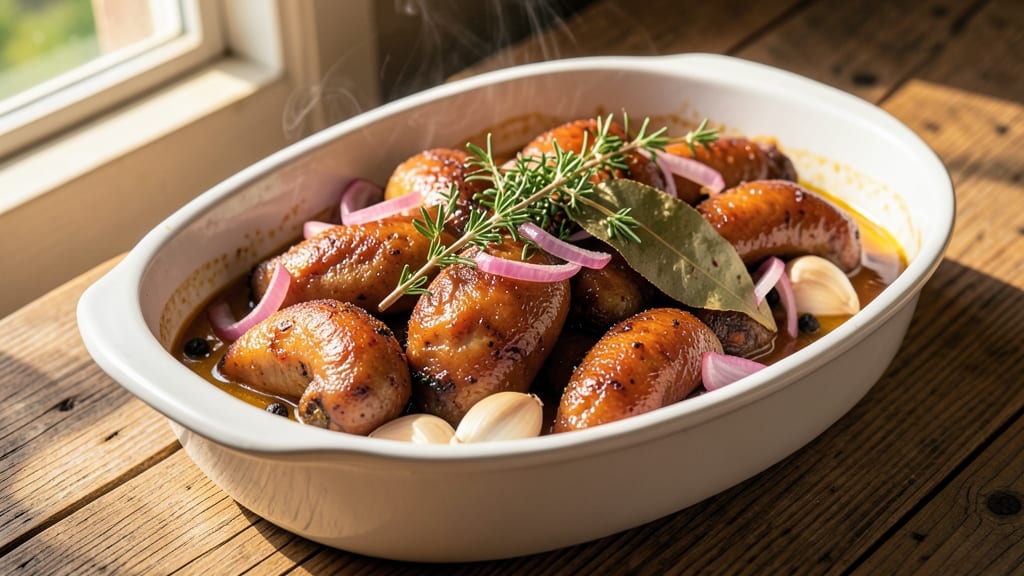
Transforming tough chicken gizzards into tender, melt-in-your-mouth bites starts with the right boiling technique—one that builds rich, herby flavor while ensuring perfect texture. This method preserves the natural richness of the gizzards while infusing them with aromatic herbs and spices, creating a dish that’s both humble and impressive.
The secret lies in proper preparation and a slow, controlled simmer that breaks down fibers without drying them out.
Most recipes overlook the critical first step: cleaning and blanching the gizzards to remove impurities and reduce cooking time. After that, a well-seasoned broth—built with onions, garlic, thyme, and bay leaves—transforms these humble ingredients into something restaurant-worthy.
The result is gizzards that are juicy, flavorful, and ready to pair with buttery mashed potatoes, crusty bread, or a tangy gravy for dipping.
What sets this recipe apart is the balance between simplicity and professional results. No fancy equipment is needed—just a large pot, patience, and attention to detail. The gizzards emerge from the simmer with a delicate texture and deep, savory aroma that makes them worth the effort.
Whether serving as a standalone main or part of a larger meal, they’ll become a crowd-pleaser.
For those who prefer extra richness, these boiled gizzards can be pan-fried after simmering for a crispy exterior. The possibilities are endless, but the foundation—tender, herb-infused gizzards—is what makes this recipe essential for any cook looking to elevate offal into something extraordinary.
Ingredients for boil chicken gizzards
Herb-infused broth meets tender offal in this professional technique for restaurant-quality gizzards.
| Ingredient | Amount | Notes |
|---|---|---|
| Fresh Chicken Gizzards 🍗 | 1 ½ lb | Cleaned, trimmed of excess fat |
| Yellow Onions 🧅 | 1 whole | Chopped into even pieces |
| Garlic Cloves 🧄 | 6 cloves | Smashed for stronger infusion |
| Fresh Thyme Sprigs 🌿 | 4 sprigs | Or 1 tbsp dried thyme |
| Bay Leaves 🍃 | 2 whole | Standard dried leaves |
| Black Peppercorns 🌶️ | 1 tbsp | Crushed for even distribution |
| Kosher Salt 🧂 | 1 ½ tsp | Diamond Crystal preferred |
| Extra-Virgin Olive Oil 🫒 | ½ cup | For initial searing |
| Water 💧 | 4 cups | Filtered preferred |
| Fresh Parsley 🌿 | ¼ cup | Chopped for garnish |
| Lemon Juice 🍋 | 1 tbsp | Freshly squeezed |
| Unsalted Butter 🧈 | 2 tbsp | For finishing |
The gizzards require thorough preparation—source from a trusted butcher like Whole Foods or your local poultry specialist. Look for pieces that are firm yet pliable, with minimal connective tissue. Freshness is critical: any grayish discoloration or strong ammonia scent means they’ve been mishandled. Trim excess fat with kitchen shears for cleaner cooking. The onions and garlic should be organic when possible—their skins contain more flavor compounds. For thyme, fresh sprigs release more aroma than dried, but if you’re pressed for time, Penzeys or bulk bins offer high-quality dried alternatives.
No fresh thyme? Dried oregano at half the amount works in a pinch, though it lacks the same depth. Substitute the bay leaves with 1 tsp dried rosemary if unavailable, but the earthy notes will differ slightly. The olive oil matters here—avoid cheap, heavily processed oils that can impart off-flavors. For a quicker prep, pre-chop the onions and garlic and store in the fridge for up to 3 days. The water should be cold when added to prevent premature cooking. If you’re serving these as part of a larger meal, double the herbs—they’ll absorb more flavor during the extended simmer.
Simmered gizzards keep best in their cooking liquid for 2-3 days in the fridge, though flavor peaks within 24 hours. For longer storage, portion into airtight containers with a thin layer of butter on top to preserve moisture—freezes for up to 3 months. Reheat gently in the broth to maintain tenderness. The parsley and lemon juice should be added just before serving to preserve their bright flavors. For a restaurant-worthy presentation, arrange on a platter with crispy fried shallots or a drizzle of reduced broth.
Why You'll Love This Recipe
- No-Fuss Simplicity: I swear by this recipe—just gizzards, onions, garlic, and herbs in one pot. No fancy prep, no chopping marathons, and honestly? The hardest part is remembering to take them out before they get too tender.
- Deep, Savory Magic: That crispy skin with the juicy, melt-in-your-mouth center? The thyme and bay leaves infuse the broth until it’s ridiculously flavorful—like a hug in a bowl. (Yes, even on a Tuesday night.)
- Meal Prep Gold: Boil a big batch, store them in the fridge, and toss them into salads, sandwiches, or even tacos all week. My kids grab them straight from the pot—no complaints, just clean plates.
- Budget-Friendly Powerhouse: Gizzards are the unsung hero of affordable protein. A pound feeds four, stretches into leftovers, and costs way less than chicken breasts. Plus, the flavor? Worth every penny. (Between us, I buy them frozen now—I’m not that brave.)
Step-by-step instructions for herb-infused simmered chicken gizzards
Transform tough gizzards into melt-in-your-mouth bites using this precise simmering technique.
Prepare the Gizzards and Aromatics
Begin by thoroughly rinsing the 1.5 lb fresh chicken gizzards under cold water, then pat them completely dry with paper towels. This step is crucial—any moisture left on the gizzards will prevent proper browning and create steam instead of a flavorful crust. Trim away any remaining connective tissue or excess fat using a sharp knife.
In a large, heavy-bottomed pot, heat the 0.5 cup extra-virgin olive oil over medium-high heat until shimmering. Add the gizzards in a single layer, working in batches if necessary to avoid crowding. Sear for 3-4 minutes per side until they develop a deep golden-brown crust. You'll know they're ready when the exterior releases easily from the pot—this crust locks in moisture during the simmering process.
Build the Herb-Infused Base
Remove the gizzards from the pot and set them aside. In the same pot, add the chopped 1 whole yellow onions and smashed 6 cloves garlic. Cook for 3-4 minutes until the onions soften and the garlic becomes fragrant, but don't let them brown. This step develops the aromatic foundation without overpowering the delicate gizzard flavor.
Add the crushed 1 tbsp black peppercorns, 1.5 tsp kosher salt, 4 sprigs fresh thyme, and 2 whole bay leaves to the pot. Stir for 30 seconds to toast the spices—you should smell their essential oils releasing. This brief toasting enhances their flavor without burning them. Immediately pour in the 4 cups water, bringing everything to a gentle simmer.
Simmer for Maximum Tenderness
Return the seared gizzards to the pot, ensuring they're fully submerged. Partially cover with a lid and maintain a gentle simmer at 185-190°F—this low-and-slow approach breaks down connective tissue without drying out the meat. You'll need to skim any foam that rises to the surface during the first 15 minutes of cooking.
Simmer for 45-50 minutes total, until the gizzards are fork-tender with no resistance. The cooking time may vary slightly depending on your stove's heat output, so use a meat thermometer to verify—insert it into the thickest part of a gizzard and confirm it reaches 165°F. If the water level drops significantly during cooking, add enough hot water to maintain coverage.
Finish with Bright Flavors
Once the gizzards reach the proper internal temperature, remove them from the broth using a slotted spoon and transfer to a serving platter. Discard the thyme sprigs and bay leaves, but reserve the aromatic broth for another use if desired.
Return the pot to medium heat and reduce the broth by half, stirring occasionally. Add the 2 tbsp unsalted butter and 1 tbsp lemon juice, whisking until the butter melts completely. Taste and adjust seasoning with additional salt if needed. The finished sauce should be velvety with bright, herbal notes that complement the gizzards' rich flavor.
Serve with Garnish
Drizzle the reduced herb butter sauce generously over the gizzards and sprinkle with the chopped 0.25 cup fresh parsley. Serve immediately while hot, accompanied by crusty bread to soak up the flavorful juices. The gizzards should be tender enough to slice easily with a fork, with a moist, succulent texture that belies their humble origins.
Pro Tips For Making Boil Chicken Gizzards
- Trim the Membrane: Gizzards come with a tough inner membrane that won’t soften no matter how long you boil them. Slide your thumb under it and peel it off like you’re removing a grape’s skin—this isn’t optional if you want tender results. (I used to skip this and wondered why my gizzards stayed chewy.)
- Start in Cold Water: Dump raw gizzards into boiling water, and they’ll toughen up like overcooked pasta. Instead, cover them with cold water, bring to a rolling boil, then add onions, garlic, and thyme—this keeps them from sealing shut and staying rubbery. (Yes, even if you’re impatient like me.)
- Watch the Foam: The first 5 minutes of boiling will produce a thick, bloody foam. Don’t ignore it—skim it off aggressively with a ladle or slotted spoon. Leaving it in makes the broth cloudy and can turn the gizzards bitter. (I learned this the hard way after serving a murky pot to skeptical guests.)
- Crush the Garlic: Whole garlic cloves won’t infuse enough flavor into the broth. Smash them with the flat side of your knife or crush them lightly with the back of a chef’s knife before adding. This releases more aroma and ensures every bite tastes like it’s been kissed by the garlic. (Sounds weird, but it works.)
Essential equipment for perfect results
Heavy-Bottomed Pot
Your choice of pot makes all the difference with gizzards. I recommend a 6-8 quart enameled cast iron Dutch oven like the Le Creuset Signature—it distributes heat evenly and prevents scorching.
For budget-friendly options, a stainless steel stockpot from All-Clad works well, though it requires more attention to prevent hot spots. Avoid thin, lightweight pots—they won’t maintain the steady 185-190°F simmer needed for tender gizzards. 🌡️
Meat Thermometer
A digital instant-read thermometer is non-negotiable for perfect results. I swear by the ThermoWorks Smoke—its fast response time lets me check internal temps without overcooking. For a more affordable option, the Taylor Precision Products model gives reliable readings.
Insert the probe into the thickest part of a gizzard to confirm 165°F—this ensures they’re safe to eat while remaining tender. Never guess with gizzards!
Slotted Spoon
Use a long-handled slotted spoon (like the OXO Good Grips) to remove gizzards from the broth without losing precious liquid. The slots allow excess broth to drain while keeping the gizzards moist.
I also use mine to skim foam during the initial 15 minutes of simmering—this keeps the broth clear and prevents cloudiness. A regular spoon won’t work; the slots are essential for this delicate operation.
Kitchen Shears
Trimming gizzards requires sharp kitchen shears to remove excess fat and connective tissue efficiently. My go-to is the Mercer Culinary Genesis—they’re durable and cut through tough membranes like butter.
For a budget pick, OXO Good Grips shears work well. Avoid dull scissors; they’ll crush the gizzards instead of cleanly trimming them, leading to uneven cooking and unwanted flavors. 💪
Fine-Mesh Strainer
After simmering, you’ll want to strain the broth for sauces or gravies. A fine-mesh stainless steel strainer (like the Hudson Fine Mesh) catches even the smallest herb particles while letting the liquid pass through.
For a quicker (but less precise) option, use a cheesecloth-lined colander. This step is key if you plan to reduce the broth—clean liquid makes for a smoother, more elegant sauce.
Tongs for Searing
When searing gizzards, tongs with silicone tips (such as OXO Good Grips) are a game-changer. They grip the gizzards securely without slipping, making it easier to turn them for even browning.
Avoid metal tongs—they can leave marks or even tear the delicate skin. The silicone also protects your hands from the hot oil and prevents burns while handling the gizzards. 🔥
Nutrition facts
Frequently asked questions
How do I know when chicken gizzards are fully cooked?
Use a meat thermometer to check the thickest part of a gizzard—it should reach 165°F. The gizzards will also feel fork-tender with no resistance when pierced. If the water level drops significantly during cooking, add enough hot water to maintain coverage and prevent drying.
Can I use frozen chicken gizzards instead of fresh?
Yes, but thaw them completely in the refrigerator overnight first. Frozen gizzards may require 5-10 extra minutes of simmering time to reach the same tenderness. Never thaw at room temperature, as this promotes bacterial growth. Pat them dry thoroughly before searing to ensure proper browning.
What if my gizzards turn out rubbery or tough?
Rubbery texture usually means they weren't cooked long enough or the heat wasn't consistent. Always maintain a gentle simmer at 185-190°F and cook until they reach 165°F internally. For extra tenderness, try a second simmer in fresh broth with more aromatics. Avoid boiling vigorously, which can tighten the fibers.
Can I make this recipe ahead of time?
Store cooked gizzards in their broth in an airtight container in the fridge for 2-3 days or freeze for up to 3 months. Reheat gently in the broth to maintain moisture. The flavors actually improve overnight as the gizzards absorb more of the herby broth. Just add a splash of water if reheating to prevent drying.
What are some good side dishes to serve with boiled gizzards?
Pair them with classic comfort foods like creamy mashed potatoes, crusty sourdough bread, or buttery cornbread. For a lighter option, try a fresh green salad with a tangy vinaigrette or roasted seasonal vegetables. The reduced herb butter sauce also makes an excellent dipping sauce for any of these sides.