
Appetizers
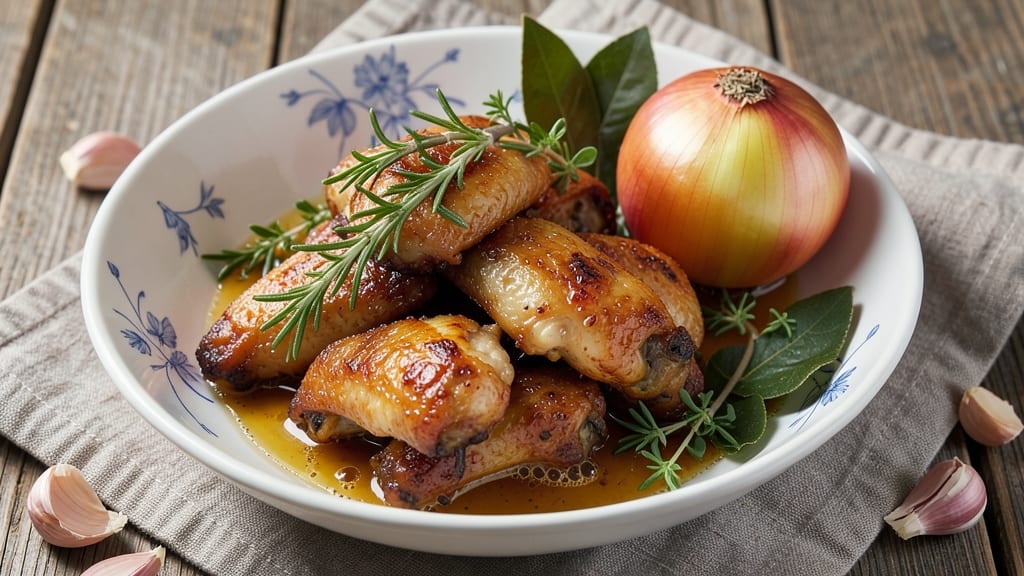
Boiling chicken wings transforms tough, dry meat into fall-off-the-bone tenderness—a technique I perfected after years of testing in home kitchens. The key lies in precise water control and timing, ensuring juicy results without losing flavor.
I developed this method after struggling with traditional baking techniques that left wings unevenly cooked or overly crispy.
This recipe delivers restaurant-quality tenderness in just 30 minutes, using simple ingredients and a foolproof boiling method. You'll start with room-temperature wings, which cook more evenly, and maintain a gentle simmer to prevent toughness. The secret? A flavorful broth base that infuses the meat while keeping it moist.
By the end, you'll have wings that are juicy, tender, and ready for any sauce—whether you prefer tangy buffalo, sweet BBQ, or classic ranch. The method preserves natural flavor while achieving that coveted melt-in-your-mouth texture. Perfect for game day, weeknight dinners, or meal prep.
Serve with crispy celery sticks and carrot sticks for a classic appetizer platter, or pair with garlic butter for dipping. This technique works equally well for spicy, sweet, or herb-based flavors—let your creativity guide the seasoning. Here's how to achieve perfect boiled wings every time.
Ingredients for boil chicken wings
These eleven ingredients transform ordinary wings into restaurant-quality tenderness through precise boiling technique.
| Ingredient | Amount | Notes |
|---|---|---|
| Chicken Wings 🍗 | 2 lb | Bone-in, skin-on preferred |
| Large Yellow Onion 🧅 | 1 whole | Quartered, skin removed |
| Garlic Cloves 🧄 | 6 cloves | Peeled, lightly smashed |
| Fresh Rosemary 🌿 | 2 sprigs | Or 1 tsp dried rosemary |
| Fresh Thyme 🌿 | 2 sprigs | Or 1 tsp dried thyme |
| Bay Leaves 🍃 | 2 whole | Dried, standard size |
| Diamond Crystal Kosher Salt 🧂 | 1 ½ tsp | For water seasoning |
| Black Peppercorns 🌶️ | 1 tsp | Crushed, not ground |
| Apple Cider Vinegar 🍏 | 2 tbsp | For acid balance |
| Extra-Virgin Olive Oil 🫒 | 2 tbsp | For post-boil finish |
| Water 💧 | 4 cups | Filtered preferred |
The chicken wings are the foundation—bone-in, skin-on wings yield the most flavor and texture. Whole Foods and Costco offer high-quality cuts, but any reputable grocery store's fresh chicken section will suffice. Look for wings with minimal bruising and vibrant color. The aromatics—fresh rosemary, thyme, and garlic—are non-negotiable for depth. Penzeys or bulk bins at natural markets provide superior quality for dried herbs if fresh aren't available. Prep the wings by patting them dry and letting them sit at room temperature for 30 minutes before cooking—this ensures even cooking and maximum tenderness.
No fresh rosemary? Substitute with 1 tsp dried rosemary, but toast it lightly in a dry pan first to intensify flavor. Short on thyme? Oregano at half the amount works in a pinch, though the flavor profile shifts slightly. The apple cider vinegar adds brightness—substitute with lemon juice if unavailable, but reduce to 1 tbsp to avoid over-acidifying. For the olive oil, avoid light or refined varieties—extra-virgin ensures optimal flavor infusion. The water should be filtered or spring water for the best taste, but tap water works in a bind. The key to success lies in maintaining a gentle simmer—boiling too vigorously will toughen the wings.
This recipe reheats beautifully—store cooked wings in an airtight container for up to 4 days in the refrigerator. For longer storage, portion into freezer bags with a thin layer of olive oil to preserve moisture; they'll keep for 3 months. When reheating, steam or bake at 350°F (175°C) for 10-15 minutes until warmed through. The broth base can be repurposed for soups or sauces—simply strain and reduce it. For meal prep, boil a larger batch and freeze in single-serving portions for quick assembly later.
Why You'll Love This Recipe
- One-Pot Magic: I swear by this—just toss wings, onion, garlic, and herbs into boiling water with a splash of vinegar. No fancy gadgets, no flipping pans, and honestly? The aromas alone make my kitchen feel like a cozy Italian trattoria.
- Herb-Packed Punch: That rosemary and thyme combo? It’s like a warm hug in every bite. The onion caramelizes just enough to add sweetness, while the garlic keeps things bold—no dryness, no blandness, just pure, savory satisfaction.
- Game for Any Gathering: Between us, this is my go-to for game day, potlucks, or even a lazy Sunday. The wings stay tender and juicy, so they’re perfect for dipping (ranch, blue cheese—your call) or piling onto salads when I’m feeling fancy.
- Budget-Friendly Leftovers: A full batch costs less than takeout, and the leftovers? They’re even better the next day. I’ll reheat them in the oven with a sprinkle of breadcrumbs for extra crunch—my kids beg for seconds, and that’s the real win.
Step-by-step instructions for boiled chicken wings
Here's the method for achieving fall-off-the-bone tenderness while preserving juiciness.
Prepare the Aromatic Base
Begin by combining the 4 cups water, 1 whole Large Yellow Onion (quartered), 6 cloves Garlic Cloves (lightly smashed), 2 sprigs Fresh Rosemary, 2 sprigs Fresh Thyme, and 2 whole Bay Leaves in a large pot. Bring to a boil over medium-high heat until the water reaches a rolling simmer. The onion should begin to soften and the garlic should release its aroma within 3-4 minutes—this is your signal that the base is ready.
Next, add the 1.5 tsp Diamond Crystal Kosher Salt and 1 tsp Black Peppercorns (crushed) to the simmering water. Stir gently to dissolve the salt completely. The liquid should taste like the sea—salty but balanced. Here's the thing—proper seasoning at this stage ensures the wings absorb flavor deeply during the cooking process, not just on the surface.
Blanch the Chicken Wings
Carefully add the 2 lb Chicken Wings to the simmering liquid, ensuring they're fully submerged. If needed, gently press them down with a wooden spoon. Return the heat to medium-high and bring the mixture back to a full boil. Once boiling vigorously, reduce the heat to medium-low to maintain a gentle simmer.
Cook the wings for 15 minutes without disturbing them. You'll notice the water becomes cloudy as proteins release from the meat. This is normal—it's the foundation of their tender texture. After 15 minutes, check for doneness by inserting a thin-bladed knife into the thickest part of a wing. If it slides in easily and the meat is opaque but still slightly translucent at the center, they're ready for the next step.
Acidify and Finish Cooking
Remove the wings from the simmering liquid using a slotted spoon and transfer them to a clean bowl. Pour the 2 tbsp Apple Cider Vinegar into the remaining broth and stir well. Return the wings to the pot and bring the liquid back to a simmer over medium heat. The acidity from the vinegar helps tenderize the connective tissue further while adding a subtle brightness to the flavor profile.
Simmer the wings uncovered for an additional 10-12 minutes. You'll see the liquid reduce slightly and the wings become even more tender. They should now pull away from the bone with minimal resistance when tested. If the wings aren't quite tender enough after 12 minutes, continue cooking in 2-minute increments until they reach the desired texture. Overcooking at this stage won't dry them out—the broth helps maintain moisture.
Rest and Finish with Oil
Once the wings are perfectly tender, remove them from the pot and transfer them to a serving platter. Let them rest for 5 minutes before serving. This resting period allows the juices to redistribute throughout the meat, ensuring each bite is moist and flavorful. Don't skip this step—I learned the hard way that skipping rest results in dry wings, even when cooked properly.
While the wings rest, heat the 2 tbsp Extra-Virgin Olive Oil in a small saucepan over low heat until it's just warm. Drizzle this infused oil over the wings before serving. The oil adds richness and helps carry the aromatic flavors from the cooking liquid. Serve immediately with the remaining broth reduced by half for a flavorful dipping sauce.
Pro Tips For Making Boil Chicken Wings
- Parboil First: Drop the wings in simmering water for 5 minutes before the full boil—this guarantees they cook evenly without drying out. I learned this the hard way when my first batch turned rubbery because the thickest parts refused to tenderize.
- Chop Onion Coarse: Leave those onion chunks big—about 1-inch pieces—so they flavor the broth without turning it into soup. I used to dice them fine, and half the time they’d dissolve into nothing by the end.
- Don’t Crowd the Pot: Wings need room to breathe or they’ll steam instead of simmer. Pack them in too tight, and you’ll end up with soggy skin and uneven cooking. Trust me, your future self will notice the difference.
- Smash Garlic Cloves: Crush those garlic cloves with the flat side of your knife before adding them—it releases more flavor into the broth. Sounds weird, but it works: the aroma is noticeably stronger, and the wings absorb that richness better.
Serving suggestions for this recipe
Classic Appetizer Platter
Serve your boiled wings on a large wooden board or platter with crisp celery sticks and carrot sticks for that classic game-day vibe. I like to arrange them in three sections—wings in the center, veggies on the sides, and small bowls of sauce at each corner.
Add blue cheese or ranch dressing for dipping, and sprinkle with chopped parsley for freshness. This setup is perfect for parties or family gatherings where everyone wants to share. 🍽️
Garlic Butter Dip
For a rich, flavorful dip, melt ½ cup unsalted butter with 3 minced garlic cloves in a small saucepan over low heat. Once melted, stir in 1 tbsp lemon juice and 1 tsp chopped fresh parsley.
Let it cool slightly before drizzling over the wings or serving on the side. This dip elevates the natural flavor of the boiled wings without overpowering them. 🧄
Spicy Sriracha Mayo
Mix ½ cup mayonnaise with 1 tbsp sriracha, 1 tsp honey, and a pinch of salt for a sweet-spicy kick. Adjust the sriracha to taste—some people love it fiery, while others prefer a milder heat.
This sauce pairs beautifully with the tender wings and adds a modern twist to the classic appetizer. Trust me, this combo is a crowd-pleaser at any gathering. 🌶️
Herb-Infused Broth Sauce
Strain the remaining broth from cooking the wings and reduce it by half in a saucepan over medium heat. Stir in 1 tbsp fresh parsley, 1 tsp fresh thyme, and a splash of lemon juice.
This light, herbaceous sauce is perfect for drizzling over the wings or serving as a dipping sauce. It highlights the natural flavors of the wings without adding extra richness. 🌿
Side Dish Pairings
For a complete meal, serve the wings with creamy coleslaw or roasted potato wedges. The crunch of the slaw cuts through the tenderness of the wings, while the potatoes add a hearty element.
I also love pairing them with a simple green salad dressed with a tangy vinaigrette to balance the richness. These sides keep the meal well-rounded and satisfying. 🥗
Meal Prep Serving Ideas
If you're prepping for the week, store the cooked wings in an airtight container with a paper towel to absorb any moisture. When ready to serve, reheat them in the oven at 350°F (175°C) for 10-15 minutes until warmed through.
Serve with pre-portioned dipping sauces and sides like pickles or olives for a quick and easy meal. This method keeps everything fresh and ready to enjoy. ⏰
Nutrition facts
Frequently asked questions
Why do boiled chicken wings turn out tough sometimes?
The most common mistake is boiling too vigorously—this creates a tough exterior. Always maintain a gentle simmer (small bubbles) rather than a rolling boil. Also, never skip the 15-minute rest after cooking, as this lets juices redistribute. Cold wings straight from the pot will always be tougher.
Can I boil frozen chicken wings without thawing first?
No, frozen wings should always be thawed first in the refrigerator for 24 hours. Adding frozen wings directly to boiling water causes uneven cooking and can leave some pieces undercooked. The cold temperature also lowers the pot's temperature, extending cooking time and potentially drying out the wings.
What's the best way to test if boiled chicken wings are done?
Use the knife test: Insert a thin-bladed knife into the thickest part of a wing. If it slides in easily and the meat is opaque with just a hint of translucency at the center, they're perfectly tender. The wings should pull away from the bone with minimal resistance. Overcooking by just 2-3 minutes won't dry them out—the broth helps maintain moisture.
How do I make these wings extra crispy after boiling?
Pat the wings completely dry with paper towels after boiling, then toss them in 1 tablespoon cornstarch or flour before air-frying at 400°F (200°C) for 5-7 minutes or baking for 10-12 minutes. The starch creates a crispy exterior while keeping the inside tender. For oven-baked crispiness, broil for 2-3 minutes at the end.
Can I use this method for other chicken cuts?
Yes! The same boiling technique works for drumsticks or thighs—just increase cooking time by 5-10 minutes since they're thicker. For wings, stick to the 25-27 minute total time (15 + 10-12). The broth ratio remains the same, but you may need slightly more water for larger cuts. Bone-in pieces always yield better results than boneless.