
Main Courses
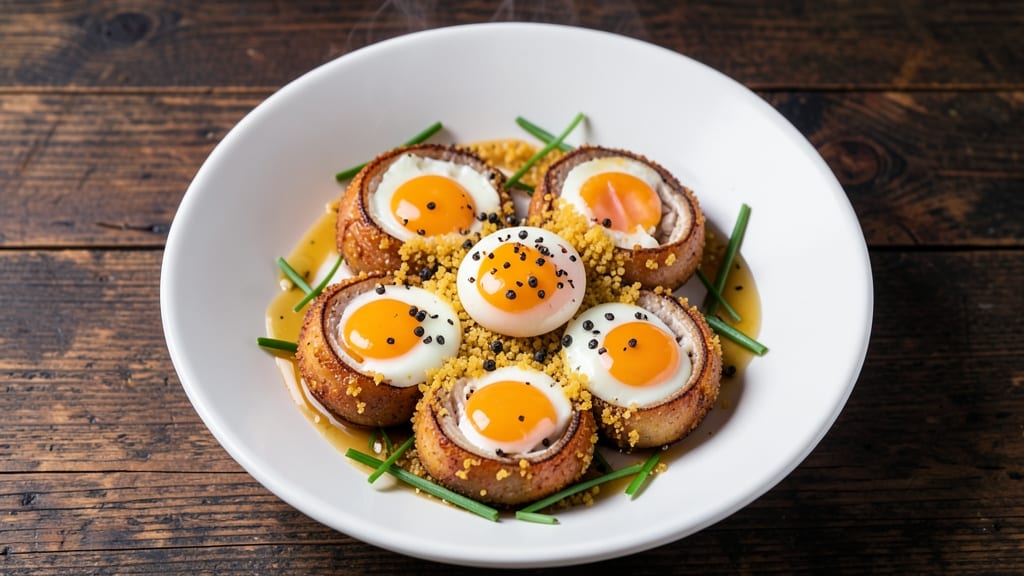
Mastering boiled chicken gizzards transforms tough, gamey meat into crispy-skinned, juicy bites that disappear faster than you can say "family dinner." Growing up in small-town Georgia, I learned this technique from my grandmother—her secret was never skipping the cleaning step or rushing the boil.
The key lies in precise timing and a well-seasoned broth that elevates these humble offal cuts into something extraordinary.
This recipe delivers restaurant-quality results in just 20 minutes, making it perfect for weeknight meals or holiday feasts. The process begins with thorough cleaning to remove any bitterness, followed by a quick brine that ensures tender, flavorful meat.
Aromatic herbs and spices infuse the boiling water, creating a fragrant broth that transforms bland gizzards into something unforgettable. Every bite offers a satisfying contrast between the crispy exterior and tender interior.
What sets this method apart is the attention to detail—from the initial cleaning to the final crisping in the skillet. The result? Gizzards that are juicy inside, golden-brown outside, and packed with savory depth from the broth.
Serve them with crusty bread to soak up every last drop of that flavorful liquid gold. This is comfort food at its finest, rooted in tradition yet elevated for modern tastes.
For those who prefer extra flavor, consider marinating the cleaned gizzards for 30 minutes before boiling or finishing them with a sprinkle of smoked paprika. The possibilities are endless, but the foundation remains the same: clean, brine, boil, and crisp.
Let's get started on creating a dish that'll have everyone at the table asking for seconds.
Ingredients for boiled chicken gizzard
Fresh gizzards, aromatic herbs, and precise timing transform humble offal into crispy, juicy bites.
| Ingredient | Amount | Notes |
|---|---|---|
| Chicken Gizzards 🍗 | 1 ½ lb | Fresh, cleaned, trimmed |
| Large Eggs 🥚 | 2 whole | Room temperature for coating |
| All-Purpose Flour 🌾 | ½ cup | For dredging, sifted |
| Yellow Cornmeal 🌽 | ¼ cup | Fine grind for crispiness |
| Kosher Salt 🧂 | 1 ½ tbsp | For brining and seasoning |
| Black Peppercorns 🌶️ | 1 tsp | Freshly cracked for flavor |
| Bay Leaves 🍃 | 2 whole | Fresh or dried, removed before serving |
| Garlic Cloves 🧄 | 4 cloves | Smashed for infusion |
| Yellow Onion 🧅 | 1 whole | Quartered, skin on for broth |
| Fresh Thyme 🌿 | ¼ cup | Stems removed, chopped |
| Extra-Virgin Olive Oil 🫒 | ¼ cup | For final crisping |
| Smoked Paprika 🌶️ | ½ tsp | Optional, for finishing |
| Water 💧 | 4 cups | For boiling broth |
The gizzards are the foundation—freshness is critical. Look for vibrant, pinkish gizzards at local butcher shops or specialty meat counters, not the pre-packaged kind from the grocery store freezer section. They should feel firm but yield slightly when pressed. If you're buying whole, trim off any excess fat or connective tissue—this ensures even cooking. I always ask the butcher to clean them, but if you're doing it yourself, soak them in cold water for 15 minutes to remove any bitterness, then rinse thoroughly. Costco or Whole Foods often carry high-quality gizzards if you can't find them locally.
No cornmeal? Panko breadcrumbs or crushed potato chips work in a pinch for crispiness. Fresh thyme unavailable? Dried thyme at one-third the amount suffices, but the flavor won't be as bright. For the broth, chicken bouillon cubes can replace the onion and bay leaves if you're short on time, though homemade always tastes better. Smoked paprika is optional but adds a restaurant-quality depth—substitute regular paprika if needed. The eggs and flour are non-negotiable for that perfect golden crust, so don't skip them.
Gizzards keep best 2 days in the fridge if prepped ahead, wrapped tightly in plastic. The broth freezes beautifully for up to 3 months—portion it into ice cube trays for easy reheating. For extra crispiness, re-crisp under the broiler for 2-3 minutes before serving. The leftovers? Toss them in a skillet with a splash of broth for a quick fried gizzard hash—game day gold right there.
Why You'll Love This Recipe
- Two-Pan Magic: I swear by this—no fancy gadgets, just a pot for boiling and a skillet for frying. The gizzards get tender in the broth while I prep the cornmeal crust, and honestly? That’s about as hands-off as comfort food gets.
- Crispy-Creamy Payoff: That first bite—crunchy cornmeal shell giving way to juicy, salty gizzard? It’s the kind of contrast that makes you pause mid-bite. The eggs bind everything just right, so it stays tender inside without falling apart.
- Tailgate to Tuesday: Between us, I’ve served these at backyard cookouts and lazy weeknights. They’re hearty enough for a crowd but simple enough to throw together when you’re too tired to fuss. (Yes, even on a Tuesday night.)
- Pantry Goldmine: I buy gizzards in bulk—they’re cheaper than chicken thighs—and this recipe stretches them far. Leftovers? Even better the next day, reheated in a pan or tossed into fried rice. Budget win, flavor win.
Step-by-step instructions for boiled chicken gizzards
Here's how to transform tough gizzards into crispy, juicy bites with a rich broth.
Prepare the Brine for Maximum Tenderness
In a large bowl, combine the 4 cups water, 1.5 tablespoons kosher salt, 2 whole bay leaves, and 4 smashed garlic cloves. Stir until the salt fully dissolves. This high-salt brine breaks down connective tissue, ensuring your gizzards become fork-tender while absorbing flavor.
Add the 1.5 lb chicken gizzards to the brine and refrigerate for at least 4 hours (overnight works best). The gizzards should float when properly brined. This step is crucial—skipping it results in chewy texture. After brining, drain the gizzards and rinse briefly under cold water to remove excess salt.
Create the Crispy Coating
In a shallow dish, whisk together the 2 whole large eggs until fully beaten. In another dish, mix the 0.5 cup all-purpose flour and 0.25 cup yellow cornmeal with 1 teaspoon freshly cracked black peppercorns. The cornmeal adds texture that becomes wonderfully crisp during frying.
Working in batches, dip each gizzard into the egg wash, letting excess drip off, then press gently into the flour mixture, coating all sides completely. The double-dredge creates a thick, crackly crust that seals in juices. Let the coated gizzards rest for 10 minutes before cooking to help the coating adhere better.
Cook the Gizzards in Two Stages
In a large skillet, heat the 0.25 cup extra-virgin olive oil over medium-high heat until shimmering but not smoking. Add the gizzards in a single layer and cook undisturbed for 3 minutes until golden brown on one side. Flip carefully and cook another 3 minutes until deeply browned. This initial sear locks in flavor and creates the crispy exterior.
Remove the gizzards and set aside. In the same skillet, add the 1 whole yellow onion (quartered) and 0.25 cup chopped fresh thyme. Cook for 2 minutes until fragrant, then pour in 1 cup water to deglaze, scraping up browned bits. Return the gizzards to the skillet, cover, and simmer for 10 minutes until the meat is fork-tender.
Finish with Smoked Paprika and Serve
Transfer the gizzards to a serving platter. Sprinkle generously with 0.5 teaspoon smoked paprika while still hot for a subtle smoky finish. The paprika adds depth without overpowering the natural flavor of the gizzards. Serve immediately with the reduced pan sauce spooned over the top.
For maximum crispiness, broil for 1-2 minutes at the end if needed, watching closely to prevent burning. The gizzards should be golden brown on the outside with juices flowing when cut—this is your signal of perfect doneness. Serve with crusty bread to soak up every delicious drop of sauce.
Pro Tips For Making Boiled Chicken Gizzard
- Trim the Gizzards First: Slit open each gizzard lengthwise and scrape out the dark membrane—it’s tough and bitter. I learned this the hard way after eating a batch where I skipped it, and the texture was off-putting. A quick rinse afterward removes any lingering grit.
- Boil in Two Batches: Crowd the pot, and the gizzards won’t cook evenly. Start with half, simmer until they float (about 15 minutes), then swap for the second batch. This keeps the water hot enough to actually cook them, not just warm them.
- Dredge Dry Before Frying: Pat the gizzards bone-dry after boiling, then toss them in flour and cornmeal mixture while still warm. The residual moisture makes the crust soggy—trust me, I’ve fried wet gizzards, and it’s a disaster.
- Salt the Water Lightly: Over-salting the boiling water makes the gizzards tough. Just a pinch of kosher salt (like ½ teaspoon) is enough to flavor the water without overpowering. Save the heavy salting for the final seasoning after frying.
Creative variations of these flavors
Southern Fried Style
For a true Southern twist, swap the cornmeal coating for crispy fried chicken-style batter. Mix 1 cup all-purpose flour, 1 tablespoon cornstarch, 1 teaspoon baking powder, 1 teaspoon smoked paprika, ½ teaspoon cayenne, and ½ teaspoon salt.
Dip brined gizzards in beaten egg, then coat thoroughly in this spiced batter. Fry at 350°F in vegetable oil for 4-5 minutes per side until golden brown. Serve with honey butter or spicy mayo for dipping—this version is a crowd-pleaser at Georgia cookouts. 🍗
Italian-Inspired Saffron Broth
Transform the boiling liquid into a luxurious Italian-inspired saffron broth by adding 1 pinch saffron threads and 1 bay leaf to the water. After boiling the gizzards, strain the liquid and reduce it by half with ½ cup dry white wine and 1 cup chicken stock.
Finish with 1 tablespoon lemon zest and 2 tablespoons chopped parsley. Serve the gizzards with crusty bread and a sprinkle of Parmigiano-Reggiano for an elegant twist. This method works beautifully for holiday dinners when you want to impress. 🌿
Spicy Cajun Boil
Give your gizzards a Cajun kick by infusing the boiling water with 1 tablespoon Cajun seasoning, 1 teaspoon garlic powder, and ½ teaspoon dried oregano.
After boiling, crisp the gizzards in a skillet with 1 tablespoon butter and 1 teaspoon hot sauce, like Crystal or Tabasco. Garnish with chopped green onions and serve with cornbread or red beans and rice.
This version is a hit at Louisiana-style gatherings and adds a bold, smoky heat. 🌶️
Herb-Infused Butter Finish
For a restaurant-worthy finish, melt 2 tablespoons butter with 1 tablespoon fresh thyme, 1 tablespoon fresh rosemary, and 1 clove minced garlic in a small saucepan. Once the butter is foamy, pour it over the boiled gizzards just before serving.
The aromatic butter adds a luxurious touch without overpowering the natural flavor. Pair with roasted potatoes or a simple green salad for a balanced meal. This technique is perfect for special occasions when you want to elevate the dish effortlessly. ✨
Sweet and Tangy Glaze
Add a sweet-tangy glaze by simmering ¼ cup apple cider vinegar, 2 tablespoons honey, 1 teaspoon Dijon mustard, and ½ teaspoon black pepper in a small saucepan until slightly thickened. Brush this glaze over the gizzards during the last 2 minutes of simmering.
The combination of sweet, tangy, and savory flavors creates a perfect balance. Serve with mashed sweet potatoes or apple slices for a dessert-like finish. This variation is ideal for brunch or a unique twist on traditional boiled gizzards. 🍏
Nutrition facts
Frequently asked questions
Why do I need to brine chicken gizzards before boiling?
The brine breaks down tough connective tissue, ensuring tender meat while infusing flavor. Without it, gizzards can turn out chewy. A 4-hour minimum brine is ideal—just don't skip it! The salt also helps remove any bitterness from the gizzards.
Can I use frozen gizzards instead of fresh?
Fresh gizzards work best, but if frozen is all you have, thaw them overnight in the fridge first. Never use frozen gizzards straight from the freezer—they won't cook evenly and may stay tough. Pat them dry before brining to prevent a watery crust during frying.
What's the best way to tell when boiled gizzards are done?
Use a fork to check for tenderness—it should slide in easily with no resistance. The meat should pull apart cleanly, and the skin should be golden-brown. If they're still firm after 10 minutes of simmering, add ½ cup water and cook another 5 minutes covered.
How can I make the broth more flavorful?
Add 1 chicken bouillon cube or ½ cup chicken stock to the boiling water for extra depth. For a richer flavor, brown 1 diced onion and 2 garlic cloves in olive oil before adding water. A splash of white wine (like Sauvignon Blanc) also brightens the broth beautifully.
What should I serve with boiled gizzards?
Crusty bread is perfect for soaking up the broth, but also try buttery mashed potatoes, cornbread, or a simple green salad with a tangy vinaigrette. For a Southern-style meal, pair them with collard greens or macaroni and cheese.