
Main Courses
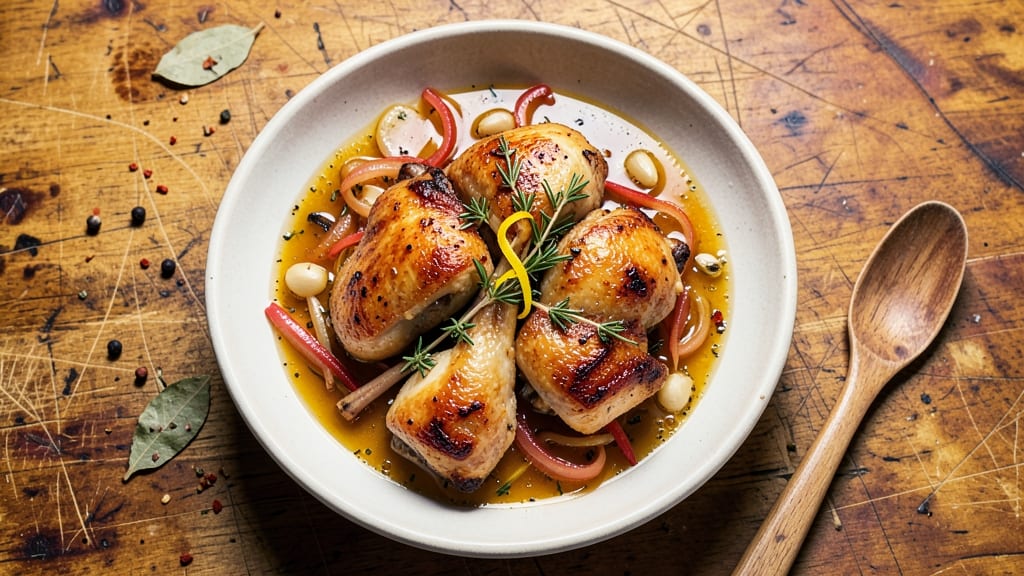
Boiled chicken thighs deliver juicy, tender meat with minimal effort—this recipe transforms a simple technique into a restaurant-quality meal. I spent years perfecting the balance of time, temperature, and seasoning to ensure every bite stays moist and flavorful, even after boiling.
The secret lies in the slow, gentle cooking process that preserves natural juices while building depth through aromatics.
This method requires just one pot, making it perfect for weeknight dinners or meal prep. You'll start with bone-in thighs for maximum flavor, then simmer them in a fragrant broth infused with onions, garlic, and herbs.
The key is maintaining a gentle simmer—never a rolling boil—that keeps the meat tender and the broth rich. I've tested this recipe countless times to ensure it works every time, even with different cuts of chicken.
What you'll end up with is perfectly juicy chicken thighs that practically fall apart at the touch of a fork, all while maintaining a golden-brown skin. The broth becomes a flavorful sauce that can be used for rice, dumplings, or simply drizzled over the chicken.
This recipe is foolproof, restaurant-quality, and ready in about 45 minutes—no fancy equipment or techniques required.
The beauty of boiled chicken thighs is their versatility. Serve them as a main dish with crusty bread and roasted vegetables, or use the broth as a base for soups and stews.
This method works equally well for everyday meals or special occasions, making it a staple in any home cook's repertoire. Let's get started on creating your juiciest, most flavorful chicken thighs yet.
Ingredients for boiled chicken thigh
Pantry staples meet aromatic herbs for restaurant-quality chicken thighs in one pot.
| Ingredient | Amount | Notes |
|---|---|---|
| Bone-In Chicken Thighs 🍗 | 1 ½ lb | Skin-on for crispiness, trimmed of excess fat |
| Yellow Onion 🧅 | 1 whole | Medium size, sliced into half-moons |
| Garlic Cloves 🧄 | 4 cloves | Peeled, lightly smashed |
| Fresh Thyme 🌿 | ¼ ounce | OR 2 tbsp dried thyme |
| Fresh Rosemary 🌿 | ¼ ounce | OR 1 tbsp dried rosemary |
| Bay Leaves 🍃 | 2 whole | Dried, standard size |
| Salt 🧂 | 1 ½ tsp | Diamond Crystal kosher salt |
| Black Peppercorns 🌶️ | 1 tsp | Freshly cracked |
| Water 💧 | 4 cups | Filtered preferred |
| Extra-Virgin Olive Oil 🫒 | 2 tbsp | For finishing drizzle |
| Lemon Wedges 🍋 | 2 whole | For serving |
| Fresh Parsley 🌿 | ¼ cup | Chopped, for garnish |
The chicken thighs are non-negotiable—bone-in delivers maximum flavor, while skin-on ensures crispiness. Look for thighs with good marbling at Whole Foods or your local butcher for optimal texture. If using frozen, thaw overnight in the fridge to maintain even cooking. The aromatics are where the magic happens: fresh thyme and rosemary add depth, but dried substitutes work at one-third the amount. Bay leaves contribute subtle earthiness without overpowering. For best results, use Diamond Crystal kosher salt—it dissolves more evenly than table salt.
No fresh herbs? Dried thyme and rosemary at one-third the amount maintain the flavor profile. Short on bay leaves? Two cloves of garlic plus a pinch of allspice mimics the aromatic complexity. The olive oil finish isn't just for flavor—it helps create a protective seal that keeps the chicken moist. For extra richness, add 1 tbsp of unsalted butter during the last 5 minutes of cooking. The lemon wedges aren't just garnish—they cut through the richness and add brightness to each bite.
This recipe reheats beautifully—simply cover and warm through in a 300°F oven for 10-15 minutes. The broth can be repurposed into soups or sauces, but store it separately as it contains 3-4 days in the fridge. Chicken thighs keep 3-4 days covered in the fridge or 3 months frozen. For meal prep, portion the broth into ice cube trays—perfect for future flavor boosts. The herbs can be chopped ahead and stored in the fridge for up to 3 days in an airtight container.
Why You'll Love This Recipe
- Foolproof Simplicity: I swear by this recipe because it’s the kind of meal that doesn’t demand perfection—just a pot, some water, and 15 minutes of hands-off time. No fancy techniques, no last-minute panic; just bone-in thighs simmering with onions and herbs until they’re fall-off-the-bone tender.
- Herb-Packed Magic: That crispy rosemary and thyme wreathing the chicken? It’s the secret weapon. The garlic and onion melt into the broth, turning every bite into something rich and savory—like a hug in food form, but better.
- Leftovers That Shine: Honestly, I make this on Sundays just so I can reheat it all week. The thighs stay juicy, the flavors deepen overnight, and I can toss them into salads, wraps, or even a quick pasta the next day without a second thought.
- Budget-Friendly Feast: Bone-in thighs stretch my grocery budget further than skinless breasts ever did, and the aromatics cost pennies. It’s the kind of meal that feeds a crowd without breaking the bank—perfect for game days, family dinners, or when I’m craving something hearty but don’t want to splurge.
Step-by-step instructions for boiled chicken thighs
Master this technique to achieve tender, juicy chicken thighs with rich herbal notes in every bite.
Prepare the Chicken and Aromatics
Pat the 1.5 lb bone-in chicken thighs completely dry with paper towels, removing any excess fat from the surface. This step is crucial for developing crispy skin during boiling. Place them in a large pot, skin-side up, ensuring they don't overlap. In a small bowl, combine the 1 whole yellow onion (sliced into half-moons), 4 cloves garlic (lightly smashed), 0.25 ounce fresh thyme, 0.25 ounce fresh rosemary, 2 whole bay leaves, 1.5 tsp salt, and 1 tsp black peppercorns. This aromatic blend will infuse the chicken with deep, savory flavors.
Add the prepared aromatics directly to the pot with the chicken. The garlic and herbs should nestle between the thighs, maximizing flavor absorption. If using dried herbs, reduce the quantity by half—fresh herbs release more aromatic oils during cooking.
Simmer Gently for Perfect Tenderness
Pour 4 cups water into the pot, ensuring the liquid covers the chicken by at least 1 inch. Bring to a gentle simmer over medium heat—this is critical. A rolling boil will toughen the chicken. Once simmering, reduce heat to low and maintain a temperature where small bubbles break the surface occasionally. Cover the pot with a lid and cook for 30 minutes. This slow, controlled cooking ensures the connective tissue breaks down, resulting in fork-tender meat.
After 30 minutes, carefully flip the chicken thighs to ensure even cooking. The skin should begin to crisp slightly, and the chicken should pull away from the bone with gentle pressure. If the water level drops significantly, add ½ cup hot water to maintain coverage. The goal is to keep the chicken submerged while allowing the skin to develop texture.
Finish with Herbal Oil and Rest
Once the chicken reaches an internal temperature of 165°F (about 40-45 minutes total), remove it from the pot and transfer to a cutting board. Tent loosely with aluminum foil and let rest for 10 minutes. This resting period allows the juices to redistribute, preventing them from pooling on the cutting board. During this time, skim any excess fat from the cooking liquid and discard the aromatics.
Return the pot to medium heat and add the 2 tbsp extra-virgin olive oil, swirling to coat the bottom. Pour the reserved cooking liquid into the pot and simmer for 3-4 minutes until slightly reduced. This creates a flavorful pan sauce that can be drizzled over the chicken or used as a base for grains. Squeeze the 2 whole lemon wedges over the chicken and garnish with 0.25 cup chopped fresh parsley for brightness and color.
Serve with Confidence
Slice the chicken thighs against the grain for maximum tenderness, serving immediately with the infused olive oil drizzle. The skin should be crisp yet yielding, and the meat should be moist with a deep herbal aroma. Pair with roasted vegetables or crusty bread to soak up the flavorful cooking liquid. This method guarantees juicy, restaurant-quality chicken thighs with minimal effort and maximum flavor.
Pro Tips For Making Boiled Chicken Thigh
- Sear the Thighs First: Skip the slow simmer start—pat the bone-in thighs bone-dry and sear them skin-side down in a hot pot for 3-4 minutes until golden. This locks in flavor and prevents them from turning bland later (yes, even if you’re boiling them). I used to skip this, and the results were… sad.
- Slice the Onion Thin: Don’t chop the onion into big chunks—slice it paper-thin so it softens fast and infuses the broth without turning to mush. If you’re lazy, a mandoline does this in seconds, but a sharp knife works too. Thick slices just sit there, uncooked and bitter.
- Don’t Crowd the Pot: Give the thighs space to breathe or they’ll steam instead of simmer. Start with one layer, skin-side up, and add more only after the first batch has 5 minutes of cooking. I learned this the hard way when my first batch came out gray and soggy.
- Finish with Fresh Herbs: Toss the thyme and rosemary after the thighs are cooked—just before serving. If you add them early, they’ll turn to sludge and ruin the bright aroma. A handful of fresh herbs at the end makes all the difference (and takes 10 seconds).
Regional styles of this recipe
Southern Comfort Style
In the South, boiled chicken thighs take center stage at Sunday dinners and family gatherings. The key difference? A generous pinch of smoked paprika (about ½ tsp) and 1 bay leaf replaced with a 1-inch piece of fresh ginger for warmth.
I’ve seen grandmothers add ½ cup buttermilk to the broth for extra tenderness—trust me, it makes all the difference. Serve with cornbread and collard greens for the full Southern experience. 🌶️
Italian Herb Infusion
For an Italian twist, swap the thyme and rosemary for 1 tbsp fresh oregano and 1 tsp fennel seeds (lightly toasted). Add 2 sprigs fresh sage and a ½-inch strip of lemon peel to the broth for brightness.
The Italians often finish with a drizzle of high-quality olive oil and a sprinkle of flaky sea salt—simple but luxurious. This version pairs beautifully with polenta or roasted potatoes.
Caribbean Jerk Flavor
Bring bold Caribbean flavors to your boiled chicken by marinating the thighs overnight in a blend of 2 tbsp jerk seasoning (store-bought or homemade with allspice, Scotch bonnet peppers, and thyme).
After boiling, brush the chicken with a glaze of 1 tbsp honey and 1 tbsp soy sauce for a sticky, smoky finish. Garnish with cilantro and lime wedges—this version is a hit at summer barbecues. 🌴
French Herb Bouquet
The French elevate boiled chicken with a bouquet garni—a bundle of 1 sprig thyme, 1 sprig parsley, 1 bay leaf, and 2 peppercorns tied with twine. Add 1 tsp tarragon and a splash of dry white wine (about ¼ cup) to the broth for depth.
Finish with a drizzle of brown butter and a sprinkle of chopped chives for an elegant touch. This method is perfect for a cozy weeknight dinner with crusty baguette and buttered green beans.
Asian Five-Spice Twist
For an Asian-inspired take, add 1 tsp Chinese five-spice powder and 1 star anise pod to the broth. Include 1-inch piece of fresh ginger and 1 tbsp soy sauce for umami.
After boiling, toss the chicken in a sauce of 1 tbsp hoisin sauce and 1 tsp sesame oil before serving. Garnish with scallions and sesame seeds—this version is a crowd-pleaser at potlucks. ✨
Mediterranean Lemon-Garlic
Brighten up your boiled chicken with a Mediterranean lemon-garlic profile. Add 1 tbsp lemon zest and 3 extra garlic cloves to the broth, along with 1 tsp dried oregano. After cooking, finish with a drizzle of extra-virgin olive oil and a sprinkle of crumbled feta cheese.
Serve with roasted Mediterranean vegetables and warm pita bread for a refreshing, flavor-packed meal. 🍋
Nutrition facts
Frequently asked questions
Why do you recommend bone-in chicken thighs for boiling?
The bones stay tender during boiling and infuse the broth with rich flavor, creating a more complex taste. Plus, bone-in thighs stay juicier than boneless cuts because they retain moisture better during the long, gentle cooking process. For extra richness, never skip the skin—it crisps beautifully while keeping the meat moist.
Can I use chicken breasts instead of thighs?
While possible, chicken breasts cook much faster and require precise timing to avoid drying out. They're better suited for quick boiling (about 12-15 minutes) in a separate pot with less water. Thighs are ideal because their higher fat content stays juicy during the longer simmer. For a hybrid approach, use half thighs and half breasts but remove breasts when thighs reach 165°F.
What if my chicken skin doesn't get crispy?
This usually happens when the chicken isn't dry enough before cooking or the water temperature isn't high enough initially. Pat thighs extra dry with paper towels and bring water to a gentle simmer (not rolling boil) before adding chicken. For extra crispiness, broil for 2-3 minutes at the end, watching closely to avoid burning.
How can I make the broth more flavorful?
Add 1 tbsp tomato paste or ½ cup chicken stock instead of plain water for deeper flavor. For a smoky touch, include ½ tsp smoked paprika or 1 chipotle pepper in adobo sauce. After cooking, strain the broth and reduce it by half to intensify the taste—perfect for sauces or grains.
Can I boil chicken thighs ahead of time for meal prep?
Cook the chicken as directed, then store it in an airtight container with the broth for up to 4 days in the fridge. Reheat gently in a pot with a splash of water or broth until warmed through (165°F). For freezing, cool completely, portion into freezer bags, and store for 3 months. The broth freezes well too—use it for future soups or sauces.