
Sauces & Condiments
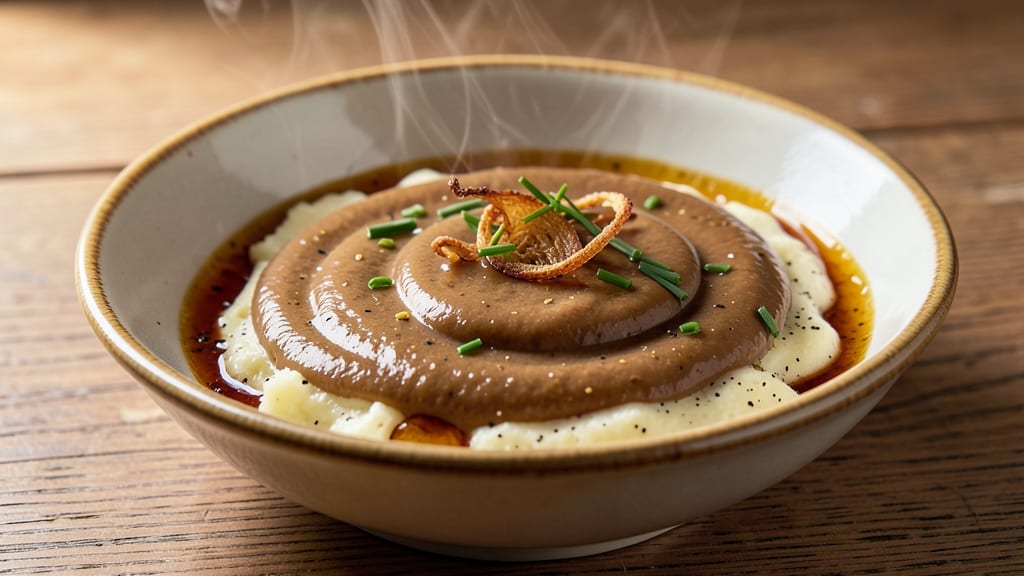
Creating Campbell's cream of chicken gravy from scratch delivers that same comforting, velvety richness without the can—just pure, homemade flavor. The secret lies in a simple roux and precise simmering, transforming basic ingredients into a sauce so smooth it’ll fool even the most skeptical taste buds.
I’ve perfected this version over years of holiday dinners, where it becomes the star of every mashed potato dish.
This recipe builds on classic techniques but adds professional touches: a balanced blend of chicken broth, milk, and spices that creates depth without heaviness. The key is patience—letting the roux cook just until golden ensures a thick, velvety finish, not a grainy one.
Optional herbs or garlic can elevate it further, but the base stays simple enough for weeknight meals.
What you’ll end up with is a creamy, flavorful gravy that coats every spoonful with that familiar, comforting taste—thick enough to cling to potatoes but light enough to sip straight from the pot.
It reheats beautifully, making it perfect for meal prep or last-minute holiday sides. The best part? No cans required.
Store leftovers in the fridge for up to 5 days or freeze for months, ready to transform any meal into a restaurant-worthy dish. Let’s make gravy that tastes like home.
Ingredients for campbell's cream of chicken gravy
Seven essential ingredients transform into velvety gravy that rivals the canned version.
| Ingredient | Amount | Notes |
|---|---|---|
| Unsalted Butter 🧈 | ½ cup | Cold, cubed for roux |
| All-Purpose Flour 🌾 | ½ cup | White, sifted for smoothness |
| Chicken Broth 🍲 | 2 cups | Low-sodium preferred |
| Whole Milk 🥛 | 1 cup | Full-fat for creaminess |
| Dry Sherry 🍷 | ¼ cup | Or substitute white wine |
| Salt 🧂 | ¾ tsp | Kosher or sea salt |
| Ground Black Pepper 🌶️ | ¼ tsp | Freshly ground preferred |
| Garlic Powder 🧄 | ½ tsp | Not garlic salt |
| Dried Thyme 🌿 | ¼ tsp | Or 1 tsp fresh thyme |
| Dry Mustard 🌶️ | ¼ tsp | Adds depth of flavor |
The butter and flour create the foundation—this roux is where the magic happens. Use unsalted butter to control seasoning, and cold cubes prevent burning. King Arthur or Gold Medal flour work best for a smooth texture. For the broth, Swanson or Pacific Foods low-sodium options are my go-to—they add depth without overpowering. The dry sherry might sound fancy, but any dry white wine works, or even apple cider vinegar in a pinch. Fresh thyme is ideal, but dried works at one-third the amount, so adjust accordingly.
No sherry? White wine or chicken bouillon keeps the flavor profile intact. The mustard might seem odd, but it adds that subtle tang that makes this gravy taste like home. Substitute Dijon mustard at half the amount if you prefer. For a richer version, swap the milk for half-and-half or heavy cream. If you're making this ahead, the roux can be prepped in advance and refrigerated until ready to use—just whisk in the cold ingredients when you're ready to finish the sauce.
This gravy thickens as it cools, so add a splash of milk if it's too thick after resting. Store leftovers in an airtight container in the fridge for 5 days or freeze for 3 months. The flavor actually improves after reheating—perfect for meal prep. For a restaurant-quality finish, strain through a fine-mesh sieve before serving to ensure absolute smoothness.
Why You'll Love This Recipe
- Here’s what sold me: that perfect balance of richness and silkiness. The milk keeps it creamy without being heavy, and the slow simmer with broth deepens the flavor into something almost luxurious. Not too thin, not too thick—it coats every bite like a warm hug.
- I’ll be real: this costs next to nothing to make but tastes like you spent hours in the kitchen. A stick of butter, a bag of flour, and a carton of milk stretch across multiple meals. Plus, the sherry—just a splash—makes it feel fancy without breaking the bank.
Step-by-step instructions for cream of chicken gravy
Master this classic roux-based gravy for velvety perfection every time.
Create the Roux Foundation
Melt the 0.5 cup unsalted butter in a medium saucepan over medium heat. Once fully melted and foaming subsides, immediately whisk in the 0.5 cup all-purpose flour to form a smooth paste. This is your roux—the backbone of your gravy.
Cook the mixture for 2-3 minutes, stirring constantly with a wooden spoon or whisk, until it turns a rich, golden nutmeg color. You'll notice the aroma deepen as the flour cooks out its raw taste. This step is crucial—don't walk away, or the roux will burn. The proper color indicates the flour's starch has fully activated, ready to absorb your liquids.
Gradually Incorporate Liquids
Slowly pour in the 0.25 cup dry sherry while whisking continuously to prevent lumps. The alcohol will sizzle briefly as it hits the hot roux. After 30 seconds, begin adding the 2 cups chicken broth in a steady stream, whisking vigorously to maintain a smooth consistency.
Let the mixture simmer gently for 5 minutes, stirring occasionally, until slightly thickened. This gradual addition prevents sudden temperature shocks that could create lumps. You'll see the gravy transform from a thin liquid to a glossy, velvety texture as the starches fully hydrate. Taste at this stage—you should detect the sherry's subtle warmth and the flour's nutty undertones.
Build Depth with Seasonings
Whisk in the 1 cup whole milk, then add the 0.75 tsp salt, 0.25 tsp ground black pepper, 0.5 tsp garlic powder, 0.25 tsp dried thyme, and 0.25 tsp dry mustard. The mustard adds subtle tang while the thyme brings herbal complexity. Stir well to fully incorporate all seasonings.
Return the gravy to a gentle simmer and cook for an additional 3-4 minutes until it reaches your desired thickness. It should coat the back of a spoon but still flow smoothly. For extra richness, you can reduce it slightly longer, but don't overcook or the milk proteins will curdle. The final gravy should be thick enough to cling beautifully to mashed potatoes while remaining silky, not gluey.
Finish and Serve
Remove the saucepan from heat and let the gravy rest for 2 minutes to allow flavors to meld. This resting period is often overlooked but makes a noticeable difference in the final product. The gravy will thicken slightly as it cools.
Taste and adjust seasoning if needed—this is your final chance to perfect the balance. The gravy should complement rather than overpower your main dish. Serve immediately over mashed potatoes, chicken, or biscuits. For best results, keep the gravy warm in a slow cooker on the "warm" setting if serving family-style. The texture will continue to improve as it sits, developing even more depth of flavor.
Pro Tips For Making Campbell'S Cream Of Chicken Gravy
- Cook Butter Slowly: Melt that unsalted butter over medium-low heat—no rushing. I used to crank it up, and the flour would burn before it had a chance to toast properly, turning my gravy into a bitter, lumpy mess. Give it 2-3 minutes until it’s just foaming, not browning.
- Whisk Like You Mean It: When you add the chicken broth to the flour-butter mix, don’t stir half-heartedly. Vigorous whisking for 30-60 seconds breaks up lumps before they form, saving you from scraping the pot later. Think “aggressive but controlled”—like you’re mad at the flour for existing.
- Temper the Milk: Warm the whole milk to room temperature before adding it to the roux. Cold milk shocks the hot mixture and causes the gravy to seize up, no matter how much you whisk. A quick 5-minute sit on the counter does the trick—no need to heat it further.
- Deglaze First, Then Strain: After cooking the roux, splash in ¼ cup of dry sherry and let it simmer for 2 minutes to deglaze the pot before adding broth. This pulls out flavor stuck to the bottom, and if you’re using store-bought broth, straining it afterward removes any grit that’ll make your gravy feel gritty. (Yes, even Campbell’s broth has surprises.)
Essential equipment for this dish
Roux Mastery Tools
Your roux is the foundation, so invest in a heavy-bottomed saucepan—I recommend All-Clad Stainless or Le Creuset for even heat distribution. A wooden spoon or silicone whisk prevents scratching while stirring constantly.
For precision, use a digital kitchen scale to measure ingredients like the 0.5 cup butter in grams (about 113g) for consistency. 🔥
Precision Temperature Control
Maintain medium heat throughout the roux stage using a gas stove or induction burner for better temperature control. If using electric, opt for a flat-bottomed pan to maximize contact.
A thermometer isn't essential, but if you're perfectionist like me, a Thermoworks Thermapen helps monitor the roux temperature—ideal range is 160-170°F for that perfect nutmeg color. 🌡️
Whisking Essentials
A balloon whisk (like the OXO Good Grips) is my go-to for blending the roux and liquids smoothly. For extra-luxurious texture, strain through a fine-mesh sieve (I use Heston Blumenthal's from Amazon) before serving.
If you're making this ahead, a mason jar with a tight-sealing lid keeps the roux fresh in the fridge for up to 3 days before finishing. 🥄
Liquid Measuring Tools
Use a liquid measuring cup with clear markings for the 2 cups chicken broth and 1 cup milk—glass is best for heat resistance. For the 0.25 cup sherry, a shot glass or small measuring cup works perfectly.
A ladle helps pour liquids gradually while whisking. Pro tip: Keep a small bowl nearby to catch any splatters when adding the sherry—it's volatile! 🍷
Storage Containers
For leftovers, glass storage containers (like Pyrex) are ideal—they reheat evenly and won't absorb flavors. Label with dates using a permanent marker to track freshness.
For freezing, silicone molds (such as Nordic Ware) preserve texture better than rigid containers. Thaw overnight in the fridge before reheating for best results. ❄️
Optional Upgrades
Add a garlic press for fresh garlic if using instead of powder, and a microplane for zesting lemon if you want a bright twist. A fine-mesh strainer (like OXO Good Grips) ensures ultra-smooth gravy.
For serving, a gravy boat (I love Le Creuset's) makes any meal feel special. These extras elevate the experience without being essential. ✨
Nutrition facts
Frequently asked questions
Why does my homemade gravy turn out lumpy?
Lumps happen when the roux and liquids aren't combined slowly enough. Always whisk continuously while adding liquids, and use a low-to-medium heat to prevent sudden temperature changes. For extra smoothness, strain the finished gravy through a fine-mesh sieve.
Can I make this gravy without sherry?
Substitute 0.25 cup dry white wine or 2 tablespoons apple cider vinegar for the sherry. Both add acidity that balances the richness. If avoiding alcohol completely, use an extra 0.25 cup chicken broth instead. The flavor will still be delicious—just slightly less complex.
How do I adjust the thickness of my gravy?
If too thick, whisk in 1 tablespoon milk or broth at a time until smooth. For thicker gravy, simmer uncovered for 2-3 extra minutes to reduce. Always remember it will thicken more as it cools. The perfect consistency coats the back of a spoon but still flows smoothly.
What's the best way to reheat leftover gravy?
Gently warm over low heat on the stovetop, stirring constantly to prevent scorching. Avoid microwaving as it can create hot spots. For even heating, place the gravy in a saucepan with 1 tablespoon milk or broth to help restore its silky texture. Reheated gravy tastes even better the second time!
Can I make this gravy dairy-free?
Yes! Replace the 1 cup milk with 1 cup unsweetened almond or oat milk and use 2 tablespoons cornstarch instead of flour for thickening. For depth, add 1 teaspoon nutritional yeast to mimic the umami of dairy. The texture will be slightly lighter but still creamy.