
Main Courses
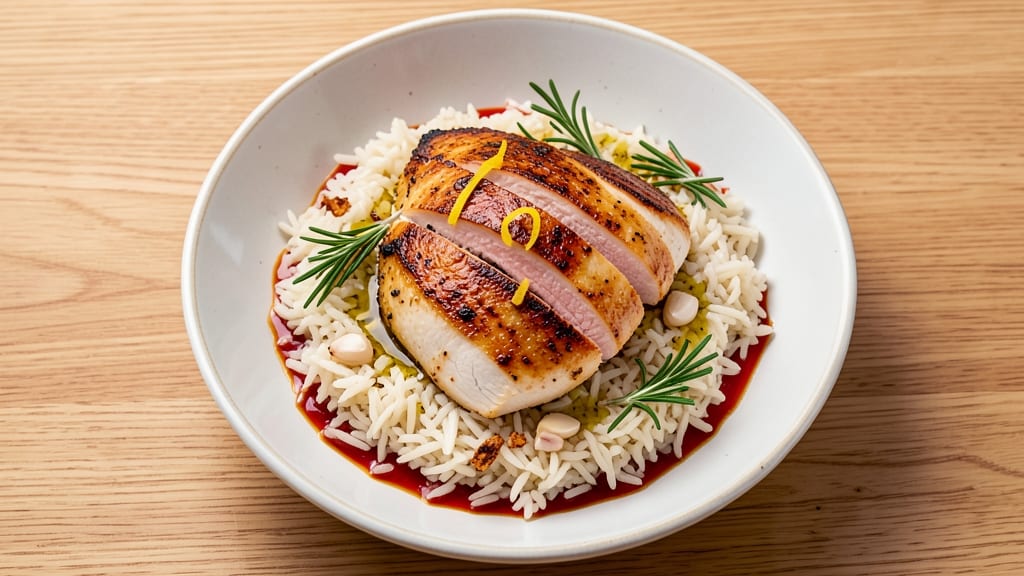
This one-pan lemon garlic chicken breast recipe delivers restaurant-quality results with minimal cleanup—juicy chicken, fragrant basmati rice, and bright citrus flavors all cooked together.
The secret lies in a simple marinade that tenderizes the chicken while infusing the rice with aromatic depth, creating a cohesive meal that's both elegant and effortless.
Start with boneless, skinless chicken breasts seared to a golden finish, then simmered with garlic, lemon, and herbs until reaching 165°F internal temperature. Meanwhile, basmati rice absorbs the flavorful liquid, resulting in light, separate grains that complement the tender chicken perfectly.
Garnish with fresh parsley and a squeeze of lemon for a dish that's as visually appealing as it is delicious.
Ingredients for chicken breast basmati rice
Restaurant-quality one-pan chicken and basmati rice relies on these aromatic ingredients for perfect balance.
| Ingredient | Amount | Notes |
|---|---|---|
| Boneless, Skinless Chicken Breasts 🍗 | 1 ½ lb | Pounded to even thickness |
| Long-Grain Basmati Rice 🍚 | 1 cup | Uncooked, rinsed thoroughly |
| Fresh Lemon Juice 🍋 | ¼ cup | From 2-3 medium lemons |
| Extra-Virgin Olive Oil 🫒 | ¼ cup | High-quality, fruity variety |
| Garlic Cloves 🧄 | 6 cloves | Minced finely for marinade |
| Fresh Rosemary 🌿 | ½ oz | Finely chopped, stems removed |
| Fresh Thyme 🌿 | ¼ oz | Leaves only, finely chopped |
| Diamond Crystal Kosher Salt 🧂 | 1 ½ tsp | For seasoning and marinade |
| Ground Black Pepper 🌶️ | ½ tsp | Freshly cracked preferred |
| Vegetable Broth 💧 | 1 ½ cups | Low-sodium preferred |
| Fresh Flat-Leaf Parsley 🌿 | ¼ cup | Chopped for garnish |
| Fresh Lemon Zest 🍋 | 1 tbsp | From 1 lemon, for finishing |
The chicken breasts form the foundation—purchase from a trusted butcher or high-quality grocery section like Whole Foods or Trader Joe's for optimal tenderness. Look for breasts with even thickness and minimal connective tissue. The basmati rice should be long-grain and premium quality—brands like Lundberg or Tilda deliver consistent results. Fresh herbs are non-negotiable here: rosemary and thyme from the farmers market have superior flavor compared to dried substitutes. For the olive oil, invest in a fruity extra-virgin like California Gold Label—it makes all the difference in the final dish's depth of flavor.
No fresh rosemary? Dried rosemary at one-third the amount works in a pinch, though the flavor will be more muted. Substituting brown rice for basmati changes the texture dramatically—stick with basmati for its signature light, separate grains. For the vegetable broth, low-sodium is critical to avoid over-salting the dish. The lemon juice can be bottled in a bind, but freshly squeezed delivers vibrant acidity that bottled versions lack. If you're short on time, pre-minced garlic from the jar saves steps without sacrificing flavor.
Store any leftover chicken and rice in an airtight container for up to 4 days—the flavors actually deepen overnight. Reheat gently with a splash of water or broth to maintain moisture. The fresh herbs should be used immediately, but the lemon zest and olive oil can be stored separately in the refrigerator for 1 week. For meal prep, portion the chicken and rice into individual containers with a small amount of broth to keep everything moist during storage. Garnish with fresh parsley and lemon zest just before serving to maintain visual appeal.
Why You'll Love This Recipe
- One-Pan Magic: I swear by this—just one skillet, no fuss. Toss the chicken and rice in the same pan with olive oil, let the garlic sizzle, then pour in lemon juice at the end. The rice absorbs all that flavor while the chicken cooks through. No extra pots, no extra stress.
- Bright & Savory: That lemon juice isn’t just for garnish—it cuts through the richness of the chicken and rice, giving it this lift you won’t find in heavy sauces. The garlic? Oh, it’s there, deep and toasty, but the citrus keeps it from being overpowering. Honestly, I reach for this when I want something that tastes restaurant-worthy without the effort.
- Lunchbox Hero: Between us, this is my go-to for meal prep. Cook a big batch on Sunday, and you’ve got lunch sorted for days. The rice stays fluffy, the chicken stays juicy, and the lemon keeps it from getting bland. Pack it cold or reheat it—both ways are solid.
- Budget Win: Skinless chicken breasts might sound pricier, but they’re lean, filling, and stretch further than you’d think. A pound goes a long way, and basmati rice is one of those pantry staples that’s always affordable. Plus, the olive oil and lemon are the only fancy bits, and a little goes a long way. My wallet thanks me every time.
Step-by-step instructions for chicken breast and basmati rice
Master this one-pan technique for perfectly balanced chicken and fragrant rice.
Prepare the Chicken and Herb Marinade
Place the 1.5 lb boneless, skinless chicken breasts between two sheets of plastic wrap and pound to an even ½-inch thickness using a meat mallet. This ensures even cooking and prevents dryness. In a small bowl, combine the 0.25 cup fresh lemon juice, 0.25 cup extra-virgin olive oil, 6 minced garlic cloves, 0.5 oz finely chopped fresh rosemary, 0.25 oz finely chopped fresh thyme, 1.5 tsp diamond crystal kosher salt, and 0.5 tsp ground black pepper. Whisk until fully emulsified.
Coat the pounded chicken thoroughly with the marinade, pressing it into the meat so it absorbs evenly. Let it marinate for 15-20 minutes at room temperature while you prepare the rice. This step develops deep flavor and ensures the chicken remains juicy during cooking. The marinade should cling to the chicken like a glossy film when you lift it from the bowl.
Sear the Chicken and Toast the Rice
Heat a large oven-safe skillet over medium-high heat. Add the marinated chicken and cook for 4-5 minutes per side until the chicken develops a deep golden-brown crust and reaches an internal temperature of 160°F. Remove the chicken and set it aside on a plate, tenting loosely with foil to keep warm. The seared crust locks in juices, so don't skip this step.
In the same skillet, reduce heat to medium and add the 1 cup uncooked, rinsed long-grain basmati rice. Toast the rice, stirring constantly, for 2-3 minutes until it becomes translucent at the edges and releases a nutty aroma. This toasting step prevents mushy rice and enhances its natural flavor. You'll see the rice grains begin to separate slightly as they absorb the residual chicken fat.
Deglaze and Simmer the Rice
Pour in the 1.5 cups vegetable broth and bring to a gentle boil. Immediately reduce heat to low, cover the skillet tightly with a lid, and let it simmer for 15 minutes without disturbing. The rice will absorb the liquid gradually, developing a fragrant steam that fills your kitchen. After 15 minutes, remove the lid and check the rice—it should be tender but still slightly firm in the center.
Return the chicken to the skillet and spoon any accumulated juices from the plate over the rice. Cover again and let it cook for another 5 minutes to allow the chicken to finish cooking and absorb the rice's aromatic steam. The chicken should reach 165°F internally, and the rice should be tender with a slight bite.
Finish with Lemon and Garnish
Remove the skillet from heat and let it rest for 5 minutes, covered. This resting period allows the rice to finish steaming and the chicken to redistribute its juices. Sprinkle the 1 tbsp fresh lemon zest evenly over the rice and chicken, then stir gently to distribute. The zest adds a bright, citrusy finish that cuts through the richness of the chicken and rice.
Finally, garnish with the 0.25 cup chopped fresh flat-leaf parsley and serve immediately. The dish should have a vibrant lemony aroma, tender chicken with crisp edges, and perfectly fluffy basmati rice. Each bite should deliver a harmonious balance of herbed chicken, fragrant rice, and citrus brightness.
Pro Tips For Making Chicken Breast Basmati Rice
- BRINE THE CHICKEN: Toss those chicken breasts in a bowl with ¼ cup salt per 2 cups water for 15 minutes before cooking—yes, even if you’re in a hurry. I learned this the hard way when my breasts turned out dry; the salt keeps them juicy and lets the lemon flavor sink in deeper.
- TOAST THE GARLIC: Sauté the minced garlic in olive oil until it’s golden, not just fragrant—about 30 seconds past when you think it’s done. Burnt garlic ruins the dish; golden garlic adds depth that plain raw garlic can’t match.
- RINSE THE RICE: Swirl the basmati rice in cold water for 2 minutes before cooking, then drain. This removes excess starch so the grains stay separate and don’t turn mushy—no one wants gluey rice with their chicken.
- LEMON AFTER COOKING: Add the lemon juice after the chicken and rice are done, not during. The acid cuts the richness of the olive oil and brightens the dish, but if you toss it in too early, the rice will turn sour before serving.
Perfect pairings for this dish
Citrusy Side Dishes
Brighten your plate with a simple mango avocado salad—toss 2 cups diced mango, 1 avocado, 1 tbsp lime juice, and 2 tbsp chopped cilantro.
The tropical sweetness complements the lemony chicken beautifully. For a crunchy contrast, serve with toasted almonds or pumpkin seeds for extra texture. 🌿
Herbed Vegetable Sides
Sautéed green beans with garlic are a classic pairing—toss 1 lb green beans with 2 tbsp olive oil, 3 minced garlic cloves, and ½ tsp red pepper flakes for a quick side.
Alternatively, try roasted asparagus with a sprinkle of lemon zest and sea salt to echo the dish’s flavors. Both sides cook in under 10 minutes.
Wine Pairings
A crisp Sauvignon Blanc from New Zealand—like Kim Crawford—cuts through the dish’s richness with its zesty acidity and citrus notes. For red wine lovers, a light Pinot Noir from Oregon offers subtle earthiness that won’t overpower the lemon-herb profile. Serve both chilled to 50°F for optimal balance. 🍷
Beer Complements
Pair your meal with a Belgian witbier, such as Stella Artois Wit—its coriander and citrus flavors mirror the dish’s lemon and herb notes. For a lighter option, a German Pilsner like Warsteiner provides a clean, refreshing contrast.
Avoid heavy lagers or stouts, which can clash with the bright flavors.
Garnish Upgrades
Elevate your plate with edible flowers like nasturtiums or violets for a pop of color. A drizzle of chili-lime oil (mix 2 tbsp olive oil with 1 tsp lime zest and ½ tsp chili powder) adds a spicy kick.
For a smoky twist, sprinkle toasted sesame seeds over the rice before serving. ✨
Nutrition facts
Frequently asked questions
Can I use chicken thighs instead of chicken breasts?
Yes, but you'll need to adjust the cooking time. Chicken thighs stay juicier and cook faster than breasts, so aim for 145°F internal temperature (about 10-12 minutes total for ½-inch thick thighs). The skin adds richness, but remove it before cooking if you prefer skinless texture. Thighs work especially well with this lemon-herb marinade!
Why does my basmati rice turn out mushy?
Mushy rice usually happens from overcooking or insufficient liquid absorption. Always use 1.5 cups liquid per 1 cup rice and simmer covered on low heat—never boil vigorously. If your rice is still firm after 15 minutes, add 2 tbsp hot water, cover, and steam for 2 more minutes. Toasting the rice first also prevents mushiness!
Can I make this recipe ahead of time?
Cook the chicken and rice as directed, then refrigerate in an airtight container for up to 4 days. Reheat gently with 1 tbsp water or broth per serving to maintain moisture. The flavors actually deepen overnight—just add fresh parsley and lemon zest when serving to brighten the dish.
What's the best way to slice chicken breasts for even cooking?
Pound the breasts to ½-inch thickness between plastic wrap using a meat mallet. For extra even cooking, cut each breast horizontally into two cutlets before pounding. This ensures all pieces cook at the same rate and prevents dry spots. The marinade will cling better to thinner pieces too!
Can I substitute basmati rice with jasmine rice?
While jasmine rice works, it has a stickier texture and stronger aroma that may overpower the lemon-herb flavors. If using jasmine, reduce the liquid by 2 tbsp and cook for 12 minutes instead of 15. For the best results, stick with basmati's signature light, separate grains that complement the dish's bright flavors perfectly.