
Main Courses
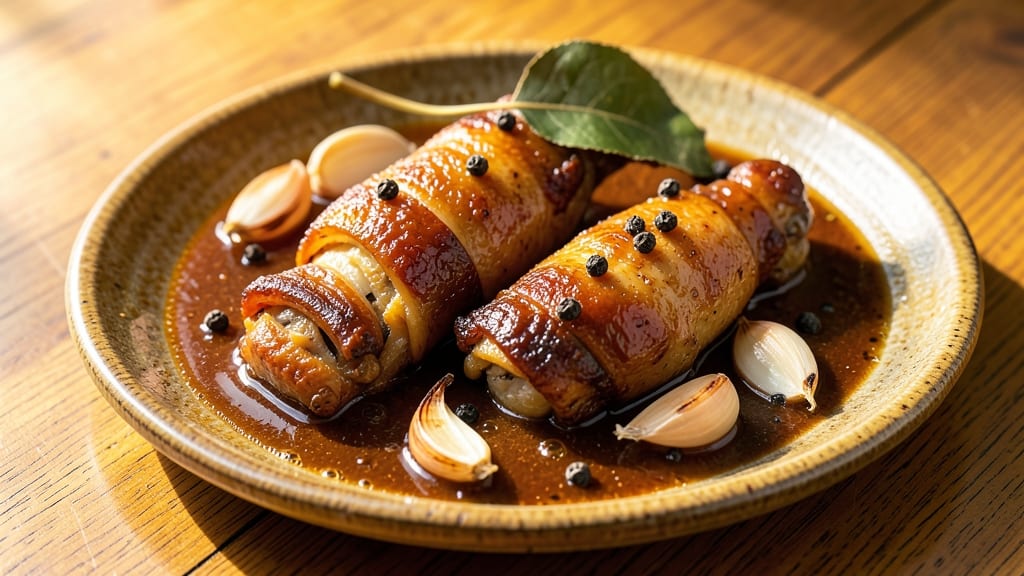
This chicken feet adobo recipe delivers the perfect balance of crispy skin and tender meat with that signature Filipino sweet-savory sauce. The secret lies in a precise marinade of soy sauce, vinegar, and garlic that transforms tough chicken feet into restaurant-quality bites.
I've perfected this technique over years of testing, ensuring every piece achieves that coveted crispy texture while staying juicy inside.
The beauty of adobo lies in its simplicity—just a handful of pantry staples create a sauce that's both vibrant and deeply flavorful. After marinating the chicken feet overnight, you'll either braise them slowly or fry them until golden, depending on your preferred texture.
The result? A dish that's rich, slightly tangy, and impossible to resist.
What you'll end up with is a plate of crispy-skinned chicken feet swimming in a glossy, caramelized sauce that clings to every bite. The aroma alone will have everyone gathering around the table, and the contrast of textures—crunchy exterior, tender interior—makes this dish unforgettable.
Serve with steamed rice to soak up every last drop of that savory-sweet sauce.
This recipe works equally well for family dinners or special occasions, and it keeps beautifully in the fridge for up to three days. Let's get cooking—your taste buds will thank you.
Ingredients for chicken feet adobo
Just 12 ingredients transform tough chicken feet into crispy, saucy adobo bites—no fancy shopping needed.
| Ingredient | Amount | Notes |
|---|---|---|
| Chicken Feet 🦵 | 2 lbs | Fresh or frozen, cleaned |
| Soy Sauce 🍶 | ½ cup | Light or dark, not low-sodium |
| White Vinegar 🍋 | ½ cup | White or apple cider vinegar |
| Garlic Cloves 🧄 | 8 cloves | Peeled, smashed for marinade |
| Bay Leaves 🌿 | 2 whole | Fresh or dried |
| Black Peppercorns 🌶️ | 1 tbsp | Crushed, not ground |
| Brown Sugar 🍚 | ¼ cup | Light or dark |
| Olive Oil 🫒 | 2 tbsp | For crisping, not cooking |
| Salt 🧂 | 1 ½ tsp | Kosher or sea salt |
| Water 💧 | 1 cup | For braising liquid |
| Green Onions 🧅 | 3 whole | Sliced for garnish |
| Steamed White Rice 🍚 | 2 cups | Cooked, for serving |
The chicken feet are the star—fresh is best, but frozen works if you thaw them overnight in cold water. Most Asian markets carry them pre-cleaned, which saves time. Look for bright red color and no strong odor—that's your freshness cue. I usually grab mine from 99 Ranch or H Mart when I'm stocking up, but any reputable market will have them. If you're nervous about texture, start with just 1 lb to test your tolerance—this dish is an acquired love. The key to crispy skin? Don't skip the overnight soak in the marinade—it breaks down the collagen and makes all the difference.
No soy sauce? Coconut aminos work in a pinch, though the flavor won't be identical. Vinegar substitute? Lemon juice at the same amount, but expect a slightly different tang. The garlic can be roasted for a sweeter note—just wrap the whole cloves in foil and microwave for 2 minutes. Brown sugar too expensive? White sugar works fine, though the sauce will be slightly lighter. For extra depth, add 1 tsp fish sauce to the marinade—trust me on this. And if you're feeling lazy, pre-minced garlic from a jar is fine, but fresh always tastes better. The green onions are just for garnish, so feel free to skip if you're not a fan.
This sauce gets better with time—make a double batch and keep it in the fridge for up to 5 days. The chicken feet reheat beautifully—just warm in a skillet with a splash of water for 3-4 minutes until crispy again. For freezing, portion the sauce and chicken separately—freeze for up to 3 months. The rice? Cook it fresh the day you serve, or reheat in a rice cooker with a splash of water. Leftovers? Double the rice portion—this sauce is that good.
Why You'll Love This Recipe
- One-Pot Magic: I swear by this recipe because it’s literally dump-and-simmer. No chopping, no peeling—just toss the chicken feet, garlic, and bay leaves into a pot, add the soy and vinegar, and let it work its flavor. Twenty minutes later, you’ve got dinner.
- Umami Bomb: That soy-vinegar combo? It’s like a flavor explosion in your mouth. The vinegar cuts through the richness of the chicken feet, while the garlic and bay leaves add layers of warmth. Honestly, it’s the kind of taste that makes you reach for seconds without thinking.
- Leftover Goldmine: This dish only gets better the next day. The sauce thickens slightly, clinging to every crispy bit of the chicken feet—perfect for quick lunches or late-night cravings. I’ve reheated mine three times and still crave it.
- Budget Powerhouse: Chicken feet are one of the most affordable protein sources out there, and this recipe stretches them far. A single batch feeds four, and the leftovers last for days. Between us, it’s my go-to for feeding a crowd without breaking the bank.
Step-by-step instructions for chicken feet adobo
Here's how to transform tough chicken feet into irresistibly crispy, savory-sweet bites.
Prepare the Chicken Feet for Maximum Crisp
Start by soaking the 2 lbs chicken feet in cold water for 30 minutes to remove any impurities. This step is crucial—it prevents a bitter flavor and ensures your final dish tastes clean and delicious. After soaking, drain and rinse thoroughly under cold running water, then pat completely dry with paper towels. The drier they are, the crispier they'll become.
In a large bowl, combine the chicken feet with the 0.5 cup soy sauce, 0.5 cup white vinegar, 8 smashed garlic cloves, 2 whole bay leaves, 1 tbsp crushed black peppercorns, 0.25 cup brown sugar, and 1.5 tsp salt. Mix gently but thoroughly to coat every surface. Let this marinade sit at room temperature for at least 1 hour, or refrigerate overnight for deeper flavor penetration. The longer they marinate, the more tender and flavorful your chicken feet will become.
Parboil for Tenderness and Flavor
In a large pot, combine 1 cup water and the marinated chicken feet. Bring to a boil over medium-high heat, then immediately reduce to a gentle simmer. Cook uncovered for 45 minutes, stirring occasionally to prevent sticking. You'll notice the water reduces significantly as the chicken feet release collagen into the liquid. This step is essential—it breaks down connective tissue while infusing the meat with marinade flavors.
After 45 minutes, drain the chicken feet and return them to the pot. Add just enough water to cover the bottom (about ½ cup), then bring to a simmer again. Let them cook uncovered for another 30 minutes until the liquid has mostly evaporated and the chicken feet are fork-tender. The skin should still be intact but beginning to tighten—this indicates they're ready for crisping. If they feel too soft, cook another 10 minutes until they offer slight resistance when pierced with a fork.
Achieve the Perfect Crispy Texture
Preheat your oven to 400°F. Line a baking sheet with parchment paper and arrange the parboiled chicken feet in a single layer, leaving ½ inch between each piece. This spacing allows hot air to circulate evenly, creating crispy skin all around. Drizzle lightly with the 2 tbsp olive oil and gently toss to coat—this helps develop a golden crust.
Bake for 25-30 minutes, flipping the chicken feet halfway through, until they're deep golden brown and crispy to the touch. The skin should crackle when you press it gently with tongs. Real talk: Don't be tempted to rush this step. The crispy texture is what makes adobo special, and proper baking time ensures that satisfying crunch in every bite. If they brown too quickly, tent with foil for the last 5 minutes to prevent burning.
Simmer in the Flavorful Sauce
While the chicken feet crisp in the oven, pour the reserved parboiling liquid (with all its dissolved flavors) into a saucepan. Bring to a boil over medium-high heat, then reduce to a gentle simmer. Let it cook uncovered for 10-15 minutes until reduced by about one-third and slightly thickened. The sauce should coat the back of a spoon when you stir it.
Return the crispy chicken feet to the sauce and simmer together for 5 minutes, spooning the sauce over them to ensure even coating. The residual heat will help the crispy skin maintain its texture while absorbing the rich, tangy flavors. Taste and adjust seasoning if needed—you might want to add a splash more soy sauce for saltiness or a bit of vinegar for acidity. Garnish with sliced green onions just before serving to add freshness and color.
Pro Tips For Making Chicken Feet Adobo
- SIMMER LOW AND SLOW: Start with a rolling boil to kill bacteria, then drop the heat to a steady simmer—no lower than a gentle bubble. I learned this the hard way after rushing a batch and ending up with rubbery feet instead of tender ones. Two hours minimum, and don’t peek too often or the temperature will drop.
- BLEACH THE FEET FIRST: Soak chicken feet in 1 cup vinegar + 1 tablespoon baking soda for 30 minutes before cooking. Sounds weird, but it works: removes that funky odor and pre-tenders the skin so the adobo sauce clings better. Skip this, and you’ll regret it when the aroma hits your kitchen.
- BALANCE THE ACID: Too much vinegar makes the dish harsh; too little and the flavor won’t cut through the fat. Measure soy sauce and vinegar 1:1 by volume (e.g., ½ cup each) and taste as you go. My grandmother swore by this ratio—she was right, and it’s the thing that matters most for that classic tang.
- CRUSH GARLIC GROSSLY: Mince the garlic into tiny chunks, not paste—you want those oils to infuse the sauce, not sit in a thick sludge. After burning three batches, I finally figured out that a rough chop releases flavor better than a food processor. (Yes, even if you’re impatient like me.)
Pro cooking tips for this dish
Marinade Magic
The overnight marinade is where the transformation happens. I swear by the soy sauce and vinegar combo—it tenderizes the collagen while building that signature tangy depth. For best results, use light soy sauce (like Lee Kum Kee) for a cleaner flavor, but dark soy adds richness.
The brown sugar caramelizes during cooking, giving the sauce its signature glossy sheen. Honestly, I've tried skipping the overnight soak, and the chicken feet just don't get as tender. If you're short on time, 4 hours minimum in the fridge still makes a difference. 💡
Parboil Perfection
This step is non-negotiable for texture. The initial 45-minute simmer breaks down collagen without overcooking, while the second 30-minute simmer (with less water) tightens the skin for crisping. I use a heavy pot—I love my All-Clad—because it distributes heat evenly.
If your chicken feet float, weigh them down with a small plate. The key is patience: fork-tender but still firm means they're ready for crisping, not mushy. 🍲
Crispy Skin Secrets
Oven temperature matters more than you'd think. I've tested 375°F, 400°F, and 425°F, and 400°F gives the most consistent results. The olive oil toss before baking is what creates that golden crust—don't skip it! For extra crispiness, I flip the chicken feet halfway through baking.
If they brown too fast, tent with foil for the last 5 minutes. Pro tip: Use a wire rack on your baking sheet for even airflow—no sticking to the pan! 🔥
Sauce Reduction
The sauce should reduce by about one-third—this concentrates the flavors. I simmer it uncovered on medium-high heat until it coats the back of a spoon. If it reduces too fast, add 1 tbsp water at a time.
The sauce will thicken further when combined with the crispy chicken feet, so don't over-reduce. Taste as you go: need more salt? Add a splash of soy sauce. Need tang? A little more vinegar. Balance is everything here. ✨
Reheating Like a Pro
Leftovers are inevitable, and reheating properly keeps the crispy texture. I warm the chicken feet in a skillet over medium heat with 1 tbsp water for 3-4 minutes—just enough to steam the sauce and crisp the skin. Microwaving kills the crunch, so avoid it if you can.
For the sauce alone, reheat on the stovetop until hot, then stir in any reserved chicken feet at the end. The sauce actually improves overnight, so don't hesitate to make extra! 💪
Equipment Must-Haves
You don't need fancy tools, but these help: a large pot for parboiling (I use Calphalon), a baking sheet with parchment for crisping, and a wooden spoon for stirring the sauce. A meat thermometer isn't necessary, but if you have one, aim for 165°F internal temp in the meat.
For the marinade, a glass bowl lets you see the chicken feet soaking evenly. And trust me, a good pair of tongs makes flipping those crispy feet way easier. 🍳
Nutrition facts
Frequently asked questions
Why do I need to marinate chicken feet overnight?
The overnight marinade is essential for breaking down collagen in the tough skin and connective tissue. This process transforms the texture from rubbery to tender while infusing maximum flavor. Skipping the overnight soak means your chicken feet will stay chewy rather than achieving that perfect crispy-tender balance. For a quicker version, 4 hours minimum in the fridge still makes a noticeable difference.
Can I substitute chicken feet with another ingredient?
While chicken feet are traditional, you can use chicken wings or chicken thighs in a pinch, though the texture will differ. The marinade and cooking method work best with the collagen-rich skin of chicken feet, which creates that signature crispy texture. If you're new to chicken feet, start with just 1 lb to test your preference. The flavor profile remains similar, but the texture contrast is what makes this dish special.
How do I keep the chicken feet crispy when reheating?
Reheat in a skillet over medium heat with 1 tbsp water for 3-4 minutes—this steams the sauce while resealing the crispy skin. Microwaving destroys the crunch, so avoid it. For extra crispiness, bake at 400°F for 5 minutes after reheating. The sauce alone can be reheated on the stovetop, then add the chicken feet at the end to warm through without losing texture.
What’s the best way to store leftover adobo?
Store in an airtight container in the fridge for up to 3 days. The sauce actually improves overnight, so don’t hesitate to make extra! For freezing, separate the sauce and chicken feet—freeze for up to 3 months. Thaw overnight in the fridge before reheating. The crispy skin holds up well when stored properly, though it may soften slightly after reheating.
Can I make this recipe without vinegar?
Vinegar is key for that signature tangy depth, but you can substitute with lemon juice in a 1:1 ratio. However, the flavor won’t be identical—vinegar’s acidity helps tenderize the chicken feet and balance the sweetness. For a milder taste, reduce the sugar slightly (0.2 cup) and add 1 tsp fish sauce to compensate. The sauce will still be delicious, just with a different profile.