
Side Dishes
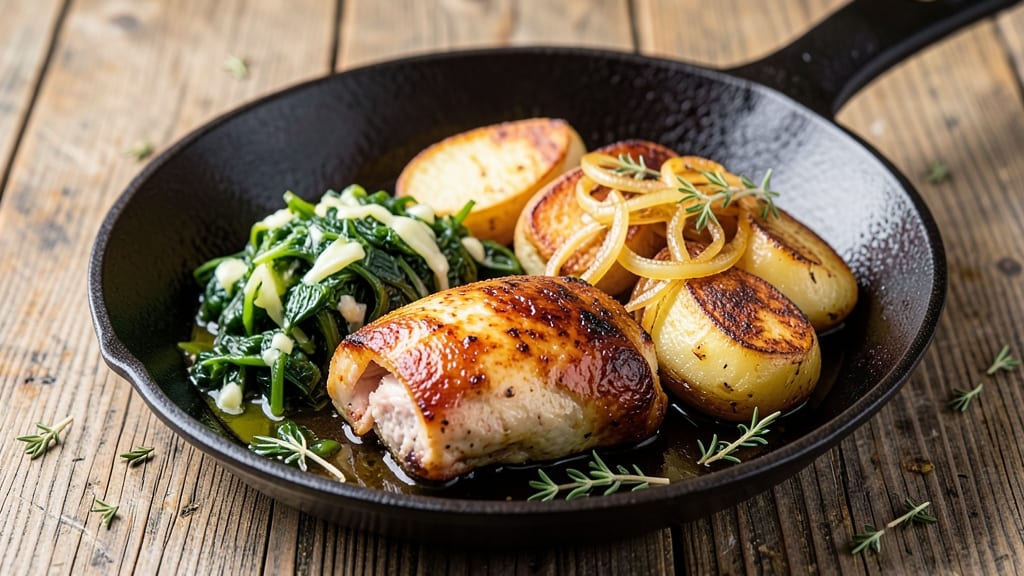
This chicken sauerkraut potatoes recipe delivers hearty German-style comfort in one pan, where tender chicken, tangy sauerkraut, and creamy potatoes braise together into a meal that feels like a hug. Growing up in small-town Georgia, I learned how simple ingredients—when combined with patience—create dishes that feed both body and soul.
The secret lies in slow-braising the chicken until fork-tender while letting the sauerkraut's sharpness mellow into a perfect balance of flavors.
The magic happens in that single cast-iron skillet where everything simmers just long enough to develop deep, savory notes. You'll start with pan-seared chicken thighs—their crispy edges giving way to juicy meat—while the potatoes soften into a creamy, almost mashed texture.
The sauerkraut, sautéed until its acidity softens, becomes the dish's vibrant heart, cutting through the richness with every bite. This isn't just a side; it's a complete, satisfying meal that tastes even better the next day.
By the time you're done, you'll have a restaurant-quality one-pan wonder that's perfect for family dinners or cozy weekends. The aroma alone—smoky, herby, and tangy—will have everyone gathering around the table.
Serve it with a cold German-style lager or crisp apple cider to complete the experience. Here's how to make it happen in just one pan, one hour—no fuss, all flavor.
This dish proves comfort food doesn't require complicated techniques, just time and attention. The potatoes absorb the chicken's juices while the sauerkraut infuses everything with its signature tang, creating a harmony that's both nostalgic and exciting. Trust me—once you taste this, you'll never settle for anything less than homemade again.
Ingredients for chicken sauerkraut potato
Simple pantry staples transform into a hearty, tangy one-pan masterpiece.
| Ingredient | Amount | Notes |
|---|---|---|
| Bone-In Chicken Thighs 🍗 | 1 ½ lb | Skin-on, cut into even pieces |
| Yellow Onions 🧅 | 1 whole | Thinly sliced, about 1.5 cups |
| Sauerkraut 🥬 | 14 oz | Drained, rinsed if too acidic |
| Russet Potatoes 🥔 | 2 lb | Cut into 1-inch chunks, peeled optional |
| Extra-Virgin Olive Oil 🫒 | ½ cup | For searing and deglazing |
| Fresh Thyme 🌿 | ¼ cup | Leaves only, chopped fine |
| Fresh Rosemary 🌿 | 1 tbsp | Chopped, or 1 tsp dried |
| Garlic Cloves 🧄 | 4 cloves | Minced, or 1 tsp garlic powder |
| Dry White Wine 🍷 | ½ cup | Like Sauvignon Blanc or Pinot Grigio |
| Chicken Broth 💧 | 1 cup | Low-sodium preferred |
| Apple Cider Vinegar 🍎 | 1 tbsp | Balances sauerkraut acidity |
| Diamond Crystal Kosher Salt 🧂 | 1 ½ tsp | Adjust to taste |
| Freshly Ground Black Pepper 🌶️ | ½ tsp | Cracked over top |
| Bay Leaves 🌿 | 2 whole | Removed before serving |
| Fresh Parsley 🌿 | ⅛ cup | Chopped, for garnish |
The chicken thighs are the backbone of this dish—bone-in, skin-on for maximum flavor and juiciness. Look for thighs with a good layer of fat (about 1/4-inch thick) at the Whole Foods or Trader Joe's meat sections—they're usually marked for their rich flavor. If you can't find bone-in, skin-on breasts work, but thighs hold up better to the long braise. Rinse the sauerkraut well if it's too acidic—drained and squeezed dry is key for the right texture. The potatoes? Russets are ideal—they break down beautifully, but Yukon Golds add a touch of creaminess if you prefer. Fresh herbs make all the difference here: thyme and rosemary should smell vibrant, not dried out.
No white wine? Chicken broth with a splash of apple cider vinegar does the trick—just add an extra 1/2 teaspoon of sugar to balance the acidity. Short on fresh thyme or rosemary? Dried works at one-third the amount, but toast the dried herbs in the pan for 30 seconds to wake up their flavor. The sauerkraut can be store-bought or homemade—just avoid the kind with added vinegar or sugar. For a deeper flavor, deglaze the pan with a splash of beer (like a German-style lager) after searing the onions. And if you're feeling fancy, swap the parsley garnish for fresh chives—they pair beautifully with the tangy sauerkraut.
This dish tastes even better the next day—make extra and reheat gently with a splash of broth. Store in the fridge for up to 4 days or freeze for 3 months (the flavors deepen over time). For meal prep, portion into individual containers with a sprinkle of black pepper on top—it reheats beautifully. The cast-iron skillet is your best friend here: preheat it on the stove for 2 minutes before adding oil to get that perfect sear. And if you're serving with beer, chill a few bottles—the carbonation cuts through the richness perfectly.
Why You'll Love This Recipe
- One-Pan Magic: I swear by this when I’m too tired to scrub pots. Toss everything—chicken, potatoes, sauerkraut—onto one sheet pan, drizzle with olive oil, and let the oven do the work. The onions caramelize right alongside the crispy skin on those thighs, and honestly? I’ve never cleaned up less for a meal this satisfying.
- Tangy-Creamy Balance: That sauerkraut isn’t just a side—it’s the star. The sharp, fermented punch cuts through the richness of the chicken and potatoes, while the olive oil keeps everything tender. Between us, the first bite hits like a hug: salty, herby, and just sweet enough from those roasted potatoes. My picky-eating partner actually finishes his plate now.
- Leftovers That Don’t Suck: I make this on Sundays because it begs to be reheated. The potatoes stay fluffy, the chicken stays juicy, and the sauerkraut? Still packed with flavor—no sad, watery leftovers here. Pack it for lunch or freeze portions; it’s the kind of meal that tastes just as good cold as it does hot. (Yes, even on a Tuesday night.)
- Budget-Friendly Crowd-Pleaser: Bone-in thighs stretch further than breasts, and russets are cheaper than fingerlings. Sauerkraut adds depth without breaking the bank, and onions? Always a pantry staple. Feed four for under $15, and you’ll have enough for seconds—or thirds. My college roommate still texts me asking for the recipe. (I charge her $5 every time.)
Step-by-step instructions for German-style chicken sauerkraut potatoes
This one-pan wonder delivers hearty comfort with minimal effort—crispy chicken, tender potatoes, and tangy sauerkraut all melding together beautifully.
Sear the Chicken Thighs for Maximum Flavor
Heat a large Dutch oven over medium-high heat until it's shimmering hot. Add the 1.5 lb bone-in chicken thighs, skin-side down, and let them sear undisturbed for 5-6 minutes until the skin turns deep golden brown and crispy. This initial sear creates the foundation for rich, caramelized flavor.
Flip the chicken thighs and cook for another 4-5 minutes until the second side is golden. Remove the chicken from the pot and set it aside on a plate. Don't drain the rendered fat—it's pure liquid gold for building flavor in the next steps. Here's where it gets good: you'll notice the chicken releases easily when it's ready to flip, and the skin should have a beautiful mahogany color.
Build the Sauerkraut and Potato Base
In the same Dutch oven (with all that delicious rendered fat still in the bottom), add 0.5 cup extra-virgin olive oil and swirl it around to coat the bottom. Add the 1 whole yellow onions (thinly sliced) and cook for 3-4 minutes until they begin to soften and turn translucent. Stir occasionally to prevent burning.
Add the 2 lb russet potatoes (cut into 1-inch chunks) and toss them in the oil and onions for 2 minutes to lightly coat them. Then add the 14 oz sauerkraut (drained and rinsed), 0.25 cup fresh thyme, 1 tbsp fresh rosemary, 4 cloves garlic cloves (minced), 1.5 tsp diamond crystal kosher salt, and 0.5 tsp freshly ground black pepper. Stir everything together and let it cook for 5 minutes while you prepare the next elements.
Deglaze and Simmer for Deep Flavor
Pour in the 0.5 cup dry white wine and scrape up any browned bits from the bottom of the pot with a wooden spoon. This deglazing step captures all the flavor that's stuck to the pan. Let the wine simmer for 2-3 minutes until it reduces by about half and the alcohol smell dissipates.
Add the 1 cup chicken broth and 1 tbsp apple cider vinegar, then stir in the 2 whole bay leaves. Return the chicken thighs to the pot, skin-side up, and bring everything to a gentle simmer. Cover the pot and let it cook for 30-35 minutes at a steady 350°F oven temperature, or until the potatoes are tender when pierced with a fork and the chicken reaches an internal temperature of 165°F.
Finish with Fresh Herbs and Rest
Once everything is cooked through, remove the pot from heat and let it rest for 5 minutes uncovered. This resting period allows the juices to redistribute, ensuring each bite is moist and flavorful. Remove and discard the bay leaves before serving.
Sprinkle the dish generously with the 0.125 cup fresh parsley (chopped) just before serving. The parsley adds a bright, fresh contrast to the rich, tangy, and savory flavors of the dish. Serve immediately with crusty bread to soak up all the delicious juices—this is pure comfort food at its finest.
Pro Tips For Making Chicken Sauerkraut Potato
- Sear Chicken Skin First: Hit those bone-in thighs with a hot pan and olive oil until the skin turns golden—about 6-7 minutes per side. I learned this the hard way: skipping the sear means the skin stays rubbery, and the flavor gets lost in the sauerkraut’s tang. Let the fat render out before adding onions, or you’ll end up with a greasy mess.
- Drain and Rinse Kraut: Sauerkraut’s juice is salty and watery—drain it well, then rinse the kraut under cold water to cut the acidity. My grandmother swore by this, and she was right: the potatoes won’t turn to mush, and the dish stays balanced. Pat it dry with a towel afterward for extra insurance.
- Par-Cook Potatoes Separately: Toss peeled, cubed russets in boiling water for 8 minutes before adding them to the chicken and kraut. This guarantees they’ll finish tender without falling apart—no more mushy sides ruining the texture. (Yes, even if you’re impatient like me.)
- Deglaze with Kraut Juice: After searing the chicken, scrape up the browned bits with a spoon, then add a splash of the sauerkraut’s drained juice. It’s the easiest way to build flavor without extra ingredients—skip the wine or broth unless you’re craving it. The juice adds depth that just olive oil can’t match.
Regional styles of this chicken sauerkraut potato
German Sauerbraten Roots
This dish traces its lineage to German Sauerbraten, a traditional pot roast marinated in vinegar and spices. While classic Sauerbraten uses beef, my version swaps in bone-in chicken thighs for a lighter yet equally satisfying meal.
The tangy sauerkraut replaces the vinegar marinade, creating a dish that's both nostalgic and fresh. I first tasted this adaptation at a Charleston German festival—the local butcher there swore by using skin-on thighs for maximum flavor. 🥔
Bavarian Potato Twist
In Bavaria, this dish often includes Kartoffelknödel (potato dumplings) instead of whole potatoes.
For a regional twist, try replacing the chunked potatoes with homemade potato dumplings—mix 2 cups mashed potatoes, 1 egg, and 2 tbsp flour, then shape into small dumplings and simmer them in the braising liquid for the final 15 minutes.
The dumplings soak up all the sauerkraut's tangy goodness. 🌟
Czech-Style Heartiness
The Czechs take this dish even further by adding smoked sausage (like klobása) and caramelized apples to the mix. For a Czech-inspired version, brown 4 slices of smoked sausage with the onions, then stir in 1 diced apple (peeled and cored) along with the potatoes.
The apples add natural sweetness that balances the sauerkraut's acidity perfectly. I love this variation for holiday gatherings—it feels festive yet homestyle. 🍏
Austrian "Einlage" Technique
Austrian cooks often use an "Einlage" (insert) technique where they layer ingredients in a specific order to build flavor. For this dish, start with the potatoes on the bottom, then add the sauerkraut, followed by the chicken thighs on top.
This method ensures the potatoes absorb the most flavor while keeping the chicken juicy. After searing the chicken, place it skin-side up on the sauerkraut layer before adding the wine and broth. The result? A dish with perfect texture contrast at every bite. 💫
Americanized Southern Comfort
Down in the Southeast, we often swap the white wine for bourbon and add hot sauce for a spicy kick. Replace the 0.5 cup dry white wine with 0.5 cup bourbon (like Buffalo Trace) and add 1 tbsp hot sauce (like Crystal or Tabasco) when deglazing.
The bourbon caramelizes beautifully, adding a smoky depth that pairs perfectly with the sauerkraut. Serve with cornbread instead of crusty bread for a true Southern twist. 🔥
Modern One-Pot Adaptation
For a weeknight-friendly version, use a slow cooker on low for 4-5 hours instead of the Dutch oven. Sear the chicken in a separate pan first, then layer everything in the slow cooker. The slow cooker method is forgiving—perfect for busy cooks.
I also love adding 1 cup frozen peas in the last 30 minutes for a pop of color and sweetness. This adaptation keeps all the German comfort while fitting modern lifestyles. ⏰
Nutrition facts
Frequently asked questions
Can I use boneless chicken breasts instead of bone-in thighs?
While you can substitute boneless chicken breasts, bone-in thighs are ideal for this recipe. The bones add depth of flavor, and thighs stay juicier during the long braise. If using breasts, cut them into 1-inch pieces and reduce the cooking time to 20-25 minutes to prevent dryness.
How do I adjust the recipe for fewer/more servings?
This recipe scales easily. For 2 servings, halve all ingredients. For 6 servings, double everything—just use a larger Dutch oven. Keep the same ratio of 1.5 lbs chicken to 2 lbs potatoes to 14 oz sauerkraut for perfect balance.
What if my sauerkraut tastes too sour?
Rinse the sauerkraut thoroughly under cold water to remove excess acid. For extra balance, add 1 tsp sugar or 1 tbsp apple cider vinegar when deglazing. The long simmer will also mellow the sharpness naturally.
Can I make this in an Instant Pot?
Yes! Sear the chicken first, then add all ingredients to the Instant Pot. Cook on high pressure for 12 minutes, then let it naturally release for 10 minutes. The potatoes will be slightly softer than oven-braised, but still delicious.
How do I reheat leftovers without drying out the chicken?
Reheat gently in a skillet with 1 tbsp broth or water over low heat for 5-7 minutes, stirring occasionally. For oven reheating, cover with foil and bake at 325°F for 15 minutes. Never microwave—it makes the chicken rubbery.