
Sauces & Condiments
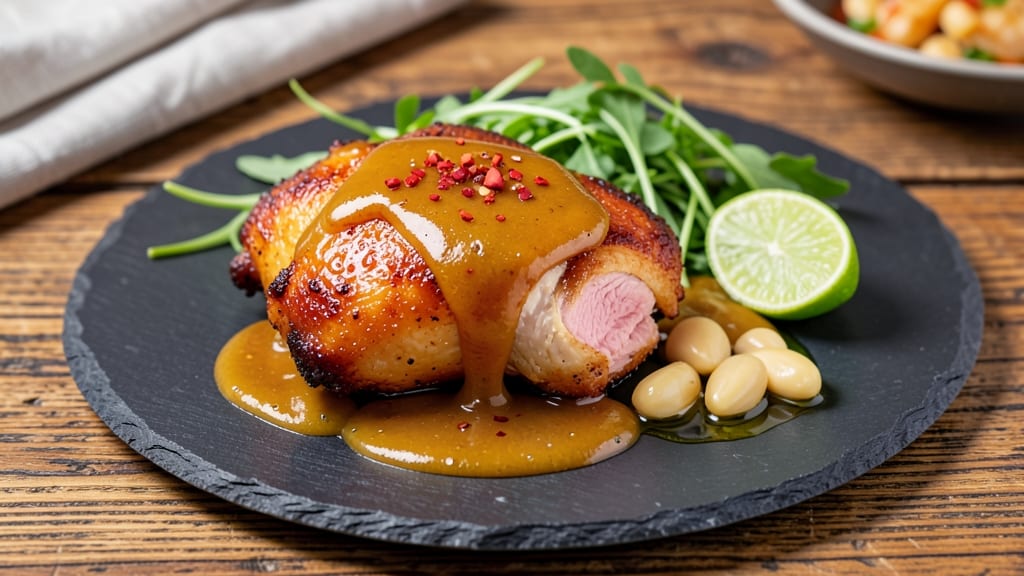
This chicken sweet sauce recipe transforms simple honey-soy glaze into a restaurant-worthy umami-packed sauce that elevates every bite. The balance of sweetness and savory depth comes from a simple simmer of honey, soy sauce, and a touch of garlic—no complicated techniques required.
What makes this sauce special is how it caramelizes just enough to create a glossy finish that clings perfectly to grilled chicken or stir-fried pieces.
The beauty of this recipe lies in its versatility and ease. With just five ingredients and 15 minutes of active prep time, you’ll have a sauce that’s rich enough to stand alone or complement any dish.
The key is letting it reduce slightly on the stove, which concentrates the flavors and creates that signature sticky, glossy texture. This isn’t just a sauce—it’s a flavor booster that turns ordinary chicken into something extraordinary.
Once completed, this sauce delivers a perfect harmony of sweet, salty, and slightly tangy notes that cut through the richness of chicken. It’s ideal for drizzling over grilled or roasted chicken, tossing with stir-fried vegetables, or even using as a glaze for chicken wings.
The best part? It keeps well in the fridge for up to a week, so you can make a big batch and enjoy it throughout the week.
For extra depth, consider adding a splash of rice vinegar or a pinch of red pepper flakes to balance the sweetness. The possibilities are endless, but the foundation remains the same: a simple, foolproof sauce that delivers big results. Let’s get started!
Ingredients for chicken sweet sauce
Five simple ingredients create a restaurant-quality sauce that transforms ordinary chicken into something extraordinary.
| Ingredient | Amount | Notes |
|---|---|---|
| Honey 🍯 | ½ cup | Light or dark amber preferred |
| Soy Sauce 🥢 | ½ cup | Low-sodium preferred for balance |
| Garlic Cloves 🧄 | 4 cloves | Minced for even distribution |
| Olive Oil 🫒 | 2 tbsp | Extra-virgin for richness |
| Rice Vinegar 🍶 | 1 tbsp | Optional for tangy balance |
| Red Pepper Flakes 🌶️ | ½ tsp | Adjust for desired heat |
| Sesame Oil 🫒 | 1 tsp | Toasted sesame oil preferred |
| Salt 🧂 | ½ tsp | Kosher or sea salt |
The honey is the heart of this sauce—local raw honey adds depth, but any amber variety works. Trader Joe's and Whole Foods carry excellent options, or grab what you have. Soy sauce should be low-sodium to avoid overpowering the delicate balance of flavors. Garlic cloves need to be minced finely for even distribution, or use a food processor for quick results. The olive oil is non-negotiable for that glossy finish—extra-virgin adds subtle fruitiness that complements the sweetness.
No rice vinegar? Apple cider vinegar at half the amount works in a pinch. Short on sesame oil? Toasted sesame seeds can be ground into a paste with a pinch of oil. The red pepper flakes can be omitted entirely if you prefer no heat. For extra umami depth, add 1 tsp fish sauce (if not vegetarian) or 1 tsp miso paste. The sauce should reduce to a glossy consistency—about half the original volume. If it thickens too much, stir in a splash of water.
This sauce keeps beautifully in the fridge for up to 1 week in an airtight container. For longer storage, freeze in ice cube trays and transfer to a bag—perfect for single-use portions. Reheat gently on the stove or microwave until warm. The flavors deepen over time, so it actually tastes better the next day. Double the batch—it disappears fast, especially when drizzled over grilled chicken or stir-fried veggies.
Why You'll Love This Recipe
- Pantry Magic: I swear by this sauce because it’s made with things I already have—no special trips to the store. The honey and soy sauce balance perfectly, and the garlic? Oh, it’s the star that needs zero prep beyond crushing a few cloves.
- Sweet-Savory Balance: That first bite of sticky, caramelized chicken with the tangy vinegar kick is chef’s kiss. The honey cuts through the richness, and the garlic adds depth without overpowering—it’s the kind of flavor that lingers just right.
- Double-Duty Sauce: Use it for weeknight dinners, pack it in lunchboxes, or drizzle it over rice for a quick fix. Honestly, I’ve even used the leftover sauce to glaze roasted veggies—versatile enough to save me from boredom.
- Budget-Friendly Win: A single jar of honey and a bottle of soy sauce stretch across multiple meals. This recipe costs pennies but tastes like a restaurant dish—my wallet and taste buds both win. Plus, leftovers reheat like a dream.
Step-by-step instructions for chicken sweet sauce recipe
Master this honey-soy glaze that balances sweetness with deep umami—perfect for glazing chicken.
Bloom the Garlic in Olive Oil
Heat the 2 tablespoons olive oil in a small saucepan over medium-low heat. Add the 4 minced garlic cloves and cook for 2-3 minutes until they turn a pale golden color and release their aromatic fragrance. This step develops the garlic's flavor without burning it—watch closely as it can go from fragrant to bitter in seconds.
Remove the pan from heat immediately after the garlic turns golden. Let it cool for 1 minute, then transfer the garlic and oil to a blender or small bowl. This prevents the garlic from continuing to cook while you prepare the rest of the sauce components.
Combine Wet Ingredients
In the same saucepan (or a clean one if you prefer), combine the ½ cup honey and ½ cup soy sauce over medium heat. Stir constantly for 3-4 minutes until the mixture begins to simmer and thicken slightly. You'll notice the sauce transform from a thin liquid into a glossy syrup—this is when the flavors start melding together.
Add the 1 tablespoon rice vinegar and ½ teaspoon red pepper flakes, stirring to incorporate. The vinegar adds a bright tang that cuts through the sweetness, while the red pepper flakes introduce subtle heat. Let the mixture simmer for an additional 2 minutes to allow the vinegar to mellow and the spices to infuse.
Finish with Sesame Oil and Salt
Reduce the heat to low and carefully stir in the garlic-infused oil using a wooden spoon. Add the 1 teaspoon sesame oil and ½ teaspoon salt, mixing until fully combined. The sauce should now have a rich, glossy appearance with a balanced sweet-savory profile. Taste and adjust the seasoning if needed—you might want to add a touch more salt or honey depending on your preference.
Continue simmering for 1-2 minutes to let the flavors fully meld. The sauce should coat the back of a spoon and have a syrupy consistency. If it thickens too much, you can thin it with 1 teaspoon water at a time until you reach the desired texture. Remove from heat and let it cool slightly before using.
Glaze the Chicken
To use the sauce, brush it generously over cooked chicken pieces, ensuring they're evenly coated. For best results, glaze the chicken during the last 5-7 minutes of cooking—this allows the sauce to caramelize slightly while keeping the chicken juicy. If you're using this sauce as a dipping sauce or marinade, let it cool completely before serving.
The finished sauce should have a deep amber color with a glossy sheen. Each bite should deliver a harmonious blend of sweet honey, savory soy, aromatic garlic, and a hint of tangy vinegar. This versatile sauce works equally well on grilled, roasted, or pan-seared chicken, and it also pairs beautifully with vegetables or noodles.
Pro Tips For Making Chicken Sweet Sauce
- Cook Garlic Low: Slice those cloves thin—no mincing—and add them early to the oil. I learned this the hard way: burning garlic ruins the whole sauce. Let them sizzle gently until fragrant (about 2 minutes), then toss in the chicken. That’s when the flavor actually marries the meat instead of turning bitter.
- Balance Vinegar Gradually: Rice vinegar’s acidity can turn the sauce sharp if you dump it all at once. Start with half the amount, let it simmer 30 seconds, then add the rest while stirring. This smooths out the tang without overwhelming the honey’s sweetness—trust me, your taste buds will notice.
- Simmer, Don’t Boil: The sauce needs to thicken, not reduce into syrup. Keep the heat at a bare simmer (tiny bubbles, occasional swirls) for 5–7 minutes. Boiling turns it cloying and burns the garlic’s delicate aroma. Think "gentle whisper," not "loud shout."
- Use Dark Soy Sauce: Swap regular soy for dark—it’s sweeter, richer, and cuts through the vinegar’s bite without extra sugar. A splash (1–2 teaspoons) deepens the sauce’s complexity. I was skeptical until I tried it; now I never go back. (Yes, even if your pantry’s stocked with the light kind.)
Storing and reheating your chicken sweet sauce
Fridge Storage Tips
Store your sweet sauce in an airtight glass container—I recommend Pyrex or Le Creuset for durability. Keep it refrigerated at 40°F or below for up to 1 week.
The sauce actually improves in flavor as the ingredients meld together over time. Always let it cool completely before storing to prevent condensation, which can dilute the sauce. 💡
Freezer Preservation
For longer storage, freeze the sauce in ice cube trays or small silicone molds. Once frozen, transfer the cubes to a freezer-safe bag with all air removed to prevent freezer burn.
Label with the date—this sauce stays fresh for up to 3 months. Thaw overnight in the fridge before using. 🧊
Reheating Methods
For stovetop reheating, transfer the sauce to a small saucepan and warm over low heat for 3-5 minutes, stirring constantly. Add 1 teaspoon water if it thickens too much.
Microwave reheating works too: place sauce in a microwave-safe bowl, cover loosely, and heat in 20-second intervals until warmed through. Never boil the sauce—this can make it grainy. 🔥
Thawing Sauce Cubes
If using frozen sauce cubes, place them in a small bowl and let them thaw at room temperature for 10-15 minutes. For quicker results, submerge the frozen cubes in warm (not hot) water for 2-3 minutes.
Once thawed, stir the sauce gently to recombine any separated ingredients. This method preserves the sauce's glossy texture perfectly. ✨
Reviving Thickened Sauce
If your sauce thickens too much after storage, simply stir in 1 teaspoon water at a time until you reach a smooth, pourable consistency. For extra richness, add ½ teaspoon toasted sesame oil or a pinch of honey.
Avoid adding too much liquid at once—build it gradually to maintain balance. 💫
Portion Control
Use small glass jars or silicone lids for single-serving portions. These are perfect for packing in lunches or using as a quick glaze. Store them upright in the fridge to maintain the sauce's glossy texture.
This also makes it easy to grab just the right amount for your next meal without over-prepping. 🍗
Nutrition facts
Frequently asked questions
Can I make this sauce without honey?
Yes! For a different sweetener, substitute honey with ½ cup maple syrup or ½ cup brown sugar dissolved in ¼ cup water. Both work well, though maple syrup adds a distinct earthy note. If you prefer a fruitier flavor, try ¼ cup apricot jam (strain out seeds) or ½ cup pineapple juice. The sauce will still caramelize beautifully.
How do I adjust the sweetness level?
Taste as you go! For less sweetness, reduce honey to ¼ cup and add 1 extra tablespoon soy sauce> to balance. For more sweetness, increase honey to ⅔ cup> and reduce soy sauce by 1 tablespoon>. The key is maintaining the 1:1 honey-to-soy ratio>—this keeps the sauce's signature depth.
Can I use this sauce on other proteins?
This sauce works wonderfully on pork tenderloin, shrimp, or tofu> for a similar sweet-savory profile. For vegetables, try brushing it on eggplant or bell peppers> during the last 10 minutes> of roasting. The sauce also makes an excellent dipping sauce for spring rolls or dumplings.
Why did my sauce turn grainy?
Sauce can grain if it cooks too long or boils. To fix it, whisk in 1 teaspoon warm water> while stirring constantly over low heat>. If that doesn't work, strain through a fine-mesh sieve to remove any thickened bits. For prevention, keep heat at medium-low> and stir frequently—never let it boil.
What's the best way to use leftover sauce?
Leftover sauce is perfect for quick stir-fries, noodle bowls, or as a marinade> (use within 4 hours> for best results). Thin with 1 tablespoon water> if too thick, or add ½ teaspoon cornstarch> to make it glossier. It also makes a delicious glaze for baked sweet potatoes>—just brush on during the last 15 minutes> of baking.