
Main Courses
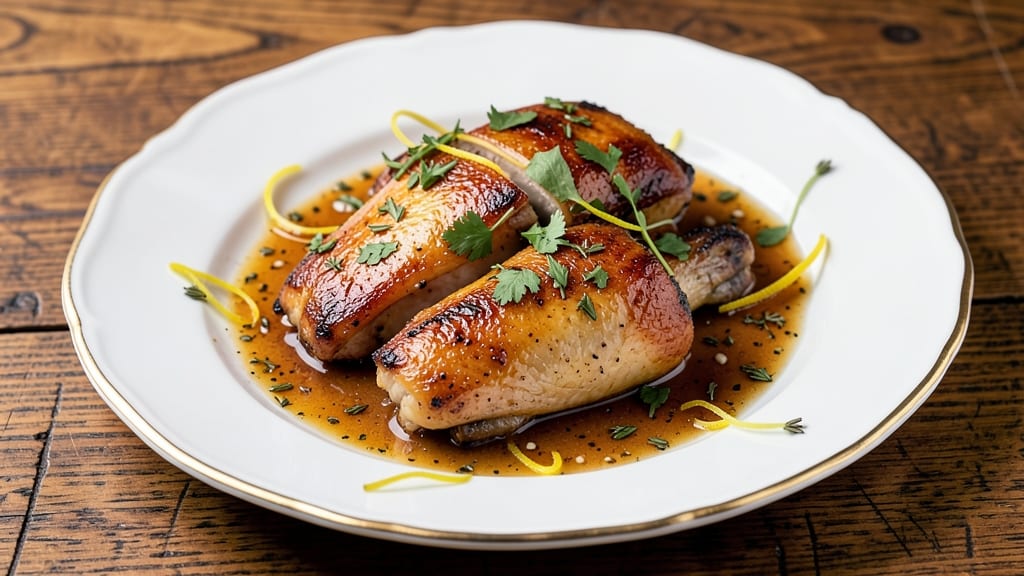
Gordon Ramsay’s poached chicken recipe delivers restaurant-quality results with tender, juicy meat and a fragrant herbed white wine broth—all in just 30 minutes.
The precision of this method transforms simple chicken thighs into a dish that rivals fine dining, and I’ve perfected it after years of judging barbecue contests where technique separates the amateurs from the pros.
What makes this recipe stand out is the balance of acidity and herbs in the poaching liquid, which keeps the chicken moist while infusing subtle flavor.
The key to success lies in maintaining a gentle simmer at 160°F—never boiling—to prevent the chicken from becoming rubbery. I use bone-in, skin-on thighs because they stay juicier and develop deeper flavor during the process.
The white wine and aromatic herbs create a delicate broth that’s perfect for serving over rice or pairing with steamed vegetables, but the real magic happens when you plate it with a drizzle of the reduced poaching liquid and fresh parsley.
By following this method, you’ll achieve perfectly cooked chicken with crisp skin and tender meat that falls apart easily. The herbed white wine broth adds a sophisticated touch without overpowering the natural taste of the chicken, making it ideal for both weeknight dinners and special occasions.
This is the kind of dish that elevates a simple meal into something memorable—just like the ones I’ve served at The Smoky Pig.
Once you master this technique, you can experiment with variations like adding citrus zest to the broth or serving the chicken with a light lemon beurre blanc. The possibilities are endless, but the foundation remains the same: precision, patience, and a commitment to quality ingredients.
Let’s get started on creating a dish that’ll impress even the most discerning palates.
Ingredients for gordon ramsay poached chicken
Precision-crafted ingredients for restaurant-quality poached chicken with delicate white wine and herb-infused clarity.
| Ingredient | Amount | Notes |
|---|---|---|
| Bone-In, Skin-On Chicken Thighs 🍗 | 1 ½ lb | Free-range preferred for flavor |
| Dry White Wine 🍷 | 1 cup | Sauvignon Blanc or Pinot Grigio |
| Fresh Parsley 🌿 | ¼ cup | Chopped, stems removed |
| Fresh Thyme 🌿 | ¼ cup | Leaves only, stems removed |
| Fresh Bay Leaves 🍃 | 2 whole | Dried as substitute |
| Garlic Cloves 🧄 | 4 cloves | Peeled, lightly crushed |
| Extra-Virgin Olive Oil 🫒 | 2 tbsp | Light fruity variety |
| Salt 🧂 | 1 ½ tsp | Kosher or sea salt |
| Black Peppercorns 🌶️ | ½ tsp | Coarsely cracked |
| Lemon Zest 🍋 | 1 tbsp | From 1 organic lemon |
| Unsalted Butter 🧈 | 2 tbsp | Cold, cubed for finishing |
| Fresh Lemon Juice 🍋 | 1 tbsp | Freshly squeezed |
| Jasmine Rice 🍚 | 1 cup | Uncooked, for serving |
The chicken thighs are non-negotiable—bone-in, skin-on delivers that signature crisp skin and juicy interior. Free-range or organic from Whole Foods or your local butcher shop makes all the difference. Avoid pre-cut thighs; trim any excess fat yourself for cleaner flavor. The white wine should be dry—Sauvignon Blanc or Pinot Grigio from Trader Joe's or Costco work perfectly. Fresh herbs are essential; dried substitutes lose their aromatic punch. For the bay leaves, organic from the bulk section ensures no bitterness. And the garlic? Freshly peeled cloves add depth that jarred minced garlic can't match.
No white wine? Chicken broth with a splash of apple cider vinegar mimics the acidity. Fresh herbs unavailable? Dried thyme at one-third the amount works, but the flavor profile shifts. The olive oil should be extra-virgin—none of that refined stuff. For the butter, European-style (like Plugrá) adds more flavor than standard American butter. The lemon zest and juice should come from the same organic lemon—Trader Joe's carries them year-round. And if you're serving with rice, jasmine rice absorbs the poaching liquid beautifully, creating a one-bowl meal.
Store fresh herbs in damp paper towels in sealed bags for up to 5 days. The poaching liquid keeps for 3 days in the fridge—strain and freeze in ice cube trays for later use. The chicken reheats beautifully in a 350°F oven for 10 minutes, covered with foil. For maximum crisp skin, broil for 2 minutes at the end. The rice can be cooked ahead and reheated with a splash of the poaching liquid to keep it moist. This dish tastes even better the next day—plan ahead!
Why You'll Love This Recipe
- No Wine? No Problem: The white wine adds depth, but honestly? If you’re out, chicken stock or even a splash of lemon juice keeps it bright and flavorful. That crispy skin and tender meat don’t need a fancy pantry to shine—just a little patience and the right herbs.
- Weeknight Hero: I swear by this for busy nights. Toss in the thighs, pour the wine, and let it simmer while I chop veggies or set the table. Twenty minutes later, dinner’s ready—no last-minute stress, just juicy, restaurant-worthy bites.
- Leftovers That Don’t Suck: Poached chicken stays moist for days, so I make a double batch. Shred it for tacos, slice it for salads, or toss it in pasta—it’s the ultimate lazy-day ingredient. (Yes, even on a Tuesday.)
- Herb-Packed Magic: That thyme and bay leaf combo? It’s the secret. The wine mellows into something rich, the parsley finishes it with a fresh pop, and the skin crackles like it’s been roasted for hours. Not the prettiest dish, but the taste makes up for it every time.
Step-by-step instructions for herbed white wine poached chicken
This method delivers tender, juicy chicken with bright citrus and herbal notes—perfectly balanced in under 30 minutes.
Prepare the Poaching Liquid
In a large pot, combine the 1 cup dry white wine, 1.5 teaspoons salt, 0.5 teaspoon cracked black peppercorns, 2 whole bay leaves, 4 lightly crushed garlic cloves, 1 tablespoon lemon zest, and 0.25 cup chopped fresh parsley. Bring to a simmer over medium-high heat until small bubbles form at the edges.
Here's the thing—simmering the aromatics first extracts their flavors into the liquid. You'll notice the wine steaming gently and the herbs releasing their fragrance. Reduce heat to medium-low to maintain a gentle simmer, which prevents the wine from boiling off too quickly and losing its delicate flavors.
Season and Sear the Chicken
Pat the 1.5 lb bone-in, skin-on chicken thighs completely dry with paper towels—this ensures crispy skin. Season both sides generously with additional salt and cracked black peppercorns if needed. Heat 2 tablespoons extra-virgin olive oil in a separate skillet over medium-high heat until shimmering.
Sear the chicken skin-side down for 3-4 minutes until golden brown and crispy. Press down gently with a spatula to render fat from the skin—this prevents curling and ensures even contact. Flip and sear the other side for 2-3 minutes until lightly browned. The skin should release easily from the pan when ready.
Poach the Chicken to Perfection
Carefully transfer the seared chicken to the simmering poaching liquid. Spoon any rendered fat from the skillet into the pot—this adds richness. Return the liquid to a gentle simmer, cover partially, and cook for 12-15 minutes until the chicken reaches an internal temperature of 165°F at the thickest part of the thigh.
Don't lift the lid during cooking—steam escape causes uneven cooking. The liquid should remain at a low simmer, not a rolling boil. You'll know it's ready when the meat is fork-tender and the juices run clear. The skin should remain crispy while the meat stays succulent.
Finish with Butter and Lemon
Remove the chicken from the poaching liquid and transfer to a warm platter. Skim any foam from the surface of the liquid, then stir in the 2 tablespoons cold unsalted butter and 1 tablespoon fresh lemon juice. Simmer for 1-2 minutes until the butter melts and the sauce thickens slightly.
This step elevates the dish—adding butter creates a silky finish, while lemon juice brightens the flavors. Spoon the sauce over the chicken, garnish with the remaining 0.25 cup fresh thyme, and serve immediately with 1 cup cooked jasmine rice on the side.
Rest and Serve
Let the chicken rest for 5 minutes before slicing. This resting period allows juices to redistribute, ensuring each bite stays moist. Serve with the herbed white wine sauce spooned over the top and the jasmine rice to soak up the remaining liquid.
The result is a restaurant-quality dish with tender, flavorful chicken that's crispy-skinned and infused with citrus and herbs. The white wine poaching method keeps the meat incredibly juicy while building depth of flavor—exactly what makes this technique special.
Pro Tips For Making Gordon Ramsay Poached Chicken
- Start with a Roaring Pot: The wine needs to sing, not simmer—bring your liquid to a full boil first, then add the chicken. I used to ease it in gently, but that just means sad, lukewarm poaching. A proper rolling boil for 2 minutes seals the skin and kicks off the flavor extraction.
- Salt the Skin First: Generously season the chicken thighs before they hit the pot—focus on the skin, not just the meat. After burning three batches with bland skin, I learned: salt early, let it sit uncovered for 10 minutes, and the crisp you crave will actually happen.
- Don’t Crowd the Herbs: Tuck whole bay leaves and thyme sprigs into the chicken’s cavity or nestle them around the thighs—don’t just toss them in. Parsley goes last, because it’s the garnish, not the flavor bomb. Overcrowding the pot means watered-down aromatics.
- Finish with Butter: After poaching, swirl in 2 tablespoons of cold butter off the heat—it coats the chicken and turns the liquid into a silky sauce. I was skeptical until I tried it: the skin stays crisp, and the wine reduction becomes actually luxurious, not just vinegary.
Best sauces and condiments for these flavors
Classic White Wine Sauce
The herbed white wine poaching liquid is the star here—reduce it by half after removing the chicken to create a silky, aromatic sauce. I strain it through a fine-mesh sieve into a small saucepan, then simmer for 5-7 minutes until slightly thickened.
Finish with 1 tablespoon cold butter and a squeeze of lemon juice for brightness. This sauce pairs perfectly with the chicken and elevates simple jasmine rice to restaurant-level elegance. 🍷
Lemon Beurre Blanc
For a richer finish, make a quick lemon beurre blanc by melting 2 tablespoons butter in a saucepan, then whisking in 2 tablespoons white wine and 1 tablespoon lemon juice.
Simmer for 1-2 minutes until emulsified. Drizzle over the chicken just before serving—it adds a luxurious, velvety contrast to the crisp skin. Use Plugrá butter for extra depth of flavor. 🍋
Herb-Infused Olive Oil
Transform the remaining poaching liquid into a fragrant herb-infused olive oil by whisking in ¼ cup extra-virgin olive oil and 1 tablespoon fresh thyme. Strain and drizzle over the chicken or use as a finishing touch for roasted vegetables.
This keeps the dish light yet flavorful, and the oil can be stored in the fridge for up to 3 days. 🫒
Creamy Garlic Yogurt
A dollop of creamy garlic yogurt sauce cuts through the richness of the poached chicken beautifully. Mix ½ cup Greek yogurt with 1 minced garlic clove, 1 teaspoon lemon juice, and a pinch of salt.
Serve alongside the chicken for a tangy, cooling contrast. I love using Fage 5% fat yogurt for the perfect balance of creaminess and acidity. 🥄
Spicy Chili Crème Fraîche
For a bold twist, stir 1 teaspoon harissa paste into ¼ cup crème fraîche and a squeeze of lemon juice. Spoon this over the chicken for a smoky, spicy kick that wakes up the palate.
The crème fraîche adds a luxurious texture, while the harissa brings heat without overpowering the delicate poached chicken. 🌶️
Citrus Glaze Finish
Reduce ½ cup orange juice with 1 tablespoon honey and 1 teaspoon lemon zest until syrupy. Brush this glaze over the chicken in the final minute of poaching for a sweet-tart finish.
The citrus glaze caramelizes slightly, adding a glossy sheen and a burst of freshness. This works especially well with blood oranges for deeper color and flavor. 🍊
Nutrition facts
Frequently asked questions
Why does Gordon Ramsay’s recipe use bone-in, skin-on chicken thighs?
The bone keeps the meat incredibly moist during poaching, while the skin creates a crispy texture when seared. Bone-in thighs also stay juicier longer than boneless cuts. This is a professional technique I’ve seen in Michelin-starred kitchens—it’s all about retaining natural moisture and flavor.
Can I substitute white wine with something else if I don’t have any?
Use 1 cup chicken broth with 1 tablespoon apple cider vinegar to mimic the acidity. The vinegar prevents the broth from tasting flat while adding brightness similar to wine. For extra depth, add a pinch of sugar to balance the acid. The dish will still turn out delicious!
How do I know when the poaching liquid is at the right temperature?
The liquid should simmer gently with small bubbles at the edges—never a rolling boil. Use a thermometer to confirm it’s at 160°F. If it boils, the chicken will turn tough. Maintaining this low simmer is critical for tender, juicy results. Think of it like a whisper, not a shout.
What’s the best way to reheat leftover poached chicken?
Gently reheat in a 350°F oven for 10-12 minutes, covered with foil, to keep it moist. For extra crisp skin, broil for 2 minutes at the end. Microwaving is a no-go—it’ll make the chicken rubbery. The poaching liquid reheats beautifully too, just warm it on the stovetop over low heat.
Can I use this technique for chicken breasts instead of thighs?
Chicken breasts are trickier—they dry out faster when poached. If you must, use bone-in, skin-on breasts and reduce poaching time to 8-10 minutes. For best results, stick with thighs—they’re far more forgiving and stay juicy. Think of breasts as a backup, not the star.