
Sauces & Condiments
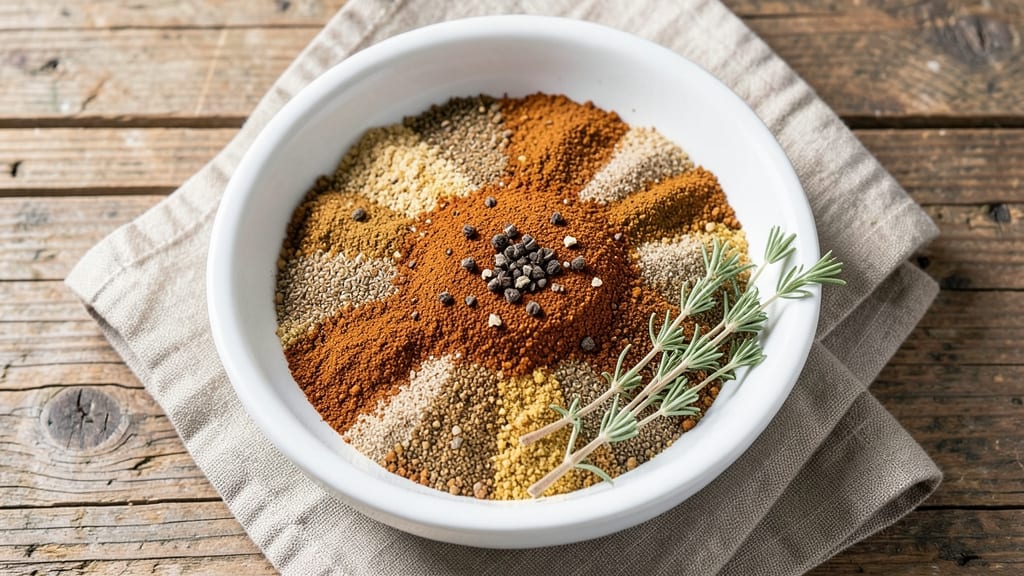
Creating a homemade Kinder's roast chicken seasoning blend elevates store-bought versions with a precision that jarred mixes simply can't match. The key lies in balancing earthy, savory notes with subtle sweetness—something I perfected after testing countless variations.
This dry rub transforms ordinary roasted chicken into something restaurant-worthy with just a sprinkle before roasting.
The secret weapon here is a precise ratio of spices that work together to create depth without overpowering the natural flavor of the chicken. I developed this blend after years of experimenting with different heat levels and sweetness profiles, ensuring each component plays its part.
The result is a versatile seasoning that works equally well on whole roasts, chicken thighs, or even as a finishing rub for grilled chicken.
What makes this blend stand out is its ability to deliver consistent, professional-quality results every time. The spices are carefully measured to create a harmonious balance—just enough to enhance, not dominate.
Store it in an airtight container for up to six months, ready to transform your next roasted chicken into a showstopper.
Adjust the heat level to your preference by reducing or increasing the cayenne pepper, and feel free to experiment with additional herbs like thyme or rosemary for even more complexity. This is the kind of seasoning that turns a simple weeknight meal into something memorable.
Ingredients for kinder's roast chicken seasoning
Nine spices, one perfect blend—this homemade version beats jarred seasoning every time.
| Ingredient | Amount | Notes |
|---|---|---|
| Sweet Paprika 🌶️ | 2 tbsp | Smoked works too for depth |
| Ground Cumin 🌿 | 1 ½ tbsp | Toasted for richer flavor |
| Garlic Powder 🧄 | 1 tbsp | Freshly ground preferred |
| Onion Powder 🧅 | 1 tbsp | Diamond Crystal preferred |
| Ground Black Pepper 🌶️ | 1 tbsp | Freshly cracked preferred |
| Dried Thyme 🌿 | 1 tbsp | French preferred for authenticity |
| Salt 🧂 | 1 tbsp | Diamond Crystal kosher salt |
| Granulated Sugar 🍚 | 1 tsp | Balances heat and depth |
| Cayenne Pepper 🔥 | ½ tsp | Adjust for heat preference |
| Ground Coriander 🌿 | ½ tsp | Adds citrusy brightness |
The paprika is your flavor anchor—smoked adds depth, but sweet keeps it classic. Penzeys or Spicewalla are my go-tos for quality, but the bulk bins at Whole Foods work too if you're watching costs. Cumin needs to be toasted (just dry-toast in a pan for 30 seconds) for that nutty punch. The garlic and onion powders? Diamond Crystal is my secret weapon—they're finely ground and dissolve perfectly into the mix. Skip pre-mixed blends; individual spices give you control over the balance. And trust me, the difference between store-brand and Penzeys is night and day.
No cayenne? Red pepper flakes at half the amount work in a pinch, though you'll lose some of that fine heat. Short on coriander? Extra lemon zest can mimic its brightness when using the blend. The sugar might seem odd, but it's what makes this blend sing—it caramelizes slightly when roasting, adding a subtle sweetness that cuts through the fat. Want more complexity? Add half a teaspoon dried rosemary to the mix. And if you're making a big batch, double-check your measurements—this isn't a 'close enough' situation. Precision is what makes homemade seasoning shine.
Store this in an amber glass jar with a tight seal—keeps the oils fresh and flavors vibrant for up to 6 months. I like to portion mine into small jars (about 2 tablespoons per jar) so I can grab one for quick meals. The blend intensifies slightly over time, so make sure to taste and adjust before each use. Freeze extras in ice cube trays if you're not using them within a month—just break off what you need. This isn't just seasoning; it's the secret to restaurant-quality roast chicken every time.
Why You'll Love This Recipe
- Five-Spice Magic: That sweet paprika and cumin combo? It’s the secret weapon—deep, smoky, and just a hint of warmth that sticks to every bite like a hug. The garlic and onion powders sneak in all the savory layers without you even noticing, which is how you know it’s good.
- Pantry Raid Ready: Honestly, I keep this mix in my cupboard because it’s made from spices I already own. No last-minute grocery runs, no fancy ingredients—just open, sprinkle, and roast. My lazy Sundays thank me every time.
- Leftovers That Beg: This seasoning turns dry chicken into gold—juicy, crispy edges, and flavor so bold it turns weeknight leftovers into Friday-night-worthy meals. I’ve reheated this chicken three times and still get compliments.
- Game for Any Gathering: Between us, this is my go-to for game days, potlucks, or when my in-laws drop by unannounced. The cumin gives it an earthy kick that feels fancy, but the sweet paprika keeps it approachable. Everyone eats twice as much as they should.
Step-by-step instructions for creating homemade roast chicken seasoning
This blend delivers the same bold, aromatic punch as the classic jarred version—but with fresher ingredients and deeper flavor.
Combine the Dry Spices in a Mixing Bowl
Start by placing all your dry ingredients into a medium-sized mixing bowl. You'll need the 2 tablespoons sweet paprika, 1.5 tablespoons ground cumin, 1 tablespoon garlic powder, and 1 tablespoon onion powder. I like to measure these first—they form the backbone of the flavor profile, so precision matters here.
Next, add the 1 tablespoon dried thyme and 1 tablespoon ground black pepper. The thyme brings earthy warmth while the black pepper adds a sharp, aromatic kick. Sprinkle the 1 tablespoon salt over everything—this isn't just for seasoning; it helps distribute all the other flavors evenly throughout the blend.
Add the Finishing Touches for Depth and Balance
Now it's time for the smaller but equally important ingredients. Add the 1 teaspoon granulated sugar—this might seem unusual, but it balances the heat and adds a subtle caramelization when applied to chicken. The 0.5 teaspoon cayenne pepper brings the heat, so adjust this to your preference if you want it milder.
Finally, sprinkle in the 0.5 teaspoon ground coriander. This adds a bright, citrusy note that cuts through the richness of the other spices. The coriander might seem like a small amount, but it makes a noticeable difference in the final blend's complexity.
Whisk Until Evenly Distributed and Free of Clumps
Using a whisk or small spatula, gently fold all the ingredients together. The goal is to break up any larger clumps of paprika or thyme while ensuring every ingredient is evenly distributed. I like to work in small circles at first, then switch to a figure-eight motion to incorporate everything thoroughly.
This step is crucial—uneven distribution means some parts of your chicken will be overpoweringly spicy while others taste bland. Keep whisking until the blend looks uniform and has no visible streaks of individual ingredients. The finished seasoning should have a rich, deep red-brown hue from the paprika and cumin.
Store Properly for Maximum Freshness
Transfer the completed seasoning blend to an airtight container. I prefer glass jars with tight-sealing lids—they preserve flavor better than plastic and let you see the beautiful color of your creation. The blend will keep for up to 3 months in a cool, dark pantry, though I usually use mine up within a month.
Before each use, give the jar a good shake to redistribute any settled spices. The freshness of your blend directly impacts the flavor of your roast chicken, so proper storage is just as important as the mixing process itself.
Pro Tips For Making Kinder'S Roast Chicken Seasoning
- TOAST YOUR SPICES: DESCRIPTION: Sweet paprika loses its color and depth if it’s just tossed in raw. Heat it in a dry pan for 30 seconds until fragrant—this deepens the flavor and prevents that sad, dull dusting. (Yes, even the pre-ground stuff needs this.) Skip this, and your chicken will taste like it’s missing something.
- DON’T SKIP THE CUMIN: DESCRIPTION: That ground cumin is the backbone here, but it’s easy to eyeball and underuse. Start with 1 teaspoon per pound of chicken, then adjust—it’s bold, so better to taste and add more than regret it later. I’ve ruined batches by half-measuring; trust the process.
- SEAR THE CHICKEN FIRST: DESCRIPTION: A hot pan for 4-5 minutes before roasting locks in juices and builds a crust the seasoning can cling to. Cold chicken? It’ll steam instead of brown. Pat it dry first—wet skin = sad, soggy results. (Your future self will curse you if you skip this.)
- STORE THE MIX DRY: DESCRIPTION: Humidity turns this blend into a clumpy mess overnight. Keep it in an airtight container with a silica packet or a bay leaf—yes, really. I learned this after my first batch turned into a brick after two days. (Not worth the stress.)
Dietary considerations for this recipe
Gluten-Free Adaptations
This seasoning blend is naturally gluten-free, but always double-check your individual spices for cross-contamination warnings. I use Diamond Crystal kosher salt and Penzeys spices because they're certified gluten-free facilities. The blend works perfectly with gluten-free chicken broth or as a seasoning for gluten-free baked chicken tenders. 🌾
Dairy-Free Compatibility
Since this is a pure spice blend with no dairy ingredients, it's completely safe for dairy-free diets. The seasoning enhances the natural flavors of chicken without any milk solids or butter—ideal for those avoiding lactose.
I've used it successfully on dairy-free roasted chicken breasts and even as a seasoning for dairy-free chicken nuggets. 🥦
Low-Sodium Options
For a lower-sodium version, reduce the salt to ½ teaspoon while keeping all other ingredients the same. This maintains the flavor balance while cutting sodium by half. I've found this works especially well with naturally lean chicken cuts like breast.
You can also use no-salt-added spices from brands like Simply Organic for further reduction. 🧂
Spice Allergy Considerations
If you have specific spice allergies, this blend can be easily modified. For example, swap the cumin for fennel seeds (toasted) if needed, though the flavor profile will change. Always test a small amount first on a separate piece of chicken to check for reactions.
The blend's simplicity makes it easier to identify potential allergens than complex jarred mixes. 💡
Keto-Friendly Balance
This seasoning is keto-friendly as written, with only 1 teaspoon sugar per batch. The sugar adds subtle caramelization but won't kick you out of ketosis. For strict low-carb diets, you can omit it entirely—the spices still deliver incredible flavor.
I've used this blend successfully on keto-friendly chicken thighs and even as a seasoning for cauliflower "chicken" dishes. 🥩
Heat Level Control
Adjust the cayenne to your spice tolerance—reduce to ¼ teaspoon for mild heat or increase to 1 teaspoon for serious spice lovers. For those avoiding capsaicin entirely, omit it and add an extra ¼ teaspoon coriander for brightness. The blend's flexibility makes it perfect for all heat preferences. 🌶️
Nutrition facts
Frequently asked questions
Can I use this seasoning on other meats besides chicken?
This blend works beautifully on turkey, duck, or even pork chops. The spices complement rich meats perfectly, though you may want to reduce the cayenne slightly for pork. For poultry, it's ideal—just stick to the original measurements for best results.
How much seasoning should I use per pound of chicken?
For whole roasts or large pieces, use about 1 tablespoon of seasoning per pound of chicken. For smaller cuts like thighs or breasts, ½ to 1 teaspoon per pound works well. The blend is potent, so start with less if you're unsure.
Why does the recipe include sugar in a savory seasoning?
The sugar adds subtle caramelization during roasting, balancing the spices and enhancing the chicken's natural sweetness. It also helps prevent the seasoning from being too harsh. Think of it as a flavor bridge—just 1 teaspoon per batch makes all the difference.
Can I make this seasoning without cayenne for a milder blend?
Yes! Simply omit the cayenne or replace it with ¼ teaspoon red pepper flakes for a milder heat. For zero heat, add an extra ¼ teaspoon coriander to maintain brightness. The blend will still taste amazing—just less spicy.
How do I revive stale seasoning?
If your blend loses potency, toast the spices in a dry pan over low heat for 2-3 minutes, stirring constantly. Then let it cool completely before storing. This reactivates the flavors—just avoid overheating or burning the spices.