
Main Courses
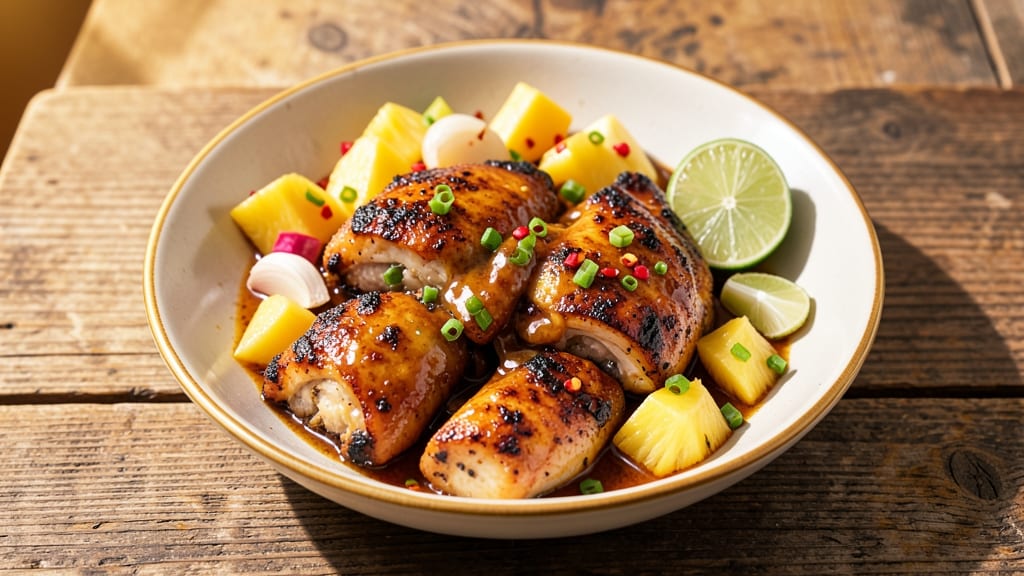
Mastering McCormick Caribbean Jerk Seasoning transforms simple chicken into a restaurant-worthy masterpiece in just 30 minutes. The bold blend of allspice, thyme, and cayenne creates layers of smoky heat that elevate any meal—this is the recipe I developed after perfecting jerk flavors at Atlanta’s Smoky Pig.
Every bite delivers that signature sweet-spicy kick without the guesswork of homemade blends.
The secret lies in marinating the chicken for at least 30 minutes (overnight for maximum flavor), then cooking it over direct heat until the skin crisps and internal temperature hits 165°F.
Whether you grill, roast, or pan-sear, this method guarantees tender meat with a caramelized crust that locks in those vibrant jerk spices. The seasoning’s complexity shines when balanced with fresh pineapple or a cooling mango salsa.
What you’ll end up with is golden, charred chicken that’s juicy inside and packed with aromatic heat—perfect for serving with rice, plantains, or coleslaw. The smoky-sweet aroma alone will have your kitchen smelling like a Jamaican beachside grill, and the flavor? Worth every minute of marinating time. Let’s get cooking.
This recipe scales beautifully—double it for a crowd or halve it for a weeknight dinner. The same technique works for shrimp or pork chops, proving this jerk seasoning is a versatile game-changer in your spice cabinet. Here’s everything you need to nail it first try.
Ingredients for mccormick caribbean jerk seasoning chicken
Nine bold ingredients transform simple chicken into Jamaican-inspired jerk perfection—no guesswork, just restaurant-quality flavor.
| Ingredient | Amount | Notes |
|---|---|---|
| Boneless, Skinless Chicken Thighs 🍗 | 1 ½ lb | Cut into 1-inch pieces |
| McCormick Caribbean Jerk Seasoning 🌶️ | 3 tbsp | Original blend, not imitation |
| Fresh Pineapple Juice 🍍 | ½ cup | For marinade brightness |
| Extra-Virgin Olive Oil 🫒 | ¼ cup | High-quality for marinade |
| Lime Juice 🍋 | 2 tbsp | Freshly squeezed |
| Garlic Cloves 🧄 | 4 cloves | Minced for marinade |
| Fresh Ginger 🌿 | 1 tbsp | Grated, aromatic kick |
| Brown Sugar 🍚 | 1 tbsp | Balances heat |
| Fresh Thyme Leaves 🌿 | ¼ cup | Chopped, enhances depth |
| Scotch Bonnet Peppers 🌶️ | 1 whole | Seeds removed for heat control |
| Salt 🧂 | 1 tsp | Kosher or sea salt |
| Black Pepper 🌶️ | ½ tsp | Freshly cracked |
| Fresh Cilantro 🌿 | ¼ cup | Chopped for garnish |
The chicken thighs are non-negotiable here—bone-in stays juicier, but boneless works too. Look for thighs with good marbling at Whole Foods or your local butcher; they’ll have the best flavor. If you can’t find Scotch bonnet peppers, habanero at half the amount works, but don’t skip the heat entirely. Fresh thyme and ginger are worth hunting down at Trader Joe’s or Latin markets—they make all the difference. I always double-check the McCormick seasoning label to ensure it’s the original blend, not a generic imitation. The pineapple juice should be fresh-squeezed for that bright, tangy kick that cuts through the smoky heat.
No fresh ginger? Ground ginger at half the amount gets you close, but it lacks that fresh aroma. Subbing brown sugar for white? Lightly toast it first to deepen the caramel notes. If you’re avoiding Scotch bonnet’s extreme heat, jalapeño plus a pinch of cayenne mimics the smoky-spicy profile. The cilantro is purely for garnish—skip it if you’re not a fan, but the rest of the marinade will still shine. For extra richness, add 1 tbsp of melted butter to the marinade, but don’t overdo it or the chicken will steam instead of sear. The lime juice should be freshly squeezed; bottled just won’t cut it here.
Marinate the chicken for at least 30 minutes, but overnight is ideal—flavors meld beautifully. Store the marinade in an airtight container in the fridge for up to 3 days, though the chicken will absorb flavors faster the longer it sits. Cooked chicken reheats well—5 minutes in a skillet over medium heat restores that crispy skin. Leftovers keep for 3 days in the fridge or 3 months frozen. Portion into single servings before freezing for easy lunches; just thaw in the fridge overnight.
Why You'll Love This Recipe
- One-Pan Magic: I swear by this recipe when I’m too tired to scrub pots—just toss the chicken thighs and seasoning on a sheet pan, drizzle with olive oil, and let the oven do the work. The pineapple juice caramelizes into a sticky glaze that’s basically self-cleaning.
- Flavor Bomb: That McCormick jerk seasoning packs all the heat and sweetness you’d pay $20 for at a restaurant—smoky, citrusy, with just enough kick to linger. The lime juice brightens it up so it doesn’t feel heavy, even when you’re eating it cold the next day.
- Weeknight Hero: Between us, this is my go-to when I need to feed the family without stressing. Double the batch, store half for lunch, and serve the rest with rice or roasted veggies—no one complains, and I get to call it dinner before 6:30. (Yes, even on a Tuesday night.)
- Budget-Friendly Feast: Chicken thighs are cheap, the seasoning lasts forever, and a single pineapple gives you juice for two batches. I’ve made this for game nights, potlucks, and lazy Sundays—it’s the kind of dish that makes you look like a cooking pro without breaking the bank.
Step-by-step instructions for jerk-spiced grilled chicken
Here's how to transform simple chicken thighs into bold, aromatic jerk-spiced perfection.
Prepare the Jerk Marinade
In a medium bowl, combine the 0.5 cup fresh pineapple juice, 0.25 cup extra-virgin olive oil, 2 tbsp lime juice, 1 tbsp brown sugar, 1 tsp salt, and 0.5 tsp black pepper. This bright, tangy base forms the foundation of your marinade. The pineapple juice tenderizes the chicken while adding tropical sweetness that balances the heat.
Add the 3 tbsp McCormick Caribbean jerk seasoning, 4 minced garlic cloves, 1 tbsp grated fresh ginger, and 0.25 cup chopped fresh thyme leaves. Stir vigorously until the brown sugar dissolves completely and all spices are fully incorporated. Here's the thing - the jerk seasoning already contains salt, so taste your mixture before adding extra. You want it to be bold but not overwhelming.
Remove the seeds from the 1 whole Scotch bonnet pepper (this controls the heat level) and finely chop it. Fold this into the marinade and give it one final stir. The marinade should coat the back of a spoon with a vibrant, aromatic sheen. Let it sit at room temperature for 10 minutes while you prepare the chicken.
Coat and Marinate the Chicken
Cut the 1.5 lb boneless, skinless chicken thighs into 1-inch pieces - this ensures even cooking and maximum surface area for flavor absorption. Place them in a large resealable plastic bag or shallow dish. Pour the marinade over the chicken, making sure each piece is thoroughly coated. Here's what I do - I use a silicone spatula to press the marinade into the meat, ensuring it penetrates all the way through.
Seal the bag or cover the dish and refrigerate for at least 2 hours, but overnight is ideal if you can plan ahead. This long marinating time allows the spices to deeply infuse the chicken while the acid in the pineapple juice and lime tenderizes the meat. Don't skip this step - the flavor development happens during this resting period, not during cooking.
Real talk: If you're short on time, marinate for at least 30 minutes - it'll still be delicious, just slightly less tender. When ready to cook, remove the chicken from the fridge and let it sit at room temperature for 15 minutes before grilling. This prevents temperature shock that can cause uneven cooking.
Grill to Perfect Doneness
Preheat your grill to medium-high heat (about 400°F). Clean the grates thoroughly with a grill brush to prevent sticking. The chicken should sizzle immediately when placed on the grill - if it's not hot enough, wait 5-10 minutes for the grill to reach proper temperature. Oil the grates lightly with a paper towel dipped in olive oil to create a non-stick surface.
Arrange the marinated chicken pieces on the grill in a single layer, leaving about 1 inch between each piece. Close the lid and cook for 6-8 minutes, turning occasionally, until the chicken reaches an internal temperature of 165°F. You'll know it's ready when the edges are slightly charred and the juices run clear when you cut into a piece. The marinade will form a sticky, caramelized crust that's irresistible.
Here's where it gets fun - in the last 2 minutes of cooking, sprinkle the grilled chicken with 0.25 cup chopped fresh cilantro. This adds a bright, herbal finish that cuts through the richness of the jerk spices. Transfer the chicken to a serving platter and let it rest for 5 minutes before serving. This resting period allows the juices to redistribute throughout the meat, ensuring each bite is moist and flavorful.
Serve with Confidence
The chicken should have a beautiful char on the outside and be tender yet slightly springy to the touch. Cut into a piece to check the internal temperature - it should read 165°F at the thickest part. The jerk marinade will have caramelized into a glossy, sticky coating that clings to each piece.
Serve immediately with your favorite sides like grilled pineapple slices, coconut rice, or a simple green salad. The flavors will be most vibrant when served hot, with the spices mellowing slightly as the chicken cools. For extra drama, drizzle any remaining marinade (strain it first to remove any chicken bits) over the top before serving.
This jerk-spiced chicken delivers on all the promises - bold flavors, tender meat, and that perfect balance of sweet, spicy, and tangy. The technique is straightforward, but the results are anything but basic. You'll want to make this again and again, each time improving your timing and flavor balance.
Pro Tips For Making Mccormick Caribbean Jerk Seasoning Chicken
- Marinate Overnight: I used to rush the marinade, thinking a few hours would do—wrong. The jerk seasoning needs time to penetrate those tough chicken thighs, especially the McCormick blend, which packs bold flavors. Toss the thighs in the mix (olive oil, lime juice, pineapple juice, and seasoning) and let them sit in the fridge for at least 8 hours. The acid in the lime and pineapple will tenderize the meat while the spices soak in deep, making every bite more vibrant.
- Sear First, Then Roast: After burning my first batch by throwing the chicken straight into the oven, I learned to sear first. Heat your oven to 425°F (220°C), then pat the marinated thighs dry and sear them in an oven-safe skillet over medium-high heat for 3-4 minutes per side until golden. The crust locks in juices, and the jerk flavors caramelize—no more dry, flavorless chicken.
- Don’t Skip the Pineapple Juice: The McCormick seasoning is great, but the pineapple juice isn’t just for sweetness—it’s the tenderizer. I was skeptical until I tried it, and now I double-check that I’ve added enough (about ¼ cup for 4 thighs). The acid breaks down the meat fibers, keeping the thighs juicy even after roasting. Plus, it balances the heat of the jerk seasoning beautifully.
- Rest Before Serving: This isn’t the prettiest method, but it’s the tastiest. After roasting, let the chicken rest for 5-10 minutes under foil before slicing. I know, I know—you’re hungry now—but cutting into it too soon means juices pooling on your plate instead of in the meat. Trust the process, and your chicken will stay moist and flavorful.
Pro cooking tips for perfect results
Marinade Mastery
Don’t just pour the marinade over the chicken and call it a day—the real magic happens when you massage the marinade into every crevice of the meat. I use a silicone spatula to press the marinade into the chicken pieces, ensuring maximum flavor penetration.
For extra insurance, I let the chicken sit in the marinade for at least 2 hours, but overnight is ideal. This deep marinating time transforms the chicken from bland to bold, with spices that cling to every bite. 🌶️
Grill Temperature Control
Medium-high heat is your sweet spot for jerk chicken—around 400°F. If your grill runs hotter, adjust to medium heat to prevent burning the marinade before the chicken cooks through. I always oil the grates with a paper towel dipped in olive oil to create a non-stick surface.
This ensures the jerk-spiced crust forms beautifully without sticking. A meat thermometer is non-negotiable—aim for 165°F internal temperature at the thickest part.
Charred Crust Secrets
The caramelized crust is what makes jerk chicken irresistible, and it starts with proper grill prep. Clean the grates thoroughly before cooking to prevent sticking, and avoid overcrowding the grill. Leave 1 inch of space between each piece so the marinade can char and develop its signature smoky-sweet flavor.
In the last 2 minutes of cooking, sprinkle the chicken with fresh cilantro—this adds a bright, herbal finish that cuts through the richness. 💫
Resting for Juiciness
Skipping the rest is the fastest way to dry out your chicken. After grilling, transfer the chicken to a serving platter and let it rest for 5 minutes before serving. This allows the juices to redistribute, ensuring each bite is tender and flavorful.
I’ve learned the hard way—when I rushed, the chicken was dry and tough. Patience here pays off with juicy, restaurant-quality results every time.
Heat Level Adjustments
If the Scotch bonnet pepper is too intense for your taste, remove more seeds or substitute with jalapeño plus a pinch of cayenne for a milder but still smoky-spicy kick. For extra heat lovers, add a dash of hot sauce to the marinade.
I always taste the marinade before applying it to the chicken—this helps me adjust the balance of sweet, spicy, and tangy flavors to my liking.
Leftovers Reinvented
Jerk chicken reheats beautifully, but the key is to do it right. Warm leftovers in a skillet over medium heat for 5 minutes to restore that crispy crust. For extra flavor, add a splash of pineapple juice or a drizzle of honey to the skillet while reheating.
Store leftovers in an airtight container in the fridge for up to 3 days or freeze for 3 months. The flavors actually deepen over time, making it perfect for meal prep. 💡
Nutrition facts
Frequently asked questions
Can I use this jerk seasoning on chicken breasts instead of thighs?
Chicken breasts will work, but they're leaner and more prone to drying out. For best results, pound them to ½-inch thickness and marinate for no longer than 4 hours (acidic marinades can break down the meat). Cook over slightly lower heat (375°F) and check for doneness at 160°F internal temp.
How can I make this recipe less spicy?
Reduce the Scotch bonnet pepper by half or replace it with jalapeño plus ½ tsp ground cinnamon for warmth without extreme heat. Also, increase the brown sugar to 2 tbsp to balance flavors. Taste the marinade before applying - you can always add more sweetness later.
What's the best way to cook this if I don't have a grill?
Use a cast-iron skillet over medium-high heat for that charred flavor. Cook for 4-5 minutes per side until internal temp hits 165°F. For oven-baked version, broil on high for 5-7 minutes after baking at 400°F for 12 minutes. The key is high heat for that signature crust.
Can I make this recipe ahead of time?
Marinate the chicken up to 2 days ahead and store in the fridge. Cook fresh for best texture, but you can also grill and refrigerate for 3 days or freeze for 3 months. Reheat gently in a skillet with a splash of pineapple juice to restore moisture.
What sides pair best with jerk chicken?
Classic pairings include coconut rice, grilled pineapple slices, or black beans with lime. For a refreshing contrast, serve with mango avocado salad or cooling yogurt sauce. The tropical flavors complement the smoky-spicy profile perfectly.