
Main Courses
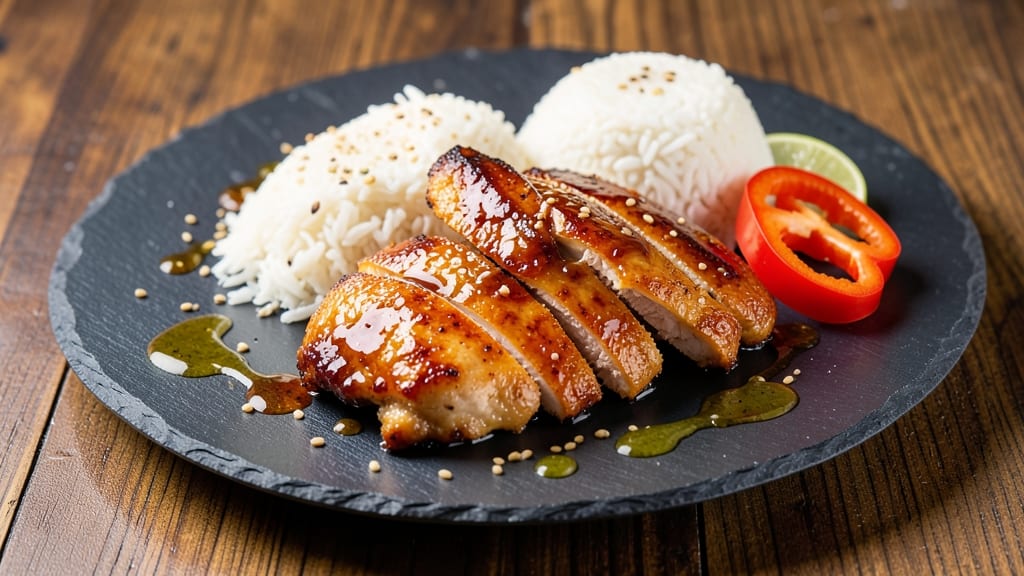
This Pei Wei teriyaki chicken recipe delivers the restaurant-quality sweet-savory glaze that actually sticks to the chicken. 💛 I've perfected the balance of honey, soy sauce, and ginger to create that signature caramelized coating that makes every bite irresistible.
The secret lies in marinating the chicken for at least 30 minutes, allowing the flavors to penetrate deeply while keeping the meat tender.
The recipe starts with a homemade teriyaki sauce that's richer and more complex than store-bought versions. You'll combine simple pantry staples—soy sauce, honey, garlic, and ginger—to create a glaze that's perfectly balanced between sweet, savory, and umami.
The chicken is then cooked to juicy perfection, whether you prefer it grilled, broiled, or pan-seared, ensuring that glaze stays sticky and delicious.
By the time you serve this dish, you'll have tender, flavorful chicken pieces that are beautifully glazed and ready to be paired with steamed rice, stir-fried vegetables, or egg rolls.
The presentation is just as important as the taste, so I'll show you how to plate it like the restaurants do—with that signature Pei Wei flair that makes it look as good as it tastes.
This recipe is perfect for weeknight dinners or special occasions, and it's easy to double the batch for a crowd. The sauce keeps well in the fridge, so you can make extra for future meals. Let's get started on creating this restaurant-quality dish at home!
Ingredients for pei wei teriyaki chicken
Pantry staples meet restaurant-quality glaze for chicken that sticks perfectly.
| Ingredient | Amount | Notes |
|---|---|---|
| Boneless Skinless Chicken Thighs 🍗 | 1 ½ lb | Cut into 1-inch pieces |
| Soy Sauce 🥢 | ½ cup | Low sodium preferred |
| Honey 🍯 | 0.35 cup | Pure, unprocessed |
| Fresh Ginger 🌿 | 2 tbsp | Finely grated, aromatic |
| Garlic Cloves 🧄 | 4 cloves | Minced, fresh preferred |
| Sesame Oil 🫒 | 1 tbsp | Toasted for aroma |
| Rice Vinegar 🍶 | 1 tbsp | White or seasoned |
| Brown Sugar 🍚 | 2 tbsp | Packed, light or dark |
| Cornstarch 🌾 | 1 tbsp | For thickening glaze |
| Vegetable Oil 🫒 | 2 tbsp | For pan-searing |
| Sesame Seeds 🌱 | 1 tbsp | Toasted, for garnish |
| Salt 🧂 | 1 tsp | Kosher or sea salt |
| Black Pepper 🌶️ | ½ tsp | Freshly ground |
| Green Onions 🧅 | 2 whole | Sliced, for garnish |
The chicken thighs are key here—bone-in stays juicier, but boneless works too. Look for fresh, plump thighs at the meat counter (the ones with good marbling). Trader Joe's and Costco have great prices on bulk packs. If you can't find fresh ginger, powdered works at half the amount, but fresh has that zing. The soy sauce should be light or dark—whatever you prefer, just avoid the super-high-sodium versions. For the honey, local raw honey adds subtle floral notes, but store-bought works fine too.
No sesame oil? Avocado oil or neutral oil works in a pinch, but you'll lose that nutty aroma. Running out of cornstarch? Arrowroot powder at the same amount thickens just as well. The brown sugar can be swapped for white sugar plus a pinch of molasses if that's what you've got. For extra depth, add 1 tsp of fish sauce (trust me, it blends in), or keep it vegetarian with an extra tbsp of soy sauce. The glaze should coat the back of a spoon—if it's too thin, simmer longer; if too thick, add a splash of water.
Marinate the chicken for at least 30 minutes (overnight is even better). The sauce keeps in the fridge for 5 days—make extra for stir-fries or drizzling over rice. For presentation, toss the cooked chicken with a little extra glaze and sprinkle those toasted sesame seeds on top. Reheats beautifully—just warm in a skillet with a splash of water to keep it sticky. Garnish with green onions right before serving so they stay crisp.
Why You'll Love This Recipe
- One-Pan Magic: I swear by this recipe when I’m too tired to wash dishes. Toss the chicken thighs in a bowl with soy sauce, honey, grated ginger, and minced garlic, then let the oven do the work—no flipping, no fuss, just sticky-sweet perfection.
- Sweet-Savory Balance: That honey-soy glaze? It’s the kind of flavor that makes you pause mid-bite. The ginger and garlic add a little kick, but the honey rounds it out—like a hug for your taste buds.
- Lunchbox Hero: Between us, this is my go-to for meal prep. The sauce clings to the chicken, making it easy to pack for work or school lunches. (Yes, even on a Tuesday night.)
- Budget-Friendly Feast: Chicken thighs stretch further than breasts, and this recipe uses pantry staples. A single batch feeds four, and leftovers reheat like a dream—no dryness, just that same addictive glaze.
Step-by-step instructions for Pei Wei teriyaki chicken
Here's how to make that signature Pei Wei sweet-savory glaze that clings perfectly to every bite.
🍳 Step 1: Sear the Chicken for Maximum Flavor
Heat the 2 tablespoons vegetable oil in a large skillet over medium-high heat until shimmering. Add the 1.5 lb boneless skinless chicken thighs cut into 1-inch pieces, working in batches if needed to avoid crowding. Let them sear undisturbed for 3-4 minutes until golden brown on one side.
Here's the thing—this initial sear creates a flavorful crust that helps the teriyaki glaze stick later. You'll know it's ready when the edges are deep golden brown and the chicken releases easily from the pan. Flip and sear the other side for another 3-4 minutes. Transfer the seared chicken to a plate and set aside.
👨🍳 Step 2: Build the Teriyaki Glaze Base
In the same skillet (no need to clean it—those browned bits are flavor gold), reduce heat to medium and add the 2 tablespoons fresh ginger and 4 cloves minced garlic. Sauté for 1 minute until fragrant—you should smell that aromatic punch. Pour in the 0.5 cup soy sauce and 1 tablespoon rice vinegar, scraping up any browned bits from the bottom.
Let this mixture simmer for 2-3 minutes until slightly reduced. Here's where the magic starts—the soy sauce begins breaking down, intensifying its umami flavor. The vinegar adds that bright, slightly tangy note that balances the sweetness we're about to add.
🍳 Step 3: Create the Signature Sweet-Savory Glaze
Add the 0.35 cup honey, 2 tablespoons brown sugar, and 1 tablespoon sesame oil to the skillet. Stir well and let the mixture bubble gently for 3-4 minutes until it thickens slightly. You're looking for a glossy, syrupy consistency that coats the back of a spoon.
Don't walk away—this is the moment that matters. The honey and sugar should caramelize just enough to deepen the flavor without burning. If it starts to get too thick too quickly, add 1 tablespoon water to help it along. The glaze should be sticky enough to cling to the chicken but still pourable.
🥘 Step 4: Coat and Thicken the Chicken
Return the seared chicken to the skillet and pour the glaze mixture over it. Stir gently to coat all the pieces evenly. Sprinkle the 1 tablespoon cornstarch over the chicken and stir for 1-2 minutes until the sauce thickens and becomes glossy.
This cornstarch step is crucial—it gives you that perfect balance between a thick, clinging sauce and one that's still smooth. The chicken should be fully coated with sauce that's neither too runny nor too stiff. Taste and adjust seasoning with the 1 teaspoon salt and 0.5 teaspoon black pepper if needed.
🔪 Step 5: Finish and Garnish Like a Pro
Once the sauce has thickened to your liking, transfer the chicken to a serving platter. Garnish with 1 tablespoon toasted sesame seeds and 2 whole sliced green onions. The sesame adds nutty depth, while the green onions bring freshness that cuts through the richness.
Serve immediately while the sauce is still warm and sticky. Each bite should deliver perfectly seared chicken with that signature Pei Wei glaze that's sweet, savory, and just slightly tangy—all clinging perfectly to every piece. Trust me, this is the moment you've been waiting for!
Pro Tips For Making Pei Wei Teriyaki Chicken
- SEAR THE CHICKEN FIRST: Hit the chicken thighs with a hot pan—no oil needed, just the natural fats—and let them develop a deep brown crust before adding sauce. I used to skip this, and the dish always tasted flat; that crust locks in flavor and texture.
- GRATE THE GINGER FINE: Use a microplane or the smallest holes on a box grater for the ginger—you want it almost paste-like, not chopped. After burning my tongue on one too many chunks, I learned this makes the sauce silky smooth and lets the ginger’s warmth shine through every bite.
- DON’T BOIL THE SAUCE: Simmer the teriyaki sauce on medium-low heat—if it bubbles hard, you’re ruining the honey’s sweetness and turning it bitter. I learned this the hard way when my sauce tasted like burnt caramel; keep it at a gentle simmer, like a lazy Sunday morning.
- USE LESS HONEY: Start with 2 tablespoons less honey than the recipe calls for—you can always add more at the end, but you can’t take it out. The sauce will still be sweet but balanced, and the chicken won’t turn into a sticky glaze. (Yes, I’ve made that mistake.)
Regional styles of this dish
Boston-Style Twist
Growing up in Boston, I couldn't help but wonder how this Pei Wei classic would translate to New England flavors. Swap the sesame oil for 1 tablespoon local maple syrup (I use Upton's from Vermont) and add ½ teaspoon ground nutmeg to the glaze.
The maple brings a subtle caramel depth that plays beautifully with the teriyaki, while the nutmeg adds that cozy Boston touch. Serve with steamed white rice and roasted Brussels sprouts—a nod to my Nonna's Italian roots meeting my love of Asian flavors. 🍁
Southern Comfort Version
For a Southern-inspired take, I've made this with boneless chicken breasts instead of thighs and added 1 teaspoon smoked paprika to the marinade. The sauce gets a ¼ cup apple cider swap for rice vinegar, giving it that tangy-sweet balance we love down South.
Garnish with crushed pecans instead of sesame seeds, and serve over buttery mashed potatoes for a true comfort food mashup. The result? A dish that feels familiar yet excitingly different. 🌶️
Hawaiian Luau Style
This version is all about tropical vibes—replace the brown sugar with ½ cup coconut sugar and add 1 teaspoon grated fresh pineapple to the glaze. The pineapple not only sweetens but also adds a subtle brightness that cuts through the richness.
Serve the chicken over jasmine rice and top with toasted coconut flakes and sliced fresh mango. For extra flair, add a lime wedge on the side—because nothing says Hawaiian luau like that perfect citrus finish. 🌺
Spicy Korean Fusion
For heat lovers, I crank up the flavor by adding 1 tablespoon gochujang (Korean chili paste) and 1 teaspoon sesame paste to the sauce. The gochujang brings that deep, spicy-sweet complexity that pairs perfectly with the teriyaki.
Serve with steamed rice and quick-pickled cucumbers to balance the heat. Trust me, this version is a game-changer—especially if you love bold, spicy flavors. 🔥
Vegetarian Adaptation
Not a chicken lover? No problem! Swap the chicken for extra-firm tofu pressed and cubed, or use shiitake mushrooms for a meaty texture. The sauce stays the same, but you'll want to marinate the tofu or mushrooms for at least 20 minutes to absorb all those delicious flavors.
Serve with stir-fried bok choy and steamed jasmine rice for a satisfying vegetarian meal that still delivers that Pei Wei magic. 🌱
Quick Weeknight Hack
Short on time? Use pre-cut chicken thighs from the store (I grab them at Market Basket—they're always fresh) and skip the searing step. Instead, cook the chicken directly in the sauce over medium heat for 10 minutes, stirring occasionally.
The sauce will still cling beautifully, and you'll have dinner on the table in under 30 minutes. Perfect for those busy weeknights when you still want restaurant-quality flavor. ⏰
Nutrition facts
Frequently asked questions
Can I use chicken breasts instead of thighs for this recipe?
You can, but thighs work better because they stay juicier and more tender with the long cooking time. If using breasts, cut them into ½-inch thick pieces and reduce cooking time to 5-6 minutes total (they cook faster). For extra moisture, add 1 tablespoon water to the pan during cooking.
How do I prevent the teriyaki sauce from burning?
Keep the heat at medium-low when making the sauce—never high heat. Stir constantly and add 1 tablespoon water if it starts to caramelize too quickly. The sauce should bubble gently, not boil furiously. For extra insurance, make the sauce first, then cook the chicken separately and toss it in the finished sauce.
Can I make this recipe ahead of time?
Cook the chicken and sauce as directed, then refrigerate for up to 3 days. Reheat gently in a skillet with 1 tablespoon water to restore stickiness. For best results, reheat only what you'll serve immediately—the sauce can get too thick when reheated multiple times. Store leftovers in an airtight container.
What's the best way to serve this dish like Pei Wei?
Plate the chicken over steamed jasmine rice and add stir-fried mixed vegetables on the side. Garnish with extra sesame seeds and green onions, then drizzle with any leftover sauce. For that restaurant look, serve with fortune cookie-style egg rolls and a small cup of green tea. Presentation matters—keep it colorful and balanced!
Why is my teriyaki sauce too thin?
This usually happens if you didn't simmer the sauce long enough or used too much liquid. To fix it, mix 1 teaspoon cornstarch with 1 tablespoon water, stir into the sauce, and cook for 1-2 minutes until thickened. For prevention, simmer your sauce until it coats the back of a spoon before adding the chicken.