
Main Courses
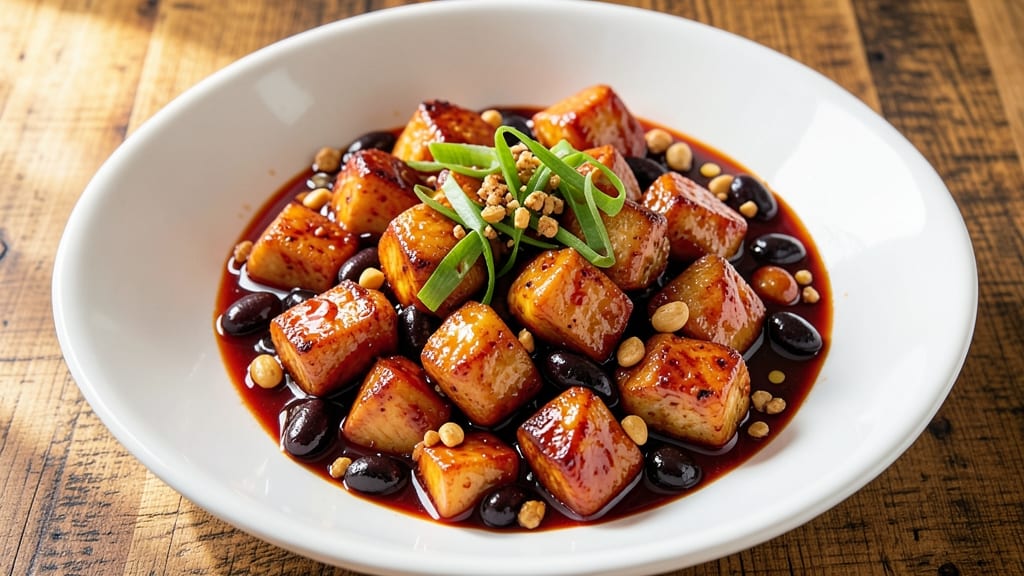
Mastering Pf Chang's Kung Pao Chicken at home delivers that signature spicy-sweet balance with crispy peanuts and vibrant red chili oil. The restaurant's version relies on a precise sauce ratio and wok hei technique—something I perfected after years of adapting Asian stir-fry methods in my professional kitchen.
This recipe preserves that authentic heat while keeping the texture perfectly tender-crisp.
The secret lies in the sauce: a blend of fermented black beans, chili paste, and a touch of vinegar that creates depth without overpowering the chicken. I marinate the chicken in a simple soy-ginger mix first, then stir-fry it in batches to maintain even cooking.
The peanuts get toasted separately to ensure they stay crunchy, just like the restaurant version.
By the time you plate it, you'll have a dish that's vibrant, aromatic, and packed with contrasting textures—tender chicken, crispy peanuts, and silky sauce. The dish comes together in under 30 minutes but tastes like it simmered for hours.
Serve it over steamed jasmine rice with extra scallions for that restaurant-quality finish.
Adjust the heat to your preference by controlling the amount of chili paste or adding a pinch of sugar to balance the spice. This version stays true to the original while being foolproof for home cooks. Let's bring that restaurant flavor to your kitchen.
Ingredients for pf chang's kung pao chicken
Nine essential ingredients transform into that iconic spicy-sweet stir-fry you crave.
| Ingredient | Amount | Notes |
|---|---|---|
| Boneless Chicken Breast 🍗 | 1 ½ lb | Cut into 1-inch cubes, boneless skinless preferred |
| Roasted Peanuts 🥜 | ½ cup | Unsalted, store-bought or homemade |
| Red Chili Oil 🌶️ | 2 tbsp | Find in Asian aisle or make with chili flakes |
| Fermented Black Beans 🫘 | ¼ cup | Pickled black beans, drained and chopped |
| Soy Sauce 🥄 | ⅓ cup | Use light or regular soy sauce |
| Rice Vinegar 🍶 | 1 ½ tbsp | White or seasoned rice vinegar |
| Sesame Oil 🫒 | 1 tbsp | Toasted sesame oil for aroma |
| Garlic Cloves 🧄 | 4 cloves | Minced, fresh preferred |
| Fresh Ginger 🌿 | 1 tbsp | Grated, fresh preferred |
| Sugar 🍚 | 1 ½ tbsp | White or brown sugar |
| Cornstarch 🌾 | 1 tbsp | For tenderizing chicken |
| Vegetable Oil 🫒 | 2 tbsp | High smoke point for stir-frying |
| Green Onions 🧅 | ¼ cup | Sliced, for garnish |
| Salt 🧂 | 1 tsp | Adjust to taste |
| Black Pepper 🌶️ | ½ tsp | Freshly ground |
The chicken needs to be tender-crisp, so cut it into even 1-inch cubes—no thick chunks. I grab free-range chicken breast from the grocery store's butcher section when it's on sale, but regular works fine. The fermented black beans? Look for them in the Asian aisle—they're the secret to that deep umami flavor. If you can't find them, substitute 1 tbsp soy sauce plus 1 tsp vinegar, but it won't be exactly the same. The peanuts should be unsalted and roasted—store-bought is fine, but if you toast them yourself, don't overdo it or they'll burn.
No red chili oil? Mix 1 tbsp chili flakes with 1 tbsp neutral oil—it's not the same but gets you close. The sesame oil is non-negotiable for that nutty aroma, but use just 1 tsp if you're sensitive to strong flavors. For the sauce, I always double-check the sugar-to-vinegar ratio—1:1 is perfect. If you're watching sugar, reduce to 1 tbsp and add an extra splash of vinegar. The cornstarch is key for tenderizing the chicken—don't skip it. Pro tip: Toast the garlic and ginger in the oil first to build layers of flavor before adding the chicken.
This dish reheats beautifully—keep it covered in the fridge for up to 4 days. For leftovers, reheat in a skillet with a splash of water to keep everything crispy. The sauce thickens when chilled, so stir in 1 tsp water if it's too thick when reheating. I always make extra sauce because it's great over rice or noodles. Store the sauce separately if you're not using it all at once—it keeps for 1 week in the fridge. Freeze the chicken mixture without the sauce for up to 3 months—just thaw and toss it back in the pan.
Why You'll Love This Recipe
- I swear by this trick: slice the chicken breasts thin before marinating, then toss them straight into the wok. No tedious cutting mid-cook, no waiting for meat to thaw—just dump and stir. Even my roommate, who burns toast, can handle it.
- Here’s what sold me: the way the roasted peanuts toast in the pan, then get tossed with the red chili oil—every bite has that perfect balance of heat and nutty crunch. The fermented black beans add this deep, funky umami that makes it taste like a restaurant dish, not a weeknight hack.
Step-by-step instructions for pf chang's kung pao chicken recipe
This spicy-sweet stir-fry comes together faster than you'd think with the right technique.
Prep the Chicken for Maximum Tenderness
Cut the 1.5 lb boneless chicken breast into 1-inch cubes. Place them in a bowl and sprinkle with 1 tbsp cornstarch and 1 tsp salt. Toss gently until every piece is evenly coated. This creates a light barrier that keeps the chicken juicy while developing that signature wok-seared texture.
Let the chicken marinate for 10 minutes while you prep the rest. The cornstarch will begin to absorb moisture, ensuring the chicken stays tender even with high-heat cooking. Don't skip this step—it's what prevents dry, rubbery chicken in stir-fries.
Build the Flavor Base with Aromatics
Heat 2 tbsp vegetable oil in a large skillet or wok over medium-high heat until shimmering. Add the 4 cloves minced garlic cloves and 1 tbsp grated fresh ginger, stirring constantly for 30 seconds until fragrant. You'll smell that bright, zesty aroma—this is your cue to move fast before the garlic burns.
Next, add 2 tbsp red chili oil and stir for 10 seconds to distribute the heat evenly. The oil will sizzle and pop slightly—this is normal and actually enhances the spicy depth. Remove the pan from heat briefly to add 0.33 cup soy sauce, 1.5 tbsp rice vinegar, and 1.5 tbsp sugar, stirring until combined. This mixture forms the sweet-savory backbone of the dish.
Stir-Fry the Chicken to Perfect Doneness
Return the pan to medium-high heat and add the cornstarch-coated chicken in a single layer. Let it sear undisturbed for 1 minute until the edges turn golden brown—this creates that beautiful caramelized crust. Then stir and cook for another 3-4 minutes until the chicken is 85% cooked through (it'll finish in the sauce).
Remove the chicken and set aside. In the same pan, add 0.25 cup fermented black beans and stir for 30 seconds until heated through. The beans should soften slightly but remain intact, adding that signature crunch and tangy flavor. Here's the thing—don't overcrowd the pan or the chicken will steam instead of sear.
Combine Everything for the Perfect Sauce
Return the chicken to the pan along with 1 tbsp sesame oil. Stir everything together for 1-2 minutes until the chicken absorbs all the flavors and the sauce begins to coat the pieces evenly. The mixture should look glossy and slightly thickened—this is when the magic happens.
Taste and adjust seasoning if needed. You might want to add a splash more rice vinegar for tang or a pinch of salt if the flavors seem muted. The sauce should balance sweet, spicy, and savory with a hint of umami from the fermented black beans.
Finish with Crunch and Garnish
Remove from heat and stir in 0.5 cup roasted peanuts and 0.25 cup sliced green onions. The peanuts add that essential crunch that makes this dish so satisfying. Let everything sit together for 1 minute so the peanuts warm slightly and the aromas meld completely.
Serve immediately over steamed rice, garnished with extra green onions and a drizzle of red chili oil if desired. The chicken should be tender with a crisp exterior, the sauce clinging beautifully, and each bite offering that perfect balance of heat, sweetness, and texture contrast from the peanuts.
Pro Tips For Making Pf Chang'S Kung Pao Chicken
- Velvetize the Chicken: DESCRIPTION: Cut the chicken breast into 1-inch cubes, then pound them between two sheets of plastic wrap with a rolling pin until they’re paper-thin—this keeps them tender, not rubbery, when they hit the wok. I used to skip this and ended up with chewy bites that ruined the whole dish.
- Toast the Peanuts: DESCRIPTION: Don’t just toss in store-bought roasted peanuts—they’ll taste bland and dry. Dry-toast them in a skillet over medium heat for 3–4 minutes until golden and fragrant, then crush half for texture. The extra effort makes a real difference in the final crunch.
- Bloom the Chili Oil: DESCRIPTION: Heat the red chili oil first in the wok before adding anything else—this releases its smoky depth and prevents it from turning bitter. After 10 seconds, toss in the fermented black beans and garlic; the oil should sizzle but not smoke. I learned this the hard way when my sauce tasted like burnt plastic.
- Simmer the Sauce: DESCRIPTION: After adding soy sauce and sugar, reduce the heat to low and let the sauce thicken for 2–3 minutes—this balances the salt and caramelizes the flavors. Skipping this step leaves the dish flat and overly salty. (Yes, even if you’re impatient like me.)
Common mistakes when making great pf chang's kung pao chicken
Overcrowding the Pan
This is my biggest pet peeve when I see home cooks attempt Kung Pao Chicken—packing the pan too tightly. When you overcrowd, the chicken steams instead of searing, resulting in soggy, pale pieces instead of that beautiful caramelized crust. I can't stress this enough: cook in batches if needed.
Use a 12-inch wok or large skillet and spread the chicken in a single layer. If you're using 1.5 lbs chicken, that's about 3-4 minutes per batch at medium-high heat. The sizzle should be audible—if it's not, you're crowding the pan. 🔥
Skipping the Cornstarch
The cornstarch isn't just there to thicken the sauce—it's what keeps your chicken tender. Without it, the chicken absorbs too much oil and ends up dry or rubbery.
I've seen too many cooks skip this step thinking it's optional. Toss the chicken with 1 tbsp cornstarch and let it sit for 10 minutes before cooking. This creates a thin barrier that locks in moisture while allowing that perfect sear.
If you're worried about texture, trust me—this makes all the difference.
Undercooking the Chicken
Many home cooks pull the chicken out too soon, thinking it'll finish cooking in the sauce. Big mistake. The chicken should reach 165°F internal temperature before you combine everything. I test doneness by cutting into a piece—it should be just barely done when you remove it from the pan.
If you're unsure, use a meat thermometer. The sauce will finish cooking the chicken slightly, but relying on it alone often leaves you with dry, overcooked pieces. Remember: 85% cooked through before adding to the sauce is my golden rule. ✨
Burning the Garlic
Garlic burns faster than you think, and once it's blackened, the whole dish takes on a bitter note that ruins the balance. I've had to toss entire batches because someone let the garlic sit too long. Stir constantly for 30 seconds max until you smell that bright, zesty aroma.
Then immediately add the chili oil and remove from heat briefly to combine the sauce ingredients. The garlic should be golden, not brown. Pro tip: Use fresh garlic—pre-minced garlic from the jar burns even faster.
Using the Wrong Peanuts
Store-bought salted peanuts or those with skins on will make your dish taste like you didn't follow the recipe. The peanuts need to be unsalted and roasted for that perfect crunch and nutty flavor. I buy unsalted dry-roasted peanuts from the bulk section at my local grocery store.
If you toast them yourself, keep the heat medium-low and watch closely—they go from perfect to burnt in seconds. The texture contrast is what makes this dish shine, so don't skimp on quality here. 🥜
Ignoring the Sauce Ratio
The sweet-savory balance in Kung Pao Chicken comes from precise measurements. I've seen cooks eyeball the soy sauce or sugar, and the results are always off—either too salty or cloyingly sweet. The magic is in the 1:1 ratio of sugar to vinegar.
If you're not a fan of spice, you can reduce the chili oil slightly, but never skip the vinegar—it's what cuts through the richness. Taste as you go and adjust gradually. The sauce should sing with all those flavors working together, not one dominating the others.
Nutrition facts
Frequently asked questions
Can I make this Kung Pao Chicken with chicken thighs instead of breast?
Chicken thighs work beautifully—they stay juicier and add richer flavor. Use 1.5 lbs bone-in, skin-on thighs for extra depth. Cut them into 1-inch pieces and pat dry before coating with cornstarch. The skin will crisp up wonderfully, but remove it before serving if preferred. Just reduce cooking time by 1-2 minutes since thighs cook faster than breast.
How can I adjust the heat level for kids or sensitive eaters?
For milder heat, reduce the red chili oil to 1 tbsp and replace the remaining 1 tbsp with extra rice vinegar. You can also swap chili oil for 1 tbsp chili paste mixed with 1 tbsp neutral oil. The fermented black beans and peanuts already add enough crunch and flavor without needing extra spice. Always taste the sauce before adding the chicken!
What's the best way to reheat leftover Kung Pao Chicken?
Reheat in a skillet over medium heat with 1 tbsp vegetable oil and 1 tbsp water to prevent drying. Stir frequently for 2-3 minutes until warmed through. The sauce will thicken when chilled, so add 1 tsp water if it's too stiff. For microwave reheating, cover with a damp paper towel and heat in 30-second bursts, stirring between each.
Can I make this recipe without fermented black beans?
Yes! Substitute with 1 tbsp soy sauce + 1 tsp vinegar + 1 tsp sugar for umami depth. For extra texture, add 2 tbsp chopped dried shiitake mushrooms (rehydrated) or 1 tbsp black bean sauce from Asian markets. The dish will still taste delicious, though the fermented beans add that signature tangy crunch that's hard to replicate.
What sides pair best with Kung Pao Chicken?
Classic pairings include steamed jasmine rice (essential for soaking up sauce) and stir-fried bok choy. For a complete meal, add egg rolls or potstickers for extra crunch. If you prefer something lighter, try cucumber salad with sesame dressing or miso soup. The key is balancing textures—creamy, crunchy, and soft all work well!