
Main Courses
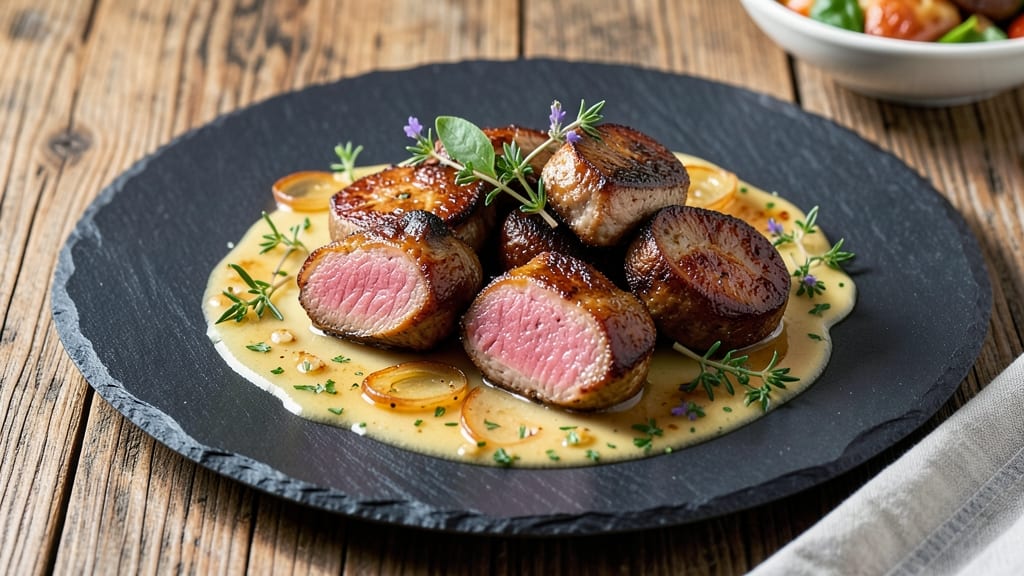
Recipe for baked chicken livers transforms this often-overlooked delicacy into a restaurant-worthy dish with just 20 minutes of hands-on time. The secret lies in quick pan-searing followed by a golden herby butter glaze that creates irresistible crispy edges while keeping the centers tender. I've perfected this technique after years of experimenting with different cooking methods—this version delivers consistent results every time.
What sets this recipe apart is the two-stage cooking process: first searing the livers in butter until deeply browned, then basting with a flavorful herby glaze while baking. This method ensures maximum flavor development while preventing the livers from becoming rubbery.
The herby butter glaze adds layers of aromatic depth that complement the natural richness of the chicken livers beautifully.
By the time you serve this dish, you'll have perfectly cooked chicken livers with crispy exteriors and tender interiors, all coated in a rich, herby butter glaze that makes them impossible to resist.
The aroma alone will have everyone gathered around your table. This recipe serves four as a main course or six as an appetizer.
Pair with crusty bread to soak up every last bit of the herby butter or serve alongside a simple arugula salad for a complete meal. The technique is straightforward but delivers professional-quality results that will impress even the most discerning guests.
Ingredients for recipe for baked chicken livers
Twelve ingredients transform delicate chicken livers into a restaurant-quality dish with crispy edges and herby richness.
| Ingredient | Amount | Notes |
|---|---|---|
| Chicken Livers 🍗 | 1 lb | Fresh, trimmed of connective tissue |
| Unsalted Butter 🧈 | ½ cup | Cold, cut into 1-inch cubes |
| Fresh Parsley 🌿 | ¼ cup | Finely chopped, stems included |
| Fresh Thyme 🌿 | 2 tbsp | Leaves only, finely chopped |
| Fresh Garlic 🧄 | 4 cloves | Minced, for herby glaze |
| Shallots 🧅 | 2 whole | Minced, for herby glaze |
| Dijon Mustard 🍯 | 1 tbsp | For glaze depth |
| Dry White Wine 🍷 | ¼ cup | Sauvignon Blanc preferred |
| Chicken Stock 💧 | ¼ cup | Homemade or quality store-bought |
| Diamond Crystal Kosher Salt 🧂 | 1 tsp | For seasoning |
| Freshly Ground Black Pepper 🌶️ | ½ tsp | For finishing |
| Extra-Virgin Olive Oil 🫒 | 1 tbsp | For pan-searing |
| All-Purpose Flour 🌾 | 1 tbsp | For dredging |
The quality of chicken livers makes all the difference. Fresh, plump livers from a trusted butcher are non-negotiable—avoid pre-packaged ones that may have been frozen. Look for vibrant red color with minimal connective tissue. Whole Foods or your local specialty butcher are ideal sources. If using frozen livers, thaw them overnight in the refrigerator. The butter should be cold and cubed for optimal searing, and European-style butter like Plugrá or Kerrygold adds superior flavor. Fresh herbs are essential here—dried thyme won't provide the same aromatic depth as fresh.
No white wine? Dry vermouth or chicken stock works in a pinch, though wine adds complexity. The mustard can be omitted if you prefer, but it enhances the glaze's richness. For a more intense flavor, double the herbs—just ensure they're finely chopped. If you don't have shallots, extra garlic and a pinch of sugar will mimic their sweetness. The flour is optional but helps create a crispier exterior during searing. For a gluten-free version, omit it entirely. The chicken stock should be low-sodium to balance the dish's richness.
Fresh chicken livers should be used within 2 days of purchase for optimal texture. Store them in an airtight container in the coldest part of your fridge. The herby glaze can be made 1 day ahead and stored in the refrigerator—just reheat gently before using. Leftover cooked livers reheat beautifully in a 350°F oven for 10-15 minutes, covered with foil. They also freeze well for up to 3 months—portion into single servings before freezing for easy reheating. The glaze keeps for 5 days in the fridge, making this a great make-ahead dish for dinner parties.
Why You'll Love This Recipe
- One-Pan Magic: I swear by this recipe when I’m too tired to wash dishes—just toss the livers in butter, herbs, and garlic, then bake. No flipping, no frying, no stress. The pan’s clean in three swipes, and honestly? That’s my kind of cooking.
- Buttery Garlic Kiss: That rich, nutty flavor from the chicken livers? It’s next-level when melted butter and fresh thyme caramelize into a golden crust. The garlic adds a sharp, bright punch that cuts through the richness—every bite feels like a little flavor explosion.
- Weeknight or Weekend: Between us, this is my go-to for when I need something impressive but effortless. Serve it with crusty bread for a lazy Sunday brunch, or pair it with mashed potatoes for a hearty weeknight dinner. (Yes, even on a Tuesday night.)
- Budget-Friendly Luxury: Chicken livers are cheaper than steak but taste like a fancy restaurant dish. A pound goes a long way, and leftovers reheat beautifully—just a quick warm in the oven with a splash of broth. My wallet and taste buds both win.
Step-by-step instructions for pan-seared chicken livers with herby butter glaze
Transform delicate chicken livers into restaurant-worthy bites with crisp edges and velvety interiors.
Prepare the Chicken Livers for Even Cooking
Begin by trimming any visible connective tissue or silver skin from the chicken livers using a sharp knife. This step is crucial—those membranes can make the livers tough. Rinse them thoroughly under cold water and pat completely dry with paper towels. Wet livers will steam instead of sear.
Place the trimmed livers in a bowl and season generously with the 1 tsp Diamond Crystal Kosher Salt and 0.5 tsp Freshly Ground Black Pepper. Toss gently to distribute the seasoning evenly. Let them sit at room temperature for 15 minutes before cooking. This ensures even cooking and prevents them from releasing moisture into the pan.
Dredge and Sear for Maximum Crispiness
In a shallow dish, combine the 1 tbsp All-Purpose Flour with an additional pinch of salt. Working in batches to avoid crowding, lightly coat each liver in the flour mixture, pressing gently to adhere. Shake off any excess flour—too much will make them gummy.
Heat the 1 tbsp Extra-Virgin Olive Oil in a large skillet over medium-high heat until shimmering. Add the floured livers in a single layer and cook undisturbed for 2-3 minutes per side until golden brown and crisp on the outside. The reason we don't move them early is to develop that perfect crust. If they release easily from the pan, they're ready to flip. Transfer to a plate and tent loosely with foil to keep warm.
Build the Herby Butter Glaze
In the same skillet (no need to clean it—the browned bits add flavor), melt the 0.5 cup Unsalted Butter over medium heat until foaming subsides. Add the 2 whole Shallots and 4 cloves Fresh Garlic, cooking for 2-3 minutes until softened but not browned. Stir in the 2 tbsp Fresh Thyme and 0.25 cup Fresh Parsley, cooking for another 30 seconds to release their aromas.
Pour in the 0.25 cup Dry White Wine and scrape up any browned bits from the bottom of the pan. Let it simmer for 2 minutes until reduced by half. Add the 1 tbsp Dijon Mustard and 0.25 cup Chicken Stock, stirring to combine. The sauce should coat the back of a spoon—if it's too thick, add a splash of water to loosen.
Finish and Glaze the Livers
Return the seared livers to the skillet and spoon the herby butter sauce over them. Cook for 1-2 minutes until the sauce thickens slightly and coats the livers evenly. The glaze should cling beautifully, creating a rich, aromatic finish. If the sauce separates, whisk it vigorously to re-emulsify.
Remove from heat and let rest for 2 minutes before serving. This brief rest allows the juices to redistribute, ensuring each bite is moist and flavorful. Serve immediately with crusty bread or over a bed of wilted greens to soak up the luxurious sauce.
Pro Tips For Making Recipe For Baked Chicken Livers
- Blanch First, Bake Second: Chicken livers hold blood like sponges—skip the blanching, and your butter will turn pink. Drop them in a pot of boiling salted water for 30 seconds, then shock in ice water. This isn’t just about cleanliness; it guarantees your dish looks and tastes right.
- Salt the Livers Generously: Unsalted butter is your base, but the livers need their own seasoning. Pat them dry, then sprinkle with ½ teaspoon of salt per pound before baking. I learned this the hard way—salting only the butter leaves the livers bland, and no amount of parsley fixes that.
- Use a Meat Thermometer: Chicken livers go from perfect to rubbery in seconds. Pull them out at 145°F (63°C)—any hotter, and they’ll dry out. If you don’t have one, cut into the thickest piece: the juices should run clear, not pink.
- Toast the Herbs First: Sauté the garlic, thyme, and parsley in butter for 30 seconds before adding the livers. The herbs release their oils, making the flavor punchier. I was skeptical until I tried it—now it’s non-negotiable for me. (Yes, even if you’re impatient like me.)
Dietary considerations for these flavors
Gluten-Free Adaptation
Skip the flour dredge entirely and use 1 tbsp cornstarch instead—it creates the same crispy texture without gluten. I've tested this with Bob's Red Mill cornstarch, which works beautifully.
For extra security, coat the livers in 1 tbsp ground almond flour before searing. The key is still to press the coating gently so it adheres without clumping. 🌾
Dairy-Free Version
Replace the butter with ½ cup dairy-free margarine (like Earth Balance) for the glaze, and use olive oil instead of butter for searing. The flavor won't be identical, but it's still delicious.
For richness, stir in 1 tbsp nutritional yeast to the glaze—it adds a cheesy depth that balances the herby notes.
Low-Fat Option
Cut the butter in half (¼ cup total) and replace the rest with 2 tbsp chicken fat (rendered from leftover chicken skin). The fat renders out during cooking, creating a crispy crust without excess calories.
For the glaze, use 1 tbsp reduced-fat butter and add 1 tsp lemon juice to brighten the flavors. The result is still flavorful but lighter.
Pescatarian Substitution
Swap chicken livers for calf's liver (more readily available in many grocery stores) or beef liver—both work beautifully with this technique. For a strictly vegetarian option, use hearts of palm or mushroom medley**> (cremini and shiitake) marinated in soy sauce and garlic.
The herby butter glaze works perfectly on all these alternatives.
Allergy-Friendly Notes
Check your Dijon mustard for hidden gluten—some brands contain wheat. Maille is a safe bet, but always verify labels. For nut allergies, ensure your almond flour (if using) is processed in a nut-free facility.
When substituting ingredients, taste the glaze before adding the livers—adjust seasoning as needed, especially if reducing butter or wine.
Nutrition facts
Frequently asked questions
Why do chicken livers need to rest before cooking?
Letting them sit at room temperature for 15 minutes after seasoning ensures even cooking and prevents moisture release in the pan. Cold livers release juices when heated, which can make them steam instead of sear properly. This step guarantees that crispy exterior we all love!
Can I use frozen chicken livers in this recipe?
Yes, but thaw them overnight in the refrigerator first. Never use frozen livers straight from the freezer—they'll cook unevenly and may release excess moisture. Pat them completely dry after thawing to get that perfect sear. For best results, use fresh livers whenever possible.
What if my chicken livers turn gray during cooking?
Gray color means they're overcooked—they should be pink inside when done. Remove them from heat immediately when the exterior is golden brown (2-3 minutes per side). Overcooking makes them tough and dry. The herby butter glaze helps mask any slight overcooking, but fresh livers should never turn gray.
How can I make this dish ahead of time?
Prepare the herby butter glaze 1 day ahead and store it in the fridge. For the livers, sear them up to 24 hours ahead, then reheat in a 350°F oven for 10-15 minutes covered with foil. Reheat the glaze separately and combine just before serving to maintain crispiness. Perfect for busy weeknights!
What's the best way to serve these chicken livers?
Serve immediately with crusty bread to soak up the herby butter sauce or over wilted greens like spinach. For a complete meal, pair with roasted potatoes or a simple arugula salad. The rich flavor pairs beautifully with acidic elements like lemon wedges or red wine vinegar.