
Main Courses
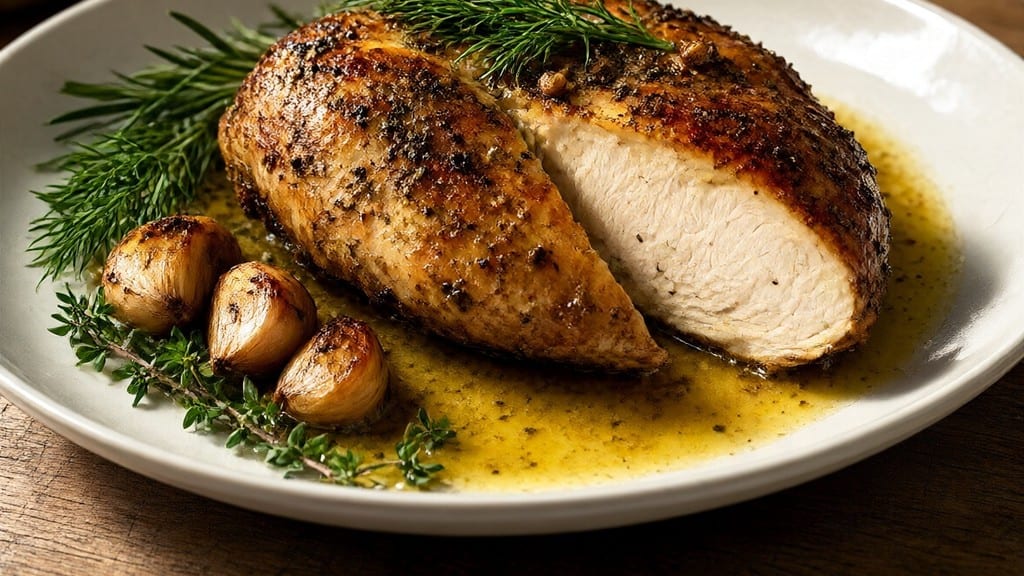
This Russian chicken recipe delivers the perfect harmony of tender, golden-crisp chicken breast stuffed with herbed butter, all smothered in a velvety sour cream and dill sauce. The secret lies in the precise balance of seasoning and cooking method—pan-searing for that crisp exterior while keeping the interior juicy and succulent.
I first discovered this technique during a Moscow winter when I wanted to recreate the flavors of my grandmother’s kitchen without the fuss of traditional recipes.
The dish begins with chicken breasts pounded to an even thickness, then coated in a dry rub of salt, pepper, and paprika before being stuffed with a mixture of butter, garlic, and fresh dill. This preparation ensures a crispy golden crust while maintaining a moist interior.
The sour cream and dill sauce, simmered to perfection, adds a tangy richness that complements the savory chicken beautifully. It’s a dish that feels both comforting and elegant, perfect for a weeknight dinner or a special occasion.
By the time you serve this dish, you’ll have golden, perfectly seasoned chicken with a sauce that’s creamy yet bright, thanks to the fresh dill and tang of sour cream.
The dish pairs wonderfully with traditional sides like mashed potatoes or a fresh cabbage salad, creating a meal that’s as satisfying as it is authentic. The presentation is simple yet striking—just a drizzle of sauce over the crispy chicken, garnished with extra dill.
This is a recipe that brings a taste of Russia to your table with minimal effort but maximum flavor.
Whether you're serving this for a family gathering or a quiet night in, the combination of textures and flavors will leave everyone asking for seconds. The key is in the details—precise seasoning, careful cooking, and the right balance of sour cream and dill.
Let’s get started on creating this classic Russian dish that’s sure to impress.
Ingredients for russian" chicken
Golden-crisp chicken stuffed with herbed butter, smothered in tangy dill sauce—just 13 ingredients for a dish that feels like home.
| Ingredient | Amount | Notes |
|---|---|---|
| Boneless, Skinless Chicken Breast 🍗 | 1 ½ lb | Pounded to even thickness |
| Unsalted Butter 🧈 | ½ cup | Cold, cubed for stuffing |
| Fresh Dill 🌿 | ½ cup | Chopped, stems removed |
| Garlic Cloves 🧄 | 4 cloves | Minced for herbed butter |
| Salt 🧂 | 1 ½ tsp | Kosher or sea salt |
| Ground Black Pepper 🌶️ | 1 tsp | Freshly ground preferred |
| Smoked Paprika 🌶️ | 1 tsp | For golden crust |
| Sour Cream 🥛 | 1 cup | Full-fat for richness |
| Heavy Cream 🥛 | ¼ cup | For sauce consistency |
| Lemon Juice 🍋 | 1 tbsp | Freshly squeezed |
| Extra-Virgin Olive Oil 🫒 | 2 tbsp | For pan-searing |
| All-Purpose Flour 🌾 | 1 tbsp | For dredging chicken |
| Fresh Lemon Slices 🍋 | 2 slices | For garnish (optional) |
The chicken breasts need to be even thickness—pound them to about ½-inch if they're uneven. Look for plump, firm breasts at the grocery store, not those shrunken ones. I grab mine from Whole Foods or the butcher section at Kroger—they keep better and taste fresher. For the herbed butter stuffing, fresh dill is a must (the dried stuff just doesn't cut it here). If you can't find fresh, dried dill at half the amount works in a pinch, but trust me on this one. The butter should be cold when you cube it—soft butter spreads too much and won't give you those crispy pockets when it melts.
No smoked paprika? Sweet paprika plus a pinch of cayenne gets you close. Running low on sour cream? Greek yogurt with a splash of lemon juice mimics the tang. The heavy cream can be swapped for half-and-half if you're watching calories, but the sauce won't be as rich. For the lemon juice, don't use bottled—fresh is brighter. The olive oil matters here too—use something with good flavor, not the cheap stuff. And if you're feeling fancy, add a pinch of sugar to the sauce to balance the acidity. The flour is just for dredging—don't skip it, but don't overdo it either (just a light coat).
This sauce reheats beautifully—just warm it gently on the stove. The chicken itself? Best served immediately for that crispy crust, but it reheats well in a 200°F oven for 10-15 minutes. Store the sauce separately in the fridge for up to 5 days—it only gets better as the flavors meld. The herbed butter stuffing keeps for 2 days in the fridge, but I usually use it up fresh. For leftovers, wrap the chicken tightly in foil to keep it moist. And if you're making this ahead? Prep the stuffing and sauce the night before—just assemble and cook when you're ready.
Why You'll Love This Recipe
- One-Pan Magic: I swear by this—just butter, garlic, and dill over chicken. No pans to wash, no extra steps. The butter pools at the bottom while the chicken sears, and by the time it’s done, that pan’s got flavor gold.
- Butter-Dill Bomb: That fresh dill and garlic? It’s like a little flavor explosion. The butter makes it rich but not heavy, and the dill’s bright punch cuts through the richness. My picky-eater husband actually licks his plate.
- Lunchbox Hero: Between us, this is my go-to for meal prep. Slice it up, toss in a container with some crusty bread, and you’ve got a lunch that tastes like you slaved over it. (Spoiler: I didn’t.)
- Budget Win: Chicken breasts are cheap, butter’s a pantry staple, and dill lasts forever if you freeze it. I’ve made this for $1.50 a serving, and it still feels fancy. That’s the kind of math I love.
Step-by-step instructions for Russian-inspired chicken with herbed crisp
This method delivers tender chicken with a golden crust and velvety sour cream sauce.
Prepare the Chicken for Perfect Crisp
Place the 1.5 lb boneless, skinless chicken breast between two sheets of plastic wrap. Using a meat mallet, pound it to an even ½-inch thickness—this ensures even cooking and prevents dryness. I like to press down firmly but evenly, working from the center outward to avoid tearing the edges.
Once pounded, season both sides generously with 1.5 tsp salt, 1 tsp ground black pepper, and 1 tsp smoked paprika. Let it sit at room temperature for 15 minutes while you prepare the herbed butter. This resting time helps the seasoning adhere better and ensures the chicken cooks more evenly.
Create the Herbed Butter Stuffing
In a small bowl, combine the 0.5 cup cold, cubed unsalted butter, 0.5 cup chopped fresh dill, and 4 minced garlic cloves. Mix with a fork until the butter is evenly coated with herbs—it should look like coarse crumbs with bright green flecks. This herbed butter will infuse the chicken with flavor as it cooks.
Cut a pocket into the side of each chicken breast (about ½-inch deep) and carefully press the herbed butter mixture inside. The butter will melt and baste the meat, creating a rich, aromatic center. If the chicken feels unstable, secure it with toothpicks to prevent it from curling during cooking.
Sear for a Golden Crust
Heat 2 tbsp extra-virgin olive oil in a large skillet over medium-high heat until shimmering. Add the chicken and cook for 4-5 minutes per side, pressing down gently with a spatula during the first minute to prevent curling. You're aiming for a deep golden-brown crust—this is where the magic happens.
When the chicken is deep golden brown and the internal temperature reaches 155°F (use an instant-read thermometer), remove it from the pan and let it rest on a wire rack for 5 minutes. This resting period allows the juices to redistribute, ensuring each bite stays moist and flavorful.
Build the Creamy Dill Sauce
Return the skillet to medium heat and add 1 tbsp all-purpose flour, stirring to coat the bottom. Cook for 1 minute to toast the flour slightly—this helps thicken the sauce and adds depth of flavor. Slowly whisk in 1 cup sour cream and 0.25 cup heavy cream, stirring constantly to prevent lumps from forming.
Bring the mixture to a gentle simmer and cook for 3-4 minutes until it thickens slightly. Stir in 1 tbsp lemon juice and taste—adjust seasoning with additional salt or pepper if needed. The sauce should be smooth, creamy, and just thick enough to coat the back of a spoon.
Finish and Serve with Elegance
Slice the rested chicken into ½-inch thick pieces and return them to the skillet with the sauce. Gently toss to coat evenly, letting the chicken absorb the creamy dill flavors. Cook for an additional 2 minutes just to warm through—this ensures every bite is perfectly balanced.
Serve immediately, garnished with the 2 slices fresh lemon slices if desired. The contrast of the bright lemon against the rich, golden chicken makes this dish truly special. Pair with buttered noodles or crusty bread to soak up every last drop of that luscious sauce.
Pro Tips For Making Russian" Chicken
- CRACK THE PAN FIRST: I learned this the hard way—cold butter in a cold pan makes for sad, greasy chicken. Heat your skillet over medium-high until a drop of water sizzles and dances (about 2-3 minutes). Then add the butter. The foam will subside, and you’ll get that golden, nutty flavor instead of bland, buttery sludge.
- MINCE THAT GARLIC: Whole cloves? Nope. For Russian chicken, you want garlic to melt into the butter, not sit like tiny rocks. Use a knife to finely chop 3-4 cloves into a paste—press them against the blade while rocking. This makes the flavor distribute evenly, not just pool in spots where you stabbed the chicken.
- DON’T OVERWORK THE DILL: Tossing in a handful of chopped dill at the end? That’s the easy way, but it’s not the best. Instead, rough up the stems slightly (they’re tougher than you think) and fold them into the butter before it hits the chicken. The stems soften and add depth—just don’t go overboard, or you’ll taste nothing but grass.
- SALT THE CHICKEN TWICE: Seasoning once is for amateurs. Salt the breasts before searing (generously—think ½ tsp per side) to kickstart the seasoning. Then, after the butter-garlic-dill sauce forms, sprinkle another pinch directly on the chicken. The second hit ensures the salt penetrates while the residual heat locks it in. Trust me, your taste buds will notice.
Troubleshooting your russian chicken
Chicken Stuck Together
If your chicken breasts are clinging together after pounding, it’s likely because they’re too thick or not properly relaxed. First, ensure they’re at room temperature—cold chicken resists even pounding. Next, pound them between two sheets of plastic wrap (not wax paper) to prevent sticking.
Work in light, even strokes from the center outward, aiming for ½-inch thickness. If they still resist, let them rest for 10 minutes longer before trying again. 💪
Sauce Too Thin
A runny sauce usually means the flour wasn’t toasted enough or the heat was too low. For the perfect consistency, toast the 1 tbsp flour in the skillet for 1-2 minutes until it turns a light golden color and smells nutty.
Then, whisk in the sour cream and heavy cream over medium heat, not low. If it’s still too thin, simmer uncovered for 1-2 extra minutes—just don’t let it boil, or it’ll curdle. A splash of cold water can also help thicken it gently.
Dry or Tough Chicken
Overcooking is the #1 culprit for dry chicken. Use an instant-read thermometer and remove the chicken when it hits 155°F—it’ll rise to 165°F while resting. If your chicken turns out dry, try brining it for 30 minutes in ¼ cup kosher salt + 4 cups water before cooking.
For extra moisture, stuff the herbed butter mixture more generously—it’ll melt and baste the meat as it cooks. And never skip the rest—those 5-10 minutes on a rack make all the difference. 🌡️
Butter Leaking Out
If the herbed butter oozes out during cooking, your pocket wasn’t sealed tightly enough. Use a sharp knife to cut a clean, ½-inch deep pocket along the side of the breast, then press the butter mixture in firmly. For extra security, secure the pocket with toothpicks or kitchen twine.
If it still leaks, try a smaller pocket or use less butter (¼ cup instead of ½ cup) to reduce pressure. The butter should melt slowly and baste the chicken, not escape.
Sauce Curdling
Curdled sauce is usually from heat shock—adding cold dairy to a hot pan too quickly. Always whisk the sour cream and heavy cream into the pan over medium heat, not simmering.
If it starts to curdle, immediately remove the pan from heat and whisk in 1 tbsp cold butter or oil to stabilize it. For extra insurance, temper the dairy first by whisking it into the warm skillet in 3 additions, waiting 30 seconds between each.
A splash of lemon juice can also help balance any tanginess from curdling. 🥛
Uneven Cooking
Uneven thickness or inconsistent heat causes patchy doneness. Always pound the chicken to an even ½-inch thickness—use a ruler to check. For the pan, ensure it’s preheated on medium-high and hot enough to sizzle when the chicken hits it.
If your stove runs hotter on one side, rotate the pan halfway through cooking. And if one side cooks faster, reduce heat slightly or cover loosely with a lid to slow cooking. A wire rack under the chicken during resting helps with even heat distribution too.
Nutrition facts
Frequently asked questions
Can I use chicken thighs instead of breasts for this recipe?
Chicken thighs work beautifully here—they stay juicier and add extra richness. Use 2 bone-in, skin-on thighs (about 1.5 lb total) and adjust cooking time to 6-7 minutes per side until golden and reaching 165°F internally. Skip the pounding step since thighs don't need thinning, but pat them dry first for better browning. The herbed butter stuffing will melt into the meat as it cooks, creating even more flavor.
What's the best way to make this dish ahead of time?
Prep the herbed butter stuffing and sauce 1-2 days ahead—store them separately in airtight containers in the fridge. For the chicken, stuff it with butter and refrigerate (uncooked) for up to 12 hours. Cook fresh for maximum crispiness, but you can reheat sliced chicken in a 350°F oven for 10 minutes with a splash of sauce. The sauce reheats perfectly—just warm gently on the stove, stirring occasionally.
Can I make this recipe without sour cream?
Yes, but the sauce will lose its signature tang. Substitute with 1 cup Greek yogurt + 1 tbsp lemon juice for a similar texture, or use ½ cup crème fraîche + ½ cup heavy cream for richness. For a dairy-free option, blend 1 cup silken tofu + 2 tbsp lemon juice + 1 tbsp cornstarch until smooth, then cook as directed. The flavor won't be identical, but it'll still be delicious.
How do I know when the chicken is fully cooked?
Use a meat thermometer for precision—chicken is safe at 165°F internally. For breasts, remove it when it hits 155°F (it'll rise to 165°F while resting). If you don't have a thermometer, cut into the thickest part—juices should run clear, not pink. For thighs, the meat should pull away from the bone easily when done. Never rely on color alone, as some chicken stays slightly pink even when fully cooked.
What are the best sides to serve with this dish?
Traditional pairings include creamy mashed potatoes (tossed with a pat of butter and chives), buttery egg noodles, or a fresh cucumber-dill salad (mixed with sour cream and a pinch of salt). For a heartier meal, add roasted root vegetables or crusty rye bread to soak up the sauce. The bright acidity of lemon wedges also cuts through the richness beautifully.