
Appetizers
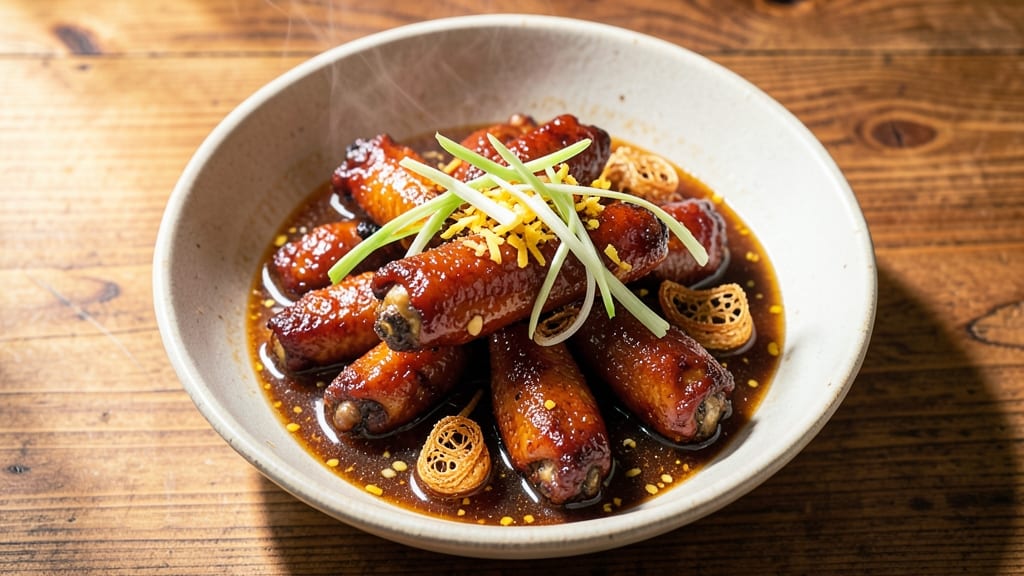
This sticky Asian chicken wings recipe delivers the kind of sauce that clings to every crispy bite, creating a perfect balance of sweet, savory, and umami flavors.
After testing countless variations, I've perfected a method that ensures the wings stay tender inside while developing a caramelized glaze outside—no soggy or dry results here. The secret lies in the marinade and a precise cooking technique that transforms ordinary wings into restaurant-worthy appetizers.
The process begins with a marinade that tenderizes the chicken while infusing it with aromatic flavors—ginger, garlic, and soy create the foundation, while honey and a touch of vinegar prepare the wings for that signature sticky glaze.
Whether you grill, bake, or air-fry, the key is controlling the heat to prevent burning while allowing the sauce to caramelize into a glossy finish. This isn't just another wing recipe; it's a foolproof method that delivers professional-quality results at home.
By the time you're done, you'll have wings that are crispy on the outside, tender inside, and coated in a sauce so rich it practically drips with every bite. The glaze should be glossy yet not overly sweet, with a perfect balance of tangy and savory notes.
Serve them with a cooling side like cucumber salad or classic coleslaw to cut through the richness, and prepare for compliments that'll have everyone asking for your recipe.
This recipe works equally well for game day, weeknight appetizers, or a special gathering—just scale the sauce accordingly. The beauty of this method is its versatility; you can adjust the heat level, add a splash of sriracha for spice, or keep it classic with just soy, honey, and garlic.
Let's get started on wings that'll have your guests reaching for seconds.
Ingredients for sticky asian chicken wings
Sixteen ingredients for wings that taste like they came from an Asian street cart.
| Ingredient | Amount | Notes |
|---|---|---|
| Chicken Wings 🍗 | 3 lb | Split into drumettes and flats |
| Extra-Virgin Olive Oil 🫒 | ¼ cup | For marinating and glazing |
| Soy Sauce 🍶 | ½ cup | Low-sodium preferred |
| Honey 🍯 | ⅓ cup | Wildflower preferred for depth |
| Rice Vinegar 🍶 | ¼ cup | White or seasoned |
| Fresh Ginger 🌿 | 2 tbsp | Finely grated, aromatic |
| Garlic Cloves 🧄 | 6 cloves | Minced, fresh preferred |
| Sesame Oil 🫒 | 1 tbsp | Toasted for aroma |
| Brown Sugar 🍚 | ¼ cup | Packed, light kind |
| Salt 🧂 | 1 ½ tsp | Kosher or sea salt |
| Black Pepper 🌶️ | 1 tsp | Freshly ground |
| Cornstarch 🌾 | 1 tbsp | For glaze thickening |
| Sesame Seeds 🌱 | 1 tbsp | Toasted for garnish |
The chicken wings should be fresh, never frozen, for the best texture—look for dry-packed, split wings at your butcher or the meat counter. Costco or Whole Foods often carry high-quality, pre-split wings that save time. For the soy sauce, Kikkoman or Lee Kum Kee are reliable choices, but any low-sodium option works. The honey should be wildflower or clover—avoid processed kinds that lack depth. Ginger and garlic are non-negotiable for that authentic flavor; organic versions from the produce section ensure maximum aroma. If you can't find fresh ginger, substitute 1 tbsp ground ginger, but it won't be as vibrant.
No sesame oil? Toasted peanut oil works in a pinch, though the flavor will differ slightly. Want extra stickiness? Add 1 tbsp maple syrup to the glaze. The cornstarch is key for that glossy finish—Diamond Crystal is the standard for thickening sauces. If you're short on time, pre-minced garlic and ginger from the refrigerated section are fine, but fresh is always better. The brown sugar should be light to avoid overpowering the sauce. For a spicier kick, add 1 tsp sriracha or ½ tsp chili flakes to the marinade.
Marinated wings keep for up to 24 hours in the fridge—this actually enhances flavor. The sauce can be made 3 days ahead and stored in an airtight container. For best results, reheat wings in a 350°F oven for 10-15 minutes to maintain crispiness. Garnish with toasted sesame seeds right before serving, as they lose crunch when stored. Leftovers? Freeze for up to 2 months—thaw overnight in the fridge before reheating.
Why You'll Love This Recipe
- Five-Ingredient Magic: I swear, this recipe’s secret weapon is how few things you actually need. Olive oil, soy sauce, honey—those are your flavor MVPs—plus vinegar to cut through the sweetness. No fancy marinades, no hidden spices, just wings that taste like they simmered all day.
- Sweet-Savory Balance: That honey-soy glaze? It’s the kind of addictive that makes you lick the pan. The rice vinegar keeps it from being cloying, and the olive oil gives it this gorgeous sheen. Crispy outside, sticky inside—it’s the best of both worlds, honestly.
- Game for Any Gathering: Between us, these wings work for everything. Weeknight dinner when you’re too tired to plan? Check. Potluck where you want to bring something crowd-pleasing? Double check. Even my picky teen devours them—no questions asked.
- Leftovers That Don’t Suck: I make a double batch on Sundays because the leftovers reheat like a dream. Toss them in a salad, wrap them in lettuce, or just eat them straight from the fridge. They stay sticky (in the good way) and taste just as good the second time around.
Step-by-step instructions for sticky Asian chicken wings
Here's the method for wings with a glossy, caramelized glaze that clings perfectly to every bite.
Marinate the Wings for Maximum Flavor
In a large bowl, combine the 3 lb chicken wings with the 0.25 cup extra-virgin olive oil, 0.5 cup soy sauce, 0.33 cup honey, 0.25 cup rice vinegar, 2 tbsp finely grated fresh ginger, 6 minced garlic cloves, 1 tbsp toasted sesame oil, 0.25 cup packed brown sugar, 1.5 tsp salt, and 1 tsp freshly ground black pepper. Toss everything together until the wings are thoroughly coated in the marinade.
Transfer the wings to a resealable plastic bag and seal tightly. Refrigerate for at least 4 hours, or preferably overnight. This extended marination allows the flavors to deeply penetrate the meat, ensuring each bite is packed with umami and sweetness. The acidity from the rice vinegar also helps tenderize the wings slightly for better texture.
Bake Until Cooked Through
Preheat your oven to 400°F. Arrange the marinated wings on two parchment-lined baking sheets, leaving about 1 inch of space between each wing. This spacing prevents steaming and promotes even browning. Bake for 35-40 minutes, turning the wings over halfway through, until they reach an internal temperature of 165°F and the skin begins to crisp.
Real talk: Don't skip the turning step. The marinade pools on the bottom side, and flipping ensures both sides develop that perfect golden crust. You'll know they're ready when the edges are golden brown and the juices run clear when you pierce the thickest part with a meat thermometer.
Create the Sticky Glaze
While the wings bake, prepare the glaze in a small saucepan. Combine the 0.33 cup honey remaining from the marinade with 1 tbsp cornstarch and whisk until smooth. Add 0.25 cup rice vinegar and bring to a gentle simmer over medium heat. Cook for 3-4 minutes, stirring constantly, until the mixture thickens to a glossy consistency that coats the back of a spoon.
The reason we use cornstarch here is to create that signature sticky texture without making the glaze too thin. You'll see it transform from a runny syrup to a thick, caramel-like sauce. If it thickens too quickly, add 1-2 teaspoons of water to loosen it slightly. Keep the glaze warm until ready to use.
Glaze and Finish the Wings
Transfer the baked wings to a serving platter. Immediately pour the warm glaze over them, coating each wing thoroughly. Return the platter to the oven and broil for 2-3 minutes, watching carefully to prevent burning. The high heat will create a beautiful caramelized finish while keeping the wings tender.
Here's the thing—this broiling step is where the magic happens. The residual heat from the oven combined with the broiler creates that perfect balance of sticky and crispy. You want the glaze to bubble slightly but not burn. If the glaze sets too quickly, brush on an additional thin layer after removing from the broiler.
Garnish and Serve Immediately
Remove the wings from the oven and sprinkle generously with 1 tbsp toasted sesame seeds. The seeds add a delightful crunch and visual contrast to the glossy glaze. Serve the wings immediately while the glaze is still warm and sticky, pairing with extra sauce on the side for dipping.
Each bite should deliver a perfect balance of sweet, savory, and umami flavors with that irresistible sticky texture. The wings should be tender yet hold their shape, with a crispy exterior that gives way to juicy meat. Don't wait to serve—the glaze will begin to set as it cools, so enjoy them while they're at their peak.
Pro Tips For Making Sticky Asian Chicken Wings
- CRISP FIRST, GLaze LATER: After searing the wings in olive oil until golden (about 8-10 minutes), pull them out and let them rest on a wire rack—not a plate. This keeps them crispy when you return them to the pan for the sticky glaze. I used to skip this, and the wings turned soggy once the sauce hit.
- SALT THE WINGS BEFORE SEARING: Generously season the wings with salt before you even think about oil—at least 15 minutes ahead. The salt draws out moisture, which crisps beautifully when hit with high heat. I learned this the hard way after bland, greasy wings that refused to brown.
- DILUTE THE GLaze GRADUALLY: Don’t dump all the soy sauce, honey, and rice vinegar at once—start with half, let it reduce by 2 minutes, then add the rest. This prevents a thin, watery glaze that clings like syrup. My first batch looked like a sad, sticky mess until I figured this out.
- USE RICE VINEGAR LAST: Add the rice vinegar only in the final 30 seconds of cooking—it cuts through the sweetness and brightens the sauce without turning it cloudy. I was skeptical until I tried it; now it’s non-negotiable for that perfect tangy finish.
Storing and reheating this dish
Refrigerator Storage
Store cooked wings in an airtight container with a paper towel pressed on top to absorb excess moisture. Keep them refrigerated for up to 3 days—the glaze will thicken slightly but remains delicious.
I like using glass Pyrex containers because they prevent odors from seeping in. Reheat in a 350°F oven for 10-15 minutes to restore crispiness. 🌡️
Freezer Preservation
For longer storage, freeze wings in a single layer on a tray before transferring to a freezer bag (remove excess air). They’ll keep for up to 2 months. Thaw overnight in the fridge before reheating.
When reheating from frozen, add 1-2 minutes to the oven time to ensure even warming. The glaze may separate slightly but can be restored by reheating with a splash of water.
Reheating Methods
For stovetop reheating, place wings in a skillet over medium heat with 1 tablespoon water or broth to prevent drying. Cover for 3-4 minutes, then uncover to crisp.
Microwave reheating works in 1-minute bursts on high, flipping between each interval. Always check the internal temperature—it should reach 165°F before serving. ✨
Glaze Refresh Tips
If the glaze looks dry after storage, revive it by simmering 1 tablespoon honey and 1 teaspoon cornstarch with 2 tablespoons water for 2 minutes. Brush this mixture over the wings before serving.
The original sauce’s flavor will return, and the wings will regain their sticky sheen. This trick works even for wings stored for a week!
Garnish Before Serving
Toast fresh sesame seeds in a dry pan for 30 seconds before sprinkling over reheated wings. This restores the crunch and aroma lost during storage. For extra flavor, drizzle with a mix of 1 teaspoon soy sauce and ½ teaspoon sesame oil.
The contrast of textures and flavors makes reheated wings taste almost as good as fresh. 💫
Portion Control
Divide wings into single-serving portions before freezing or refrigerating. This prevents overcrowding during reheating and ensures each serving gets even heat. I use parchment-lined muffin tins for individual portions—just pop them into the oven for quick, crispy results. Perfect for meal prep or game day leftovers! 🍗
Nutrition facts
Frequently asked questions
Can I make these sticky Asian wings without baking?
For a crispy result, try air-frying at 400°F for 18-20 minutes or grilling over medium-high heat for 10-12 minutes, turning occasionally. The key is maintaining high heat to caramelize the sauce while keeping the wings tender. For grilling, brush with extra glaze in the last 2 minutes for maximum stickiness.
Why is my glaze not sticking to the wings?
This usually happens when the wings cool too much before glazing or the sauce isn't thick enough. Always apply the warm glaze immediately after cooking, and ensure your sauce has reached that glossy, spoon-coating consistency. If it's too thin, simmer longer or add ½ teaspoon more cornstarch. Also, broil for just 1-2 minutes after glazing to set it properly.
How can I make these wings spicier?
Add 1-2 teaspoons of sriracha or ½ teaspoon chili flakes to the marinade for mild heat, or increase to 1 tablespoon sriracha and 1 teaspoon gochujang for a fiery kick. For extra spice, mix 1 teaspoon chili crisp into the glaze before applying. Balance with a pinch more honey if needed to maintain the sweet-savory profile.
Can I use chicken thighs instead of wings?
Yes, but adjust the cooking time to 45-50 minutes at 375°F since thighs are thicker. Cut them into bite-sized pieces and marinate for 6-8 hours for maximum tenderness. The glaze will still stick beautifully, though thighs may require 3-4 minutes extra broiling time to caramelize properly.
What's the best way to serve these sticky wings?
Pair them with cooling sides like cucumber salad, steamed jasmine rice, or pickled vegetables to balance the richness. For extra fun, serve with a side of sriracha mayo or wasabi aioli for dipping. The contrast of textures and temperatures makes every bite more satisfying!