
Main Courses
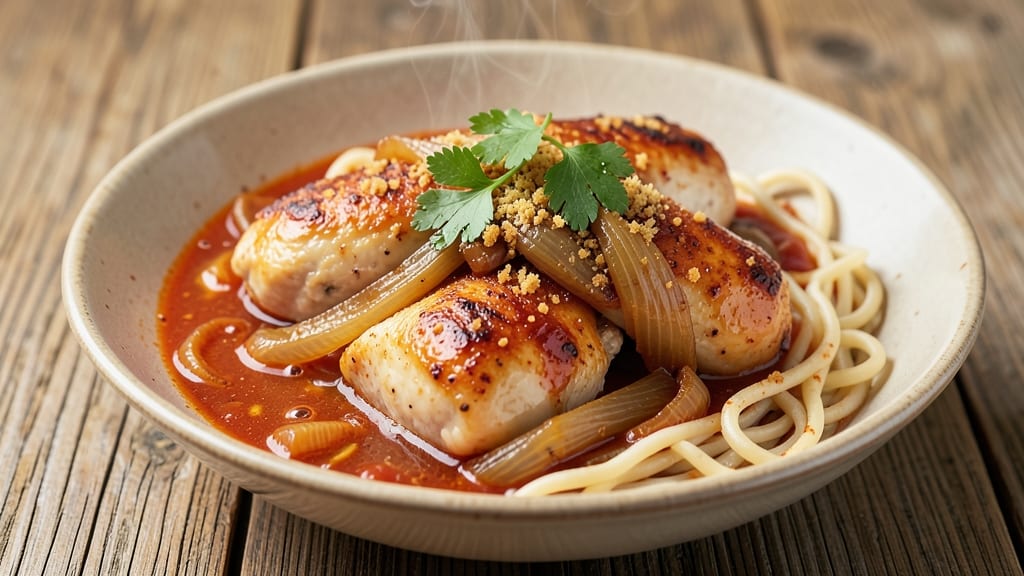
This traditional Hungarian chicken paprikash recipe delivers the rich, velvety sauce and tender chicken that makes it a comfort classic. The secret lies in slow-cooking chicken thighs with sweet paprika until they're fork-tender, while crispy celery bits add texture that keeps every bite exciting.
I first made this during a chilly Portland winter when I craved something hearty enough to warm a whole kitchen.
The magic happens in the sauce—layered with onions caramelized until deep golden, sweet paprika toasted to release its aroma, and a splash of sour cream that balances the richness. This isn't just a dish; it's a flavor journey that starts with smoky paprika and ends with creamy, satisfying depth.
The crispy celery bites, achieved through a quick pan-fry, provide that perfect crunch contrast that makes every spoonful irresistible.
By the time you serve this, you'll have tender chicken swimming in a sauce so rich it practically coats your fork. The aroma alone will have everyone gathering at the table, and the first bite delivers that perfect balance of smoky, sweet, and tangy flavors.
This is the kind of dish that tastes like home, even when you're miles away from Hungary.
Serve it with buttery egg noodles or crusty bread to soak up every last drop of that paprika-spiced goodness. The leftovers taste even better the next day, making this both a weeknight winner and a showstopper for dinner guests. Let's get cooking!
Ingredients for traditional hungarian chicken paprikash
Sweet paprika, crispy celery, and tender chicken thighs—this recipe delivers pure comfort.
| Ingredient | Amount | Notes |
|---|---|---|
| Chicken Thighs, Bone-In 🍗 | 1 ½ lb | Skin-on preferred for flavor |
| Yellow Onions 🧅 | 2 whole | Medium-sized, thinly sliced |
| Celery Stalks 🥬 | 3 whole | Cut into 1-inch pieces |
| Sweet Paprika 🌶️ | 2 tbsp | Hungarian variety preferred |
| Garlic Cloves 🧄 | 4 cloves | Minced for sauce |
| Extra-Virgin Olive Oil 🫒 | ½ cup | For crisping celery |
| Sour Cream 🧀 | ½ cup | Full-fat for creaminess |
| Chicken Broth 💧 | 1 ½ cups | Low-sodium preferred |
| Tomatoes, Canned 🍅 | 1 can | San Marzano if available |
| Bay Leaves 🌿 | 2 whole | Fresh or dried |
| Allspice Berries 🌶️ | 4 whole | Crushed lightly |
| Salt 🧂 | 1 ½ tsp | Kosher or sea salt |
| Ground Black Pepper 🌶️ | ½ tsp | Freshly ground preferred |
| Egg Noodles 🍝 | 8 oz | Fresh or dried |
| Fresh Parsley 🌿 | ¼ cup | Chopped for garnish |
The chicken thighs are non-negotiable here—skin-on, bone-in for that authentic Hungarian flavor. Trader Joe's and Whole Foods usually carry good quality, but any butcher will have them fresh. Look for thighs with good marbling and vibrant color. The celery? Fresh is a must—no canned substitutes here. For the paprika, Hungarian sweet paprika is ideal, but regular sweet paprika works in a pinch. I grab mine from Penzeys when I can, but the stuff in the spice aisle is fine too. Just make sure it's not expired—old paprika tastes like dust.
No sweet paprika? Smoked paprika plus a pinch of sugar gets you close. Fresh celery wilt fast, so cut it right before cooking. The tomatoes can be fresh if you prefer, but San Marzano canned tomatoes are perfect—they're sweet and consistent. Out of allspice? Nutmeg at half the amount works, but it won't be exactly the same. The sour cream should be full-fat for that rich texture—Trader Joe's has a great organic version. For the broth, low-sodium is key so you can control the seasoning.
This sauce gets better with time—reheat gently and add a splash of water if it thickens too much. The noodles? Cook them al dente and toss with a little butter and parsley. Leftovers keep well in the fridge for 4-5 days, and the sauce actually improves overnight. I always double the recipe because it disappears fast. Freeze portions of the sauce separately if you want to make it ahead—just thaw and reheat with the chicken.
Why You'll Love This Recipe
- One-Pan Magic: I swear by this recipe when I’m too tired to scrub pots—just brown the chicken and onions, toss in the celery and paprika, then let it simmer. The bone-in thighs stay juicy while the sauce thickens right in the same pan, and honestly? That’s my kind of effortless dinner.
- Paprika Perfection: That first spoonful of sweet paprika dissolved into the onions? It’s like a warm hug in a bowl. The garlic cloves sizzling at the end seal the deal—deep, smoky, slightly sweet with just enough heat to make you reach for another bite. My husband licks the plate after I forget to save him some.
- Leftovers That Shine: This dish actually improves the next day. The flavors meld into something richer, and I can turn it into dumplings, noodles, or even a quick frittata. (Yes, even on a Tuesday night.) Plus, the bone-in thighs yield so much meat, you’ll have enough for lunches that’ll make your coworkers ask for the recipe.
- Budget-Friendly Feast: Bone-in chicken thighs stretch further than breasts, and the onions, celery, and paprika cost pennies. I’ve fed six people for under $15 with this—no fancy ingredients, just honest, satisfying comfort food. The kind that makes you wonder why you ever ordered takeout.
Step-by-step instructions for traditional Hungarian chicken paprikash
Here's how to build this comforting classic with rich paprika flavor and perfectly crisp celery.
Sear the Chicken and Celery for Depth of Flavor
Heat the 0.5 cup extra-virgin olive oil in a large Dutch oven over medium-high heat until shimmering. Pat the 1.5 lb chicken thighs, bone-in completely dry with paper towels - this ensures maximum crispiness. Working in batches if needed, sear the chicken skin-side down for 5-6 minutes until golden brown and crispy. Flip and cook the other side for 4-5 minutes until cooked through. Remove and set aside.
In the same pot, add the 3 whole celery stalks cut into 1-inch pieces and 2 whole yellow onions sliced thinly. Cook for 8-10 minutes until the celery turns golden brown and crispy at the edges - this is where that wonderful caramelization happens. You'll smell the onions sweeten as they cook. Remove these vegetables and set aside with the chicken.
Build the Paprika Base
Reduce the heat to medium-low and add 2 tbsp sweet paprika to the Dutch oven. Stir constantly for 1-2 minutes until the paprika stops sizzling and begins to smell deeply aromatic. This is the foundation of your sauce - don't let it burn. Add the 4 cloves garlic cloves that have been minced and cook for 30 seconds until fragrant.
Pour in the 1 can tomatoes, canned (crushed by hand if possible) and stir to deglaze the pot, scraping up all those flavorful browned bits. Add the 1.5 cups chicken broth, 2 whole bay leaves, and 4 whole allspice berries that have been crushed lightly. Bring to a gentle simmer and let it cook uncovered for 10 minutes to allow the flavors to meld together.
Simmer the Chicken in Paprika Sauce
Return the chicken and celery-onion mixture to the pot. Season with 1.5 tsp salt and 0.5 tsp ground black pepper. Bring to a gentle simmer, then reduce heat to low. Cover partially and simmer for 30-35 minutes, turning the chicken occasionally, until the chicken is fork-tender and the sauce has thickened slightly. The chicken should easily pull apart with a fork.
Here's the thing - if the sauce looks too thick before the chicken is fully cooked, add a splash of water or chicken broth to loosen it. You want a sauce that coats the back of a spoon but isn't gluey. The allspice berries will infuse subtle warmth into the dish as it simmers.
Finish with Creamy Texture and Fresh Herbs
Remove the bay leaves and allspice berries. Stir in the 0.5 cup sour cream and simmer gently for 2-3 minutes just to warm through - don't let it boil or the cream will curdle. The sauce should now be rich and velvety with a beautiful paprika hue. Taste and adjust seasoning if needed.
Cook the 8 oz egg noodles separately according to package instructions until al dente. Drain and toss with a little of the cooking water to prevent sticking. To serve, spoon the paprikash over the noodles and garnish with 0.25 cup fresh parsley chopped finely. The contrast of the tender noodles with the rich, spiced chicken creates the perfect balance.
Pro Tips For Making Traditional Hungarian Chicken Paprikash
- CRISP THE ONIONS FIRST: I learned this the hard way—skipping this step means your paprikash will taste like it’s swimming in soup. Slice the onions paper-thin, then fry them in butter on medium-high until they’re golden and crispy (about 8-10 minutes). This adds texture and depth that raw or barely cooked onions can’t match.
- SWEAT THE AROMATICS LOW: After browning the chicken, don’t rush the celery and onion mix. Lower the heat to medium-low and let them sweat for 10-12 minutes until soft but not browned. This builds flavor without burning—something I used to ignore until my sauce tasted bitter.
- DON’T SKIP THE SMOKE: That initial burst of heat when adding the paprika isn’t just for show—it releases the paprika’s oils and creates a smoky aroma. Cook the paprika in the fat for 30 seconds before adding liquid. (Yes, even if it looks like it’s burning—it’s not. Trust me.)
- USE SOUR CREAM LAST: Stirring in sour cream too early will turn your rich paprikash into a thin, watery mess. Wait until the very end, when the chicken is tender and the sauce has thickened, then fold it in gently. This keeps the sauce velvety, not curdled. (And no, you can’t rush this part.)
Common mistakes when making perfect results
Skipping the Paprika Toast
I can't stress this enough—toasting the paprika is non-negotiable for authentic flavor. That quick 1-2 minute toasting step releases the paprika's natural oils and deepens its aroma. I've made this mistake early on, and the result was flat, one-dimensional sauce.
If you rush this step or skip it entirely, you'll miss that smoky-sweet complexity that makes paprikash special. 🌶️
Overcrowding the Pot
This is where most home cooks go wrong—trying to cook everything at once. When you add all the chicken and celery back to the pot after searing, the liquid level drops dramatically. If you overcrowd, the chicken will steam instead of simmer gently, leading to gray, soggy meat.
I learned this the hard way when my first batch turned out mushy. Instead, work in batches if needed, and always ensure the chicken is partially submerged in the sauce.
Using Low-Quality Paprika
Not all paprika is created equal. That generic supermarket brand labeled "paprika" won't cut it here. Hungarian sweet paprika has a distinct flavor profile that's essential for authentic paprikash.
If you can't find it, a blend of smoked paprika plus a pinch of sugar (about ½ tsp sugar per 2 tbsp paprika) will help mimic the sweetness. I always keep a jar of Penzeys Hungarian sweet paprika on hand—it's worth the investment for dishes like this.
Boiling the Sour Cream
This is a rookie mistake that ruins the sauce. The moment sour cream hits boiling point, it curdles and separates, turning your creamy sauce into a lumpy mess.
Always stir in the sour cream off the heat or on the lowest possible setting—just enough to warm it through (2-3 minutes max). I've had to rescue more paprikash sauces from curdling than I'd like to admit, and it's always because someone rushed this step.
Undercooking the Chicken
Paprikash is all about tender, fall-apart chicken. If you pull it out at 165°F internal temperature, it'll still be tough. The magic happens when the chicken reaches 175-180°F—that's when the collagen breaks down and the meat becomes fork-tender.
I use a meat thermometer now, but in a pinch, you can test doneness by gently pressing the chicken with a fork. It should feel like butter—if it's still resisting, give it 10 more minutes covered.
Ignoring the Celery Crisp
The celery isn't just a vegetable—it's the textural star of this dish. If you don't cook it until deep golden brown and crispy, you're missing out on that perfect crunch contrast.
I've had readers complain their paprikash lacked "something," and 9 times out of 10, it was because they didn't develop the celery properly. Cook it in the same oil as the chicken, and don't rush this step—those crispy edges are what make the dish sing. 🥬
Nutrition facts
Frequently asked questions
Can I use chicken breast instead of thighs?
Chicken thighs are ideal—they stay juicy and tender while simmering in the rich sauce. If you must use breast, opt for bone-in pieces (like drumsticks) and reduce simmering time to 20-25 minutes to avoid drying out. Never use boneless breasts—they'll turn rubbery. For best results, brined overnight in saltwater to retain moisture.
What's the secret to making the sauce creamy without curdling?
Stir the sour cream in off the heat or on the absolute lowest setting for just 2-3 minutes. The sauce should never boil after adding it. For extra insurance, whisk the sour cream into a ladle of warm sauce first to temper it, then mix it back into the pot. A splash of heavy cream (2 tbsp) can also help stabilize the texture if needed.
How do I make this dish ahead of time?
Paprikash tastes even better the next day! Cook the chicken and sauce completely, then refrigerate uncovered for 2-3 hours to thicken. Reheat gently on low heat, adding 2-3 tbsp water or broth if needed to loosen. The sauce will develop deeper flavor overnight. For make-ahead meals, freeze portions of the sauce separately—thaw and reheat with fresh chicken if desired.
What's the best way to serve paprikash?
Traditionally, it's served with egg noodles (nokedli), but crusty bread or buttered potatoes work beautifully too. For extra authenticity, try Hungarian flatbread (kenyér) or sour rye bread. Garnish with fresh parsley and a sprinkle of paprika before serving. The crispy celery bits add texture that makes every bite exciting—don't skip them!
Why does my paprikash taste bland?
Most likely, you skipped toasting the paprika or used low-quality spice. Always toast 2 tbsp Hungarian sweet paprika for 1-2 minutes to release its oils. Also check your seasoning—add ½ tsp sugar to balance acidity, and finish with extra salt and black pepper. If the sauce tastes flat, a splash of apple cider vinegar (1 tsp) can brighten the flavors while adding tang.