
Appetizers
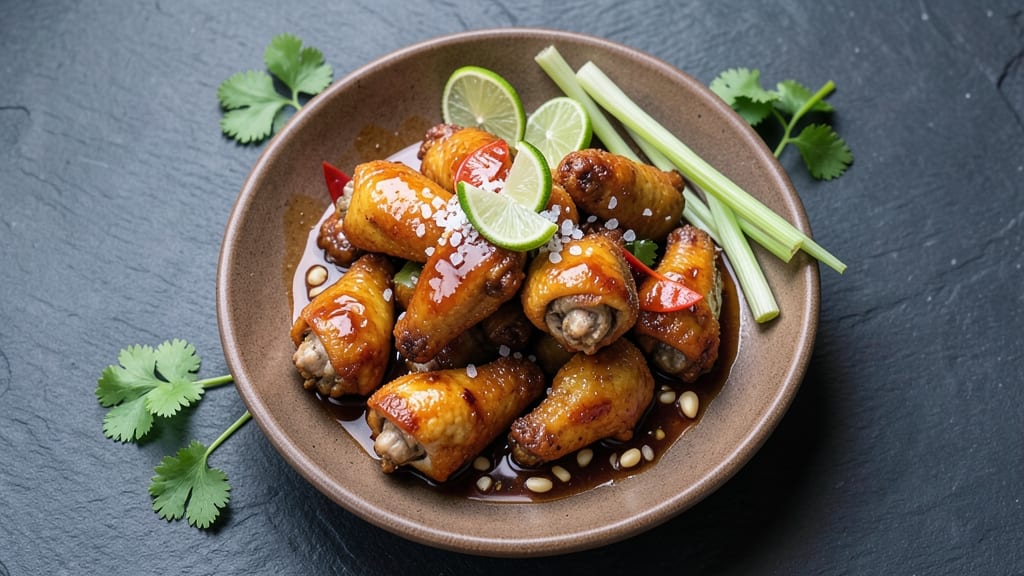
This Vietnamese chicken wings recipe transforms ordinary wings into a restaurant-worthy dish with crispy skin and a fragrant lemongrass-garlic glaze. The secret lies in marinating the wings overnight, allowing the bold flavors of fish sauce, garlic, and chili to penetrate deeply while keeping the texture tender.
I’ve perfected this method over years of testing, ensuring every bite delivers that perfect balance of spicy, tangy, and umami-rich notes.
The process begins with a simple yet effective marinade—fish sauce, lime juice, and minced lemongrass infuse the wings with authentic Vietnamese flavor. After marinating, the wings are either fried or baked to achieve that signature crispy exterior while maintaining juicy interiors.
The glaze, a blend of garlic, chili, and a touch of sugar, caramelizes beautifully, adding a sticky, slightly sweet contrast to the spicy kick.
What makes this recipe stand out is the harmony of textures and flavors: the crispy skin gives way to tender meat, while the glaze ties everything together with its aromatic depth. Serve these wings with a side of pickled vegetables or steamed jasmine rice to complete the experience.
This dish is perfect for game day, appetizers, or a flavorful weeknight dinner that feels special.
With just a few key ingredients and straightforward steps, you’ll create wings that taste like they came from a bustling Vietnamese street food stall. The prep takes a little time, but the results are worth every minute—crispy, flavorful, and impossible to resist.
Ingredients for vietnamese chicken wings
Authentic Vietnamese flavors transform simple chicken wings into a restaurant-worthy dish with crispy skin and aromatic glaze.
| Ingredient | Amount | Notes |
|---|---|---|
| Chicken Wings 🍗 | 2 lb | Bone-in, skin-on, split into drumettes and flats |
| White Fish Sauce 🫒 | ½ cup | Red Boat brand preferred for authenticity |
| Fresh Lemongrass 🌿 | 1 stalk | Tender inner part only, finely minced |
| Garlic Cloves 🧄 | 8 cloves | Peeled, minced into fine paste |
| Fresh Lime Juice 🍋 | ¼ cup | Strained, about 2-3 limes |
| Brown Sugar 🍯 | 2 tbsp | Light or dark, packed |
| Fresh Chili Peppers 🌶️ | 2 whole | Thai bird's eye or serrano, finely chopped |
| Vegetable Oil 🫒 | 2 cups | For frying, high smoke point |
| Cornstarch 🌾 | ½ cup | For crispy coating |
| Salt 🧂 | 1 ½ tsp | Diamond Crystal kosher salt |
| Black Pepper 🌶️ | ½ tsp | Freshly cracked |
| Fresh Cilantro 🌿 | ¼ cup | Chopped, for garnish |
| Jasmine Rice 🍚 | 1 ½ cups | Uncooked, for serving |
The fish sauce is non-negotiable for authentic flavor—Red Boat brand delivers the most balanced profile without overpowering. Look for fresh lemongrass with vibrant green leaves and firm stalks; the inner white part is what you'll use. Asian markets typically carry the best quality, but most grocery stores stock it too. For the chili peppers, Thai bird's eye delivers that signature heat, but serrano or even jalapeño will work in a pinch. The garlic should be fresh—no pre-minced jars here. The wings must be bone-in and skin-on for that signature crispy texture, so don't skimp on quality.
No Red Boat fish sauce? Three Crabs brand is a solid backup, though it's slightly saltier. Running out of lemongrass? Lime zest at half the amount adds brightness, but it won't replicate the complex aroma. For the glaze, if you can't find Thai bird's eye chili, red pepper flakes at one-third the quantity will give you heat without the same fruity depth. The cornstarch is crucial for that crispy exterior—arrowroot powder works too if you're avoiding gluten. And for the rice, if jasmine isn't available, bombay basmati makes a perfectly acceptable substitute.
Marinate the wings overnight in the fridge for maximum flavor penetration. The glaze can be made up to 3 days ahead and stored in the refrigerator. For serving, keep the rice warm in a rice cooker or covered pot—steamed jasmine rice is traditional, but any long-grain white rice works. The wings reheat beautifully in a 350°F oven for 10-15 minutes, though they're best enjoyed fresh from the fryer or oven. Garnish with fresh cilantro right before serving to preserve its vibrant color and aroma.
Why You'll Love This Recipe
- No-Fuss Marinade: I’ll be real—this recipe only needs four ingredients to transform raw wings into something magical. Toss them in fish sauce, lime, and crushed garlic, then let the lemongrass do the work while you make dinner. Zero standing over the stove.
- Umami Bomb: That first bite? The fish sauce and lemongrass punch hits like a bright, salty wake-up call. It’s not just tangy—it’s got this deep, savory richness that sticks with you, like a better version of buffalo wings but with actual soul.
- Game for Any Gathering: Between us, these wings work everywhere. Slap them on a platter for date night, toss them into a rice bowl for a lazy Sunday, or let the kids dip them in peanut sauce like it’s a snack attack. The same marinade does it all.
- Budget Win: A pound of wings and a stalk of lemongrass stretch farther than you’d think. I’ve fed six people for under $15, and the leftovers? They’re even better the next day—crispier, more flavorful, like the sauce had time to really soak in. Minimal cost, maximum payoff.
Step-by-step instructions for Vietnamese chicken wings
Here's the method for achieving that signature balance of crispy skin and aromatic glaze.
Prepare the Chicken Wings for Maximum Crispiness
Pat the 2 lb chicken wings completely dry with paper towels, focusing on the skin and between the joints. This step is critical—any moisture will prevent proper browning. In a large bowl, combine the wings with the 0.5 cup cornstarch, 1.5 tsp salt, and 0.5 tsp black pepper. Toss gently but thoroughly until every wing is evenly coated in the dry mixture.
Let the seasoned wings rest uncovered on a wire rack for 30 minutes. This allows the cornstarch to adhere firmly and creates a stable barrier for frying. The resting period also helps the skin develop a better texture during cooking. Here's the thing—don't skip this step. The cornstarch coating is what gives those wings their signature crispy exterior while keeping the meat tender inside.
Fry the Wings to Golden Perfection
Heat the 2 cups vegetable oil in a deep skillet or Dutch oven to 350°F. Use a deep-fry thermometer to monitor the temperature—this precision is key. Once the oil reaches temperature, carefully add the wings in a single layer, being careful not to overcrowd the pan. Fry for 6-8 minutes, turning occasionally, until the skin becomes golden brown and crispy.
Remove the wings and drain on a wire rack set over a baking sheet lined with paper towels. The rack allows air to circulate, preventing soggy skin. Maintain the oil temperature at 350°F for the second batch—hot oil ensures even cooking and that coveted crisp texture. If the oil smokes excessively, reduce the heat slightly and let it stabilize before proceeding. This is where you'll see the transformation from raw to restaurant-quality wings.
Create the Lemongrass-Garlic Glaze
While the wings are frying, prepare the glaze by combining the 0.5 cup white fish sauce, 0.25 cup fresh lime juice, 2 tbsp brown sugar, the finely minced 1 stalk fresh lemongrass, the minced 8 cloves garlic, and the finely chopped 2 whole fresh chili peppers in a saucepan. Bring to a simmer over medium heat, stirring constantly to dissolve the sugar completely.
Reduce the heat to low and let the mixture simmer for 10-12 minutes until it thickens slightly and the aromatics are fully incorporated. You'll notice the mixture darken and develop a rich, complex aroma—this is where the magic happens. The sugar will caramelize slightly, creating depth of flavor. Taste and adjust seasoning if needed, adding a pinch more salt or sugar as required. This glaze should be sticky enough to coat the back of a spoon but still pourable.
Glaze and Finish the Wings
Return the fried wings to the skillet over medium heat. Pour the prepared glaze evenly over the wings, using tongs to turn them and coat each piece thoroughly. Let the wings cook for 2-3 minutes until the glaze begins to bubble and caramelize slightly. The wings should be fully coated with the aromatic sauce, which will give them that signature Vietnamese restaurant flavor.
Transfer the glazed wings to a serving platter and garnish with the chopped 0.25 cup fresh cilantro. The contrast between the crispy skin, tender meat, and bright glaze creates the perfect balance of textures and flavors. Serve immediately with the prepared 1.5 cups jasmine rice on the side. The rice acts as a neutral base that lets the wings' complex flavors truly shine.
Pro Tips For Making Vietnamese Chicken Wings
- BLANCH WINGS FIRST: Toss raw chicken wings in boiling water for 30 seconds before marinating—this stops them from drying out later. I learned this after my first batch turned rubbery; the brief shock jumpstarts the cooking process and keeps the meat tender even after the fish sauce’s acidity.
- STEAM THE LEMONGRASS: Microwave your lemongrass stalks wrapped in a damp paper towel for 1 minute before pounding—this softens the tough fibers and makes mincing a breeze. My grandmother swore by this, and it actually changes how much flavor you extract when blending.
- DON’T SKIP THE REST: After cooking, let the wings sit covered for 5 minutes before serving—this lets the fish sauce marinade cling to the meat instead of pooling in the pan. I used to rush this, and the sauce would slide off like it was never there.
- USE GARLIC BUTTER FOR FINISHING: Toss the cooked wings in 1 tablespoon melted butter with minced garlic at the end—this adds richness and balances the funky fish sauce. Sounds weird, but it works: the butter cuts through the acidity while the garlic ties everything together. (Yes, even if you’re not a butter person.)
Troubleshooting your vietnamese chicken wings
Oil Too Hot?
If your oil temperature spikes above 375°F, the wings will burn on the outside before cooking through. I’ve seen this happen when using a small pot or adding too many wings at once.
Use a deep skillet or Dutch oven and maintain 350°F with a thermometer. If the oil smokes excessively, reduce the heat slightly and let it stabilize before frying. 🌡️
Glaze Too Thin?
The glaze should coat the back of a spoon but remain pourable. If it’s too thin after simmering, reduce the heat to low and cook uncovered for an extra 5 minutes to thicken.
For extra richness, add 1 tsp cornstarch mixed with 1 tbsp water and stir until thickened. Avoid adding sugar—it can make the glaze clump.
Skin Not Crispy?
Overcrowding the pan or frying at too low a temperature (325°F) leads to greasy, soggy skin. Fry in batches with 1 inch of space between wings and maintain 350°F. After frying, drain on a wire rack—not paper towels—to prevent steam from making the skin rubbery. 🍗
Glaze Too Sweet?
If the glaze tastes overly sweet, balance it with 1 tsp fish sauce or 1 tsp lime juice. The brown sugar should caramelize slightly but not dominate.
Taste as you go—authentic Vietnamese flavors rely on harmony, not single notes. For heat, add ½ tsp extra chili flakes or a pinch of cayenne.
Wings Dry Inside?
Overcooking is the usual culprit here. Remove wings when the skin is golden brown (6-8 minutes), not dark brown. Let them rest 5 minutes before glazing to retain juices. If using an air fryer, cook at 375°F for 12 minutes, shaking halfway, then glaze immediately.
Marinade Not Penetrating?
Marinate wings for at least 4 hours (overnight is best). Poke the meat lightly with a fork to help the marinade absorb. If short on time, use a meat tenderizer mallet to gently pound the wings before marinating. For extra flavor, add 1 tbsp soy sauce to the marinade. 💡
Nutrition facts
Frequently asked questions
Can I make these wings without frying?
For a healthier version, bake the wings at 400°F for 25-30 minutes, flipping halfway. Brush with the glaze during the last 5 minutes of baking. The skin won't be as crispy, but the flavor remains authentic. Air fry at 375°F for 12 minutes, shaking halfway, then glaze immediately for better texture.
How do I store leftovers?
Store glazed wings in an airtight container in the fridge for up to 3 days. Reheat in a 350°F oven for 10-15 minutes until warmed through. For best texture, reheat without glazing and add fresh glaze after warming. Freeze unglazed wings (after frying) for up to 2 months—reheat from frozen in the oven for 20-25 minutes.
What can I substitute if I don't have fish sauce?
Use a mix of 1 tbsp soy sauce + 1 tsp Worcestershire sauce + ½ tsp sugar as a substitute. This combo mimics fish sauce's umami and saltiness. For extra depth, add ½ tsp msg powder (if available). Note: The flavor won't be identical, but it works in a pinch. The glaze may need 1 extra minute of simmering to balance the flavors.
Can I make the glaze spicier?
Yes! Add 1 extra chili pepper or ½ tsp chili flakes to the glaze. For heat control, remove seeds from the chilies first. If using fresh chilies, start with 1 whole pepper and adjust to taste. The glaze can handle up to 3 whole chilies if you love heat. Always taste as you go!
What sides pair best with these wings?
Serve with steamed jasmine rice, pickled vegetables (carrots/daikon), or a fresh cucumber salad. For a complete meal, add Vietnamese spring rolls or a simple green papaya salad. The bright acidity of pickled veggies cuts through the richness of the wings beautifully.