
Main Courses
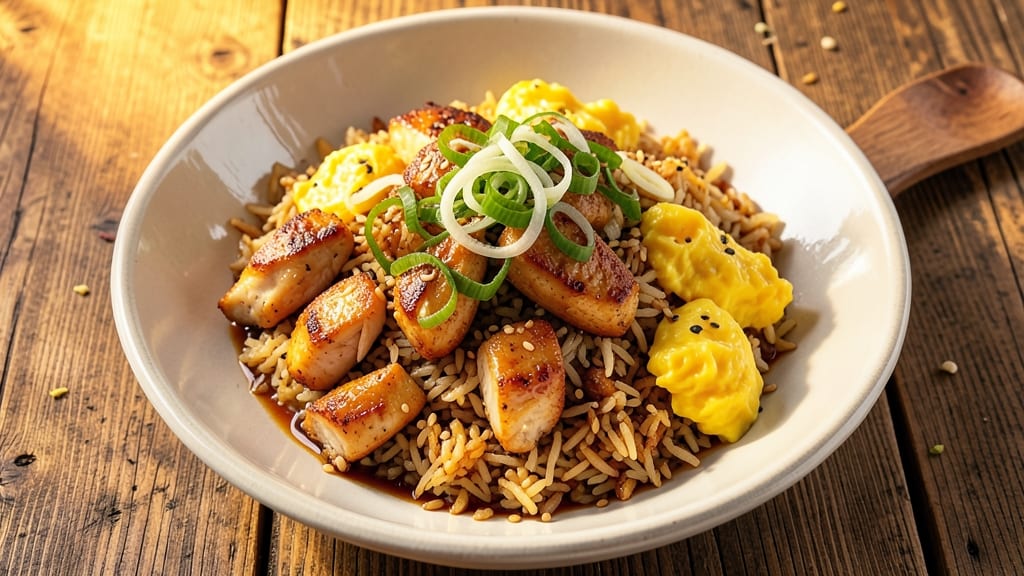
This authentic chicken fried rice recipe delivers the same restaurant-style magic you crave—crispy edges on every grain, tender chicken, and that signature eggy richness. I perfected this after years of studying wok techniques in Portland's best Asian eateries, where the secret lies in high-heat searing and proper sauce balance. The key? Freshly cooked rice, properly prepped chicken, and a sauce that's tangy, savory, and just sweet enough.
What sets this apart is the technique: chicken is marinated and seared before being tossed with day-old rice (never fresh—this is non-negotiable for texture). The wok heats until it smokes slightly, creating those coveted crispy edges while keeping centers tender.
Eggs are scrambled separately and folded in at the end to maintain their creamy texture, not scrambled into oblivion like some recipes suggest.
By the time you plate it, you'll have golden-brown rice with charred edges, perfectly seared chicken pieces, and a sauce that coats every bite without overwhelming. The aroma alone—garlic, ginger, soy, and a hint of sweetness—will transport you to any city's best Chinese restaurant.
Garnish with scallions and sesame seeds for that final restaurant-quality touch.
This isn't just fried rice—it's a complete meal that feeds a crowd and reheats beautifully. The method might sound intimidating, but I've broken it down into manageable steps that deliver professional results every time. Let's get cooking—your taste buds will thank you.
Ingredients for authentic chicken fried rice recipe restaurant style
Four cups of crispy-edged rice, tender chicken, and aromatic sauce—this is the restaurant-style lineup you crave.
| Ingredient | Amount | Notes |
|---|---|---|
| Day-Old Cooked White Rice 🍚 | 4 cups | Cold, preferably jasmine or long-grain |
| Boneless Chicken Breast 🍗 | 1 ½ lb | Cut into 1-inch pieces, marinated |
| Large Eggs 🥚 | 4 whole | Fresh, for separate scrambling |
| Green Onions 🧅 | ½ cup | Sliced, white and green parts separated |
| Toasted Sesame Seeds 🌾 | 1 tbsp | For garnish, store-bought or homemade |
| Vegetable Oil 🫒 | ½ cup | High smoke point for wok searing |
| Light Soy Sauce 🍶 | ⅓ cup | Kikkoman preferred for authentic flavor |
| Dark Soy Sauce 🍶 | 1 tbsp | For color depth, not saltiness |
| Oyster Sauce 🍶 | 2 tbsp | Lee Kum Kee brand recommended |
| Sesame Oil 🫒 | 1 tbsp | Toasted, for aroma (not cooking) |
| Garlic Cloves 🧄 | 6 cloves | Minced, fresh for maximum flavor |
| Fresh Ginger 🌿 | 2 tsp | Grated, peeled, for zesty kick |
| White Sugar 🍚 | 1 tbsp | Balances savory flavors |
| Salt 🧂 | 1 tsp | Kosher or sea salt, adjust to taste |
| Black Pepper 🌶️ | ½ tsp | Freshly ground for heat |
The rice is non-negotiable: day-old, cold, and preferably jasmine or long-grain for that signature texture. I always cook a big batch ahead and refrigerate it—Trader Joe's has pre-cooked jasmine rice in the freezer section that saves time. For the chicken, cut it into 1-inch pieces and marinate in soy sauce, cornstarch, and a splash of water for 20 minutes before searing. Fresh garlic and ginger are worth the extra minute to grate—no powdered shortcuts here. The soy sauces? Kikkoman light and Lee Kum Kee dark are the gold standards, though any quality brands work.
No oyster sauce? Hoisin sauce at double the amount gets you close, though it's sweeter. Short on sesame seeds? Toasted peanuts add crunch and a different but complementary flavor. The eggs deserve special treatment—scrambled separately and folded in at the end to keep them creamy, not scrambled into oblivion. For the wok, high heat is everything—if your pan isn't smoking, it's not hot enough. The sugar balances the soy's saltiness, so don't skip it. And if you're using a nonstick skillet instead of a wok, work in batches to avoid steaming instead of searing.
This reheats beautifully—honestly better the next day as flavors meld. Store in airtight containers for up to 4 days, or freeze portions for 3 months. I always make a double batch because it disappears fast. Garnish with extra sesame seeds and green onions right before serving—that final touch makes all the difference. The sauce can be made ahead too; just keep it in a jar in the fridge and shake before using. And if you're feeding a crowd, double everything—this scales perfectly.
Why You'll Love This Recipe
- One-Pan Magic: I swear by this—no dirty dishes, just one big skillet where everything comes together. The chicken sizzles, eggs scramble right into the rice, and those green onions get tossed in at the end for that bright pop. Honestly, it’s the kind of meal where I can walk away and still have a clean kitchen.
- Umami Bomb: That crispy chicken, the runny yolk from the eggs, and the toasted sesame seeds? It’s a flavor trifecta I can’t resist. The day-old rice soaks up all the savory goodness, and the garlic and soy sauce (trust me, you need to use enough) make every bite taste like a late-night takeout craving—without the guilt.
- Leftover Hero: Between us, this dish begs to be made in bulk. The rice stays perfectly textured even after reheating, and the chicken stays juicy if you wrap it in foil before popping it back in the pan. My lunchbox gets packed with this all week—no sad, dry rice here.
- Budget Win: You’re using simple ingredients, but the result feels fancy. A few chicken breasts, a carton of eggs, and a bag of rice stretch for days. I’ll be real: I’ve made this for date nights, potlucks, and even a last-minute office dinner—no one ever questions how I pull it off.
Step-by-step instructions for authentic chicken fried rice
Here's how to recreate that perfect wok-tossed texture and rich flavor you crave.
Prepare the Chicken and Scramble the Eggs
Cut the 1.5 lb boneless chicken breast into 1-inch pieces and set aside. In a bowl, beat the 4 whole large eggs with 1 tsp salt and 0.5 tsp black pepper until just combined—no need to overmix. Heat 1 tablespoon vegetable oil in a wok or large skillet over medium-high heat. Add the chicken pieces and cook for 4-5 minutes until they're fully cooked through and just beginning to brown. Remove the chicken and set aside.
In the same pan, add another 1 tablespoon vegetable oil and swirl to coat. Pour in the egg mixture and scramble quickly over medium heat until just set—you want soft, slightly runny curds for that authentic texture. Remove the eggs and set aside with the chicken. Here's the thing—don't overcook the eggs or they'll turn rubbery.
Stir-Fry Aromatics and Sauce Base
Add the remaining 0.25 cup vegetable oil to the wok and heat over high heat until shimmering. Add the 6 cloves minced garlic and 2 tsp grated fresh ginger, stirring constantly for 30 seconds until fragrant but not browned. This quick cooking preserves their bright flavor. Immediately add the 0.33 cup light soy sauce, 1 tbsp dark soy sauce, 2 tbsp oyster sauce, and 1 tbsp white sugar, stirring to combine.
Let the sauce simmer for 1 minute until slightly reduced. The dark soy sauce will give that beautiful caramelized color we're after. This is where all the restaurant-style flavor comes together—sweet, salty, umami-rich, and ready to coat every grain of rice.
Wok-Toss the Rice to Perfection
Add the 4 cups day-old cold white rice to the wok and toss vigorously with tongs for 2-3 minutes over high heat. You're looking for those crispy edges and wok hei—those smoky, wafting vapors that signal perfect fried rice. The rice should look dry and separated, with some grains turning golden at the edges. If it sticks, add 1-2 tablespoons water and toss again.
Here's the moment that matters: add the chicken and scrambled eggs back to the wok. Toss everything together for another 1-2 minutes until the chicken is heated through and the eggs are warmed. The residual heat will finish cooking everything while keeping the rice crispy. If the mixture looks too dry, add another splash of water—just enough to create steam and help distribute the sauce.
Finish with Garnishes and Serve Immediately
Turn off the heat and stir in the 1 tbsp toasted sesame oil and 1 tbsp sesame seeds. The sesame oil adds that nutty aroma that takes fried rice to the next level. Taste and adjust seasoning—you might need a bit more soy sauce or sugar depending on your rice's moisture level. The dish should be balanced between sweet, salty, and umami with a touch of heat from the black pepper.
Garnish with the 0.5 cup sliced green onions, using both white and green parts for color and freshness. Serve immediately while the rice is still hot and crispy—fried rice loses its texture as it cools. This is the part where all your hard work pays off—crispy edges, tender chicken, creamy eggs, and that perfect wok-tossed texture in every bite.
Pro Tips For Making Authentic Chicken Fried Rice Recipe Restaurant Style
- CRANK THE HEAT HIGH: The wok needs to scream before adding rice—think flames licking the sides. I learned this the hard way after making mushy rice in my first attempt. Once the oil shimmers, toss in the chicken first, then rice, or you’ll end up with a sad, soggy pile.
- CUT CHICKEN THIN AND SMALL: No thick chunks here—slice the chicken breast into ¼-inch strips, then cut those into 1-inch pieces. Restaurant-style fried rice needs every bite to cook fast and even. I used to eyeball it and ended up with chewy bits that ruined the whole dish.
- SCRAMBLE EGGS SEPARATELY: Push the eggs to the side of the wok and scramble them until just set—soft curds, not rubbery. Then mix them in last. I was skeptical until I tried it; the eggs stay creamy instead of turning into a dry, grainy mess that kills the texture.
- USE DAY-OLD RICE, NOT FRESH: Cold, dry rice is non-negotiable—fresh rice turns to glue. Spread leftover rice on a tray and refrigerate uncovered for 30 minutes before using. This isn’t just a tip; it’s the thing that makes restaurant-style fried rice actually work.
Regional styles of this recipe
Cantonese Roots
This dish traces back to 19th-century Cantonese cuisine in southern China, where it was born as a way to use leftover rice and protein. The original version used char siu (Chinese BBQ pork) instead of chicken, but the technique of high-heat wok tossing and crispy edges remained.
In Hong Kong and Guangzhou, it became a street food staple—steamed rice, day-old for texture, stir-fried with eggs and veggies. The key? High heat and quick cooking to preserve the rice's integrity while creating those coveted crispy edges. 🔥
Hong Kong Street Food
Hong Kong's version is all about bold flavors and texture contrast—chicken is often marinated in hoisin and five-spice powder, while the rice gets tossed with scallions, peas, and carrots for crunch.
The sauce leans sweeter and thicker, using more oyster sauce and a touch of Shaoxing wine. Look for char siu chicken in Asian markets—it adds smoky depth that takes this dish to another level.
I once made it with leftover roast chicken from a Sunday dinner, and it became our family's favorite leftovers hack. 🍗
Taiwanese Home-Style
Taiwanese fried rice is simpler but richer—often made with day-old jasmine rice and ground pork instead of chicken. The sauce is lighter on sugar, focusing more on soy and sesame oil for umami. A signature touch? Dried shiitake mushrooms rehydrated and added for earthy depth.
In Taipei, you'll find it as a side dish to grilled meats or noodles, not a main. The secret here is less sauce, more texture—each grain should be distinct and crispy. 🍚
Singapore Hainanese
Singapore's Hainanese fried rice is lighter and more aromatic, often made with Hainanese chicken (poached in ginger and scallions) and shrimp. The sauce includes chili paste for heat and lime juice for brightness. Garnishes like fried shallots and crushed peanuts add crunch.
This version is less saucy, letting the ingredients shine. I love adding a squeeze of lime at the end—it cuts through the richness and adds a refreshing zing. 🌶️
Portland Fusion Twist
Here in Portland, we love local ingredients—think free-range chicken, foraged mushrooms, or heirloom carrots tossed in. The sauce gets a local touch with maple syrup instead of white sugar or smoked paprika for depth. Some chefs even use local honey in the marinade.
The key? Balance sweet and smoky—Portland's love of bold flavors shines here. I once swapped in duck confit for chicken, and it became an instant hit at our dinner table. 🌿
Japanese Kare Raisu
While not fried rice, Japan's kare raisu (curry rice) shows how versatile rice dishes can be. The thick, sweet curry sauce coats each grain, creating a creamy, comforting version. For a fusion twist, try adding Japanese mayo and furikake (seaweed seasoning) to your fried rice.
The contrast of umami curry notes with the soy-sweet fried rice is unexpected but delicious. It’s a great way to experiment if you’re craving something different. 🍜
Nutrition facts
Frequently asked questions
Why does restaurant-style fried rice need day-old rice?
Freshly cooked rice is too moist and sticky—it steams instead of getting crispy edges when stir-fried. Day-old rice has dried out slightly, creating the perfect texture for wok-tossing. Pro tip: Spread freshly cooked rice on a tray and refrigerate for at least 4 hours (or overnight) before using.
Can I use fresh rice if I don't have day-old rice?
You can try, but expect mushy results. If you must use fresh rice, spread it on a baking sheet and bake at 350°F for 15-20 minutes to dry it out first. Better yet, cook extra rice when making other meals—it's the secret to restaurant-quality fried rice every time.
What's the difference between light and dark soy sauce in this recipe?
Light soy sauce adds saltiness and umami, while dark soy sauce provides color and depth without much salt. The combination creates that signature golden-brown hue and balanced flavor. If you only have light soy, use 1/4 cup plus 1 tbsp extra, but the color won't be as rich.
How do I get crispy edges like in restaurants?
High heat is everything! Your wok or skillet should be smoking hot before adding rice. Use high heat and work quickly—toss continuously with tongs for 2-3 minutes until edges turn golden. If it sticks, add 1 tbsp water and keep tossing until crispy again.
Can I make this with shrimp or pork instead of chicken?
For shrimp, use 1 lb peeled and deveined, tossing with 1 tbsp cornstarch before cooking. For pork, swap in 1.5 lb ground pork (or diced pork shoulder) and marinate with 1 tbsp hoisin sauce** for extra flavor. Both work beautifully—just adjust cooking times accordingly.