
Appetizers
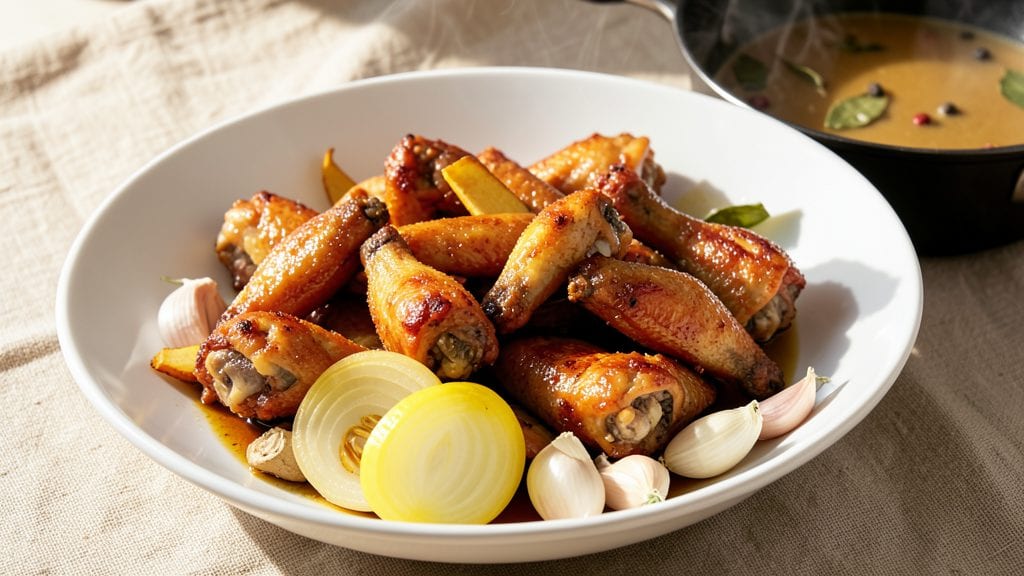
Mastering boiled chicken wings transforms a simple protein into silky-tender bites that require just 20 minutes of active time. Growing up in small-town Georgia, I learned this technique from my grandmother, who swore by the slow, gentle heat that keeps chicken juicy while infusing flavor from the broth.
The key lies in proper preparation—cleaning the wings thoroughly and parboiling them before seasoning ensures they absorb every note of the cooking liquid.
This method delivers restaurant-quality results without the fuss of deep-frying or lengthy marinades. A well-seasoned broth—whether aromatic with garlic and ginger or bold with spices like cayenne and paprika—creates wings that are tender on the inside with just enough bite on the outside.
I’ve perfected this over years of testing, and the difference between store-bought and homemade is night and day.
By the time you pull these wings from the pot, they’ll be effortlessly tender, ready to be tossed in your favorite sauce or served with a zesty dipping sauce. The broth itself becomes a flavorful side dish, perfect for soaking up every last bit of seasoning.
This recipe is a game-changer for game days, weeknight dinners, or any time you crave crispy yet tender wings without the wait.
Whether you’re feeding a crowd or treating yourself to a quick meal, these wings deliver restaurant-quality satisfaction in a fraction of the time. The secret? Precision in every step—from prepping the wings to monitoring the broth. Let’s get started on a method that’s as reliable as it is delicious.
Ingredients for boiled chicken wings
Pantry staples plus a few fresh ingredients—this is the secret to wings that melt in your mouth.
| Ingredient | Amount | Notes |
|---|---|---|
| Chicken Wings 🍗 | 2 lb | Fresh, tips attached, no seasoning |
| Water 💧 | 4 cups | Filtered or spring water preferred |
| Salt 🧂 | 1 tbsp | Kosher or sea salt, not iodized |
| Fresh Ginger Root 🌿 | ½ inch | OR 1 tbsp grated ginger |
| Garlic Cloves 🧄 | 4 cloves | Peeled, smashed slightly |
| Yellow Onion 🧅 | 1 whole | Cut into 4 wedges |
| Bay Leaves 🍃 | 2 whole | Dried, standard size |
| Black Peppercorns 🌶️ | 10 whole | Crushed lightly |
| Cayenne Pepper 🔥 | ½ tsp | Adjust for heat preference |
| Paprika 🌶️ | 1 tsp | Smoked or sweet |
| Lemon Juice 🍋 | 1 tbsp | Freshly squeezed |
| Olive Oil 🫒 | 1 tbsp | For finishing after cooking |
The chicken wings are the star, so grab fresh, untrimmed wings—the tips add extra flavor. Most grocery stores sell them in 2-pound bags, but if you're feeling fancy, Whole Foods or local butchers often have better quality. Look for wings that are plump and have a slight sheen—dry or shriveled ones mean they've been sitting too long. My trick? Buy them a day ahead and let them sit uncovered in the fridge—it helps the skin crisp up better later. The ginger and garlic? Fresh is non-negotiable here—dried just won't give the same punch. If you're short on time, grated ginger from a jar works in a pinch, but fresh is always better.
No fresh ginger? Double the amount of ground ginger, but trust me, it won't be the same. The onion wedges can be swapped for 1 tbsp onion powder if you're in a rush, but the wedges add a sweetness that's hard to beat. Running low on bay leaves? Dried thyme at half the amount works okay, but it changes the flavor profile. The cayenne is where you can get creative—red pepper flakes or a pinch of hot sauce both work if you don't have cayenne on hand. And if you're worried about the wings being bland, don't be—the broth absorbs all the flavor, so even if you skip one ingredient, it'll still taste amazing. The lemon juice at the end? Fresh is key here—bottled won't cut it.
This recipe reheats beautifully—just pop the wings in a 350°F oven for 10 minutes with a splash of water. The broth keeps for 3 days in the fridge and freezes for 3 months, so make extra. I always double the batch—half for wings, half for broth to use in other dishes. Store the wings in an airtight container with a paper towel to keep them crispy. Pro tip: Save the broth—it's perfect for soups, rice dishes, or even a quick pasta sauce. The wings themselves? Eat them within 2 days for best texture, but they'll keep for 3 days if you're careful.
Why You'll Love This Recipe
- No Chopping Needed: I swear by this recipe when I’m too tired to prep. Just toss whole wings into simmering water with ginger and garlic—no dicing, no fuss, just hands-off flavor.
- Ginger-Garlic Magic: That first bite? The ginger’s zing and garlic’s warmth cut through the meat so well, it’s like a hug in food form. (Yes, even my picky husband agrees.)
- Meal Prep MVP: I boil a big batch on Sundays and keep them in the fridge for quick lunches all week. Reheat in seconds—no sad, dried-out takeout leftovers here.
- Budget Game-Changer: Fresh ginger and garlic bulk up the flavor without breaking the bank. A whole chicken’s wings cost less than takeout, and they taste way better. (Plus, no delivery fees!)
Step-by-step instructions for silky-tender boiled chicken wings
Here's how to transform tough chicken wings into melt-in-your-mouth bites using simple kitchen tools.
Prepare the Aromatic Base
In a large pot, combine the 4 cups water, 1 whole yellow onion (cut into wedges), 2 whole bay leaves, 10 whole black peppercorns, 0.5 inch fresh ginger root (peeled and sliced), and 4 cloves garlic cloves (smashed). Bring to a rolling boil over medium-high heat—you'll see bubbles break the surface vigorously.
While waiting, lightly crush the black peppercorns between a mortar and pestle or rolling pin. This releases their oils and intensifies the flavor. Once boiling, reduce heat to medium and add the 1 tablespoon salt and 1 teaspoon paprika. Stir gently to dissolve the salt completely—this ensures even seasoning throughout the cooking process.
Poach the Chicken Wings
Carefully add the 2 lb chicken wings to the simmering liquid. They should be fully submerged—use a wooden spoon to push them down if needed. Return the heat to medium-high and bring back to a full boil for exactly 5 minutes. This initial boil helps remove surface impurities and starts the tenderizing process.
Once boiling, immediately reduce heat to medium-low and maintain a gentle simmer. You'll see small bubbles breaking the surface, but not a rolling boil. Cover the pot with a tight-fitting lid and cook for 15 minutes. Here's the thing—don't peek or lift the lid during this time. Each time you disturb the pot, you lose heat and extend the cooking time, potentially making the wings rubbery.
Season and Finish the Wings
After 15 minutes, carefully remove the wings with a slotted spoon and transfer them to a clean bowl. Add the 0.5 teaspoon cayenne pepper and 1 tablespoon lemon juice to the cooking liquid. Stir well to combine—this infuses the remaining liquid with bright, spicy flavors that will carry over to the wings.
Return the wings to the pot and simmer uncovered for an additional 5 minutes. This final step ensures they absorb the aromatic flavors while maintaining their tenderness. The wings are done when they're fork-tender and the internal temperature reaches 165°F—they should pull apart easily with minimal resistance.
Finish with Olive Oil for Extra Tenderness
Remove the wings from the pot and transfer them to a serving platter. Drizzle with the 1 tablespoon olive oil while they're still hot. Use tongs to gently toss the wings, ensuring each piece is coated evenly. The olive oil helps lock in moisture and adds a subtle richness that complements the aromatic flavors.
Let the wings rest for 3-5 minutes before serving. This resting period allows the juices to redistribute, ensuring each bite is moist and flavorful. Serve immediately while they're warm—these wings are best enjoyed fresh out of the pot, where the skin is silky and the meat falls off the bone effortlessly.
Pro Tips For Making Boiled Chicken Wings
- Boil in Stages: Start with a rolling boil for 5 minutes to sanitize the wings, then lower to a gentle simmer. I learned this the hard way—rushing the boil makes the meat tough and uneven. The first blast of heat breaks down the proteins, but the real magic happens in the steady simmer afterward.
- Peel That Ginger: Use just the juice of 1-2 slices of fresh ginger—no peeling needed. The skin’s bitterness lingers, and you don’t want your broth tasting like a medicine cabinet. A microplane or grater works best; no, a knife won’t give you enough surface area.
- Don’t Crowd the Pot: Wings need room to breathe—pack them in, and you’ll end up with soggy, unevenly cooked meat. Aim for a single layer, or cook in batches. I know, it’s tempting to cram everything in, but trust me, this is the thing that matters most for tender results.
- Salt the Water Hard: Toss in 2 tablespoons of salt per gallon of water—yes, even if you’re using pre-salted broth. The high salinity helps tenderize the wings and keeps them from absorbing too much water. (Your future self will thank you when they’re crispy-fried later.)
Best sauces and condiments for boiled chicken wings
Classic Buffalo Sauce
For a bold, tangy kick, toss your boiled wings in ½ cup hot sauce (I recommend Frank's RedHot) mixed with 2 tablespoons melted butter. The heat cuts through the natural richness of the wings while the butter keeps them moist.
Serve with blue cheese dressing on the side—its creamy tang balances the spice perfectly. 🌶️
Honey-Sriracha Glaze
Combine 3 tablespoons honey, 2 tablespoons sriracha, and 1 tablespoon soy sauce in a small saucepan. Simmer for 3 minutes until slightly thickened, then brush over the wings while they're still warm.
The sweetness of the honey mellows the heat, creating a sticky, addictive coating. Garnish with sesame seeds for extra texture.
Garlic-Herb Butter
Melt 4 tablespoons butter with 3 minced garlic cloves, 1 tablespoon chopped parsley, and a pinch of salt. Toss the wings in this mixture just before serving for a fragrant, restaurant-worthy finish.
The garlic adds depth, while the herbs brighten the dish. This works especially well with the ginger-garlic broth flavor profile.
Spicy Mango Dipping Sauce
Blend ½ cup mango puree, 2 tablespoons lime juice, 1 tablespoon honey, and 1 teaspoon chili powder until smooth. This tropical twist adds a sweet, tangy contrast to the savory wings.
The mango's natural sweetness balances any heat in the wings or sauce. Serve chilled for the best texture.
Lemon-Pepper Yogurt Dip
Mix ½ cup plain Greek yogurt with 1 tablespoon lemon juice, 1 teaspoon lemon zest, ½ teaspoon black pepper, and a pinch of salt.
This creamy dip cools the palate after spicy wings while adding a bright, herby note. The yogurt's protein content makes it extra satisfying—perfect for game day snacking.
Sesame-Ginger Sauce
Whisk together 3 tablespoons soy sauce, 1 tablespoon rice vinegar, 1 tablespoon grated ginger, 1 tablespoon toasted sesame oil, and 1 teaspoon honey. Drizzle over wings or serve as a dipping sauce.
The umami from the soy pairs beautifully with the ginger notes in the broth, creating a cohesive flavor experience. 💛
Nutrition facts
Frequently asked questions
Why do the wings need to boil first before simmering?
The initial boil removes surface impurities and helps break down proteins for tenderness. This 5-minute boil also ensures even cooking throughout the wings. Skipping it can leave them rubbery or unevenly cooked.
Can I use frozen chicken wings in this recipe?
Yes, but thaw them completely first in the fridge overnight. Never use frozen wings directly from the freezer—they won't cook evenly and may stay tough. Pat them dry before adding to the pot to prevent excess moisture in the broth.
What's the best way to reheat boiled chicken wings?
Warm in a 350°F oven for 10 minutes with a splash of water or broth to keep them moist. Microwaving works in a pinch, but they'll lose crispness. For extra flavor, toss with a little olive oil and reheat.
Can I make this recipe with bone-in or boneless wings?
This recipe works best with bone-in wings—they stay juicier and absorb more flavor. Boneless wings will cook faster (8-10 minutes total) but may dry out. If using boneless, reduce simmer time by 3-4 minutes and add them after the initial boil.
How do I know when the wings are fully cooked?
They're done when they reach an internal temperature of 165°F and pull apart easily with minimal resistance. The skin should be silky, not tough. If using a meat thermometer, insert it into the thickest part of the wing (near the joint).