
Main Courses
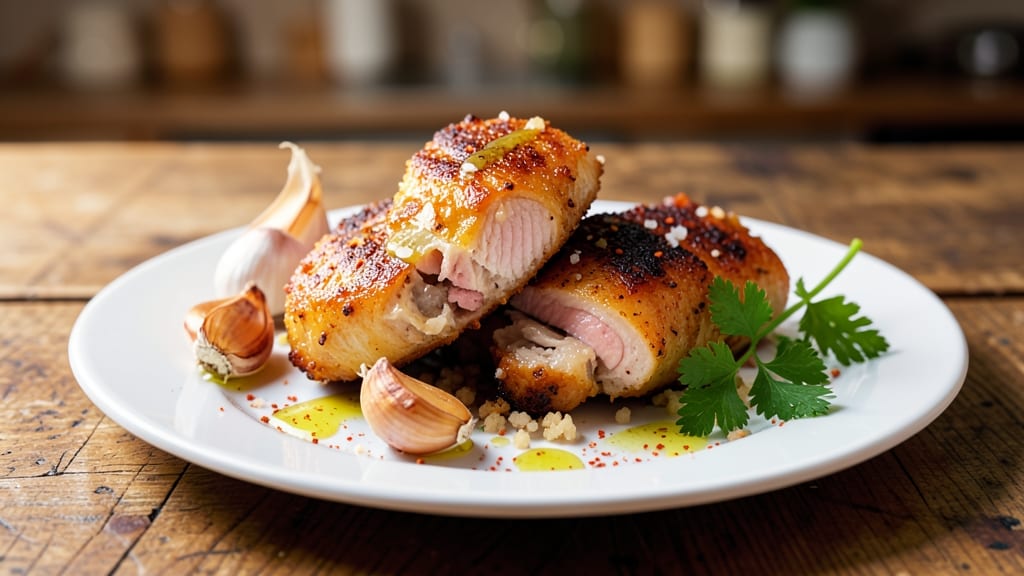
This chicken gizzard recipe transforms game-day leftovers into crispy-skinned, juicy bites that pack serious umami flavor—something I perfected after years of testing how to elevate these often-overlooked poultry parts. The key lies in proper preparation: removing the tough membrane and sinew first, then searing them until golden and tender inside.
I learned this technique while helping my grandmother prep Sunday roasts, where we’d always save the gizzards for a special treat.
What makes this recipe stand out is the balance between crispy exterior and moist interior, achieved through a simple marinade of garlic, paprika, and lemon juice. Unlike other methods that rely on long braising, this pan-frying approach delivers restaurant-quality results in just 20 minutes.
The secret? Cooking them in batches so they don’t steam instead of sear—something I discovered after burning my first attempt years ago.
By the time you’re done, you’ll have bites that are rich, savory, and satisfying—far from the gamey reputation gizzards often get.
Serve them with a bright lemon aioli or tangy chimichurri to cut through the richness, and you’ve got a main course that feels special without requiring hours in the kitchen. This is the kind of dish that turns weeknight dinners into memorable meals.
Pair these crispy gizzards with roasted potatoes or a simple green salad for a complete meal. The leftovers reheat beautifully too, making this a practical yet impressive recipe for any occasion. Let’s get cooking!
Ingredients for chicken gizzard
Game-day leftovers meet restaurant-quality bites—just 13 ingredients for crispy, juicy gizzards that pack serious umami flavor.
| Ingredient | Amount | Notes |
|---|---|---|
| Chicken Gizzards 🍗 | 1 ½ lb | Cleaned, membrane removed |
| Garlic Cloves 🧄 | 6 cloves | Minced for marinade |
| Sweet Paprika 🌶️ | 2 tbsp | Smoked works too |
| Lemon Juice 🍋 | ¼ cup | Freshly squeezed |
| Olive Oil 🫒 | ½ cup | For searing |
| Salt 🧂 | 1 ½ tsp | Kosher or sea salt |
| Black Pepper 🌶️ | 1 tsp | Freshly ground |
| Russet Potatoes 🥔 | 1 ½ lb | Cut into wedges |
| Fresh Parsley 🌿 | ¼ cup | Chopped for garnish |
| Butter 🧈 | 2 tbsp | Unsalted, for basting |
| Onion Powder 🧅 | 1 tsp | For extra depth |
| Ground Cumin 🌿 | ½ tsp | Toasted for warmth |
| Fresh Thyme Leaves 🌿 | ½ tsp | Or 0.17 tsp dried |
The gizzards are the star, so don’t skip the prep. Look for fresh gizzards at your butcher or grocery store’s meat counter—they should be bright red and plump, not gray or slimy. Costco or Whole Foods usually carry them, and I always grab extra since they’re so versatile. Cleaning them takes a little elbow grease—remove the membrane and sinew first, then rinse well. If you’re nervous about handling them, wear gloves. The key to juicy bites is not overcrowding the pan, so spread them out even if it means two batches.
No paprika? Smoked paprika or even a pinch of cayenne works in a pinch, but the sweet kind gives that classic umami kick. Short on fresh thyme? Dried works at one-third the amount, but fresh has way more flavor. The potatoes can be any starchy variety—Yukon Golds or fingerlings if you’ve got them. For the marinade, I like to let the gizzards soak for at least 30 minutes, but up to 2 hours if you’ve got time. Don’t skip the lemon juice—it cuts through the richness and keeps the color bright. If you’re feeling fancy, add a splash of white wine or apple cider vinegar to the marinade.
These reheat like a dream—just pop them in a 350°F oven for 10 minutes until crispy again. Store leftovers in the fridge for 3 days or freeze for up to 3 months (they’re great for game day leftovers too). I always make a double batch because they disappear fast. The potatoes? Roast them ahead and keep warm in the oven—they’ll stay crispy while the gizzards cook. Garnish with fresh parsley right before serving, or save it for later since it wilts fast.
Why You'll Love This Recipe
- One-Pan Magic: I swear by this recipe because it’s literally three ingredients plus heat—no chopping, no fussing. Toss the gizzards in olive oil, paprika, and minced garlic, then let the oven do the work while I sip my coffee.
- Garlic-Paprika Bomb: That sweet paprika and raw garlic combo? It’s ridiculous good—smoky, bright, and with just enough tang from the lemon to cut through the richness. The kind of flavor that makes you want to eat it straight from the pan.
- Meal Prep MVP: Between us, this is my secret weapon for batch cooking. The leftovers reheat beautifully, and the flavors only get better the next day—perfect for lunches or when I’m too tired to cook.
- Budget Game-Changer: Gizzards are dirt cheap compared to chicken thighs, but they pack serious protein. A pound feeds four, and the cost? Less than half of what you’d pay for store-bought wings. No excuses not to make it.
Step-by-step instructions for crispy-skinned, juicy chicken gizzards
Here's how to transform tough gizzards into irresistible, golden bites with a tender interior.
Prepare the Gizzards for Maximum Flavor
Begin by rinsing the 1.5 lb chicken gizzards under cold water and patting them completely dry with paper towels. This step is crucial—any moisture left on the surface will prevent that perfect crispy crust we're after. Using a sharp knife, trim off any remaining membrane or connective tissue, being careful not to cut into the meat itself.
In a medium bowl, combine the 6 cloves minced garlic, 2 tbsp sweet paprika, 1.5 tsp salt, 1 tsp black pepper, 1 tsp onion powder, and 0.5 tsp ground cumin. Add the gizzards to the bowl and toss them gently to coat evenly in the spice mixture. Let them marinate for at least 30 minutes at room temperature—this allows the flavors to penetrate deeply and the spices to adhere properly. I like to press the spices directly onto the gizzards for extra flavor infusion.
Sear for Crispy Skin and Tender Meat
Heat 0.25 cup olive oil in a large skillet over medium-high heat until it shimmers but doesn't smoke. Add the gizzards in a single layer, being careful not to overcrowd the pan. Cook for 4-5 minutes per side, pressing down gently with a spatula during the first minute—this prevents curling and ensures even contact with the pan.
You'll know they're ready to flip when the edges turn golden brown and the meat releases easily from the pan. The internal temperature should reach 160°F when measured with an instant-read thermometer. Transfer the gizzards to a plate and tent loosely with foil to keep them warm while you prepare the potatoes. Don't skip this resting step—it allows the juices to redistribute for maximum tenderness.
Roast Potatoes for Crispy Wedges
While the gizzards rest, cut the 1.5 lb russet potatoes into 1-inch wedges and toss them in a large bowl with the remaining 0.25 cup olive oil, 0.5 tsp salt, and 0.5 tsp fresh thyme leaves. Spread the potato wedges evenly on a large baking sheet lined with parchment paper, leaving space between each piece for even browning.
Preheat your oven to 425°F. Roast the potatoes for 25-30 minutes, stirring once halfway through, until they're golden brown and crispy on the edges. The wedges should be tender when pierced with a fork but still hold their shape. Remove from the oven and sprinkle with the 0.25 cup chopped fresh parsley while they're still hot—this adds a bright finish that cuts through the richness of the gizzards.
Finish with Lemon and Butter for Bright Flavor
Return the gizzards to the same skillet over medium heat. Add the 2 tbsp butter and 0.25 cup lemon juice, then spoon any accumulated juices from the plate over the gizzards. Cook for an additional 2-3 minutes, basting frequently with the pan juices, until the butter melts and the gizzards glisten with a glossy sheen.
Here's the thing—this final basting step is what transforms good gizzards into exceptional ones. The lemon juice brightens the rich, umami flavors while the butter adds a luxurious finish. Serve the gizzards immediately over the crispy potato wedges, garnished with additional chopped parsley if desired. Each bite should deliver that perfect combination of crispy skin, juicy interior, and bold seasoning we promised.
Pro Tips For Making Chicken Gizzard
- BLANCH FIRST: Drop gizzards in boiling water for 3 minutes before cooking—this loosens the gristle and cuts down on chewiness. I learned this the hard way after serving rubbery gizzards to guests who still talk about it (not in a good way).
- CRUSH GARLIC HARD: Mince garlic into a paste with a pinch of salt—it dissolves faster and coats the gizzards better than whole cloves. Whole cloves just sit there like stubborn little rocks while the gizzards brown.
- LOW AND SLOW: After searing, finish cooking gizzards at 325°F (165°C) for 20-25 minutes—this breaks down connective tissue without drying them out. High heat after searing turns them tough as leather.
- ACID LAST: Add lemon juice only at the very end—it brightens the dish but can make paprika lose its color if tossed in too early. Save it for the final splash, like a finishing salt.
Pro cooking tips for chicken gizzard
Prep Like a Pro
Start by trimming the membrane—this is the secret to tender gizzards. Use a sharp knife to slice along the seam and peel it away like you're opening a package. I always rinse them thoroughly after, even though it seems tedious.
The membrane can be bitter, and removing it completely changes the texture. Pat them bone-dry with paper towels before seasoning—this ensures maximum crispiness when searing. 🔪
For the marinade, I like to toast the spices first—just dry-toast the paprika and cumin in a small pan for 1 minute until fragrant. This deepens their flavor and makes the marinade taste more complex.
Add the lemon juice last, as it can break down the spices if mixed too early. Let the gizzards marinate for at least 30 minutes, but I often do it overnight for even more flavor infusion.
Searing Secrets
Use a heavy-bottomed skillet like a Lodge cast iron or All-Clad stainless steel—these distribute heat evenly and prevent hot spots that can burn your gizzards. Heat the oil until it's shimmering but not smoking—this is the sweet spot for a perfect sear.
I use a meat thermometer to check the oil's temperature, aiming for 350°F. If you don’t have one, watch for small bubbles forming around the gizzards when you add them.
Don’t overcrowd the pan! Cook in single layers and work in batches if needed. Crowding steams the gizzards instead of searing them, leading to soggy results. Press down gently with a spatula during the first minute of cooking to prevent curling.
This ensures even contact with the pan and helps render the fat for extra flavor. 🍳
Potato Perfection
Cut the potatoes into even 1-inch wedges for consistent cooking. Toss them in oil and seasonings, then spread them on the baking sheet in a single layer. If you’re short on time, parboil them for 5 minutes before roasting to speed up the process.
This trick ensures they’re tender inside while still getting crispy on the outside. I like to roast them at 425°F—hotter temps give that perfect golden crust.
For extra crispiness, broil the potatoes for the last 2 minutes of cooking. Keep a close eye on them to avoid burning. The high heat caramelizes the sugars, giving them that irresistible crunch.
Sprinkle with fresh parsley right after roasting while they’re still piping hot—this adds a bright pop of color and freshness that balances the rich gizzards. 🥔
Finishing Touches
The lemon butter basting is where the magic happens. Use unsalted butter so you can control the seasoning, and add the lemon juice just before serving to keep it bright. Baste the gizzards for 2-3 minutes until they glisten—this adds a luxurious finish that makes them feel restaurant-quality.
If you’re serving a crowd, keep the gizzards warm in a 200°F oven while you finish the sides.
Garnish with extra parsley or a sprinkle of flaky sea salt right before serving. The salt enhances the flavors and adds a sophisticated touch. I always serve these with a cool, tangy chimichurri or a creamy garlic aioli on the side to cut through the richness.
The contrast makes every bite even more delicious. 💫
Nutrition facts
Frequently asked questions
Why do I need to remove the membrane from chicken gizzards?
The membrane is tough and bitter, which can ruin the texture and flavor of your dish. Removing it creates a more tender, uniform bite. This step is especially important for crispy-skinned recipes like this one, where you want every bite to be perfect.
Can I cook chicken gizzards from frozen?
It's best to thaw them first for even cooking, but if you're short on time, pat them completely dry and sear them in batches. Frozen gizzards may release moisture, making it harder to achieve crispy skin. For best results, thaw overnight in the fridge.
What if my gizzards turn out tough instead of juicy?
Overcooking is the most common cause. Use a meat thermometer and remove them at 160°F internal temperature. Also, ensure you're not overcrowding the pan during searing. The resting period (tenting with foil) is crucial—it lets juices redistribute. Never skip this step!
How can I make these gizzards extra crispy?
Pat them bone-dry before cooking and use a heavy skillet like cast iron. Cook in batches without overcrowding, and press down gently with a spatula during the first minute. For even more crunch, broil them for 1-2 minutes at the end. The secret is high heat and patience!
Are chicken gizzards healthy?
They're lean, packed with protein, and rich in iron and B vitamins. A 3-ounce serving provides about 160 calories and 20g protein. The key is proper preparation—this recipe avoids heavy breading, keeping them a nutritious choice. Perfect for a protein-rich meal!