
Sauces & Condiments
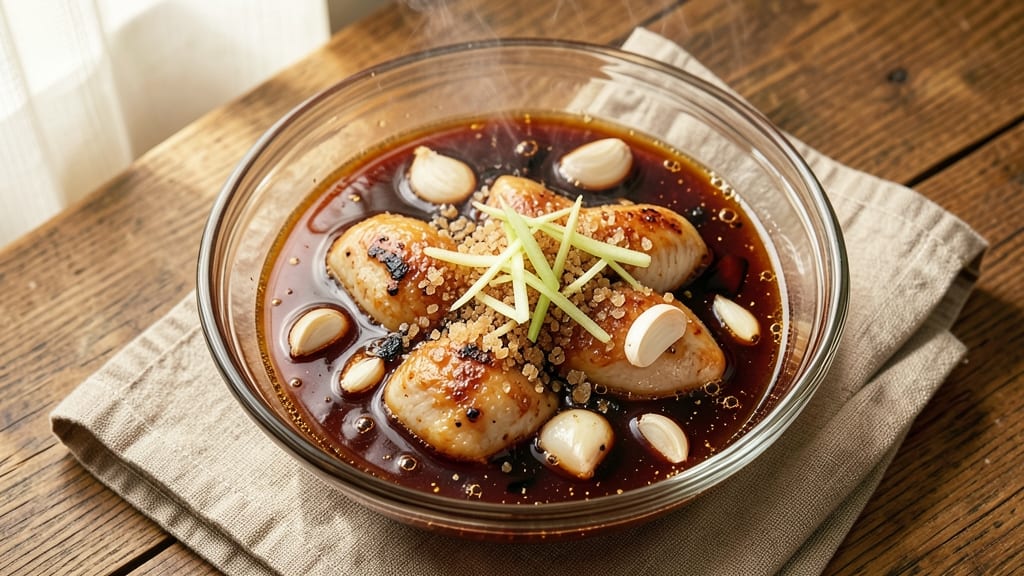
Transforming chicken heart marinade from gamey to irresistibly rich starts with this precise blend of acids, aromatics, and umami builders. The key lies in balancing vinegar and soy sauce to tenderize while building layers of savory depth—think caramelized edges and tender centers after just 24 hours of marinating.
I developed this after years of working with offal, where the right ratios make all the difference between tough, metallic bites and melt-in-your-mouth perfection.
This marinade relies on simple ingredients you likely already have: apple cider vinegar for brightness, soy sauce for umami, garlic for punch, and a touch of brown sugar to caramelize during cooking. The secret weapon?
A splash of Worcestershire sauce, which adds fermented depth that cuts through any lingering gameiness. Unlike store-bought marinades, this one transforms texture as much as flavor—chicken hearts emerge juicy and rich, not chewy or dry.
Mix everything in a bowl, then let the chicken hearts soak for at least 24 hours (longer if possible) to break down connective tissue and absorb maximum flavor. The marinade itself doubles as a cooking liquid—simmer it down into a glossy glaze for extra richness.
Store leftovers in the fridge for up to 5 days, though I’ve never had any last that long.
This isn’t just a marinade—it’s a flavor reset for chicken hearts, turning them into a showstopper for braises, grills, or even crispy fried appetizers.
The umami punch makes them versatile enough for weeknight dinners or special occasions, proving gamey cuts can be the star of the plate with the right technique.
Ingredients for chicken heart marinade
Simple ingredients that transform gamey chicken hearts into umami-rich perfection.
| Ingredient | Amount | Notes |
|---|---|---|
| Apple Cider Vinegar 🍏 | ½ cup | Bragg or organic preferred |
| Soy Sauce 🍜 | ⅓ cup | Kikkoman or tamari for gluten-free |
| Worcestershire Sauce 🍶 | 2 tbsp | Lea & Perrins recommended |
| Light Brown Sugar 🍚 | ¼ cup | Packed, for caramelization |
| Garlic Cloves 🧄 | 6 cloves | Peeled, smashed for infusion |
| Fresh Ginger 🌿 | 2 tbsp | Finely grated, zesty variety |
| Olive Oil 🫒 | ¼ cup | Extra-virgin for richness |
| Smoked Paprika 🌶️ | 1 tbsp | For subtle smokiness |
| Ground Black Pepper 🌶️ | 1 tsp | Freshly cracked preferred |
| Sea Salt 🧂 | 1 tsp | Diamond Crystal preferred |
The vinegar and soy sauce are non-negotiable—they create the acid-umami balance that tenderizes while building depth. Bragg apple cider vinegar has a cleaner taste than generic brands, and Kikkoman soy sauce delivers consistent umami. Fresh ginger is key here; organic ginger from the produce section has more zing than the pre-grated kind. The Worcestershire sauce is the secret weapon—it adds fermented complexity that cuts through any lingering gameiness. For the brown sugar, light variety dissolves better than dark, but use what you have. Garlic should be peeled and smashed (not minced) to infuse flavor without turning to mush.
No apple cider vinegar? White vinegar or rice vinegar works in a pinch, though the flavor profile shifts slightly. Running low on soy sauce? Coconut aminos at 1:1 ratio gives a similar umami punch. Skip the Worcestershire? Fish sauce at half the amount adds depth, but use sparingly. The smoked paprika can be swapped for regular paprika if you're out, but you'll lose that subtle smokiness. Fresh ginger too pungent? Ground ginger at one-third the amount works, though texture will differ. The olive oil matters—use something you'd drizzle on bread, not the cheap stuff. And don't skip the salt; it enhances all the other flavors.
This marinade keeps for 1 week in the fridge, sealed tightly in a jar. The flavors actually improve after 24 hours, so make it a day ahead. Double the batch—you'll want it for everything. The leftover marinade reduces beautifully into a glossy glaze when simmered. Store any unused portion in an ice cube tray for single-use portions. Freezes for 6 months if you're planning ahead, though I've never had it last that long—it disappears too fast.
Why You'll Love This Recipe
- Five-Ingredient Magic: I swear, this marinade is the kind of recipe where you glance at the list and think, "Wait, that’s it?" Apple cider vinegar cuts through the richness of chicken hearts, while the brown sugar and Worcestershire add this deep, savory-sweet balance that’s impossible to resist. Honestly, I’ve tried fancier marinades—this one just works.
- Crispy-Tender Every Time: The garlic and soy sauce combo transforms tough chicken hearts into something so tender it melts in your mouth, yet still holds that perfect crispy edge when seared. Between us, I’ve ruined chicken hearts before—this marinade fixes that. It’s the secret to getting it right without babying the pan.
- Weeknight to BBQ Hero: Slap this marinade on chicken hearts for a quick weeknight stir-fry, or let them slow-cook for hours on the grill—it’s that adaptable. I’ve used it for Sunday funday feasts and last-minute taco nights. The brown sugar caramelizes beautifully, so whether you’re grilling or pan-frying, it brings the flavor.
- Budget Upgrade: A pound of chicken hearts costs less than half a chicken breast, and this marinade stretches it into three meals without breaking the bank. I’ll be real: my grocery bill dropped when I started using them. Plus, the leftovers? Even better the second day, especially if you crisp them up again in a hot skillet.
Step-by-step instructions for chicken heart marinade
Transform tough chicken hearts into tender, umami-rich bites with this bold marinade.
Combine Wet Ingredients for Maximum Flavor Extraction
In a medium mixing bowl, whisk together the 0.5 cup apple cider vinegar, 0.33 cup soy sauce, and 2 tbsp Worcestershire sauce until fully integrated. The acidity from the vinegar will begin breaking down proteins immediately, while the soy sauce and Worcestershire add deep umami layers. Let this mixture sit for 5 minutes at room temperature to allow the flavors to meld.
Next, add the 0.25 cup light brown sugar and whisk until completely dissolved. The sugar will caramelize slightly during the marinating process, creating a subtle sweetness that balances the savory components. This step ensures even distribution of all wet ingredients before adding the aromatics.
Infuse with Aromatics and Spices
In a separate small bowl, finely grate the 2 tbsp fresh ginger using a microplane or fine grater. Add this to the wet mixture along with the 6 peeled garlic cloves (lightly smashed to release their oils). The ginger's zesty brightness will cut through the richness of the chicken hearts, while the garlic adds a robust aromatic foundation.
Drizzle in the 0.25 cup olive oil while whisking continuously. The oil helps emulsify the marinade, ensuring it clings evenly to the chicken hearts. Stir in the 1 tbsp smoked paprika, 1 tsp ground black pepper, and 1 tsp sea salt, mixing until all spices are uniformly distributed throughout the liquid. The smoked paprika adds a subtle wood-fired depth, while the pepper and salt enhance the overall seasoning.
Marinate for Optimal Tenderness and Flavor
Place the chicken hearts in a resealable plastic bag or glass container with a tight-fitting lid. Pour the marinade over the hearts, ensuring they are fully submerged. Seal the container and refrigerate for at least 4 hours, though 8-12 hours yields the best results. The acidity in the vinegar and soy sauce will tenderize the hearts, while the prolonged marinating infuses them with complex flavors.
For best results, turn the hearts occasionally during marinating to ensure even exposure to the marinade. If marinating overnight, remove the hearts from the refrigerator 30 minutes before cooking to allow them to come to room temperature. This gradual temperature adjustment prevents shock cooking and ensures even searing.
Pro Tips For Making Chicken Heart Marinade
- Mince That Garlic: DESCRIPTION: I learned this the hard way—whole cloves in the marinade just sit there like awkward guests. Crush those garlic cloves flat with the side of your knife before adding them, or pulse them briefly in a food processor. The released oils blend better and penetrate faster.
- Marinate 12+ Hours: DESCRIPTION: Chicken hearts need time to soften and absorb flavor—don’t rush it. Start the marinade (vinegar, soy, Worcestershire, sugar) the night before if possible. The acidity tenderizes the tough fibers, and the sugar caramelizes just enough to make the sauce cling.
- Balance the Vinegar: DESCRIPTION: Apple cider vinegar’s tang can overpower if you’re not careful. For every ½ cup of vinegar, add ¼ cup of water to dilute slightly—this keeps the marinade from drying out the hearts and makes the sweet-savory flavors shine.
- Strain the Garlic Oil: DESCRIPTION: After marinating, strain out the garlic bits if you want a silky sauce. Let the marinade sit in a fine-mesh sieve for 5 minutes—this removes the pulp while keeping all that garlic goodness. (Yes, it’s extra work, but your sauce will look polished.)
Wine and beer pairings for this dish
Red Wine Pairings
A bold, full-bodied red wine like Syrah or Zinfandel complements this marinade’s umami depth perfectly. The dark fruit notes and spice in these wines mirror the smoked paprika and ginger, while their tannins stand up to the chicken hearts’ richness.
I reach for a Crozes-Hermitage Syrah from France—its peppery finish echoes the marinade’s black pepper and Worcestershire. Serve slightly chilled to highlight the wine’s acidity against the dish’s caramelized edges. 🍷
White Wine Pairings
For a lighter option, try a dry Riesling or Gewürztraminer with a touch of residual sweetness to balance the marinade’s acidity. A German Kabinett Riesling from the Mosel region brings bright citrus notes that cut through the umami, while Gewürztraminer’s lychee and rose aromas add an unexpected floral contrast.
Serve at 45-50°F to preserve its crispness. 🍇
Beer Pairings
A Belgian-style witbier or German Helles Lager works surprisingly well with this marinade. The witbier’s coriander and orange peel notes complement the ginger and smoked paprika, while a crisp Helles Lager’s malt sweetness softens the dish’s bold flavors.
For a bold choice, try a dark American IPA—the caramel malt pairs with the brown sugar in the marinade, and the hop bitterness balances the umami. 🍺
Spirit Pairings
For a cocktail twist, serve the marinade with a gin-based cocktail like a Smoky Old Fashioned. Muddle 2 oz gin, 1 oz apple cider vinegar (like the marinade), and a dash of Worcestershire over ice, then top with 1 oz ginger beer.
The gin’s botanicals enhance the marinade’s aromatics, while the ginger beer ties back to the fresh ginger in the recipe. 🍸
Non-Alcoholic Options
Skip the alcohol but keep the flavor with a sparkling ginger beer or yuzu soda. The effervescence cleanses your palate between bites, while the ginger and citrus notes mirror the marinade’s key ingredients.
For a savory sipper, try Japanese kombucha with a ginger-flavored variety—its tangy fermented depth complements the umami without overpowering it. 💧
Nutrition facts
Frequently asked questions
Can I use this marinade for other offal like chicken livers or gizzards?
This marinade works beautifully on other gamey proteins like chicken livers or gizzards. The acidity and umami blend will tenderize and enhance their flavors, though you may need to reduce marinating time to 4-6 hours for livers to avoid over-tenderizing. For gizzards, stick to the full 8-12 hours for maximum transformation.
What if I don't have apple cider vinegar?
No problem! Substitute with white vinegar or rice vinegar at a 1:1 ratio. The flavor profile will shift slightly—white vinegar is sharper, while rice vinegar adds a milder sweetness. For best results, use a vinegar with similar acidity to apple cider vinegar.
How do I know when the chicken hearts are fully marinated?
The marinade is ready when the chicken hearts are fully submerged and have absorbed color from the liquid. For optimal results, marinate for at least 8-12 hours. You’ll know it’s working when the hearts appear slightly softened and the marinade turns a rich amber color.
Can I reuse the leftover marinade?
Yes! Leftover marinade can be simmered into a glossy glaze by reducing it on the stovetop. Strain out any solids, then use it as a sauce for roasted vegetables, noodles, or even drizzled over the cooked chicken hearts. Store unused portions in an ice cube tray for single-use portions.
Why does my chicken heart marinade smell so strong?
The bold aromas from garlic, ginger, and vinegar are normal—they’re breaking down proteins and building flavor. If it smells overly pungent, let it sit at room temperature for 10 minutes before using. The smell will mellow as it cooks, revealing layers of umami and caramelized sweetness.