
Main Courses
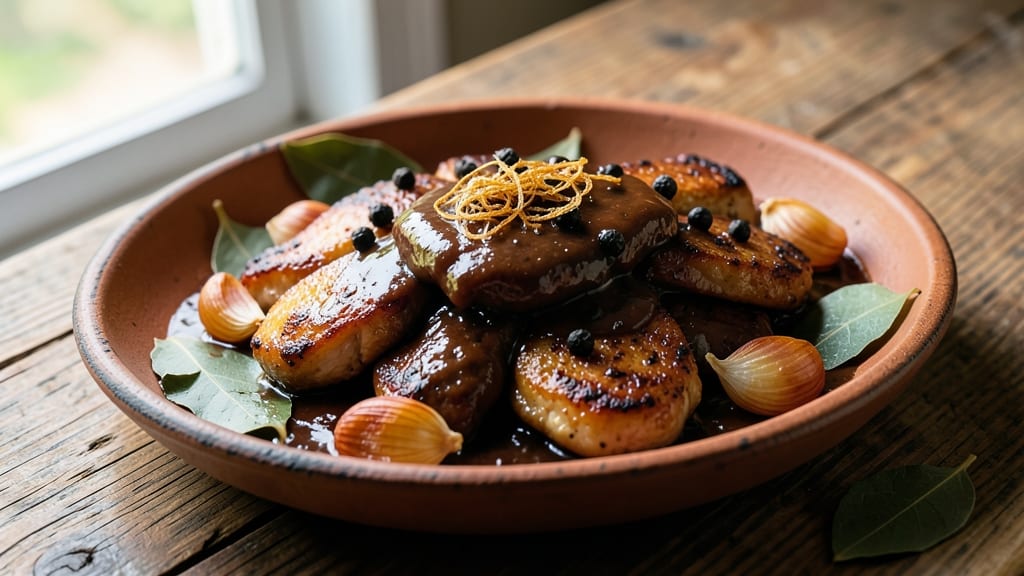
This chicken liver adobo recipe transforms humble offal into a bold, umami-rich Filipino masterpiece that delivers restaurant-quality depth in just 30 minutes. The secret lies in the marriage of tangy vinegar, salty soy sauce, and aromatic garlic—simmered low and slow until the livers melt into tender perfection.
I first discovered this technique after struggling with tough, gamey livers until I learned the precise balance of acid and salt that tenderizes them completely.
The process is straightforward but requires patience: sear the livers to lock in flavor, then braise them in a rich adobo sauce until fork-tender.
What you'll end up with is a dish that's deeply savory with just the right amount of tangy brightness—each bite packed with umami from the soy and vinegar.
The sauce reduces to a glossy, slightly sticky consistency that clings beautifully to the livers, creating a harmonious balance of textures and flavors.
This recipe delivers professional results without requiring advanced techniques—just precise timing and attention to the sauce reduction. Serve it over steamed rice to soak up every last drop of that flavorful adobo, or pair with pickled vegetables for a traditional Filipino spread.
The aroma alone will have everyone at the table anticipating the rich, complex flavors ahead.
Perfect for adventurous eaters or anyone looking to elevate simple ingredients into something extraordinary. The key is never rushing the braising process—this is where the magic happens. Let's get cooking and transform chicken livers into a showstopping main course that proves offal can be just as impressive as prime cuts.
Ingredients for chicken liver adobo
Transform humble chicken livers into restaurant-quality adobo with these precise, umami-packed ingredients.
| Ingredient | Amount | Notes |
|---|---|---|
| Chicken Livers 🍗 | 1 ½ lb | Fresh, trimmed of connective tissue |
| Cane Vinegar 🍶 | ½ cup | White vinegar substitute if unavailable |
| Soy Sauce 🍶 | ½ cup | High-sodium preferred for depth |
| Garlic Cloves 🧄 | 6 cloves | Peeled, thinly sliced for even infusion |
| Bay Leaves 🌿 | 2 whole | Dried, for aromatic depth |
| Black Peppercorns 🌶️ | 1 tbsp | Crushed for robust flavor |
| Sugar 🍚 | 1 tbsp | Balances acidity in adobo |
| Olive Oil 🫒 | 2 tbsp | Extra-virgin for searing |
| Salt 🧂 | 1 ½ tsp | Diamond Crystal preferred |
| Water 💧 | ½ cup | For sauce reduction |
| Green Onions 🧅 | 3 whole | Thinly sliced for garnish |
| Freshly Ground Black Pepper 🌶️ | ½ tsp | For finishing |
| Steamed White Rice 🍚 | 2 cups | For serving (not part of adobo) |
The quality of chicken livers is non-negotiable for this recipe. Fresh, pasture-raised livers from Whole Foods Market or a trusted butcher yield the best texture and flavor. Look for livers that are bright red with minimal yellow fat—this indicates freshness. Trim any connective tissue and silver skin before cooking, as these can make the livers tough. For optimal results, purchase livers the day you plan to cook, as they oxidize quickly. If using frozen livers, thaw them in the refrigerator overnight for even cooking. The soy sauce should be high-sodium (like Kikkoman) to enhance umami depth, while cane vinegar adds the necessary acidity to tenderize. Filipino brands like Silver Swan offer authentic vinegar options if available.
No cane vinegar? White vinegar or apple cider vinegar work in a pinch, though cane vinegar's subtle sweetness is ideal. Substituting low-sodium soy sauce requires adding an extra 1/2 teaspoon of salt to compensate for flavor loss. For garlic, garlic powder at one-third the amount can be used, but fresh garlic cloves are preferred for their aromatic complexity. The bay leaves should be dried and whole—crushed leaves release bitter compounds. If you're avoiding sugar, honey or coconut sugar at the same amount provides a similar balance. The green onions add freshness; if unavailable, scallions or chives work equally well. For a deeper color, add 1/2 teaspoon of turmeric to the adobo sauce.
This adobo sauce develops richer flavors over time, so reheat gently on low heat to preserve its glossy texture. Store leftovers in an airtight container in the refrigerator for up to 4 days, though the livers are best consumed within 2 days for peak tenderness. For longer storage, freeze the sauce (without livers) for up to 3 months
Why You'll Love This Recipe
- No Fuss, One-Pan Magic: I swear by this recipe because it’s the kind of meal that doesn’t demand your full attention. Sear the livers, toss in the garlic and vinegar, let it simmer—that’s it. No flipping pans, no complicated steps, just rich, caramelized flavors that happen while you’re chopping veggies for the side.
- Umami Bomb: The soy and vinegar combo? It’s like a flavor grenade in the best way. The cane vinegar cuts through the richness of the livers, while the soy adds that deep, savory punch. Honestly, the first time I tasted it, I thought, "Why haven’t I been doing this all along?"—especially when the edges get that crispy, slightly charred edge.
- Weeknight to Potluck: This dish is my secret weapon for when I’m too tired to impress but still want to feed people. Serve it over rice for a quick weeknight dinner, or bring it to a gathering—it’s hearty enough to stand alone but fancy enough to feel special. (Yes, even on a Tuesday night.)
- Budget-Friendly Powerhouse: Chicken livers are one of those ingredients that make you feel like you’re eating gourmet without breaking the bank. A pound goes a long way, and the leftovers? Even better the next day. I’ll be real: I’ve reheated this for lunch three times, and no one’s complained—because it’s just that good.
Step-by-step instructions for chicken liver adobo
Master this vibrant Filipino classic with precise technique and bold flavors.
Prepare and Sear the Chicken Livers
Trim any connective tissue from the 1.5 lb chicken livers and pat them completely dry with paper towels. This step is crucial—moisture prevents proper searing. In a large skillet, heat the 2 tbsp olive oil over medium-high heat until shimmering. Add the chicken livers in a single layer and cook undisturbed for 2-3 minutes per side until they develop a deep golden-brown crust and release easily from the pan.
Here's the thing—don't overcrowd the pan. If you need to work in batches, maintain the same heat level between batches to ensure consistent browning. As the livers cook, they'll release their natural oils, creating a rich foundation for the adobo sauce. Remove them from the skillet and set aside on a plate, reserving any rendered fat in the pan.
Build the Adobo Base
In the same skillet (with the reserved fat), add the 6 cloves thinly sliced garlic cloves and cook for 30 seconds until fragrant. This quick cooking prevents the garlic from burning, which would impart a bitter note to your sauce. Immediately add the 1 tbsp crushed black peppercorns and cook for another 10 seconds, stirring constantly.
Pour in the 0.5 cup cane vinegar and the 0.5 cup soy sauce, scraping up any browned bits from the bottom of the pan with a wooden spoon. These bits contain concentrated flavor—don't miss this step. Add the 2 whole bay leaves, 1 tbsp sugar, and 1.5 tsp salt, then stir to combine. Bring the mixture to a simmer over medium heat, allowing it to reduce by half—approximately 5-7 minutes—until it thickens slightly and coats the back of a spoon.
Combine and Simmer the Adobo
Return the seared chicken livers to the skillet with any accumulated juices. Add the 0.5 cup water and stir gently to combine. The liquid should just barely cover the livers—you want them to simmer gently rather than boil vigorously. Reduce the heat to low and let the mixture simmer uncovered for 10-12 minutes, stirring occasionally, until the livers are tender and the sauce has thickened into a glossy consistency.
You'll know it's ready when the livers are fork-tender with no resistance and the sauce has reduced enough to coat the back of a spoon. If the sauce reduces too quickly, add a splash of water to maintain the proper balance. The finished adobo should have a deep, complex flavor with a perfect balance of sweet, salty, and tangy notes.
Finish and Serve
Remove the adobo from heat and discard the bay leaves. Stir in the 0.5 tsp freshly ground black pepper and thinly sliced 3 whole green onions. Taste and adjust seasoning if needed—you may need a touch more salt or sugar to balance the acidity. The dish should be vibrant, umami-rich, and perfectly balanced.
Serve immediately over the 2 cups steamed white rice, allowing each person to enjoy the rich, flavorful adobo sauce. The chicken livers should be tender with a slightly crisp exterior, and the sauce should cling beautifully to each bite. This dish is best enjoyed fresh when all the flavors are at their peak.
Pro Tips For Making Chicken Liver Adobo
- Sear the Livers First: Don’t just toss raw chicken livers straight into the vinegar—sizzle them in a dry pan for 1-2 minutes per side until they release their juices and start browning. This step locks in flavor and prevents them from turning rubbery when the acid hits. (Yes, they’ll look weird after searing, but that’s the point.)
- Use Cold Vinegar: I learned this the hard way—adding hot vinegar straight to the pan makes the livers curdle like scrambled eggs. Instead, mix your cane vinegar and soy sauce in a separate bowl first, then pour it in slowly while stirring the livers. The cold liquid keeps them tender.
- Crush Garlic Lightly: Whole garlic cloves won’t infuse enough flavor, but mincing them turns the dish into garlic soup. Instead, smash 3-4 cloves with the flat side of your knife—just enough to bruise them so their aroma steeps into the sauce without overpowering.
- Simmer Low and Slow: Chicken livers cook fast, but adobo needs time to develop depth. After the initial sear, reduce heat to medium-low and let it bubble gently for 10-12 minutes. Rushing this turns the sauce thin and the livers dry. (Your patience will pay off—trust me.)
Perfect pairings for this chicken liver adobo
Rice Pairings
This dish is a match made in Filipino culinary heaven with steamed jasmine rice or long-grain white rice. The slightly sticky texture of jasmine rice soaks up the rich adobo sauce beautifully, creating each bite into a flavorful experience.
I recommend preparing 2 cups of rice per serving—it should be hot and fluffy when served. For extra authenticity, try garlic fried rice as a side, where the garlic complements the adobo's bold flavors without overpowering them. 🍚
Pickled Vegetables
No Filipino meal is complete without pickled vegetables to cut through the richness. Try achuete (annatto) pickled carrots or sour pickled radishes for a tangy contrast.
I make a quick batch by thinly slicing 1 carrot and 1 radish, then marinating them in ½ cup vinegar, 1 tbsp sugar, and ½ tsp salt for at least 2 hours. The bright acidity balances the umami depth of the adobo perfectly. 🥕
Crispy Garlic Fried Plantains
For a tropical twist, serve with garlic fried plantains—sweet, caramelized, and slightly crispy. Slice 2 ripe plantains into ¼-inch thick rounds, then fry in 2 tbsp oil until golden brown.
Toss with 1 minced garlic clove and a pinch of salt. The natural sweetness of the plantains contrasts wonderfully with the savory adobo, creating a harmonious balance of flavors. 🍌
Wine Pairings
A dry white wine with citrus notes works best to complement the adobo's tangy-savory profile. I recommend a Filipino-made white wine like Petron Red Blend (though it's red, its bold flavors cut through the dish) or a Sauvignon Blanc from New Zealand.
The crisp acidity cleanses the palate between bites. For a non-alcoholic option, sparkling lime soda with a squeeze of fresh lime adds a refreshing contrast. 🍷
Spicy Condiment
Add a kick with siling labuyo—Filipino chili sauce made from fresh red chilies, vinegar, and garlic. Mix 1 tbsp of the sauce into the adobo just before serving, or serve it on the side for those who love heat.
For a milder option, sambal oelek adds a similar spicy depth without overwhelming the dish. 🌶️
Herbed Butter
For a luxurious touch, serve with herbed butter made from ½ cup softened butter, 1 tbsp chopped parsley, 1 tsp minced garlic, and ½ tsp black pepper. Dollop it onto the rice or use it to moisten the adobo sauce for an extra layer of richness.
The fresh herbs brighten the dish while adding a creamy contrast to the bold flavors. 🧈
Nutrition facts
Frequently asked questions
Why do chicken livers need to be seared first?
Searing locks in natural juices and creates a flavorful crust that prevents the livers from becoming tough. The high heat also helps break down connective tissue, ensuring they stay tender during the long simmer.
Can I substitute soy sauce with coconut aminos?
Yes, but expect a slightly different flavor profile. Coconut aminos will be less salty and have a subtle coconut sweetness. Use the same amount, but you may need to add an extra ¼ teaspoon of salt to compensate. For authenticity, stick with traditional soy sauce.
What if my chicken livers are still gamey after cooking?
Gamey flavor usually means they weren't fresh or weren't cooked long enough. Soak livers in milk or buttermilk for 30 minutes before cooking to mellow the taste. Also, ensure they simmer for the full 10-12 minutes—don't rush the process.
How do I adjust the sauce if it's too salty or sour?
For too salty: Add 1-2 tablespoons of water and simmer to dilute. For too sour: Stir in ½ teaspoon of sugar or a pinch of baking soda (just a tiny amount!). Taste as you go—balance is key.
Can I make this recipe in a slow cooker?
Sear the livers first, then combine all ingredients (except green onions) in the slow cooker. Cook on Low for 3-4 hours or High for 1.5-2 hours, stirring occasionally. The sauce will thicken more, so add a splash of water if needed.