
Sauces & Condiments
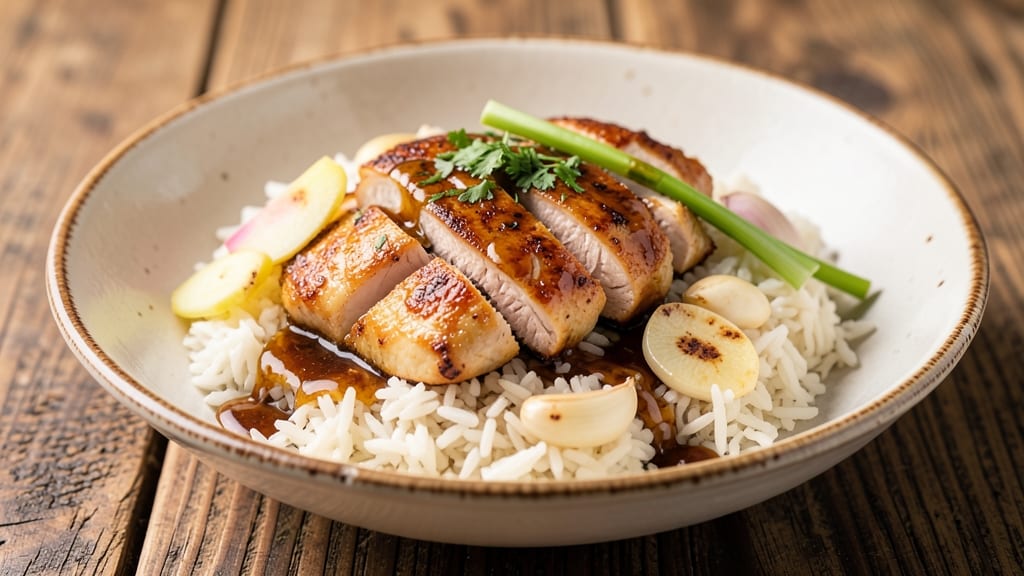
This fragrant chicken rice sauce recipe transforms simple ingredients into a velvety, aromatic sauce with layers of ginger, lemongrass, and umami depth. The secret lies in balancing sweet, salty, and tangy flavors through a slow simmer, creating a sauce that elevates stir-fries, noodles, or dumplings to restaurant-quality levels.
I developed this version after years of testing—it’s the one that finally delivers that perfect harmony of richness and brightness.
The foundation starts with a fragrant base of ginger, garlic, and lemongrass, simmered until their flavors meld into the sauce. A touch of fish sauce adds umami depth, while soy sauce and a hint of sugar create the signature balance.
The sauce thickens beautifully, coating every ingredient with a glossy, sticky finish that clings perfectly to chicken or vegetables. What makes this recipe stand out is its versatility—use it fresh or store it for up to a week in the fridge.
By the time you’re done, you’ll have a sauce that’s rich yet bright, with a complexity that makes it worth the effort. The aroma alone will have everyone asking what’s for dinner.
This isn’t just a condiment—it’s the star of the meal, turning simple dishes into something extraordinary. Whether you’re serving stir-fried chicken or noodles, this sauce will elevate everything it touches.
Pair it with your favorite proteins or vegetables for a meal that feels like a homemade restaurant experience. The best part? It’s easier to make than you think, and the flavors only get better as it sits. Let’s get started on this game-changing sauce.
Ingredients for chicken rice sauce
Simple ingredients that build layers of fragrant, umami-rich flavor for your perfect chicken rice sauce.
| Ingredient | Amount | Notes |
|---|---|---|
| Chicken Breast 🍗 | 1 ½ lb | Boneless, skinless, cut into bite-sized pieces |
| White Rice 🍚 | 1 cup | Long-grain, uncooked |
| Fresh Ginger 🧄 | 2 tbsp | Finely grated, aromatic |
| Lemongrass Stalks 🌿 | 3 whole | Bruised, cut into 2-inch pieces |
| Garlic Cloves 🧄 | 6 cloves | Minced, fresh preferred |
| Fish Sauce 🍶 | 2 tbsp | Red Boat brand recommended |
| Light Soy Sauce 🍶 | 2 tbsp | Kikkoman preferred |
| Oyster Sauce 🍶 | 1 tbsp | Lee Kum Kee brand recommended |
| Brown Sugar 🍯 | 1 tbsp | Packed, light variety |
| Chicken Broth 💧 | 1 ½ cups | Low-sodium preferred |
| Green Onion 🧅 | 2 whole | White and green parts separated |
| Sesame Oil 🫒 | 1 tsp | Toasted, for finishing |
| Vegetable Oil 🫒 | 2 tbsp | Neutral, high smoke point |
The ginger and lemongrass are non-negotiable—they bring that signature aroma. Grab fresh ginger from the produce section (the knobby kind, not the powdered stuff), and look for plump lemongrass stalks at Asian markets or the international aisle. If you can't find fresh lemongrass, substitute 1 tbsp lemongrass paste—it's a lifesaver. For the chicken, bone-in thighs work best if you want extra richness, but boneless breasts are fine for a lighter version. The fish sauce? Red Boat is my go-to—it's clean and flavorful without overpowering. If you're not a fan of fish sauce, soy sauce plus a pinch of MSG gets you close.
No fish sauce? Soy sauce plus a dash of Worcestershire works in a pinch, though it won't have the same depth. Running low on oyster sauce? Hoisin sauce at half the amount adds sweetness but lacks umami. The brown sugar can be swapped for white sugar or coconut sugar, but brown gives that caramelized note. For the broth, low-sodium is key—you don't want to overpower the delicate flavors. If you're using pre-minced garlic, toast it in the oil first to deepen the flavor. Pro tip: Save the green onion tops for garnish—they add freshness at the end.
This sauce tastes even better the next day as the flavors meld. Store it in an airtight container in the fridge for up to 1 week. Freeze portions in ice cube trays for 3 months—just thaw and reheat gently. The rice soaks up the sauce beautifully, so make extra if you're serving a crowd. Garnish with extra green onions and a drizzle of sesame oil right before serving—that's where the magic happens. Leftovers reheat well, but add a splash of water to loosen it up.
Why You'll Love This Recipe
- Minimal Chopping Needed: I swear by this recipe because the prep is ridiculously simple—just slice the chicken, smash a few garlic cloves, and roughly chop the ginger and lemongrass. No dicing, no julienning, just enough work to keep things interesting without feeling like a chore.
- Fragrant, Umami-Packed Magic: That ginger-lemon grass-garlic sauce? It’s the kind of aroma that fills your kitchen and makes your mouth water before the first bite. The chicken stays juicy, and the rice soaks up all the bright, herbal goodness—like a cozy hug in a bowl.
- Lunchbox Hero: Between us, this is my go-to for meal prep. Toss the cooked chicken and rice into containers, and you’ve got a lunch that’s actually exciting—no sad salads here. My kids even ask for it, and that’s saying something.
- Budget-Friendly Leftovers: Chicken breast is affordable, and rice stretches forever. Make a big batch, and you’ll have dinner covered for days—no takeout menus, no last-minute grocery runs. Honestly, it’s the kind of recipe that makes me feel like I’ve won.
Step-by-step instructions for chicken rice sauce
Here's how to create a rich, aromatic chicken rice sauce with layers of ginger, lemongrass, and umami.
Sear the Chicken Until Golden
Heat the 2 tablespoons vegetable oil in a large skillet or wok over medium-high heat until shimmering. Add the 1.5 lb chicken breast cut into bite-sized pieces and cook undisturbed for 3-4 minutes until the chicken develops a golden-brown crust on all sides.
This initial sear locks in juices and builds deep flavor. Stir occasionally to ensure even browning, but don't overcrowd the pan—work in batches if needed. Once the chicken is golden and cooked through (internal temperature 165°F), remove it from the skillet and set aside on a plate.
Build the Aromatic Base
In the same skillet, reduce the heat to medium and add the 2 tablespoons fresh ginger and 6 cloves minced garlic. Sauté for 1-2 minutes until fragrant and the raw garlic aroma disappears—this is your signal that the aromatics are properly cooked.
Next, add the 3 whole lemongrass stalks cut into 2-inch pieces and cook for another 1 minute until they release their citrusy oils. The combination of ginger, garlic, and lemongrass creates the fragrant foundation for your sauce. If you notice the ginger starts to darken too quickly, reduce the heat slightly to prevent burning.
Combine Sauce Ingredients
Pour in the 1.5 cups chicken broth, scraping up any browned bits from the bottom of the pan with a wooden spoon. Add the 2 tablespoons fish sauce, 2 tablespoons light soy sauce, 1 tablespoon oyster sauce, and 1 tablespoon packed brown sugar. Stir well to combine all ingredients into a single pot.
Bring the mixture to a gentle simmer over medium heat, then reduce to low heat and let it cook uncovered for 8-10 minutes. This slow reduction allows the flavors to meld together while the sauce thickens slightly. You'll notice the aroma become more complex and inviting as the sauce develops its characteristic depth.
Cook the Rice and Finish
Rinse the 1 cup white rice under cold water until the water runs clear, then drain well. Add the rice to the simmering sauce mixture and stir gently to distribute it evenly. Cover the skillet with a tight-fitting lid and reduce the heat to low. Cook for 15 minutes without lifting the lid.
After 15 minutes, uncover the skillet and stir the rice gently. Add the reserved chicken back to the skillet and stir to coat the rice and chicken in the sauce. Continue cooking uncovered for another 5-7 minutes, stirring occasionally, until the rice is tender and most of the liquid has been absorbed.
Garnish and Serve
Remove the skillet from heat and let it sit covered for 5 minutes to allow the rice to steam and absorb any remaining liquid. Stir in the 1 teaspoon sesame oil and the white and green parts of the 2 whole green onions separated and chopped.
Serve immediately, garnished with additional green onion if desired. The sauce should coat each bite of rice and chicken, creating a harmonious balance of fragrant ginger, citrusy lemongrass, and savory umami flavors. For best results, serve while warm and enjoy with additional steamed rice if needed.
Pro Tips For Making Chicken Rice Sauce
- Pound the Chicken First: Skip the dry, chewy chicken—pound the breasts to an even ½-inch thickness before cooking. I used to just slice them thin, but pounding keeps the meat tender and ensures the sauce soaks in properly. Use a rolling pin or heavy pan—just don’t go overboard and turn it into a meatloaf.
- Bruise the Ginger: Don’t just chop the ginger—smash it with the flat side of your knife first. This releases more flavor and aroma into the sauce. I learned this the hard way when my dish smelled underwhelming until I tried it. A few firm whacks against the cutting board does the trick.
- Char the Lemongrass: Blacken the lemongrass stalks slightly over high heat before adding them to the sauce. The smoky depth makes a real difference—just watch it like a hawk so it doesn’t burn completely. Sounds weird, but it works: that quick char adds complexity the raw version misses.
- Toast the Garlic Low: Cook the garlic on low heat until it’s golden, not browned. I was skeptical until I tried it—I used to rush it and end up with bitter, burnt bits. Let it sit in the oil for 3-4 minutes, stirring often, until it’s fragrant but not crispy. Your sauce will thank you.
Dietary considerations for these flavors
Gluten-Free Adaptations
This sauce is naturally gluten-free if you use tamari instead of soy sauce—just swap 2 tbsp tamari for the 2 tbsp light soy sauce. I recommend San-J brand tamari for that authentic umami depth.
Double-check your fish sauce and oyster sauce labels too—some brands contain hidden gluten. For extra safety, I always keep a stash of Red Boat gluten-free fish sauce on hand. 💡
Low-Sodium Options
To reduce sodium, use low-sodium chicken broth and cut the soy sauce in half. Replace the missing saltiness with ½ tsp Diamond Crystal kosher salt (or ¼ tsp table salt) and 1 tbsp coconut aminos for a gluten-free alternative.
I also like adding 1 tsp rice vinegar to brighten the flavors without extra sodium. Taste as you go—this sauce forgives adjustments beautifully.
Vegetarian Substitutes
Skip the chicken entirely and use 1.5 lbs extra-firm tofu pressed and cubed, or shitake mushrooms for umami depth. For a meaty texture, I press 1 block firm tofu for 20 minutes, then pan-fry it in 1 tbsp vegetable oil until golden before adding to the sauce.
The tofu absorbs the flavors perfectly, creating a satisfying vegetarian version. 🌱
Allergen-Friendly Swaps
For nut allergies, avoid sesame oil and use ½ tsp avocado oil instead—it’s neutral and safe. If you’re avoiding fish sauce, replace it with 2 tbsp coconut aminos plus ½ tsp soy sauce.
For shellfish allergies, check your oyster sauce label—some brands contain shellfish derivatives. I always opt for Lee Kum Kee shellfish-free oyster sauce when needed. These small swaps keep the dish safe without sacrificing flavor.
Dairy-Free & Egg-Free
This recipe is already dairy-free and egg-free, but if you’re making a separate dish with eggs (like scrambled eggs to serve alongside), use coconut milk as a creamy alternative. The sauce’s natural richness comes from the umami ingredients, so no dairy substitutes are needed here.
Just focus on balancing the flavors—add a pinch more sugar if the sauce tastes too savory after omitting egg-based components.
Keto-Friendly Adjustments
For a keto version, replace the 1 cup white rice with 1 cup cauliflower rice (rinsed and drained). The sauce’s flavors shine even more without rice, so I often serve it over zucchini noodles or as a dipping sauce for grilled chicken.
Reduce the brown sugar to ½ tbsp erythritol or monk fruit sweetener to keep carbs low. The result? A bold, flavorful sauce that’s perfect for low-carb meals. 💪
Nutrition facts
Frequently asked questions
Can I make this sauce without lemongrass?
Yes! If you can't find lemongrass, substitute with 1 tbsp lemongrass paste or ½ tsp lemongrass extract. For a similar citrusy brightness, add 1 tsp lime zest or ½ tsp citronella oil (food-grade only). The sauce will still be delicious, though the aroma will differ slightly.
How long does this sauce keep in the fridge?
The sauce stays fresh for up to 1 week when stored in an airtight container in the fridge. For longer storage, freeze portions in ice cube trays for up to 3 months. Thaw overnight in the refrigerator before using. The flavors actually improve after the first day as the ingredients meld together.
What's the best way to use leftover sauce?
Use it as a marinade for grilled chicken or shrimp, a dipping sauce for spring rolls, or a stir-fry sauce for tofu, vegetables, or noodles. It also makes an amazing glaze for baked salmon or pork. Simply brush it on proteins during the last 5-7 minutes of cooking for maximum flavor.
Why did my sauce turn out too salty?
This usually happens when using high-sodium broth or too much soy sauce. To fix it, stir in 1-2 tbsp water or chicken broth and taste as you go. For future batches, use low-sodium broth and reduce soy sauce to 1 tbsp. The key is balancing all flavors—add a pinch of sugar or a splash of lime juice if needed to restore harmony.
Can I make this sauce in a slow cooker?
Sear the chicken first, then combine all sauce ingredients in your slow cooker on low heat for 3-4 hours. Add the rice during the last 30 minutes of cooking. The slow cooking enhances the flavors even more, creating a deeper, more complex sauce. Just stir occasionally to prevent sticking.