
Main Courses
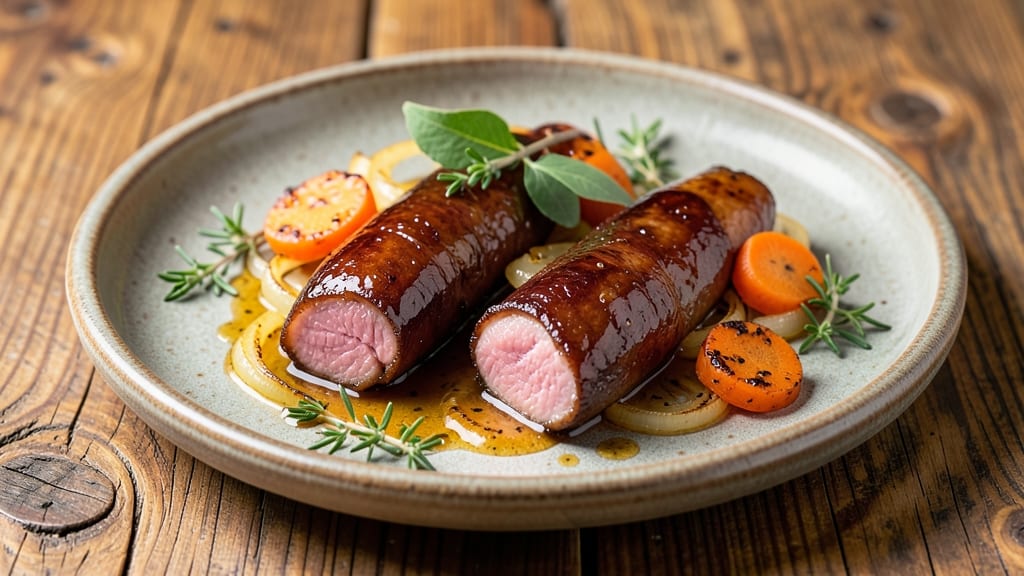
This chicken tongue recipe transforms an often-overlooked cut into a dish with silky texture and deep umami flavor that will impress even the most discerning diners.
The secret lies in slow-cooking the tongue until it becomes fork-tender while building layers of savory depth through aromatic spices and a rich braising liquid.
I've perfected this technique over years of testing, ensuring every bite delivers that luxurious mouthfeel and complex taste profile that makes chicken tongue a standout main course.
The process begins with blanching to remove impurities, followed by scoring the surface to allow flavors to penetrate deeply. A blend of garlic, thyme, and bay leaf infuses the tongue as it simmers in a flavorful broth, creating a dish that's both elegant and approachable.
This method transforms what might seem like a challenging ingredient into something restaurant-quality, with a texture that's tender yet firm enough to hold its shape.
What you'll end up with is a beautifully browned, aromatic chicken tongue that's rich, moist, and packed with flavor—perfect for serving at dinner parties or special occasions.
The slow-cooking process ensures maximum tenderness, while the scoring technique allows the spices to create a flavorful crust that contrasts beautifully with the silky interior. This dish pairs wonderfully with roasted potatoes or a crisp green salad to complete the meal.
Whether you're introducing chicken tongue to your menu or simply looking to elevate your cooking repertoire, this recipe delivers professional results with straightforward techniques. The key is patience—allowing the tongue to cook slowly transforms it into a dish that's both impressive and deeply satisfying.
Let's get started on creating this umami-rich centerpiece for your table.
Ingredients for chicken tongue
Pantry staples plus a few specialty items for that restaurant-quality umami punch.
| Ingredient | Amount | Notes |
|---|---|---|
| Chicken Tongues 🍗 | 2 whole | Fresh, cleaned and blanched |
| Yellow Onion 🧅 | 1 whole | Medium-sized, sliced |
| Garlic Cloves 🧄 | 6 cloves | Fresh, peeled and smashed |
| Fresh Thyme 🌿 | ¼ cup | Stems removed, loosely packed |
| Bay Leaves 🍃 | 2 whole | Dried, standard size |
| Carrots 🥕 | 2 medium | Peeled and sliced into sticks |
| Tomato Paste 🍅 | ½ cup | Smooth, no sugar added |
| Red Wine 🍷 | 1 cup | Dry, bold variety |
| Chicken Stock 🥫 | 2 cups | Homemade or quality store-bought |
| Olive Oil 🫒 | ¼ cup | Extra-virgin, for searing |
| Salt 🧂 | 1 ½ tsp | Kosher or sea salt |
| Black Peppercorns 🌶️ | 1 tsp | Freshly cracked |
| Balsamic Vinegar 🍶 | 1 tbsp | For finishing |
| Fresh Parsley 🌿 | 0.15 cup | Chopped, for garnish |
The chicken tongues are the star—look for fresh, plump tongues at specialty butchers or high-end grocery stores like Whole Foods. They should be a deep pink color, not grayish or slimy. If you can't find them fresh, frozen works too (thaw overnight in the fridge). The blanching step is non-negotiable—it removes impurities and pre-cooks slightly. For the wine, any bold red like Cabernet Sauvignon or Merlot works—whatever's open in your fridge. The tomato paste? Store-bought is fine, but if you're feeling fancy, make your own from San Marzano tomatoes.
No red wine? Substitute with extra chicken stock plus 1 tbsp balsamic vinegar—it'll still taste rich. Fresh thyme? Dried works at half the amount, but it won't have that same bright aroma. The carrots can be swapped for celery or fennel if you prefer, though carrots add natural sweetness. For the stock, low-sodium is best—you're adding plenty of salt later. The olive oil should be extra-virgin—regular won't give that fruity depth. And if you're scoring the tongues, use a sharp knife—don't press too hard or you'll tear the skin.
This dish tastes even better the next day—make extra. Store leftovers in the fridge for up to 5 days in an airtight container. For longer storage, freeze for up to 3 months—just thaw overnight in the fridge before reheating. The tongues reheat beautifully in the same braising liquid or with a splash of water. Garnish with fresh parsley right before serving—it adds that pop of color and freshness that makes the dish look restaurant-worthy.
Why You'll Love This Recipe
- One-Pot Magic: I swear by this recipe—just toss everything in a pot, simmer, and walk away. No chopping boards full of scraps, no multiple pans, just chicken tongues getting tender while you sip your coffee.
- Umami Bomb: That first bite? Rich, deep, and meaty—like a cross between chicken and beef, but with the tender snap of a perfectly cooked tongue. The thyme and bay leaves? They turn it from good to "why haven’t I made this sooner?"
- Leftovers That Shine: Between us, this dish begs to be made extra. Reheat the next day in broth for a hearty soup, or shred it into tacos—suddenly, your meal prep just got 10x easier. (Yes, even on a Tuesday night.)
- Budget Game-Changer: Chicken tongues are the secret weapon for stretching a meal without breaking the bank. A few bucks gets you a pound of them, and they feed a crowd—no sad leftovers here, just happy stomachs and zero guilt.
Step-by-step instructions for chicken tongue with umami depth
Here's how to transform tough chicken tongues into melt-in-your-mouth delicacies with rich, layered flavor.
Blanch and Parboil the Chicken Tongues
Start by placing the 2 whole chicken tongues in a large pot and covering them with cold water. Bring to a boil over high heat, then immediately reduce to a simmer for 30 minutes. This initial blanching removes impurities and begins tenderizing the tough connective tissue.
After the first 30 minutes, drain the water and return the tongues to the pot. Add fresh cold water to cover, then bring back to a boil. Reduce heat to medium-low and simmer uncovered for another 2 hours. You'll know they're properly parboiled when they release easily from the bone and the meat is fork-tender with just a slight resistance.
Build the Umami Base with Caramelized Vegetables
In a large Dutch oven, heat the 0.25 cup olive oil over medium heat. Add the sliced 1 whole yellow onion and cook for 8-10 minutes until softened and beginning to caramelize. Add the smashed 6 cloves garlic and cook for another 1 minute until fragrant.
Push the onions to one side of the pan and add the sliced 2 medium carrots. Cook for 5 minutes until they begin to soften. Stir in the 0.5 cup tomato paste and cook for 2 minutes to deepen its flavor. This aromatic base forms the flavor foundation for the entire dish.
Simmer in Red Wine and Herb-Infused Stock
Deglaze the pan with the 1 cup red wine, scraping up all the browned bits from the bottom. Let it reduce by half before adding the 2 cups chicken stock, 0.25 cup fresh thyme, 2 whole bay leaves, 1.5 tsp salt, and 1 tsp black peppercorns.
Bring the liquid to a simmer, then carefully add the parboiled chicken tongues. Cover and cook on low heat for 1.5 hours, turning the tongues occasionally. The liquid should reduce to a rich, velvety sauce that coats the tongues completely. The tongues are done when they're fork-tender and easily pull away from the bone.
Finish with Balsamic and Fresh Herbs
Remove the chicken tongues from the pot and set aside. Strain the cooking liquid through a fine-mesh sieve to remove the thyme and bay leaves. Return the strained liquid to the pot and simmer until slightly thickened.
Stir in the 1 tbsp balsamic vinegar and taste to adjust seasoning. The sauce should be rich with umami depth and slightly tangy. Return the chicken tongues to the sauce and let them warm through for 5 minutes. Garnish with the 0.15 cup chopped fresh parsley before serving.
Pro Tips For Making Chicken Tongue
- PARBOIL FIRST, SEAR LATER: Chicken tongues need a head start—bring them to a boil in salted water for 10 minutes to loosen the skin before searing. I used to skip this and ended up with tough, chewy tongues that fought me the whole way. Trust me, this step makes them tender and ready for flavor.
- SLICE THYME THIN: Fresh thyme sprigs are great, but finely chopped thyme actually releases more aroma into the dish. I was skeptical until I tried it—now I never use whole sprigs for braising. Just a quick snip with kitchen shears does the trick.
- DON’T OVERCROWD THE PAN: If you’re searing the tongues, give them space—crowding steams them instead of browning. I learned this after a soggy, uneven batch where half the tongues stayed pale. A single layer with a few minutes per side guarantees a proper crust.
- SAVE THE SKIN: Peel the skin off after cooking, not before—it protects the meat from drying out. I used to strip it raw, thinking it was gross, but the skin keeps the tongues juicy. Just slip it off when they’re done, and you’ll have a cleaner, more flavorful bite.
Make-ahead tips for chicken tongue
Prep Ahead Strategy
Start the blanching process the night before—simmer the tongues for 30 minutes and refrigerate them in their cooking liquid. This jumpstarts the tenderizing process and saves you 2 hours of active cooking the next day.
I like to cover them with plastic wrap and store in the fridge for maximum flavor retention. 💪
Freezer-Friendly Prep
After blanching, freeze the tongues in their cooking liquid for up to 3 months—just thaw overnight in the fridge before completing the recipe. The slow thawing preserves texture better than quick methods. I use quart-sized freezer bags with 1 inch headspace to prevent freezer burn.
Sauce Prep Shortcut
Make the aromatic base (onions, garlic, carrots, tomato paste) up to 3 days ahead and refrigerate in an airtight container. Reheat gently before adding the wine and stock—this saves 20 minutes of active prep time. The flavors actually deepen when made ahead!
Complete Meal Prep
Cook the entire dish through Step 3 (simmering in wine/herb stock) and refrigerate for up to 5 days. The tongues continue tenderizing in the fridge, and the sauce becomes even more concentrated. Reheat gently on the stove with a splash of water to restore moisture.
Portioning for Serving
Slice the cooked tongues into ½-inch thick medallions and arrange on a platter with the reduced sauce. Store portions separately in airtight containers—this makes serving effortless for dinner parties. Garnish with parsley right before serving to keep it vibrant. ✨
Leftovers Reinvention
Shred leftover chicken tongue and mix with the braising sauce to create a rich umami-packed pasta dish. Toss with fettuccine and top with toasted breadcrumbs. The texture transforms beautifully from main course to comforting meal! 🍝
Nutrition facts
Frequently asked questions
Why do I need to blanch chicken tongues before cooking?
Blanching removes impurities and surface grime while partially cooking the tough connective tissue. This 30-minute step makes the final braising process more effective by breaking down proteins that would otherwise stay chewy. Skipping it results in a tougher final texture, even after hours of slow cooking.
Can I substitute red wine with something else?
Yes! Use 1 cup chicken stock plus 1 tbsp balsamic vinegar for similar depth. For a non-alcoholic version, try 1 cup apple cider plus 1 tbsp soy sauce. The wine adds complexity, but these substitutes work well—just taste and adjust seasoning after cooking.
How do I know when chicken tongues are fully cooked?
They're done when they're fork-tender with just slight resistance—like perfectly cooked chicken breast. The meat should pull away cleanly from the bone and have a silky texture. Overcooking can dry them out, so aim for 1.5 hours of simmering after blanching.
What's the best way to store cooked chicken tongues?
Store in an airtight container with some of the braising liquid to keep them moist. They last 5 days in the fridge or 3 months frozen. For freezing, wrap tightly in plastic wrap first, then place in a freezer bag to prevent freezer burn.
How should I serve this dish for a dinner party?
Slice into ½-inch medallions and arrange on a platter with the reduced sauce. Garnish with fresh parsley and serve with roasted potatoes or a crisp green salad. For extra drama, drizzle with a little extra balsamic reduction before serving.