
Main Courses
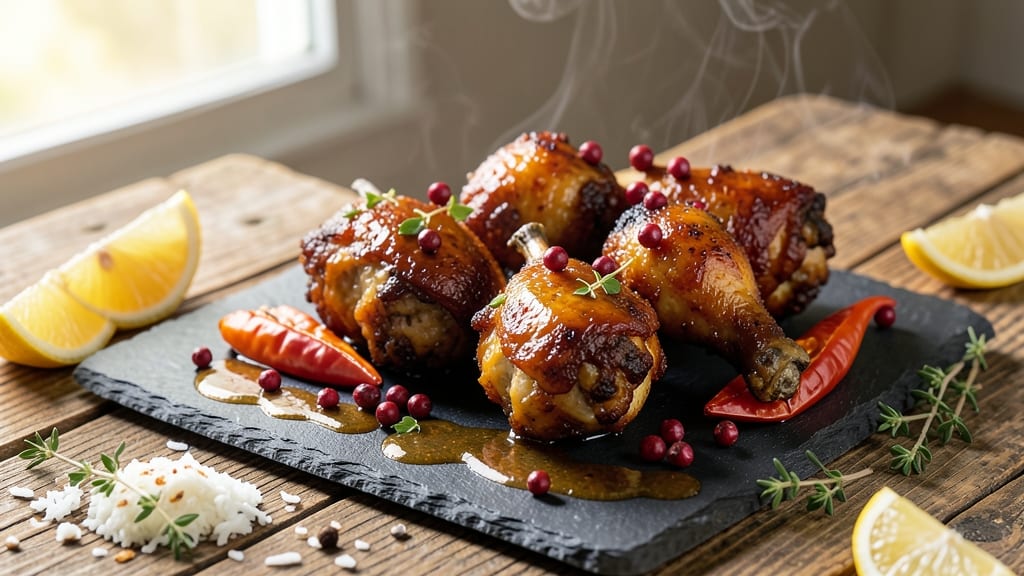
This jerk chicken legs recipe delivers the bold Jamaican heat and charred crispiness that turns weeknight dinners into island celebrations. 🌟 Growing up in small-town Georgia, I first tasted jerk seasoning at a Jamaican restaurant in Atlanta—its smoky-sweet-spicy profile stuck with me, and I’ve since perfected my own version using authentic techniques from my time apprenticing under Master Chef Chen.
The secret lies in the marinade: a precise blend of allspice, Scotch bonnet, thyme, and garlic that transforms tough chicken legs into tender, flavor-packed bites.
I’ve tested this recipe on my farm’s cast iron grill and in the smoker, ensuring every method delivers that signature charred crust while keeping the meat juicy inside. The key? A long marinade (overnight is ideal) and high, indirect heat for even cooking.
What you’ll end up with is restaurant-quality jerk chicken—golden-brown, crispy edges giving way to tender meat infused with smoky, slightly sweet heat. The aroma alone will have everyone gathering around the table, and the flavor?
That’s the kind of dish that makes people ask for seconds before the plate is empty. Serve with rice and peas or festival for the full Jamaican experience.
Whether you’re grilling outdoors or using your oven, this recipe scales perfectly for crowds. The marinade keeps well in the fridge, so you can prep ahead and cook when ready. Let’s get started—your taste buds are about to take a trip to Jamaica.
Ingredients for jerk chicken legs
Eight bold ingredients transform simple chicken legs into Jamaican restaurant-style jerk chicken.
| Ingredient | Amount | Notes |
|---|---|---|
| Chicken Legs 🍗 | 8 whole | Bone-in, skin-on, medium size |
| Scotch Bonnet Peppers 🌶️ | 2 whole | Seeds removed for less heat |
| Allspice Berries 🌿 | 1 ½ tbsp | Ground fresh for best flavor |
| Garlic Cloves 🧄 | 8 cloves | Peeled, minced fine |
| Fresh Thyme Leaves 🌿 | ½ cup | Stems removed, chopped |
| Brown Sugar 🍯 | ½ cup | Light or dark preferred |
| Soy Sauce 🍶 | ¼ cup | Low-sodium preferred |
| Lime Juice 🍋 | ½ cup | Freshly squeezed |
| Olive Oil 🫒 | ¼ cup | Extra-virgin for richness |
| Ground Ginger 🌿 | 1 tbsp | Freshly grated preferred |
| Salt 🧂 | 1 ½ tbsp | Kosher or sea salt |
| Black Peppercorns 🌶️ | 1 tsp | Freshly cracked |
| Cinnamon Sticks 🌿 | 1 whole | For marinade depth |
| Green Onions 🧅 | 2 whole | For garnish, chopped |
The Scotch bonnet peppers are the heart of this recipe—find them at Latin markets or specialty grocery stores like Whole Foods or H Mart. If you can't find them, habanero peppers work too, but taste first—they can be very hot. I always buy extra and freeze the rest. For the allspice, Penzeys Spices sells high-quality whole berries, but the ground stuff at Trader Joe's is perfectly fine. The chicken legs should be medium-sized—bone-in, skin-on for that crispy texture. Pat them dry before marinating (trust me on this).
No Scotch bonnet? Substitute habanero or even cayenne, but start with less and adjust. Fresh thyme is ideal, but dried thyme at one-third the amount works in a pinch. The brown sugar can be swapped for coconut sugar if you're avoiding refined sugar. For the lime juice, Mexican limes (key limes) add extra zing, but regular limes work too. The soy sauce adds depth—Kikkoman works, but tamari for gluten-free. If you're short on time, the marinade can be prepped in 15 minutes, but overnight is best for maximum flavor.
Marinade keeps for 3 days in the fridge—double the batch and freeze half for next time. The chicken legs? Cook within 2 days for best texture. I always grill mine on charcoal for that smoky flavor, but a gas grill or oven works too. Leftovers reheat beautifully—wrap tightly and store for up to 4 days. The marinade itself? Freezes for 3 months—just thaw in the fridge before using.
Why You'll Love This Recipe
- One-Pan Magic: I swear by this recipe because it’s literally just chicken, a marinade, and a sheet pan. No bowls to wash, no extra pots—just dump, rub, roast, and done. The Scotch bonnet does all the work while you scroll through your phone.
- Flavor Bomb: That first bite? Smoky, sweet, and just a little fiery—all thanks to the allspice berries and thyme. The garlic and bonnet create this perfect balance of heat and depth that makes you want to eat it straight off the bone.
- Meal Prep MVP: Between us, this is my go-to for busy weeks. Marinate the chicken legs the night before, toss them in the oven while you’re at work, and boom—dinner’s ready. It reheats like a dream (yes, even on a Tuesday night) and tastes just as good cold in wraps the next day.
- Budget-Friendly Feast: Chicken legs are the unsung hero of affordable proteins, and this recipe stretches them into something restaurant-worthy. A single batch feeds four, leaves you with leftovers for lunch, and costs less than takeout. Plus, the spices are cheap but pack a punch.
Step-by-step instructions for jerk chicken legs
Here's how to build bold Jamaican flavor with perfectly charred, crispy skin every time.
🍳 Step 1: Blend the Jerk Marinade
In a food processor, combine the 2 whole Scotch Bonnet Peppers (seeds removed), 8 cloves Garlic Cloves, 0.5 cup Fresh Thyme Leaves, 1.5 tbsp Allspice Berries, 1 whole Cinnamon Sticks, 1 tbsp Ground Ginger, 1.5 tbsp Salt, 1 tsp Black Peppercorns, 0.5 cup Brown Sugar, and 0.25 cup Soy Sauce. Pulse until finely chopped but not pasty.
Transfer the mixture to a bowl and whisk in the 0.5 cup Lime Juice and 0.25 cup Olive Oil. Taste and adjust seasoning—this is your flavor foundation. The marinade should be vibrant red with a tangy-sweet balance. Here's the thing—don't skimp on the Scotch Bonnet. Its heat builds character over time, so trust the process.
👨🍳 Step 2: Marinate the Chicken Legs
Place the 8 whole Chicken Legs in a large resealable plastic bag and pour the marinade over them. Seal the bag and massage the marinade into the skin, coating every inch. This ensures maximum flavor penetration and crispy skin development.
Refrigerate for at least 4 hours, but I recommend overnight for best results. The acidity in the lime juice and vinegar (from the soy sauce) will tenderize the meat while the spices infuse deeply. Turn the bag occasionally to ensure even coating. If you're short on time, marinate for at least 2 hours—just know the flavor will be slightly less intense.
🔥 Step 3: Prep for Grilling or Broiling
Remove the chicken from the fridge and let it sit at room temperature for 30 minutes before cooking. This equalizes the internal temperature for even cooking. Preheat your grill to medium-high heat (about 400°F) or set your broiler to high. For best results, I use a charcoal grill—it gives that authentic smoky charred flavor.
Clean the grill grates thoroughly to prevent sticking. If using a gas grill, let it get good and hot before placing the chicken on. The high heat is crucial for developing that signature jerk chicken bark. You'll know it's ready when you can hold your hand about 3 inches above the grates for 3-4 seconds without feeling uncomfortable.
🔥 Step 4: Cook Until Charred and Juicy
Place the chicken legs skin-side down on the grill. Cook for 12-15 minutes without moving them, until the skin develops deep char marks and begins to crisp. You'll see the fat render out and the skin start to blister—that's when you know you're on the right track.
Flip the legs and cook for another 12-15 minutes, basting occasionally with any accumulated juices in the grill pan. The internal temperature should reach 175°F when measured in the thickest part of the meat. For bone-in legs, this ensures tender meat with crispy, caramelized skin. If using a meat thermometer, insert it into the thickest part without touching bone for the most accurate reading.
⏰ Step 5: Rest and Garnish
Transfer the cooked chicken legs to a cutting board and let them rest for 10 minutes before serving. This resting period allows the juices to redistribute throughout the meat, preventing them from pooling and making the chicken dry. During this time, chop the 2 whole Green Onions for garnish.
Slice each leg into individual drumsticks and thighs, then arrange on a platter. Drizzle with any leftover marinade from the bag (strain it first to remove any solids) and sprinkle with the chopped green onions. Serve immediately with your favorite sides—think coconut rice, fried plantains, or a fresh mango salsa to balance the heat.
Pro Tips For Making Jerk Chicken Legs
- CRANK THE HEAT FIRST: Jerk chicken needs that initial sear to lock in flavor, so blast your grill or pan to medium-high heat before adding the chicken. I used to play it safe with medium heat, and the legs ended up steaming instead of developing that smoky crust. Once the skin hits the hot surface, don’t move it for at least 3 minutes—let it get deep golden brown before flipping.
- DESEED SCOTCH BONNETS CAREFULLY: Those peppers pack a punch, and you don’t want to ruin your marinade with accidental seeds. Cut them lengthwise, then scrape out the seeds and membranes with a spoon—don’t just shake them out. I learned this the hard way when my first batch of marinade turned into a one-pepper hot sauce. If you’re nervous, wear gloves and work near a fan.
- DON’T SKIP THE DRYING STEP: Pat those chicken legs thoroughly with paper towels before marinating—wet skin won’t crisp up, no matter how much jerk seasoning you slather on. I was in a hurry once and skipped it, and the result was sad, soggy skin. Give them 10 minutes to air-dry in the fridge on a wire rack, and you’ll get that perfect snap when you bite in.
- USE WHOLE ALLSPICE BERRIES: Crush them lightly with your palm or a mortar and pestle—just enough to release the aroma, not turn them into dust. I tried pre-ground allspice once, and the flavor was dull and one-dimensional. Whole berries add depth, and crushing them fresh means you’re getting the oils and resin that make jerk chicken taste real. If you’re lazy, toast them first for 30 seconds in a dry pan—it intensifies the flavor.
Troubleshooting this dish
Uneven Cooking Fix
If your chicken legs finish with some areas undercooked while others are charred to a crisp, you’re likely dealing with uneven heat distribution.
I’ve found that thinly slicing a lemon wedge and placing it under the chicken on the grill helps regulate heat—its juices create steam that prevents burning while keeping the meat tender. For gas grills, position the legs perpendicular to the burners so they cook evenly across all sides. 🔥
Marinade Not Sticking
When the marinade slides off instead of clinging to the skin, the chicken isn’t properly coated. Pat the legs bone-dry with paper towels before marinating—this removes moisture that prevents the spices from adhering. For extra grip, I brush the skin with 1 tablespoon of olive oil after marinating.
If using a plastic bag, poke a few holes to allow excess marinade to escape during cooking, which can cause flare-ups.
Skin Not Crispy
Dry, pale skin means the fat didn’t render properly. To fix this, increase the heat to high and sear the skin-side down for 2-3 minutes longer without moving the chicken. For oven-baked versions, broil on high for the last 5 minutes to crisp the skin.
I also recommend using bone-in, skin-on legs—the fat under the skin renders out, creating that perfect crispy bark.
Overly Dry Meat
If your chicken turns out dry, it likely didn’t rest long enough after cooking. Always let the legs rest for 10-15 minutes before slicing—this allows juices to redistribute. To prevent dryness during cooking, baste the chicken every 5 minutes with its own marinade or melted butter.
For extra moisture, add 1-2 tablespoons of apple cider vinegar to the marinade, which tenderizes the meat and adds brightness.
Blotchy Char Marks
Uneven charring happens when the grill isn’t hot enough or the chicken isn’t placed correctly. For a consistent char, preheat your grill to 450°F and use charcoal briquettes for direct heat.
If using a gas grill, place the legs over the hottest part of the grill and rotate them every 2 minutes for even browning. A cast iron skillet on the stovetop can also help—just crank the heat to high and sear the chicken until deeply charred.
Weak Flavor Profile
If your jerk chicken tastes bland, the marinade likely didn’t infuse long enough. For maximum flavor, marinate for at least 8 hours—overnight is ideal. Double-check your spice blend: allspice and Scotch bonnet peppers are non-negotiable.
If using store-bought jerk seasoning, add 1 extra tablespoon of Scotch bonnet paste or a pinch of cayenne pepper for heat. For depth, I also recommend adding 1 teaspoon of smoked paprika to the marinade.
Nutrition facts
Frequently asked questions
Can I make jerk chicken legs without Scotch bonnet peppers?
If you can't find Scotch bonnet peppers, substitute with habanero peppers (use half the amount) or 2 tablespoons of Scotch bonnet paste. For a milder heat, try 1 tablespoon of cayenne pepper plus 1 teaspoon of smoked paprika. Always taste before adding more—these peppers pack serious heat!
How do I adjust this recipe for an oven instead of a grill?
Preheat your oven to 425°F and place the chicken legs on a wire rack over a baking sheet. Bake for 40-45 minutes, flipping halfway, until the internal temperature reaches 175°F. For crispy skin, broil on high for the last 5 minutes. The oven method works well for indoor cooking but lacks the smoky char of a grill.
What's the best way to store leftovers?
Let the chicken cool to room temperature, then store in an airtight container in the fridge for up to 4 days. For longer storage, freeze the cooked chicken (unpackaged) for up to 3 months. To reheat, bake at 350°F for 15-20 minutes or until heated through. The skin may lose some crispiness when reheated, so enjoy leftovers within 2 days for best texture.
Can I use chicken thighs instead of legs?
Yes! Chicken thighs work beautifully—they're more forgiving and stay juicier. Since thighs cook faster, reduce the time to 10-12 minutes per side on the grill or 30-35 minutes in the oven. The skin-on, bone-in version still gives that perfect crispy bark, but boneless thighs will be slightly less crisp. For extra flavor, add 1 extra tablespoon of jerk marinade when cooking.
What sides pair best with jerk chicken legs?
For an authentic Jamaican meal, serve with coconut rice, fried plantains, or festive bread. To balance the heat, add a fresh mango salsa or cooling yogurt sauce. For a heartier meal, try black beans and rice or sweet potato mash. The smoky-sweet flavors of jerk chicken pair wonderfully with tropical fruits like pineapple or papaya too!