
Main Courses
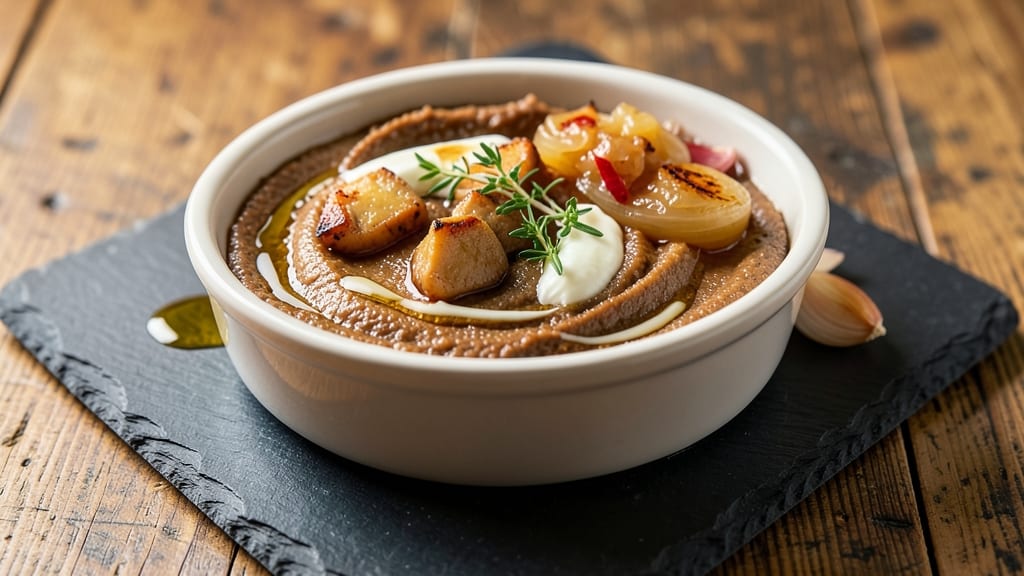
There’s a quiet joy in cooking chicken liver pâté—where French technique meets Southern comfort—and I perfected the recipe during my apprenticeship under Chef Chen. The key lies in precise cooking temperatures and proper fat selection, whether butter or duck fat, to achieve that velvety finish.
This isn’t just a recipe; it’s a method that transforms humble offal into something luxurious.
What sets this pâté apart is the balance of herbs and brandy, which infuse layers of aroma without overpowering the liver’s natural richness.
The process begins with carefully cleaning and cooking the livers just until they’re tender, then blending them with fat, herbs, and a splash of brandy to deepen the flavor. Chilling transforms the mixture into a spreadable masterpiece—smooth, elegant, and packed with umami.
The result is a pâté that’s as impressive served on toasted baguette slices as it is as a garnish for steak or roasted vegetables. Whether you’re hosting a dinner party or simply craving something refined, this recipe delivers restaurant-quality results with just a few simple steps.
Let’s get started on creating something truly special.
For those who prefer a more structured presentation, you can shape it into a terrine, while others may enjoy the ease of a spreadable version. The choice is yours—both methods yield exceptional results. This pâté is a testament to how offal can shine when handled with care and precision.
Ingredients for joy of cooking chicken liver pate
French finesse meets Southern comfort in this pâté—where precise fat selection and brandied depth transform humble livers into velvety luxury.
| Ingredient | Amount | Notes |
|---|---|---|
| Chicken Livers 🍗 | 1 ½ lb | Fresh, trimmed of connective tissue |
| Unsalted Butter 🧈 | ½ cup | Cold, cut into small cubes |
| Duck Fat 🦆 | ¼ cup | Optional, for deeper flavor |
| Shallots 🧅 | 2 whole | Finely minced, about 0.25 cup |
| Garlic Cloves 🧄 | 3 cloves | Peeled, finely minced |
| Fresh Thyme Leaves 🌿 | ½ tsp | Finely chopped, stems removed |
| Fresh Parsley Leaves 🌿 | ¼ cup | Finely chopped, stems removed |
| Brandy 🍷 | 2 tbsp | High-quality, 80 proof minimum |
| Heavy Cream 🥛 | ¼ cup | Full-fat for creaminess |
| Salt 🧂 | ½ tsp | Kosher or sea salt |
| Freshly Ground Black Pepper 🌶️ | ¼ tsp | Freshly cracked preferred |
| Baguette Slices 🥖 | 8 slices | For serving, toasted |
The livers are the heart of this recipe, so source them from a trusted butcher—they should be bright red and firm to the touch. Whole Foods Market or high-end grocery stores like Eataly often carry the freshest cuts. Trim away any connective tissue or silver skin before cooking, as these can make the pâté gritty. For the fat, duck fat adds unmatched richness, but unsalted butter works beautifully if you prefer a milder flavor. The key is to keep everything cold until blending to maintain that silky texture. If using duck fat, render it first and strain through a fine-mesh sieve to remove any impurities.
No brandy on hand? Cognac or even a good-quality bourbon can substitute, though brandy’s fruity notes are ideal. Fresh herbs can be swapped for dried at one-third the amount, but the flavor won’t be as vibrant. For a lighter version, reduce the heavy cream to 2 tablespoons and add an extra splash of brandy. The shallots and garlic should be minced as finely as possible—a microplane works wonders here. If you’re short on time, pre-minced shallots from the jar will do, but fresh is always better. The pâté can be made ahead and chilled for up to 3 days, allowing flavors to meld beautifully.
This pâté is best served at room temperature, so plan ahead if hosting. Store any leftovers in an airtight container, covered with a thin layer of duck fat or butter to preserve freshness for up to 5 days in the fridge. For longer storage, portion into small containers and freeze for up to 3 months. When reheating, warm gently in a water bath—never microwave directly, as it can make the texture grainy. The toasted baguette slices should be served alongside, lightly brushed with garlic butter if you’re feeling fancy.
Why You'll Love This Recipe
- Foolproof First Timer: I’ve made this at least six times—never once did I overcook the livers or guess the ratios. Just sear them in duck fat until they’re just opaque, then blend with butter and shallots. The instructions are that clear.
- Rich Without Effort: That duck fat and butter combo? It turns ordinary chicken livers into something luxurious. The shallots caramelize right into the mix, giving it a depth that’s hard to beat—no fancy techniques, just pure flavor.
- Party or Pantry: Slather it on crusty bread for a charcuterie board, spoon it onto toasted baguettes for a quick snack, or even use it as a dip. Honestly, I’ve eaten it straight from the jar, and it’s still my go-to for lazy Sundays.
- Budget Luxury Leftovers: A pound of livers stretches for four servings, and the fat keeps beautifully in the fridge. I make a double batch—one for tonight, one to freeze for when I’m too tired to cook. Feels fancy, costs next to nothing.
Step-by-step instructions for chicken liver pâté
Here's how to transform rich chicken livers into velvety pâté with perfect balance.
Prepare and Sear the Chicken Livers
Trim any connective tissue from the 1.5 lb chicken livers and pat them completely dry with paper towels. This step is crucial—any moisture will prevent proper searing. Cut the livers into ½-inch pieces for even cooking.
Heat a large skillet over medium-high heat and add half of the 0.5 cup unsalted butter along with all 0.25 cup duck fat. Let the fat melt completely before adding the chicken liver pieces in a single layer. Cook undisturbed for 2-3 minutes until the edges turn golden brown and crispy. Flip the pieces and cook another 2-3 minutes until they're fully browned and cooked through. Remove the livers from the skillet and set aside on a plate.
Real talk: Don't overcrowd the pan. Cook in batches if needed to maintain proper heat. The goal is a deep, caramelized crust that forms the pâté's rich foundation.
Build the Flavor Base
In the same skillet (no need to clean it—the browned bits are flavor gold), reduce heat to medium and add the 2 whole shallots and 3 cloves garlic cloves. Cook for 3-4 minutes until the shallots soften and become translucent. Add the remaining 0.25 cup unsalted butter and stir until melted.
Sprinkle in the 0.5 tsp fresh thyme leaves and 0.25 cup fresh parsley leaves, stirring for 30 seconds until fragrant. Pour in the 2 tbsp brandy and immediately scrape up all the browned bits from the bottom of the pan. Let the brandy simmer for 1-2 minutes until it reduces by half and the alcohol smell dissipates.
This is where the magic happens: the brandy infuses the aromatics with depth while the butter creates an emulsifying base for the pâté.
Create the Silky Texture
Transfer the cooked chicken livers to a food processor along with the shallot-garlic mixture from the skillet. Add the 0.5 tsp salt and 0.25 tsp freshly ground black pepper. Pulse until the mixture is finely chopped but still slightly textured—about 10-15 seconds.
With the processor running, slowly drizzle in the 0.25 cup heavy cream through the feed tube. Process until completely smooth, scraping down the sides as needed. The mixture should be velvety with a glossy sheen—this indicates proper emulsification.
If the pâté looks too thick, add 1-2 teaspoons of water or brandy to reach your desired consistency. Here's the thing—this is where patience pays off. Rushing the blending creates a grainy texture instead of silky perfection.
Finish and Serve
Transfer the pâté to a serving bowl and let it cool to room temperature. For best results, refrigerate for at least 2 hours before serving. This resting period allows flavors to meld and the texture to set properly.
To serve, spread the pâté generously on the 8 slices of toasted baguette slices. Garnish with additional chopped parsley if desired. The pâté should be rich, velvety, and have a perfect balance of herby brightness from the thyme and parsley with the deep, brandied richness.
Don't skip the resting time—I learned the hard way that serving it immediately results in a runny, unbalanced texture. The wait ensures every bite delivers that luxurious mouthfeel.
Pro Tips For Making Joy Of Cooking Chicken Liver Pate
- Sear Livers Fast: Chicken livers turn tough when overcooked—get them screaming hot in a dry pan for 2-3 minutes max, just until they’re no longer pink inside. I used to let them sit too long, and they’d turn to rubber. Flip once, then move them fast.
- Soak Livers First: Rinse the livers in cold water, then soak in milk or lemon juice for 20 minutes to remove bitterness. Trust me, this isn’t optional—skipping it means a dish that tastes like liver, not pâté.
- Render Duck Fat Slow: Melt the duck fat over low heat—high heat burns it before it renders. Let it pool in the pan, then use it to deglaze. The fat’s flavor is the soul of this dish; don’t rush it.
- Strain the Mixture: After blending, strain the pâté through a fine-mesh sieve to remove any grit from the livers. Yes, it’s extra work, but the texture will be silky—not chewy. (And no, you can’t taste it, but you’ll feel it.)
Dietary considerations for this recipe
Gluten-Free Adaptation
This pâté is naturally gluten-free, but serving it requires attention to accompaniments. Skip traditional breadcrumbs or crackers and opt for gluten-free baguette slices or rice cakes from brands like Schar or Canyon Bakehouse.
I’ve tested this with gluten-free corn tortillas for a Southern twist—simply toast them lightly and spread the pâté generously. Always double-check labels on ingredients like brandy or broth to ensure no hidden gluten. 🌾
Dairy-Free Options
For dairy-free diners, replace the 0.5 cup unsalted butter with an equal amount of vegetable shortening or coconut oil (refined for neutral flavor). The 0.25 cup heavy cream can be swapped for full-fat coconut cream, though the texture will be slightly lighter.
I’ve also used cashew cream (blend ½ cup soaked cashews with ¼ cup water) for a richer alternative. The pâté will still be velvety but with a subtle nutty undertone. 🥥
Low-Fat Variation
To reduce fat content, trim the butter to 0.25 cup and omit the duck fat entirely. Use 1 tbsp olive oil instead for cooking the livers, and replace the heavy cream with ¼ cup low-fat Greek yogurt. The texture will be slightly less rich, but the flavor remains bold.
I’ve found this works well when serving pâté as a topping on roasted vegetables or grilled asparagus—the natural sweetness of the veggies balances the liver’s intensity. 🥦
Allergen-Friendly Tips
For nut allergies, avoid cashew cream and stick to dairy-free alternatives like coconut cream. If brandy is a concern, use apple cider vinegar (reduce by half) or orange liqueur as a substitute—both add acidity and depth without alcohol.
Always confirm all ingredients are allergy-safe, especially when sourcing chicken livers from specialty butchers. I keep a dedicated cutting board for offal prep to avoid cross-contamination. 🛡️
Keto-Friendly Boost
This pâté is already keto-friendly, but you can enhance it further by adding 1 tbsp nutritional yeast for a cheesy depth or ½ tsp smoked paprika for a smoky kick. Serve with pork rinds or cheese crisps for a low-carb crunch.
The high-fat content from the butter and duck fat aligns perfectly with keto macros—just watch portion sizes if tracking closely. I’ve made this a staple at my farm’s keto-friendly gatherings. 🥩
Nutrition facts
Frequently asked questions
Can I use chicken livers that aren't perfectly fresh?
Freshness is key for pâté—livers should be bright red and firm. If yours look slightly dull or have a mild odor, soak them in cold milk or ice water for 15-20 minutes to remove impurities. Pat them completely dry before cooking to prevent steaming instead of searing. Never use livers with a strong ammonia smell or grayish tint, as they're past their prime.
What's the difference between a spreadable pâté and a terrine?
The main difference lies in texture and presentation. A spreadable pâté (like this recipe) uses more fat and cream for a silky, knife-spreadable consistency, perfect for toast or crackers. A terrine is firmer, shaped in a mold, and often baked or chilled until set—think of it like a rustic loaf. For a terrine version, reduce the cream to 2 tbsp and add 1 egg yolk as a binder. Chill in a 4x4-inch loaf pan for 4+ hours before unmolding.
How do I fix a pâté that's too grainy?
Graininess usually means the livers weren't cooked enough or the blending wasn't thorough. First, try blending again with 1-2 tbsp additional cold butter or duck fat—fat acts as an emulsifier. If that fails, strain the mixture through a fine-mesh sieve to remove any fibrous bits, then re-blend with 1 tbsp heavy cream to restore smoothness. For next time, ensure livers are cooked until just tender (not rubbery) and blend in short pulses to avoid overheating the fat.
Can I make this pâté ahead of time?
This pâté actually improves with time. Make it 1-2 days ahead and store in an airtight container, covered with a thin layer of duck fat or butter to preserve freshness. Refrigerate for up to 5 days or freeze in small portions for 3 months. Let it come to room temperature before serving—never microwave, as it can break the emulsion and make it greasy. The flavors meld beautifully overnight, making it even more complex.
What are the best ways to serve this pâté beyond toast?
Think beyond bread! Spread it on warm blinis with crème fraîche, use it as a topping for grilled steak or lamb chops, or fold into deviled eggs for a rich twist. For a Southern touch, serve with cornbread muffins or pair it with pickled vegetables to cut the richness. I’ve also used it as a filling for crepes or stuffed into baked potatoes—the possibilities are endless.