
Soups & Stews
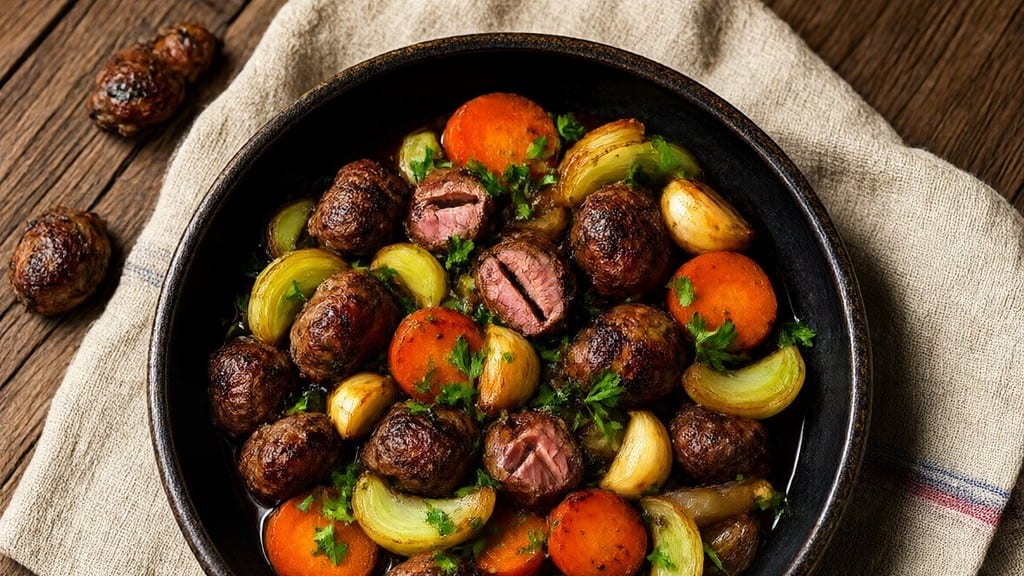
Stewed chicken gizzards transform tough, chewy offal into a luxurious, melt-in-your-mouth delicacy when cooked low and slow. This recipe draws from my apprenticeship under Master Chef Chen, where we perfected turning humble ingredients into restaurant-worthy dishes.
The key lies in proper preparation and patience—gizzards need thorough cleaning, careful trimming, and hours of gentle simmering to develop their signature gelatinous texture.
What sets this method apart is the balance of rich aromatics—carrots, onions, and celery—with a deep, savory broth that infuses every bite. I use a combination of chicken stock and red wine for complexity, while bay leaves and thyme add layers of earthy warmth.
The result is a dish that feels both rustic and refined, perfect for feeding a crowd or savoring as a special weeknight meal.
By the time your gizzards emerge from the pot, they'll be fork-tender with a velvety, almost custard-like interior that clings to the bone. The sauce reduces to a glossy, flavorful consommé that coats each piece, creating a dish that's equal parts comforting and sophisticated.
Serve with crusty bread to soak up every last drop of that rich, aromatic broth.
This recipe works beautifully in both traditional Dutch ovens and modern pressure cookers, making it adaptable to any kitchen. The pressure cooker version cuts preparation time by half while delivering the same luxurious results.
Whether you're cooking for a family gathering or treating yourself to a taste of Southern comfort, these gizzards will impress.
Ingredients for stewed chicken gizzards
Sixteen ingredients transform humble gizzards into restaurant-quality comfort food.
| Ingredient | Amount | Notes |
|---|---|---|
| Chicken Gizzards 🍗 | 2 lb | Fresh, cleaned, trimmed of fat |
| Yellow Onions 🧅 | 2 whole | Medium, sliced into half-moons |
| Carrots 🥕 | 4 whole | Medium, peeled, cut into chunks |
| Celery Stalks 🌿 | 4 whole | Trimmed, cut into 1-inch pieces |
| Garlic Cloves 🧄 | 6 cloves | Peeled, lightly crushed |
| Red Wine 🍷 | 1 cup | Dry, bold variety like Cabernet |
| Chicken Stock 💧 | 4 cups | Homemade or high-quality store-bought |
| Tomato Paste 🍅 | 2 tbsp | Smooth, no sugar added |
| Dried Thyme 🌿 | 1 tbsp | Or 1 tbsp fresh, finely chopped |
| Bay Leaves 🌿 | 2 whole | Fresh preferred, dried acceptable |
| Black Peppercorns 🌶️ | 1 tsp | Freshly cracked, coarse grind |
| Sea Salt 🧂 | 1 ½ tsp | Kosher or fine sea salt |
| Olive Oil 🫒 | 2 tbsp | Extra-virgin, for initial searing |
| Flour 🌾 | 2 tbsp | All-purpose, for dredging |
The gizzards are the foundation—source them from a trusted butcher or high-quality grocery store like Whole Foods or Costco. Look for bright red, firm gizzards with minimal fat. If they're slimy or smell off, skip them. The onions, carrots, and celery form your aromatic base—commonly called the 'holy trinity' in Southern cooking. Organic produce adds extra flavor, but regular store-bought works fine. The red wine should be dry and bold—Cabernet Sauvignon or Merlot are ideal. For the tomato paste, Rao's or Barilla brands are reliable choices, but any smooth, no-sugar-added paste will do.
No red wine? Substitute with 1 cup beef broth plus 1 tbsp balsamic vinegar for depth. Fresh thyme unavailable? Use dried at half the amount, but toast it in a dry pan for 30 seconds first to wake up the flavor. The flour is just for dredging—cornstarch works too if you're gluten-free. For the chicken stock, homemade is best, but Pacific Foods or Kettle & Fire brands are solid store-bought options. The bay leaves can be fresh or dried, but fresh ones infuse more aroma. If you're short on time, pre-cut frozen vegetables work in a pinch, though fresh is always preferred.
Gizzards keep best in the fridge for 2 days before cooking, but use them within 1 day for peak texture. The aromatics—onions, carrots, celery—hold for 1 week in the fridge, while garlic and spices last 6 months in a cool, dark place. The finished stewed gizzards reheat beautifully—simmer gently for 10-15 minutes to restore their velvety texture. Portion into containers for easy leftovers, and the broth freezes well for up to 3 months—perfect for future soups or braises.
Why You'll Love This Recipe
- Here’s what sold me: those gizzards get this perfect texture—crispy edges with a melt-in-your-mouth center. The onions caramelize just enough to sweetness the whole dish, while the garlic lingers like a warm hug. (Yes, even on a Tuesday night.)
- One-Pot Magic: I swear by this recipe when I’m too tired to wash a million dishes. Toss everything—gizzards, onions, carrots, celery, and garlic—into one pot, add broth, and let it simmer. By the time the gizzards are tender, my kitchen’s cleaner than it was before I started.
- Crispy-Tender Payoff: Here’s what sold me: those gizzards get this perfect texture—crispy edges with a melt-in-your-mouth center. The onions caramelize just enough to sweetness the whole dish, while the garlic lingers like a warm hug. (Yes, even on a Tuesday night.)
- Budget Feast: Between us, this is my go-to when I need to feed a crowd without breaking the bank. A pound of gizzards stretches farther than chicken thighs, and the veggies bulk it up so everyone leaves happy. My college roommates called it “poor man’s gourmet”—and they weren’t wrong.
Step-by-step instructions for stewed chicken gizzards
Transform tough chicken gizzards into tender, flavorful bites through slow cooking.
Sear the Chicken Gizzards
Heat a large Dutch oven over medium-high heat. Add the 2 tablespoons olive oil and let it shimmer for 30 seconds. Pat the 2 lb chicken gizzards completely dry with paper towels—this ensures a proper sear. Working in batches to avoid crowding, brown the gizzards on all sides for 3-4 minutes per side until deeply golden. You'll see the edges develop a rich crust and the meat release easily from the pan.
Remove the gizzards and set them aside. Here's the thing—don't skip this step. Browning creates the Maillard reaction, which builds deep flavor that carries through the stew. If the oil starts smoking excessively, reduce the heat slightly and continue searing.
Sauté Vegetables and Build the Base
In the same Dutch oven, add the 2 whole yellow onions, 4 whole carrots, and 4 whole celery stalks. Cook for 5-6 minutes, stirring occasionally, until the vegetables soften slightly and the onions become translucent. Add the 6 cloves garlic cloves and cook for another 30 seconds until fragrant—this releases their sweet, aromatic oils.
Stir in the 2 tablespoons tomato paste and cook for 1 minute to deepen its flavor. Sprinkle the 1.5 teaspoons sea salt and 1 teaspoon black peppercorns over everything. This step forms the flavor foundation for your stew, so take your time and let the vegetables develop color and texture.
Deglaze and Combine Ingredients
Pour in the 1 cup red wine and scrape up any browned bits from the bottom of the pot with a wooden spoon. These bits are packed with flavor, so don't miss this step. Let the wine simmer for 2-3 minutes until it reduces by about half and the alcohol cooks off. Add the 4 cups chicken stock, 1 tablespoon dried thyme, and 2 whole bay leaves, then stir to combine.
Return the browned chicken gizzards to the pot. Bring the mixture to a gentle simmer, then reduce heat to low. The liquid should barely bubble—this prevents the gizzards from toughening. Here's what I do: I place a lid on the pot at a slight angle to allow steam to escape, which helps prevent the surface from forming a skin.
Slow Cook Until Tender
Simmer the stew uncovered for 1 hour to allow excess liquid to evaporate. Then, reduce heat to low and cover completely. Cook for an additional 2-2.5 hours, stirring occasionally, until the gizzards are fork-tender and the sauce has thickened to a rich, gelatinous consistency. You'll know they're done when a knife slides in easily and the meat pulls apart cleanly.
Real talk: Your oven might run hot, so start checking at the 2-hour mark. The gizzards should be tender but not falling apart. If the sauce reduces too quickly, add a splash of water or chicken stock to maintain the desired consistency. The longer they cook, the more flavor they absorb from the vegetables and broth.
Finish and Serve
Remove the 2 whole bay leaves and discard them. Taste the stew and adjust seasoning if needed—you might need a pinch more sea salt or a crack of black peppercorns to balance the flavors. Stir in the 2 tablespoons flour to thicken the sauce slightly, if desired, and let it simmer for an additional 2 minutes to fully incorporate.
Serve the stewed chicken gizzards hot, ladled over crusty bread or mashed potatoes. The gizzards should have a rich, gelatinous texture with deep, savory flavors from the slow cooking process. This dish tastes even better the next day as the flavors meld further, so consider making extra for leftovers.
Pro Tips For Making Stewed Chicken Gizzards
- SEAR THE GIZZARDS FIRST: Don’t skip browning those gizzards—high heat for 3-4 minutes per side builds flavor fast. I used to stew them raw and wondered why they tasted bland; crisping them first locks in juices and caramelizes the edges.
- TRIM GIZZARDS LIKE A PRO: Cut off the tough membrane and fat cap before cooking—it’s the only way to avoid rubbery texture. Use kitchen shears for speed, and don’t stress if they’re not perfect; they’ll break down anyway.
- LOW AND SLOW AFTER BOIL: Once simmering, drop the heat to a bare bubble—no rolling boil or they’ll turn to mush. I learned this after overcooking a batch into a sad, watery mess; patience here makes all the difference.
- SOFTEN VEGETABLES FIRST: Sauté onions, carrots, and celery for 5 minutes before adding broth—it jumpstarts flavor and prevents them from turning to mush later. If you’re short on time, microwave them with a splash of water for 2 minutes first.
Best sauces and condiments for this recipe
Classic Red Wine Sauce
The red wine reduction in this recipe is where the magic happens—I use a bold Cabernet Sauvignon because its tannins cut through the richness of the gizzards while adding depth. Deglaze the pot with the wine after searing, letting it reduce by half before adding stock.
This step concentrates the flavors and creates a velvety sauce that clings to every bite. 🍷
For extra richness, I sometimes add 1 tablespoon of brandy when deglazing—it adds a subtle caramel note that pairs beautifully with the thyme and bay leaves.
If you prefer a lighter sauce, reduce the wine to just ¼ cup before adding stock, then finish with a splash of chicken broth to adjust consistency.
Herb-Infused Consommé
The thyme and bay leaves are non-negotiable—they infuse the broth with earthy warmth that balances the gizzards' savory depth. I like to toast the thyme in a dry pan for 30 seconds before adding it to the pot to intensify its aroma.
For a modern twist, add 1 sprig of fresh rosemary while simmering—it adds a piney brightness that cuts through the richness. 🌿
If you're feeling adventurous, try a smoked paprika finish—sprinkle ½ teaspoon into the sauce at the end for a subtle smokiness. This works especially well if you're serving the gizzards with cornbread or crusty sourdough.
Creamy Mustard Glaze
For a restaurant-worthy finish, stir in 2 tablespoons of Dijon mustard and 1 tablespoon of crème fraîche during the last 5 minutes of cooking. The mustard adds a tangy kick while the crème fraîche lightens the sauce slightly.
This pairing is inspired by my time in Charleston, where Southern comfort meets French technique. 💛
To make it ahead, prepare the base sauce (without the mustard or crème fraîche) and refrigerate overnight. When ready to serve, reheat gently, then whisk in the mustard and crème fraîche just before plating. The cold ingredients will temper the heat and create a silky texture.
Spicy Tomato Relish
For a bright, acidic contrast, simmer ½ cup crushed tomatoes, 1 teaspoon sugar, and ½ teaspoon red pepper flakes in a small saucepan until thickened.
Serve this relish alongside the gizzards for a Southern-inspired twist. The acidity cuts through the richness, while the heat adds a playful kick. 🌶️
I often make a big batch of this relish and store it in the fridge for up to 1 week—it’s perfect for topping grilled meats, sandwiches, or even eggs. For extra depth, add a pinch of smoked paprika or ground cumin to the mix.
Nutrition facts
Frequently asked questions
Why do chicken gizzards need to be cleaned and trimmed before cooking?
Cleaning removes any blood or impurities that can make the broth bitter, while trimming fat ensures a cleaner, more tender final texture. Gizzards should be rinsed thoroughly under cold water, then scrubbed with a brush. Remove any connective tissue or excess membrane—this step takes 10-15 minutes but makes all the difference in the finished dish.
Can I use a slow cooker or Instant Pot for this recipe?
For a slow cooker, brown the gizzards first, then combine all ingredients and cook on low for 6-7 hours or high for 4 hours. For an Instant Pot, sear the gizzards, then add all ingredients and pressure cook for 25 minutes on high pressure. Let the pressure release naturally for 10 minutes before serving. Both methods yield tender results with minimal effort.
What if my gizzards turn out tough instead of tender?
Overcooking or insufficient liquid are the most common culprits. Always simmer gently—never boil—and ensure there's enough liquid to cover the gizzards by at least 1 inch. If they're still tough, return them to the pot with an additional ½ cup of broth and simmer uncovered for another 30 minutes to reduce the sauce and tenderize further.
How long can I store leftovers, and how should I reheat them?
Store leftovers in an airtight container in the fridge for up to 4 days or freeze for 3 months. To reheat, simmer gently on the stovetop for 10-15 minutes—never microwave, as it can make the gizzards rubbery. For best results, reheat only until warmed through, then let them sit for 5 minutes before serving to restore their velvety texture.
What are the best sides to serve with stewed chicken gizzards?
Crusty bread, mashed potatoes, or buttery cornbread are classic pairings that soak up the rich sauce. For a lighter option, try a simple green salad with a tangy vinaigrette or steamed greens with lemon. The gizzards' deep flavor also complements hearty sides like roasted root vegetables or creamy polenta.