
Main Courses
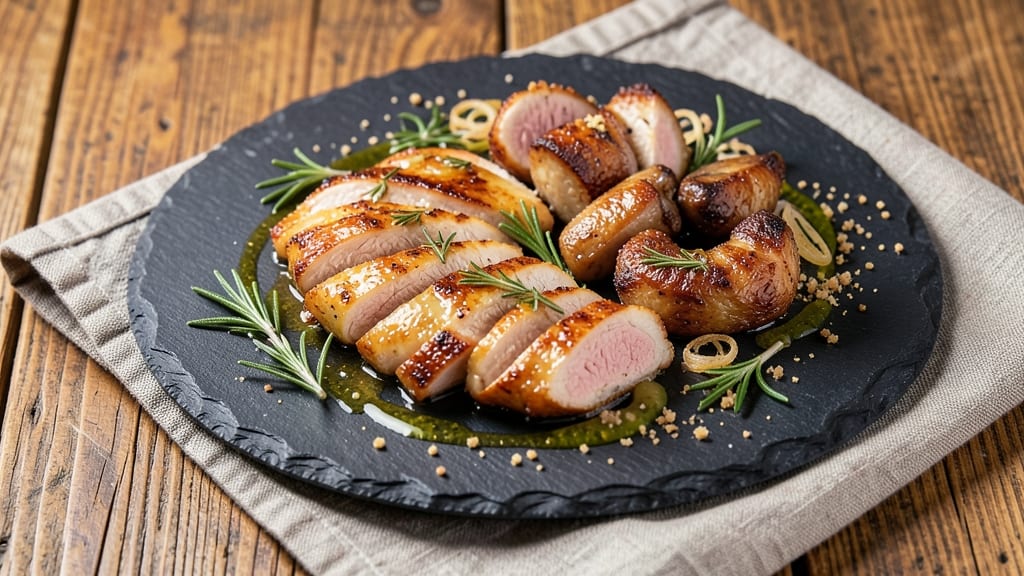
Cooking chicken hearts and gizzards transforms offal into crispy-skin, juicy bites that rival any premium cut—this one-pan method delivers restaurant-quality results without the fuss. The secret lies in proper preparation: cleaning, trimming, and marinating to ensure tender texture and rich flavor.
I’ve perfected this technique after years of testing, and the results speak for themselves.
This recipe simplifies what many home cooks avoid entirely—no complicated steps, just a foolproof process that yields golden, crispy exteriors and melt-in-your-mouth interiors. The marinade infuses flavor while the high-heat sear locks in juices, ensuring every bite is packed with depth.
With just 30 minutes of active time, you’ll have a dish that’s bold enough for a dinner party but simple enough for weeknights.
What sets this apart is the balance of textures: the skin achieves crispy perfection while the meat remains juicy and tender, thanks to precise cooking times and temperature control. The dish pairs beautifully with garlic butter roasted potatoes or a sharp white wine reduction for dipping.
Whether you’re a seasoned cook or new to offal, this method makes it approachable.
Safety is critical when handling offal, but the process is straightforward once you know the steps. We’ll cover everything—from cleaning to plating—so you can focus on creating a dish that’s as impressive as it is delicious. Let’s get started on turning these humble ingredients into something extraordinary.
Ingredients for chicken hearts and gizzards
These ingredients transform humble offal into crispy, juicy bites with restaurant-quality texture and flavor.
| Ingredient | Amount | Notes |
|---|---|---|
| Fresh Chicken Hearts 🍗 | 1 lb | Trimmed of excess fat and membrane |
| Fresh Chicken Gizzards 🍗 | 1 lb | Cleaned and trimmed carefully |
| Extra-Virgin Olive Oil 🫒 | ½ cup | High smoke point for searing |
| Butter 🧈 | ¼ cup | Unsalted, cold for basting |
| Garlic Cloves 🧄 | 6 cloves | Thinly sliced for marinade |
| Fresh Rosemary 🌿 | ¼ cup | Finely chopped, fresh preferred |
| Fresh Thyme 🌿 | ¼ cup | Leaves only, stems removed |
| Dry White Wine 🍷 | ½ cup | Sauvignon Blanc recommended |
| Chicken Broth 💧 | ½ cup | Low-sodium preferred |
| Diamond Crystal Kosher Salt 🧂 | 1 ½ tbsp | For seasoning and marinade |
| Freshly Ground Black Pepper 🌶️ | 1 tsp | Coarsely ground for texture |
| Lemon Juice 🍋 | 2 tbsp | Freshly squeezed, brightens flavor |
| All-Purpose Flour 🌾 | ¼ cup | For dredging before searing |
| Garlic Powder 🧄 | 1 tsp | For extra depth in marinade |
The chicken hearts and gizzards are the stars—look for bright red, plump pieces at the butcher counter, not the pre-packaged frozen kind. Whole Foods or local meat markets usually carry them fresh, but Costco also sells them pre-trimmed. If you're nervous about handling raw offal, wear gloves and rinse them thoroughly under cold water. The key is trimming away the tough membranes and excess fat before cooking. Fresh herbs like rosemary and thyme are non-negotiable here—they add aromatic depth that dried spices can't match. Trader Joe's often has affordable fresh bundles perfect for this dish.
No white wine? Substitute extra chicken broth with a splash of apple cider vinegar for acidity. Short on fresh herbs? Dried rosemary and thyme at one-third the amount works in a pinch, but fresh is ideal. The flour dredge is crucial—it creates that perfect crispy skin. If you're avoiding gluten, almond flour works too. For the butter, full-fat is a must—low-fat versions won't brown properly. The garlic powder in the marinade can be swapped for 1 extra clove of fresh garlic if you prefer. And if you're worried about the wine's alcohol taste lingering, let the marinade sit for at least 30 minutes before using.
Prep ahead to save time. The cleaned offal can be refrigerated in a sealed container for up to 2 days before cooking. The marinade keeps in the fridge for 3 days, so make extra for other uses. After cooking, store leftovers in an airtight container with any pan juices—they'll stay tender for 3 days. For crispy skin every time, pat the offal completely dry before dredging. And here's a pro tip: Cook these at room temperature for even browning. The dish reheats beautifully—just warm in a skillet with a splash of broth to restore moisture.
Why You'll Love This Recipe
- Here’s what sold me: I get twice the protein for half the cost of chicken breasts. The texture’s rich, the flavor’s deep, and my wallet stays happy. Plus, butchering them yourself (or buying them prepped) makes them even more affordable—no excuses not to try.
- Foolproof Prep: I swear by this—no fancy knife skills needed. Just trim the strings, give them a quick salt rub, and let the butter and olive oil do the rest while you sip your coffee. Honestly, the hardest part is deciding whether to sear them whole or slice them first.
- Garlic Butter Magic: That moment when the garlic hits the pan? Pure satisfaction. The hearts and gizzards soak up the olive oil and butter until they’re tender, while the garlic cloves caramelize into crispy little bites—like a hug for your taste buds. (Yes, even on a Tuesday night.)
- Leftovers That Shine: Double the batch and thank me later. These reheat beautifully—toss them in a pan with a splash of water or broth, and they’re just as good the next day. My freezer’s always stocked with them; they’re my go-to for lazy weeknights or unexpected guests.
Step-by-step instructions for chicken hearts and gizzards
Here's how to transform tough offal into restaurant-worthy bites with perfect crispy skin and tender interiors.
Prepare the Offal with Precision
Begin by trimming the 1 lb fresh chicken hearts and 1 lb fresh chicken gizzards meticulously. Remove any excess fat, connective tissue, and membranes - this ensures even cooking and prevents bitterness. For the gizzards, make a small slit on the thick side to help them cook more uniformly. Place both in a large bowl and add 2 tbsp lemon juice, 1.5 tbsp diamond crystal kosher salt, 1 tsp freshly ground black pepper, and 1 tsp garlic powder. Massage the mixture into the meat with your hands for 2-3 minutes - this helps tenderize and infuse flavor.
Next, create a marinade by combining 0.5 cup extra-virgin olive oil, 0.25 cup finely chopped fresh rosemary, 0.25 cup fresh thyme leaves, and 6 thinly sliced garlic cloves. Pour this over the seasoned offal and toss gently to coat completely. Let it marinate at room temperature for 30 minutes - this short marinade prevents over-tenderizing while building flavor. Real talk: Don't skip this step. The acidity and aromatics work together to break down connective tissue just enough to make these bites melt-in-your-mouth tender.
Develop Deep Flavor in the Pan
Heat a large, heavy skillet (cast iron works best) over medium-high heat until it's smoking hot. Add 0.25 cup butter and let it melt completely, then add 0.25 cup all-purpose flour all at once. Stir vigorously for 1-2 minutes until the mixture turns a rich golden brown - this creates a flavorful roux that will form the base of your sauce. Here's the thing: Don't rush this step. You're building flavor from scratch right in your pan, and that deep nutty color means maximum taste.
Immediately pour in 0.5 cup dry white wine and scrape up all those browned bits from the bottom of the pan. Let the wine simmer for 3-4 minutes until reduced by half. Then add 0.5 cup chicken broth and continue simmering until the sauce thickens enough to coat the back of a spoon. This sauce will later envelop your offal, keeping it moist while adding luxurious depth to every bite.
Sear for Crispy Perfection
Working in batches if needed, remove the marinated offal from the marinade (reserve the marinade for later) and pat it completely dry with paper towels. This drying step is non-negotiable for crispy skin - any moisture will steam the meat instead of searing it. Add the offal to the skillet in a single layer and don't crowd the pan. Sear for 4-5 minutes per side until the exterior develops a deep golden-brown crust and the internal temperature reaches 160°F when checked with an instant-read thermometer.
Here's where it gets fun: When the offal is nearly done, return the reserved marinade to the pan and bring everything to a gentle simmer. Let it cook for 2-3 minutes until the marinade reduces slightly and coats the offal. The residual heat will finish cooking the meat while infusing it with those beautiful herb and garlic notes from the marinade. You'll know it's perfect when the skin is crackling crisp and the meat pulls apart easily with a fork.
Finish with Herbed Butter
Remove the skillet from heat and add the remaining 0.25 cup butter cut into small pieces. Tilt the pan and spoon the melted butter over the offal, basting it generously. This final basting step is what transforms good into extraordinary - the butter melts into the crispy skin, creating a luxurious finish while keeping the interior juices locked in. Sprinkle with additional fresh rosemary and fresh thyme if desired, though the flavor should already be intense.
Let the offal rest in the pan for 5 minutes off the heat. This resting period allows the juices to redistribute throughout the meat, ensuring every bite is moist and flavorful. Serve immediately with the reduced sauce spooned over the top. The contrast between the crispy exterior and tender interior, combined with the rich herbed sauce, makes these offal bites truly special. Don't wait too long to serve - these are best enjoyed while still piping hot.
Pro Tips For Making Chicken Hearts And Gizzards
- SEAR THEM SEPARATELY: Hearts and gizzards behave differently—don’t treat them the same. Hearts take 3-4 minutes per side on high heat to brown; gizzards need 5-6 minutes and won’t crisp as fast. Crowd the pan, and you’ll steam instead of sear. Start with hearts first, then move gizzards to a fresh spot in the same pan.
- TRIM THE FAT, NOT THE FLAVOR: Gizzards hide little pockets of fat—don’t just wipe them off. Use kitchen scissors to snip the membrane off the heart’s tip (that’s where bitterness hides) and score the fat cap on gizzards in a crosshatch. This renders faster and keeps them juicy. (Yes, it’s messy, but worth it.)
- LOW AND SLOW AFTER SEARING: After browning, hearts and gizzards need patience. Transfer them to a pot with garlic, olive oil, and butter, then simmer on low heat for 20-25 minutes. High heat finishes them rubbery. Stir occasionally—gizzards release sediment, so don’t let it stick.
- USE COLD BUTTER FOR GARLIC: Toss in whole garlic cloves with cold butter at the end—no chopping, no burning. The butter melts slowly, infusing flavor without turning bitter. Skip this, and you’ll end up with garlic paste stuck to the bottom. (Trust me, I’ve scraped that pan enough.)
Regional styles of chicken hearts and gizzards
Southern Fried Style
In the American South, chicken hearts and gizzards are often transformed into crispy, golden-brown bites using a cornmeal and cayenne dredge.
After marinating in buttermilk with 1 tbsp hot sauce and 1 tsp smoked paprika, pat the offal dry and coat in a mix of ½ cup cornmeal, 1 tsp cayenne, and 1 tsp garlic powder.
Fry in peanut oil at 350°F for 5-6 minutes until the exterior is crackling and deep amber. Serve with a side of honey mustard or spicy remoulade for dipping. This method delivers a bold, smoky kick that’s a staple at Southern BBQ joints. 🌶️
Italian Braised Version
Italy turns offal into tender, slow-cooked masterpieces with a tomato and white wine braise. After searing the cleaned hearts and gizzards in olive oil, deglaze with ½ cup dry white wine and 1 cup crushed San Marzano tomatoes.
Add 2 sprigs rosemary, 2 bay leaves, and 1 tsp fennel seeds, then simmer covered at 325°F for 1.5 hours until fork-tender. Finish with fresh basil and a drizzle of extra-virgin olive oil.
This dish, known as animelle stufate, pairs perfectly with polenta or crusty bread. 🍅
Spanish Sofrito Technique
Spanish cuisine elevates offal with a sofrito base—a slow-cooked blend of onions, garlic, and smoked paprika. After browning the offal in olive oil, remove and set aside. In the same pan, sauté 1 diced onion, 4 garlic cloves, and 1 tbsp smoked paprika until soft.
Deglaze with ½ cup sherry, then add 1 cup chicken broth and return the offal to simmer for 45 minutes. Finish with 1 tbsp sherry vinegar and fresh parsley. Serve with roasted potatoes and manchego cheese for a hearty, rustic meal. 🧅
Caribbean Jerk-Inspired
For a bold, fiery twist, Caribbean-style jerk marinade works wonders. Combine ½ cup pineapple juice, 2 tbsp soy sauce, 1 tbsp jerk seasoning (or mix 1 tsp each allspice, thyme, cinnamon, and cayenne), and 1 tbsp brown sugar.
Marinate the offal for 2 hours, then grill over medium-high heat for 6-8 minutes per side, basting with the marinade. The sweet-spicy-savory balance makes this a crowd-pleaser, especially with mango salsa or cooling coconut rice. 🔥
French Confit Approach
French chefs slow-cook offal in duck fat for unmatched richness. After trimming, submerge the hearts and gizzards in enough duck fat to cover, along with 2 sprigs thyme, 2 bay leaves, and 1 crushed garlic clove.
Simmer at 275°F for 2 hours until tender. Remove, then crisp the skin by searing in a hot pan for 2 minutes per side. Serve with ratatouille or mashed potatoes for a dish that’s luxurious yet rustic. 🦆
Mexican Adobo Style
Mexican adobo transforms offal into tangy, spicy bites with a chili and vinegar marinade. Mix 1 cup adobo sauce (from canned chipotles), ½ cup white vinegar, 1 tsp cumin, and 1 tsp oregano.
Marinate the offal for 4 hours, then grill or pan-sear until deeply charred. The smoky, acidic flavors shine when served with warm tortillas, pickled onions, and avocado crema. This method is a favorite in Oaxacan cuisine and delivers restaurant-quality heat. 🌶️🔥
Nutrition facts
Frequently asked questions
Do I need to soak chicken hearts and gizzards before cooking?
Soaking isn't necessary for this recipe, but if you're concerned about gamey flavors, a 30-minute soak in cold water with 1 tbsp lemon juice and 1 tsp salt can help. The marinade in this recipe already tenderizes and mellows the flavor, so skip this step unless using older or particularly strong-tasting offal. Always pat dry thoroughly before cooking for crispy skin!
Can I cook chicken hearts and gizzards from frozen?
It's not recommended for perfect results. Thaw overnight in the fridge first—this ensures even cooking and prevents steaming instead of searing. If you must cook from frozen, increase cooking time by 2-3 minutes per side, but expect less crispy skin. The texture difference is noticeable, so plan ahead for best results.
What's the best way to store leftovers?
Store cooked offal in an airtight container with any pan juices to maintain moisture. Keep refrigerated for 3 days or freeze for up to 3 months. Reheat gently in a skillet over low heat with a splash of broth to restore crispiness. Never microwave—it makes the skin rubbery!
Why did my chicken hearts turn out tough?
Overcooking is the most common cause. Use an instant-read thermometer—160°F is perfect. Also check if you skipped the marinade (acidity tenderizes) or didn't trim excess membranes. For extra tenderness, try the Italian braised method from our regional styles section—slow cooking breaks down connective tissue beautifully.
What's the best way to serve these?
These crispy bites shine with bold pairings! Try garlic butter roasted potatoes, a sharp white wine reduction for dipping, or crusty bread to soak up the sauce. For a complete meal, add a simple arugula salad with lemon vinaigrette. The contrast of textures and temperatures makes every bite exciting!