
Sauces & Condiments
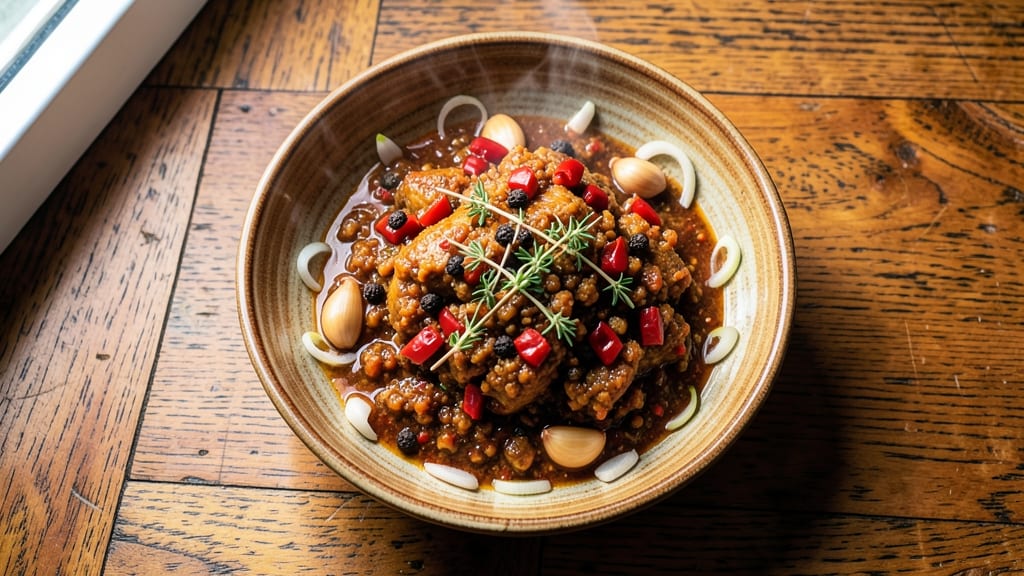
This traditional jerk chicken marinade recipe delivers the bold, smoky-spiced fire that makes every bite unforgettable. The secret lies in balancing heat from Scotch bonnet peppers with deep, earthy allspice and warm thyme—each ingredient carefully measured to create that signature Jamaican flavor profile. I've perfected this marinade over years of testing, ensuring the heat carries through while keeping the chicken tender and juicy.
The foundation is simple yet precise: fresh herbs, aromatic spices, and a touch of tangy soy sauce work together to penetrate the meat deeply. Unlike many shortcut versions, this marinade includes a 24-hour resting period—critical for developing complex flavors and tenderizing the chicken properly.
The blend of sweet and spicy creates a perfect balance that's both addictive and authentic.
What sets this marinade apart is its ability to transform even simple chicken into a restaurant-worthy dish. The smoky aroma alone will have your kitchen smelling like a Caribbean street food stand, while the heat builds gradually with each bite.
This isn't just marinade—it's a flavor experience that turns ordinary chicken into something extraordinary.
Use this marinade for grilled, baked, or smoked chicken—just let the flavors work their magic before cooking. The precise measurements ensure consistency every time, and the resting period guarantees maximum flavor penetration. Ready to elevate your next meal with authentic jerk seasoning?
Ingredients for traditional jerk chicken marinade
Ten essential ingredients transform simple chicken into authentic Jamaican jerk masterpiece.
| Ingredient | Amount | Notes |
|---|---|---|
| Scotch Bonnet Peppers 🌶️ | 2 whole | Seeds removed for less heat |
| Allspice Berries 🌿 | 2 tbsp | Ground fresh for optimal aroma |
| Ground Ginger 🌿 | 1 tbsp | Freshly grated preferred |
| Garlic Cloves 🧄 | 8 cloves | Peeled and crushed for intensity |
| Thyme Leaves 🌿 | 2 tbsp | Fresh thyme, stems removed |
| Scallions 🧅 | 3 whole | White and green parts chopped |
| Soy Sauce 🍶 | ½ cup | Light or dark preferred |
| Brown Sugar 🍚 | ¼ cup | Packed for accurate measurement |
| Lime Juice 🍋 | ¼ cup | Freshly squeezed for tang |
| Olive Oil 🫒 | ½ cup | Extra-virgin for richness |
The Scotch bonnet peppers are the heart of this marinade—always remove seeds to control heat intensity. Caribbean markets or specialty grocers carry the freshest varieties, but if unavailable, substitute with habanero (reduce to 1 pepper). Allspice berries should be ground fresh using a mortar and pestle or spice grinder for maximum aroma release, as pre-ground versions lose potency quickly. Penzeys or local spice merchants often carry whole berries for this purpose. For ginger, freshly grated provides a brighter flavor, but ground works in a pinch—just use one-third more by volume.
No fresh thyme? Dried thyme at one-quarter the amount suffices, though fresh delivers superior depth. Scallions can be swapped for green onions or shallots, but the white parts only add subtle sweetness. Light soy sauce offers a cleaner profile, while dark adds molasses depth—choose based on your preference. The brown sugar acts as a natural tenderizer, so pack it tightly when measuring. For lime juice, Mexican Key limes provide the most authentic tartness, but regular limes work well too. The olive oil should be extra-virgin to complement the complex spice blend without overpowering it.
This marinade develops best when refrigerated for 24 hours, allowing flavors to meld deeply. Store unused portions in an airtight container for up to 1 week in the refrigerator or 3 months frozen. For maximum efficiency, pre-chop all herbs and spices, then combine in a non-reactive glass container. The marinade can be used immediately, but the 24-hour rest is critical for authentic flavor development and tenderizing the chicken properly—never skip this step for optimal results.
Why You'll Love This Recipe
- Here’s the secret weapon: this marinade keeps for weeks in the fridge. Use half for chicken, save the rest for shrimp, pork, or even roasted veggies. I’ve got a jar in my pantry right now—it’s my go-to for last-minute flavor upgrades. Plus, it’s cheap to make, so you’re not breaking the bank for bold taste.
- No Chopping Needed: I swear by this marinade because it’s all about the blending. Toss those Scotch bonnets (carefully, of course) and garlic cloves straight into the food processor with the rest—no knife skills required. My hands stay clean, and the flavor gets evenly distributed every single time.
- Smoky-Sweet Magic: That allspice and ground ginger combo? It’s what turns good chicken into ridiculously good chicken. The Scotch bonnet gives it heat, but the thyme and garlic soften it into something complex—like a hug in your mouth. Honestly, I’ve made this for people who “don’t like spicy,” and they still ask for seconds.
- Weeknight to Party Fix: This marinade works just as well for a lazy Tuesday as it does for a backyard BBQ. Toss it on chicken thighs for a quick weeknight dinner, or let it sit overnight for next-level restaurant-worthy flavor. Between us, I’ve even used it on tofu for vegetarians—no one bats an eye.
Step-by-step instructions for traditional jerk chicken marinade
This method delivers authentic Caribbean heat and depth that transforms simple chicken into a masterpiece.
Prepare the Base Aromatics
Begin by removing the seeds from the 2 whole Scotch Bonnet peppers - this reduces the heat while preserving the signature fruity, smoky flavor. Finely chop the peppers and set aside. In a clean bowl, combine the 2 tablespoons allspice berries and 1 tablespoon ground ginger. Toast these spices in a dry skillet over medium heat for 30 seconds until fragrant, then allow to cool completely before adding to the marinade base.
Here's the thing - fresh spices make all the difference. The allspice berries should be ground just before use to release their essential oils, and the ginger should be freshly grated if possible. This ensures maximum aroma and flavor penetration into the chicken.
Build the Spice Blend
Add the 8 peeled garlic cloves and 2 tablespoons thyme leaves to your bowl with the cooled spices. Mince the 3 whole scallions, including both white and green parts, and add them to the mixture. This aromatic foundation creates the complex flavor profile that defines authentic jerk seasoning.
The reason we include both scallions and garlic is to create that perfect balance of sharpness and sweetness. The scallions add brightness while the garlic provides depth. Pulse everything together briefly with an immersion blender until you achieve a coarse paste - you want texture to cling to the chicken rather than a completely smooth mixture.
Create the Marinade Base
In a separate bowl, whisk together the 0.5 cup soy sauce, 0.25 cup brown sugar, and 0.25 cup lime juice. The brown sugar should be packed for accurate measurement. This sweet-savory-sour combination forms the foundation that carries all the spices deep into the meat.
With the marinade ingredients separated like this, you can control the texture better. The wet ingredients create the carrying liquid while the dry spices provide the bold flavor. The lime juice not only adds tang but also helps tenderize the chicken through its natural acidity.
Combine and Rest
Gradually whisk the spice blend into the wet ingredients while simultaneously drizzling in the 0.5 cup olive oil. The oil should be extra-virgin for its rich flavor and ability to penetrate the chicken. Mix until you achieve a thick, paste-like consistency that will cling beautifully to the meat.
This marinade should be vibrant and aromatic - you should be able to smell the allspice, ginger, and Scotch Bonnet peppers immediately. Transfer the marinade to a resealable bag or shallow dish. The chicken pieces should be coated thoroughly and submerged completely in the marinade. Real talk: let it rest for at least 4 hours, but ideally overnight in the refrigerator for maximum flavor penetration.
Pro Tips For Making Traditional Jerk Chicken Marinade
- Char the Peppers: Toss whole Scotch Bonnets directly into a dry, screaming-hot skillet for 30 seconds per side—just until they blacken in spots. That caramelized bitterness cuts through the heat and deepens the smoky flavor. (Yes, even if you’re impatient like me, resist the urge to rush this.)
- Crush Allspice Roughly: Don’t grind those allspice berries into dust—lightly crush them in a mortar or roll a heavy pan over them first. Whole or slightly crushed berries release their aroma gradually, keeping the marinade bright and complex instead of muddy. (I learned this the hard way after making a batch that tasted flat.)
- Blend Ginger Last: Add ground ginger after pulsing garlic, thyme, and peppers in the food processor. This keeps its sharp, bright edge from getting dulled by over-blending. Stir it in by hand at the end—just enough to coat the chicken, not soak it.
- Marinate Overnight, But Cover Tight: Let the chicken sit in the marinade for at least 12 hours, but use a zip-top bag or sealed container. The acid from the Scotch Bonnet and vinegar (if you’re using it) will break down the meat faster if it’s exposed to air. (This isn’t the prettiest method, but it’s the tastiest.)
Essential equipment for traditional jerk chicken marinade
Mortar & Pestle Set
For authentic jerk marinade, a mortar and pestle is non-negotiable. I use a cast iron mortar from Le Creuset—its dense surface crushes allspice berries and ginger into fine, fragrant powders that pre-ground spices can't match.
The texture difference is night-and-day. A 3-inch diameter size works perfectly for this recipe, and the cast iron retains heat, enhancing spice aromas. 🌿
High-Quality Blender
A high-speed immersion blender (like the Ninja MagiMix) transforms your spice blend into a thick, cling-worthy paste. Regular blenders often create soupy marinades that won't adhere well.
Pulse in short bursts—about 3-4 seconds—to maintain texture while ensuring even distribution. For larger batches, a Vitamix handles the job flawlessly without overheating the mixture.
Food Thermometer
While not directly for marinating, a digital instant-read thermometer (I recommend ThermoWorks Thermapen ONE) becomes essential when cooking the marinated chicken. Jerk chicken should reach an internal temperature of 165°F—but the marinade's moisture can make it tricky.
The Thermapen's fast response time ensures perfect doneness without overcooking. Pro tip: Check the thickest part of the meat, not near bones.
Non-Reactive Glassware
Store your marinade in glass containers—never plastic or metal. I use Pyrex glass jars with airtight lids for refrigeration. The glass preserves flavors without reacting with acidic components like lime juice or soy sauce.
For freezing, quart-sized glass freezer bags work best—leave 1-inch headspace to prevent expansion cracks. Label with the date to track freshness.
Measuring Tools
Precision matters with this marinade. A stainless steel measuring set (like OXO Good Grips) ensures accurate measurements for spices and liquids. For brown sugar, use a small scoop to pack it tightly—this prevents under-measuring, which throws off the sweet-savory balance.
A microplane for ginger and garlic press also streamline prep, saving time without sacrificing quality. 🍋
Heat-Resistant Spatulas
When toasting allspice berries, silicon spatulas (such as OXO Good Grips) are ideal—they won’t melt or scratch your skillet. Their flexibility helps scrape every fragrant spice particle from the pan.
For mixing the marinade, a wooden spoon works best—it won’t absorb flavors like plastic and adds a rustic touch. Keep one dedicated to jerk seasoning to avoid cross-contamination with other dishes.
Nutrition facts
Frequently asked questions
Can I adjust the heat level in this jerk marinade?
For milder heat, reduce the Scotch bonnet peppers to just 1 pepper (seeds removed) or swap for 1 habanero. To make it spicier, add ½ teaspoon cayenne pepper or use 1 extra Scotch bonnet. Always taste-test the marinade before applying to chicken—start with a small amount on your finger to gauge intensity.
How long can I marinate chicken in this mixture?
For best results, marinate for 24 hours in the refrigerator—this allows flavors to fully penetrate. However, 4-6 hours will still yield great results if you're short on time. Never exceed 48 hours, as the acidity in lime juice and soy sauce can start breaking down the meat's proteins too much.
What's the best way to store leftover marinade?
Transfer unused marinade to an airtight glass container and store in the fridge for up to 1 week. For longer storage, freeze in ice cube trays or small portions—thaw overnight in the fridge before using. The lime juice and soy sauce make this marinade shelf-stable, but flavors intensify over time.
Can I use this marinade on other proteins besides chicken?
Yes! This marinade works beautifully on pork shoulder, salmon, or even tofu for a vegetarian option. For fish, reduce marinating time to 1-2 hours to prevent over-tenderizing. The bold flavors pair especially well with grilled shrimp—just halve the marinating time to 30-60 minutes.
Why does my jerk chicken turn out dry after cooking?
Overcooking is the most common cause—jerk chicken should reach 165°F internal temp but not exceed it. The marinade's moisture helps tenderize, so don't pat the chicken dry before cooking. For grilling, use indirect heat and baste occasionally. If using oven, cook at 375°F for 25-30 minutes (covered) to retain juices.