
Main Courses
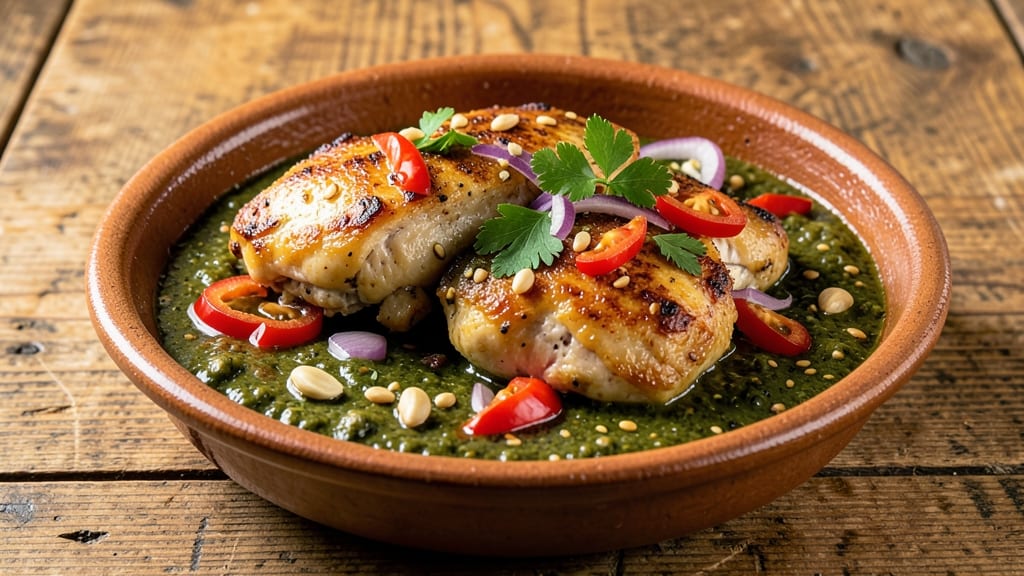
This chicken egusi recipe brings the rich, nutty essence of West African cuisine to your kitchen table with tender chicken swimming in a velvety seed stew. The blend of ground melon seeds—egusi—creates a uniquely textured, earthy base that transforms simple ingredients into a dish bursting with depth.
I first discovered this recipe during a visit to Nigeria, where it’s a staple for family gatherings and celebrations.
The secret to perfecting this dish lies in balancing the nutty flavor of the egusi with aromatic spices and fresh vegetables. Unlike many stews, the egusi paste requires careful blending to avoid bitterness, while the chicken needs just enough time to become fork-tender without drying out.
This recipe delivers restaurant-quality results with a method that’s surprisingly straightforward for home cooks.
By the time you serve this dish, your kitchen will smell like a bustling Nigerian market, and every bite will reveal layers of flavor—smoky, savory, and subtly sweet. The stew’s thick, creamy consistency clings to the chicken, while the vegetables add freshness and crunch.
It’s a dish that feels both comforting and celebratory, perfect for weeknight dinners or special occasions.
The beauty of this recipe is its versatility—serve it with jollof rice, pounded yam, or even crusty bread to soak up every last drop. The leftovers reheat beautifully, making it ideal for meal prep. Let’s bring this West African classic to life in your kitchen.
Ingredients for chicken egusi
Fourteen ingredients blend West African warmth with home kitchen simplicity for this nutty, tender chicken stew.
| Ingredient | Amount | Notes |
|---|---|---|
| Chicken Thighs 🍗 | 1 ½ lb | Bone-in, skin-on for flavor |
| Egusi Seeds 🌰 | 1 cup | Ground melon seeds, unsweetened |
| Fresh Bell Peppers 🧅 | 2 whole | Mixed colors, chopped |
| Fresh Tomatoes 🍅 | 4 whole | Medium, chopped |
| Onions 🧅 | 1 whole | Yellow, chopped |
| Garlic Cloves 🧄 | 6 cloves | Minced, fresh preferred |
| Scotch Bonnet Peppers 🌶️ | 1 whole | Seeds removed, chopped |
| Fresh Spinach 🌿 | 2 cups | Chopped, loosely packed |
| Vegetable Oil 🫒 | ½ cup | Light, for frying |
| Chicken Bouillon Cubes 🍲 | 2 whole | Dissolved in 1 cup water |
| Ground Black Pepper 🌶️ | 1 tsp | Freshly ground preferred |
| Sea Salt 🧂 | 1 ½ tsp | Adjust to taste |
| Dried Thyme 🌿 | 1 tsp | Or 1 tbsp fresh thyme |
| Dried Ginger 🌿 | ½ tsp | Ground, aromatic |
| Palm Oil 🫒 | ¼ cup | Red palm oil preferred |
The egusi seeds are the heart of this dish—look for unsweetened, ground melon seeds at African markets or specialty stores like African & Caribbean Foods. If you can't find them, sunflower seeds work in a pinch, though the flavor will differ slightly. The chicken thighs should have visible fat marbling for juiciness; bone-in, skin-on pieces stay moist longer. Fresh bell peppers add vibrant color and a slight crunch, but frozen chopped peppers save time without sacrificing flavor. For the scotch bonnet, wear gloves—it's fiery! If you can't find it, jalapeno with seeds removed provides a milder heat.
No red palm oil? Vegetable oil or coconut oil works, but the dish loses its signature rich color. The bouillon cubes can be swapped for homemade chicken stock—just add salt to taste. Fresh spinach is ideal, but frozen chopped spinach thaws quickly and works well. For extra depth, toast the ground spices (thyme, ginger, black pepper) in a dry pan for 30 seconds before adding to the stew. The tomatoes should be ripe but firm—San Marzano canned tomatoes are a great shortcut if fresh aren't available. Always chop the onions finely; they're the base flavor foundation.
Store the cooked stew in airtight containers for up to 5 days in the fridge, where flavors deepen overnight. Freeze portions for 3 months—the palm oil solidifies but blends back in when reheated. For meal prep, double the recipe and freeze half. The egusi paste can be made ahead and stored in the freezer for 6 months; just thaw and blend with water before using. Serve with jollof rice or pounded yam, but crusty bread is perfect for soaking up every last bite.
Why You'll Love This Recipe
- One-Pot Wonder: I swear by this—egusi and chicken simmer together in the same pot, no extra dishes. Just brown the thighs, toss in chopped veggies and seeds, then let it bubble. Honestly, the cleanup is almost as good as the meal.
- Nutty, Rich Depth: That toasted egusi? It’s the star—earthy, slightly bitter, then creamy when cooked. The bell peppers add sweetness, but the tomatoes and onions tie it all into something ridiculously satisfying that lingers.
- Weeknight to Gatherings: Make a big batch on Sunday, and you’ve got leftovers for lunches all week. Or double it for a potluck—it’s hearty enough for a crowd but still feels special, not heavy.
- Budget-Friendly Protein: Chicken thighs stretch further than breasts, and egusi is a pantry staple that costs pennies. Fresh tomatoes and peppers bulk it up, so you’re feeding everyone without breaking the bank. (Yes, even on a Tuesday night.)
Step-by-step instructions for chicken egusi recipe
Here's how to achieve perfectly tender chicken and rich nutty egusi sauce every time.
Prepare and Season the Chicken
Pat the 1.5 lb chicken thighs dry with paper towels, removing any excess moisture. Season both sides generously with 1.5 tsp sea salt, 1 tsp ground black pepper, 1 tsp dried thyme, and 0.5 tsp dried ginger. Let them sit at room temperature for 15 minutes while you prepare the other ingredients.
This seasoning step is crucial—it allows the spices to penetrate the meat and develop deeper flavor. The chicken should be fully coated with the spice mixture, with visible crystals on the surface. Don't skip this resting period; it ensures even cooking and maximum flavor infusion.
Sear the Chicken in Palm Oil
Heat 0.25 cup palm oil in a large pot over medium-high heat until shimmering. Add the seasoned chicken thighs skin-side down and cook for 5-6 minutes until the skin is golden brown and crispy. Flip the chicken and cook for another 4-5 minutes until the internal temperature reaches 160°F.
Here's where the magic happens: the palm oil creates a rich, nutty base while the high heat renders fat from the chicken skin. You'll notice the oil bubbling vigorously—this is normal. If the chicken browns too quickly, reduce the heat slightly to prevent burning. Remove the chicken and set aside on a plate.
Build the Egusi Sauce Base
In the same pot, add 0.5 cup vegetable oil and heat over medium heat. Add the chopped 1 whole onion and cook for 3-4 minutes until softened. Add the 6 cloves minced garlic and cook for 30 seconds until fragrant. Stir in the chopped 2 whole fresh bell peppers, 4 whole fresh tomatoes, and 1 whole scotch bonnet pepper (seeds removed), cooking for 5 minutes until the vegetables begin to soften.
The reason we cook the vegetables first is to build flavor depth through the Maillard reaction. You'll notice the mixture becoming more aromatic and slightly caramelized. This step forms the flavor foundation for your sauce. If the vegetables stick to the pot, add a splash of water to deglaze and scrape up the browned bits.
Incorporate the Egusi and Bouillon
Add the 1 cup egusi seeds to the pot and stir continuously for 2-3 minutes until they begin to release their nutty aroma. Pour in 1 cup water where you've dissolved the 2 whole chicken bouillon cubes, then add the 2 cups chopped fresh spinach. Stir well to combine all ingredients.
This is where the sauce transforms from simple vegetables into a rich, nutty concoction. The egusi seeds will expand slightly as they absorb moisture, creating that signature thick, creamy texture. Let the mixture simmer gently for 8-10 minutes, stirring occasionally, until the spinach wilts completely and the sauce thickens.
Combine and Simmer to Perfection
Return the seared chicken thighs to the pot, spooning the sauce over them to coat completely. Cover the pot and simmer on low heat for 15-20 minutes, turning the chicken occasionally, until the chicken is fully tender and the sauce has thickened to your desired consistency.
You'll know it's done when the chicken easily pulls apart with minimal resistance and the sauce has a velvety texture. The chicken should have absorbed the rich, nutty flavors of the egusi and vegetables. If the sauce is too thick, add a splash of water or chicken broth to reach your preferred consistency. Serve immediately while hot.
Pro Tips For Making Chicken Egusi
- Roast the Chicken First: Skip the raw chicken in the stew—it’ll turn rubbery. Brown the thighs in a hot pot with oil (skin-side down) until golden, then set aside. I learned this the hard way when my first batch tasted like boiled rubber.
- Toast the Egusi: Dry-toast the egusi seeds in a low oven (300°F/150°C) for 5-7 minutes before grinding. This removes bitterness and makes the paste smoother—trust me, your sauce will thank you.
- Blend Tomatoes with Skin: Leave the tomato skins on when blending—yes, even if they’re blemished. The skins add depth to the sauce, and peeling them just makes the dish taste flatter. (I know, it’s counterintuitive.)
- Simmer, Don’t Boil: After adding the egusi paste, keep the heat low and let it bubble gently. High heat burns the seeds and makes the sauce bitter—like a bad stew, but avoidable.
Flavor customization for this recipe
Spice Level Control
Adjust the heat to your preference by modifying the scotch bonnet pepper. For a mild version, remove all seeds and reduce to ½ pepper. For extra heat, keep the seeds and add 1 extra pepper.
I recommend tasting the sauce before adding spinach—this lets you adjust without overpowering the dish. 🌶️
Smoky Depth Addition
Infuse smoky flavor by adding ½ tsp smoked paprika or 1 tsp grilled onion powder to the chicken seasoning. For deeper smoke, replace ½ cup vegetable oil with ½ cup rendered bacon fat>—the fat adds richness while the bacon imparts subtle smokiness.
This works especially well if you enjoy BBQ-inspired twists.
Creamy Texture Boost
For a richer, creamier sauce, stir in ¼ cup coconut milk> or 2 tbsp heavy cream> during the final 5 minutes> of simmering. This balances the earthy egusi while adding luxurious mouthfeel.
I find this works beautifully with the nutty seeds, creating a velvety finish. For a dairy-free option, use ¼ cup blended cashews> soaked in warm water for 10 minutes>.
Herb Variations
Swap thyme for 1 tbsp fresh curry leaves> or 1 tsp ground coriander> for an Indian-inspired twist. For a more Mediterranean profile, add 1 tsp dried oregano> and ½ tsp cinnamon> to the chicken seasoning.
Fresh herbs like cilantro or parsley> added at the end brighten the dish without overpowering the egusi's nutty base.
Protein Swaps
Replace chicken thighs with 1 lb shrimp> (add during final 5 minutes>) or 1 lb smoked fish> (like catfish) for a seafood variation. For a vegetarian option, use 1 lb firm tofu> pressed and cubed, or 1 lb mushrooms> sliced and seared first.
Each protein absorbs the egusi sauce differently, so adjust cooking times accordingly.
Sweet-Savory Balance
Add subtle sweetness by incorporating 1 tbsp honey> or 1 tsp brown sugar> when cooking the vegetables. For a tropical note, include ½ cup diced pineapple> or 1 tbsp grated ginger> with the tomatoes.
This balances the egusi's earthiness while complementing the dish's West African roots. 💛
Nutrition facts
Frequently asked questions
What makes egusi different from other nut-based sauces?
Egusi uses ground melon seeds instead of peanuts or cashews, creating a uniquely earthy, nutty flavor with a slightly bitter edge. Unlike peanut sauce, it has a thicker, seed-based texture that blends beautifully with West African spices. The seeds also add a subtle crunch when fresh, while cooked egusi develops a velvety consistency. This makes it distinct from creamy groundnut or coconut-based sauces.
Can I substitute palm oil with regular vegetable oil?
Yes, but expect a different color and slightly less rich flavor. Palm oil gives the dish its signature red hue and deeper taste. For a substitute, use vegetable oil or coconut oil in equal amounts. The texture will remain similar, though the sauce may look lighter. If you want to mimic the color, add 1 tsp beet juice or paprika to the oil before cooking.
How do I fix a bitter-tasting egusi sauce?
Bitter taste usually means the seeds weren't blended properly or cooked long enough. Stir in 1 tbsp honey or brown sugar to balance the flavor, or add a splash of lemon juice to brighten the sauce. For prevention, always blend the egusi seeds with a small amount of water first to create a smooth paste before adding to the pot. This helps release the oils more evenly and reduces bitterness.
What's the best way to store leftover chicken egusi?
Store in an airtight container in the fridge for up to 5 days or freeze for 3 months. The sauce thickens when cold, so reheat with a splash of water or chicken broth. For best results, reheat gently on low heat, stirring frequently. The flavors actually improve overnight as the spices meld together, making it perfect for meal prep.
Can I make this dish spicier or milder?
For milder heat, remove all seeds from the scotch bonnet and reduce to ½ pepper. For extra spice, keep the seeds and add 1 extra pepper. You can also adjust the heat by adding ½ tsp cayenne powder or 1 tsp gochujang to the sauce. Always taste before adding spinach so you can adjust without overpowering the dish.