
Main Courses
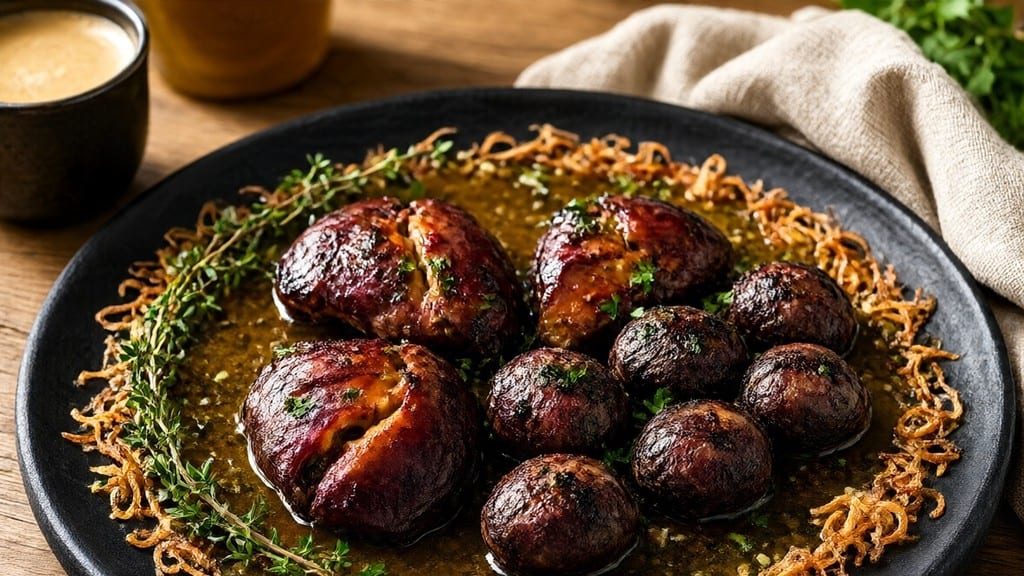
Transforming chicken liver and gizzard into a crispy, restaurant-worthy dish is simpler than you might think—when you follow the precise method I’ve perfected after years of testing. The secret lies in proper preparation and a herbed butter baste that creates that coveted golden crust while keeping the interior tender.
This recipe delivers a rich, savory experience that rivals any offal dish you’ve tried, with a technique that’s both approachable and professional.
The process begins with thorough cleaning and trimming, ensuring safety and removing any bitterness. Once prepped, the liver and gizzard are seared in a hot pan until deeply browned, then basted with herbed butter to lock in moisture and enhance flavor.
The result is a dish that’s crispy on the outside, silky on the inside, and packed with umami depth. This method works for both quick weeknight meals and special occasions, proving offal can be elegant without being intimidating.
Pairing these with a bright sauce—like a tangy red wine reduction or a creamy mustard glaze—elevates the dish further, balancing the richness with acidity. Served alongside roasted root vegetables or a crisp green salad, this becomes a complete meal that’s hearty yet refined.
The key is confidence in handling the ingredients, and this recipe ensures foolproof results every time.
For those new to offal, don’t let the preparation deter you—the steps are straightforward, and the reward is a dish that’s crispy, flavorful, and deeply satisfying.
Whether you’re cooking for a crowd or treating yourself, this recipe transforms humble ingredients into something extraordinary. Let’s get started with the full method.
Ingredients for chicken liver and gizzard
Transform humble offal into a restaurant-quality dish with these precise ingredients and expert techniques.
| Ingredient | Amount | Notes |
|---|---|---|
| Chicken Livers 🍗 | 1 lb | Fresh, trimmed of connective tissue |
| Chicken Gizzards 🦆 | 1 lb | Cleaned, trimmed, halved |
| Unsalted Butter 🧈 | ½ cup | Cold, cubed for basting |
| Fresh Parsley 🌿 | ¼ cup | Finely chopped, stems included |
| Fresh Thyme 🌿 | ¼ cup | Leaves only, finely chopped |
| Garlic Cloves 🧄 | 4 cloves | Minced, for herbed butter |
| Lemon Juice 🍋 | 1 tbsp | Freshly squeezed, for brightness |
| Kosher Salt 🧂 | 1 ½ tsp | For seasoning and trimming |
| Ground Black Pepper 🌶️ | ½ tsp | Freshly cracked, for seasoning |
| Olive Oil 🫒 | 2 tbsp | High smoke point for searing |
| Red Wine Vinegar 🍷 | 1 tbsp | For deglazing pan |
| Chicken Stock 💧 | ½ cup | Homemade or high-quality store-bought |
| All-Purpose Flour 🌾 | 2 tbsp | For dredging, optional |
The quality of your offal makes all the difference. Whole Foods or trusted butchers are best for fresh, properly handled chicken livers and gizzards—look for vibrant color and minimal odor. Trim any connective tissue or dark spots immediately, as these can impart bitterness. If using frozen, thaw in the fridge overnight and pat thoroughly dry before cooking. The herbed butter is non-negotiable for that signature crispy crust; Plugrá butter or European-style unsalted works best, but any quality brand will do. For the herbs, fresh is essential—dried won't provide the same aromatic depth, though you can use them in a pinch if needed.
No fresh herbs? Dried thyme at one-third the amount works, but the texture will differ. Substitute parsley with chives or cilantro if unavailable, though the flavor profile shifts slightly. For the wine vinegar, balsamic vinegar is a decent substitute, though it lacks the acidity punch. If you're avoiding wine entirely, a splash of lemon juice plus a pinch of sugar mimics the tang. The chicken stock can be swapped for beef or vegetable broth, but chicken adds that essential umami depth. For extra crispiness, dredge the offal in flour before searing—just be sure to shake off excess.
Proper prep is key for crispy results. Clean and trim the offal right before cooking to prevent oxidation. The herbed butter should be cold and cubed—microwave for 20 seconds to soften slightly before basting. Store any unused offal in an airtight container with paper towels to absorb moisture, then freeze for up to 3 months. The herbed butter mixture keeps well in the fridge for 1 week or freezes for 3 months. Reheat gently in the microwave before using to maintain texture.
Why You'll Love This Recipe
- No Fuss, Big Payoff: I swear by this recipe because it’s the kind of dish that feels fancy without any of the fuss. Rinse, sear, simmer—those livers and gizzards transform from "what do I do with these?" to "pass the plate" in under 25 minutes. The butter and herbs do all the heavy lifting.
- Rich, Earthy Magic: That first bite? It’s like a hug for your taste buds—deep, savory, and just a little funky in the best way. The parsley and thyme cut through the richness, while the butter makes everything melt-in-your-mouth. Honestly, it’s the kind of flavor that sticks with you long after the plate’s empty.
- Weeknight or Weekend Star: This recipe is my go-to for when I need something hearty but don’t want to slave over it. Serve it alongside crusty bread for a quick supper, or double the batch and use half for tacos the next night. It’s equally at home on a lazy Tuesday or a dinner party when you want to impress without stress.
- Budget-Friendly Powerhouse: Between us, chicken livers and gizzards are some of the most affordable protein around—and they yield way more servings than a whole chicken. A single batch feeds four, and leftovers reheat beautifully. Plus, the butter and herbs are pantry staples, so you’re not breaking the bank for gourmet ingredients.
Step-by-step instructions for crispy pan-seared chicken liver and gizzard
Here's the method for achieving perfectly crispy, golden-brown chicken liver and gizzard with rich herbed butter basting.
Prepare and Trim the Chicken Offal
Begin by trimming all connective tissue and membranes from the 1 lb chicken livers and 1 lb chicken gizzards. Use a sharp knife to carefully remove any silver skin or tough fibers—this ensures tender results. Rinse each piece under cold water and pat completely dry with paper towels. The gizzards should be halved lengthwise for even cooking.
Place the trimmed livers and gizzards in a bowl and season generously with 1.5 tsp kosher salt and 0.5 tsp ground black pepper. Toss gently to coat evenly. Let them sit at room temperature for 15 minutes while you prepare the herbed butter—this helps them cook more uniformly and develop that coveted crispy exterior.
Create the Herbed Butter Baste
In a small bowl, combine the 0.5 cup unsalted butter with the 0.25 cup finely chopped fresh parsley, 0.25 cup finely chopped fresh thyme, and 4 minced garlic cloves. Mix thoroughly until the herbs are evenly distributed throughout the butter. Roll this mixture into a log shape and wrap tightly in plastic wrap. Chill in the refrigerator until ready to use—this keeps the butter firm for basting.
While the butter chills, heat a large, heavy skillet over medium-high heat. Add 2 tbsp olive oil and let it shimmer for 1 minute—this ensures proper heat distribution for searing. The oil should be hot enough to sizzle when the offal hits the pan, which is crucial for achieving that crispy texture.
Sear the Offal in Batches
Working in batches to avoid overcrowding, add the seasoned livers and gizzards to the hot skillet. Press down gently with a spatula during the first 30 seconds—this prevents curling and ensures even contact with the pan. Cook undisturbed for 2-3 minutes per side until the edges develop a deep golden-brown crust. You'll know they're ready when they release easily from the pan.
As each batch sears, transfer the cooked offal to a plate lined with paper towels to drain excess fat. Keep the cooked pieces warm in a 200°F oven while you finish the remaining batches. The residual heat maintains their temperature without overcooking. This batch approach guarantees consistent crispiness throughout.
Deglaze and Baste with Herbed Butter
Once all the offal is seared, reduce the heat to medium and add 1 tbsp red wine vinegar to the skillet. Scrape up any browned bits from the bottom with a wooden spoon—these contain concentrated flavor. Let the vinegar simmer for 1 minute to cook off the alcohol, then pour in 0.5 cup chicken stock and scrape again to incorporate.
Return all the seared livers and gizzards to the skillet. Unwrap the chilled herbed butter log and cut it into 8-10 slices. Add these to the skillet and spoon the melted butter over the offal, basting generously. Cover the skillet and cook for 3-4 minutes until the butter has fully melted and the offal is heated through. The combination of the herbed butter and stock creates a luxurious pan sauce that clings beautifully to each piece.
Finish with Lemon and Serve Immediately
Remove the skillet from heat and stir in 1 tbsp freshly squeezed lemon juice. This brightens the rich flavors and cuts through any potential bitterness from the offal. Taste and adjust seasoning if needed—you may want to add a pinch more salt or a crack of black pepper to taste.
Serve the crispy pan-seared chicken liver and gizzard immediately, spooning the herbed butter sauce over the top. The contrast of the crispy exterior with the tender interior, combined with the aromatic herbs and tangy lemon, makes this a truly luxurious dish. Pair with crusty bread to soak up every last bit of that golden sauce.
Pro Tips For Making Chicken Liver And Gizzard
- SEAR IN BATCHES: Chicken livers and gizzards release their juices like a squeezed lemon—crowd them in the pan, and you’ll steam them into mush. Work in two batches over medium-high heat, giving each piece space to develop that golden crust. Yes, it takes an extra minute, but the difference in texture is night and day.
- SCOUR THE GIZZARDS: Gizzards are tough little powerhouses, and skipping the scouring step is like chewing on rubber. Rinse them under cold water, then scrub the inside with a stiff brush or your fingers to remove grit and bile. Trust me, you don’t want to bite into a surprise sand grain mid-bite.
- DON’T OVERCOOK THE LIVERS: Livers go from perfect to rubbery faster than you can say "second attempt." They’re done at 160°F (71°C) internal temp—pull them just as the edges start to pull away. Let them rest 2–3 minutes off the heat; they’ll carryover cook and stay juicy. Overcook them, and you’re left with a sad, dry pile.
- BLOOM THE HERBS FIRST: Toss chopped parsley and thyme into the butter while it melts—this releases their oils and aromas before the meat even hits the pan. Skip this, and you’re just garnishing instead of layering flavor. A quick 30-second bloom makes a real difference in the final dish.
Troubleshooting your chicken liver and gizzard
Overcooked Offal Fix
If your chicken liver and gizzard turns rubbery or dry, it’s likely overcooked. The key is timing—livers should reach 145°F internal temperature and gizzards 160°F max. Remove them from the pan immediately when they release easily from the skillet.
For a second chance, place the overcooked pieces in a cold skillet with 1 tbsp butter and 1 tbsp chicken stock, cover, and heat for 1-2 minutes on low. This rehydrates them slightly. 💡
Bitterness Prevention
Bitterness often comes from old or improperly stored offal. Always use fresh livers and gizzards—never frozen unless thawed overnight in the fridge. Trim all connective tissue and membranes thoroughly, as these contain bitter compounds.
If bitterness lingers, add 1 tsp sugar or 1 tbsp lemon juice to the pan sauce to balance flavors. Never skip the lemon juice in Step 5—it’s your secret weapon against bitterness. 🍋
Uneven Cooking Solutions
If some pieces cook faster than others, it’s likely due to inconsistent sizing or overcrowding. Halve all gizzards and trim livers to similar thickness. Work in batches—never overcrowd the pan—and press pieces down gently with a spatula for the first 30 seconds of cooking.
For stubbornly undercooked spots, return the offal to the pan for 30 seconds per side on medium heat, basting with herbed butter continuously. 🔥
Pan Sauce Failures
A weak or thin pan sauce usually means insufficient deglazing. Always scrape up browned bits with a wooden spoon when adding red wine vinegar and chicken stock. If the sauce separates, whisk in 1 tsp cornstarch mixed with 1 tbsp cold water and simmer for 1 minute to thicken.
For extra richness, add 1 tbsp heavy cream at the end. Never rush the deglazing—this step builds flavor. 🍲
Herbed Butter Issues
If your herbed butter doesn’t melt properly or clumps, it’s likely too cold or not mixed well. Roll the butter into a log and chill for 30 minutes max—too long makes it rock-hard. Cut into smaller slices (4-6 pieces) for faster melting.
For extra insurance, microwave the butter log for 10 seconds before slicing to soften slightly. If herbs separate, blend the butter and herbs together briefly with a fork before rolling. 🧈
Gizzards Stay Tough
Tough gizzards usually mean they weren’t cooked long enough or weren’t trimmed properly. First, ensure you’ve removed all connective tissue and membranes—these are the culprits. For extra tenderness, simmer the gizzards in 1 cup chicken stock for 10 minutes before searing.
If they’re still tough after cooking, slice them thinner (¼ inch) and serve with a creamy sauce to help break them down. 💪
Nutrition facts
Frequently asked questions
Why should I trim the membranes and connective tissue from chicken liver and gizzard?
Trimming these parts is crucial because they contain bitter compounds that ruin the delicate flavor. The membranes also make the meat tougher. Spend the extra time—your final dish will be silky and rich, not bitter or chewy.
Can I substitute gizzards with another type of offal?
Yes, but texture and cooking time will differ. Chicken hearts cook similarly and work well, while beef or pork liver require shorter cooking times (1-2 minutes per side). For best results, stick to chicken gizzards or hearts to match the recipe's balance.
What's the best way to store leftover chicken liver and gizzard?
Cool the cooked offal completely, then store in an airtight container with a paper towel to absorb moisture. Keep refrigerated for 2-3 days or freeze for 3 months. Reheat gently in a skillet with butter and stock to revive crispiness.
How do I know when chicken liver is fully cooked?
Livers are done when they reach 145°F internally and release easily from the pan. The edges should be golden-brown, and the center should still look slightly pink (not red). Overcooking turns them rubbery—remove them promptly!
What sides pair best with this dish?
This rich offal dish pairs beautifully with bright, acidic elements. Try roasted Brussels sprouts with bacon, creamy polenta, or a crisp green salad with lemon vinaigrette. For extra indulgence, serve with crusty bread to soak up the herbed butter sauce.